
Men's Health
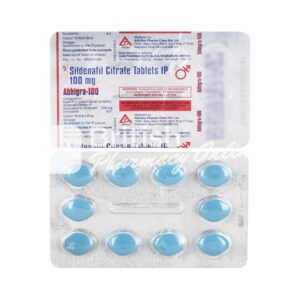
Abhigra
from
Androxal
from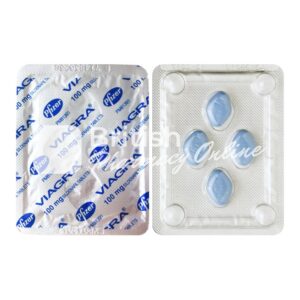
Brand Viagra
from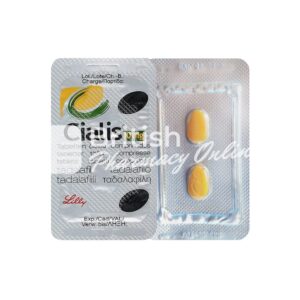
Cialis
from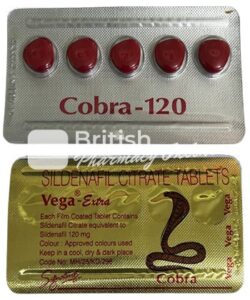
Cobra-120
from
Eriacta
from
Kamagra
from
Kamagra Chewable
from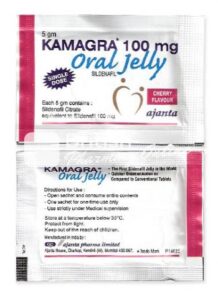
Kamagra Oral Jelly
from
Kamagra Oral Jelly Vol-1
from
Priligy
from
Propecia
from
Sildalis
from
Super Vidalista
from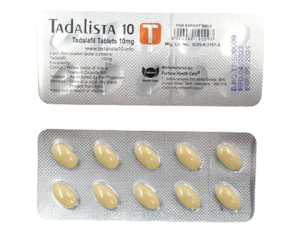
Tadalista
from
Tadarise
fromErectile Dysfunction and Sexual Performance
Erectile dysfunction (ED) affects millions of men across the UK and can occur at any age, though it becomes more common with age. ED is characterised by the consistent inability to achieve or maintain an erection sufficient for satisfactory sexual performance. Various factors contribute to ED, including cardiovascular issues, diabetes, hormonal imbalances, stress, anxiety, and relationship problems.
The most popular and effective treatments available in the UK include sildenafil (Viagra), tadalafil (Cialis), and vardenafil (Levitra). These phosphodiesterase-5 inhibitors work by increasing blood flow to the penis during sexual stimulation. Sildenafil typically works within 30-60 minutes and lasts for approximately 4 hours, whilst tadalafil can work for up to 36 hours, offering greater flexibility. Lower-dose tadalafil is also available for daily use. Avanafil (Spedra) is another option that works quickly, within 15 minutes.
Beyond medication, treating underlying health conditions, reducing stress through relaxation techniques, and maintaining a healthy lifestyle can significantly improve erectile function. Counselling or couples therapy may also prove beneficial when psychological factors are involved. Many men find that combining medical treatment with lifestyle modifications provides the best results.
Testosterone and Hormone Health
Testosterone is the primary male sex hormone responsible for developing male characteristics, maintaining sexual function, building muscle mass, and promoting bone density. Low testosterone, or hypogonadism, can lead to reduced libido, fatigue, mood changes, and decreased muscle strength. Testosterone levels naturally decline with age, but certain medical conditions and lifestyle factors can accelerate this decline.
Treatment options in the UK include testosterone replacement therapy (TRT), which comes in various forms:
- Topical gels such as Testogel and AndroGel
- Injectable formulations including Sustanon
- Transdermal patches
- Oral capsules
These treatments help restore testosterone levels to normal ranges and can significantly improve symptoms associated with low testosterone. Blood tests are essential before starting TRT to confirm low levels and rule out other conditions. Men considering testosterone therapy should be aware of potential side effects and the importance of regular monitoring through blood tests.
Lifestyle modifications such as regular exercise, adequate sleep, stress reduction, and maintaining a healthy weight naturally support testosterone production. Men over 40 should consider regular testosterone screening as part of their general health assessment.
Prostate Health and Benign Prostatic Hyperplasia
The prostate is a small gland that produces seminal fluid and is crucial for male reproductive health. Benign prostatic hyperplasia (BPH), or enlarged prostate, is extremely common in older men and can cause urinary difficulties such as frequent urination, weak urine stream, and incomplete bladder emptying. Unlike prostate cancer, BPH is not life-threatening but can significantly affect quality of life.
Several medications effectively manage BPH symptoms in the UK. Alpha-blockers like tamsulosin (Flomax) and alfuzosin relax muscles in the prostate and bladder neck, improving urine flow. 5-alpha reductase inhibitors such as finasteride (Proscar) and dutasteride (Avodart) reduce prostate size over time by lowering DHT levels. Many men use these medications successfully for years, experiencing improved urinary function and reduced nighttime bathroom visits.
Regular prostate screening is important for men over 50, or those with family history of prostate issues. PSA blood tests and digital rectal examinations help detect potential problems early. Maintaining good hydration, limiting caffeine and alcohol, and performing pelvic floor exercises can complement medical treatment. Men experiencing significant urinary symptoms should consult their GP for proper evaluation.
Hair Loss and Male Pattern Baldness
Male pattern baldness affects approximately half of all men by age 50 and is primarily determined by genetics and the hormone DHT (dihydrotestosterone). Hair loss can impact self-confidence and psychological well-being, making effective treatment important for many men. Fortunately, several evidence-based treatments are available in the UK to slow hair loss and promote regrowth.
Minoxidil (Regaine) is available over-the-counter as a topical solution or foam applied directly to the scalp twice daily. It works by improving blood flow to hair follicles and is most effective when used consistently. Finasteride (Propecia), a prescription medication, blocks the conversion of testosterone to DHT and is taken as a daily tablet. When used together, these treatments often provide superior results compared to using either alone.
Hair transplantation is another option for men with significant hair loss who seek a more permanent solution. Results vary depending on the extent of hair loss and the skill of the surgeon. Starting treatment early yields better results, as medication works better at maintaining existing hair than regrowing lost hair. Men should maintain realistic expectations and understand that consistent use is necessary to maintain benefits.
Cardiovascular Health and Blood Pressure
Cardiovascular disease remains a leading cause of death among UK men, making heart health a critical aspect of men’s wellness. High blood pressure (hypertension) is a major risk factor for heart disease and stroke but often presents no symptoms, earning it the nickname “silent killer.” Regular blood pressure monitoring is essential for early detection and prevention of serious complications.
Several classes of medications effectively manage hypertension in the UK, including:
- ACE inhibitors such as lisinopril
- Angiotensin II receptor blockers like losartan
- Beta-blockers including bisoprolol
- Calcium channel blockers such as amlodipine
- Diuretics when recommended
Many men require combination therapy using multiple medications to achieve optimal blood pressure control. Maintaining cardiovascular health requires a comprehensive approach including regular exercise, a heart-healthy diet low in saturated fats and sodium, stress management, smoking cessation, and maintaining a healthy weight. Men should have their blood pressure checked regularly at their GP surgery or through home monitoring devices.
Urinary Health and Incontinence
Male urinary incontinence, though less common than in women, affects many UK men, particularly those over 60 or those who have undergone prostate surgery. Involuntary urine leakage can result from various causes including weak pelvic floor muscles, urinary tract infections, prostate issues, or neurological conditions. Addressing this sensitive issue is important for maintaining quality of life and social confidence.
Treatment approaches vary depending on the underlying cause. Pelvic floor muscle exercises, known as Kegel exercises, strengthen the muscles supporting bladder control and often improve symptoms significantly. Medications such as anticholinergics may help manage overactive bladder symptoms. Absorbent products specifically designed for men provide practical solutions for those experiencing persistent incontinence.
Men experiencing urinary incontinence should consult their GP to identify the underlying cause, as some causes are easily treatable. Lifestyle modifications such as limiting caffeine and alcohol, maintaining healthy weight, and avoiding constipation support bladder health. Regular pelvic floor exercises combined with appropriate medical treatment often successfully manage or resolve incontinence, allowing men to maintain active, confident lives.