
Asthma
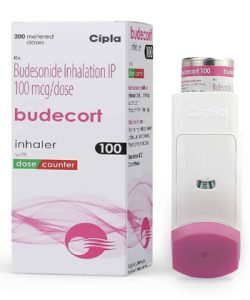
Budecort
from
Budesonide Caps
from
Uniphyllin
fromUnderstanding Asthma: What You Need to Know
Asthma is a chronic respiratory condition that affects millions of people across the United Kingdom. It occurs when the airways in your lungs become inflamed, making it difficult to breathe. The condition can range from mild to severe, and symptoms may include wheezing, shortness of breath, chest tightness, and persistent coughing, particularly at night or during physical activity.
The exact cause of asthma remains unclear, though medical professionals believe it results from a combination of genetic and environmental factors. Common triggers include allergens, air pollution, cold air, exercise, stress, and respiratory infections. Understanding your personal triggers is essential for managing your condition effectively.
Asthma can develop at any age, though it often begins in childhood. Some people may experience symptoms that improve over time, whilst others continue to manage the condition throughout their lives. Early diagnosis and proper treatment can significantly improve your quality of life and reduce the risk of serious complications.
Types of Asthma and Their Symptoms
There are several distinct types of asthma that affect people differently across the United Kingdom. Allergic asthma is the most common form, triggered by exposure to allergens such as pollen, dust mites, pet dander, or mould spores. This type often runs in families and is associated with other allergic conditions like eczema and hay fever.
Non-allergic asthma develops due to factors other than allergens, including air pollution, cold weather, stress, or viral infections. Exercise-induced asthma occurs during or shortly after physical activity and is particularly common amongst athletes and active individuals. Occupational asthma develops due to workplace exposure to irritants or chemicals.
Severe asthma, sometimes called difficult-to-control asthma, requires high-dose medications and may not respond well to standard treatments. Symptoms across all types typically include a persistent dry cough, wheezing sounds when breathing, difficulty catching your breath, and a tight sensation in your chest. Some people experience symptoms only occasionally, whilst others deal with them regularly, particularly during certain seasons or when exposed to specific triggers.
Preventer and Reliever Medications Available in the UK
Asthma medications in the United Kingdom fall into two main categories: preventers and relievers. Reliever medications, also known as rescue inhalers, provide immediate relief during asthma attacks. The most common reliever medication is salbutamol, sold under brand names including Ventolin and Asmol. These work by relaxing the muscles around the airways, allowing easier breathing within minutes. Terbutaline is another reliever option available in the UK market.
Preventer medications are used daily to reduce inflammation and prevent symptoms from developing. Inhaled corticosteroids such as fluticasone, beclomethasone, and budesonide are the most effective preventers available. Many people use combination inhalers containing both a corticosteroid and a long-acting beta-agonist, such as Seretide, Symbicort, or Fostair. These combination medications work together to maintain control over several hours.
For people with allergic asthma, antihistamines and leukotriene receptor antagonists may be prescribed. Montelukast, sold as Singulair in the UK, helps reduce inflammation and is particularly useful for exercise-induced asthma. Theophylline is an older medication still occasionally prescribed, though it’s less commonly used today. Biologic therapies like omalizumab and mepolizumab are available for severe asthma cases that don’t respond to conventional treatments, though they typically require specialist prescription.
Using Your Inhaler Correctly: Technique and Best Practice
Proper inhaler technique is crucial for ensuring you receive the correct dose of medication. Many people use their inhalers incorrectly, which reduces their effectiveness. For metered-dose inhalers, begin by shaking the device gently, then breathe out fully before placing the mouthpiece between your lips. Press down firmly on the canister whilst simultaneously breathing in slowly and deeply. Hold your breath for approximately ten seconds to allow the medication to reach your lungs properly.
Using a spacer device significantly improves medication delivery, particularly for children and older adults. These plastic tubes attach to your inhaler and create a chamber where the medication collects, making it easier to coordinate pressing the inhaler with breathing in. Spacers reduce the amount of medication deposited in your mouth and throat whilst increasing the quantity reaching your lungs.
After using your inhaler, always rinse your mouth with water and spit it out, particularly after using preventer medications. This simple step reduces the risk of side effects like oral thrush. Ask your pharmacist or healthcare provider to observe your inhaler technique regularly. Dry powder inhalers require a different approach, involving a quick, sharp breath in after loading the medication. Your healthcare team can provide personalised guidance based on your specific inhaler type and physical abilities.
Managing Your Asthma: Lifestyle Changes and Monitoring
Effective asthma management involves more than just taking medication. Identifying and avoiding your personal triggers is essential. Keep a symptom diary noting when attacks occur and what you were doing beforehand. Common triggers include dust, pet hair, strong perfumes, cold air, and stress. Simple measures like using air filters, maintaining good housekeeping, and keeping windows closed during high pollen season can significantly reduce symptoms.
Regular physical activity actually helps improve lung function and reduce asthma symptoms over time, though you should warm up properly and may need medication before exercise. Maintaining a healthy weight reduces strain on your respiratory system. Practising stress management techniques, including deep breathing exercises, meditation, or yoga, can help prevent stress-triggered attacks.
Monitor your peak flow regularly using a simple device that measures how quickly air moves out of your lungs. Declining readings often indicate worsening asthma before you notice symptoms. Keep all scheduled appointments with your GP or asthma nurse for regular reviews. Ensure you have a written asthma action plan detailing your daily medications, what to do if symptoms worsen, and when to seek emergency care. This plan should be reviewed annually or whenever your circumstances change.
Key Points for Managing Your Asthma:
- Identify and document your personal asthma triggers
- Take your preventer medication daily as prescribed, even when feeling well
- Use a peak flow meter to monitor your lung function regularly
- Maintain a clean home environment and reduce allergen exposure
- Keep your asthma action plan updated and accessible
- Attend all scheduled appointments with your healthcare provider
- Stay physically active with appropriate warm-up and precautions
When to Seek Medical Help and Emergency Care
Knowing when to contact your healthcare provider is vital for safe asthma management. Book an appointment if you’re using your reliever inhaler more than twice weekly, experiencing nighttime symptoms that disturb your sleep, or struggling to keep up with normal activities. If your symptoms worsen despite taking your preventer medication, contact your GP to discuss adjusting your treatment plan.
Seek emergency care immediately if you experience severe difficulty breathing, blue lips or fingernails, confusion or loss of consciousness, or extreme chest pain. Call 999 or go to your nearest A&E department during acute asthma attacks that don’t respond to your reliever medication within fifteen minutes. Don’t delay seeking help, as severe asthma attacks can be life-threatening.
Contact your pharmacy or GP for advice if you’re unsure about how to use your medication or if you experience side effects. Pharmacists across the UK are increasingly trained to provide asthma support and can offer valuable guidance about your treatment. Regular communication with your healthcare team ensures your asthma remains well-controlled, allowing you to enjoy a full, active life despite your condition.