
Analgesics

Carbamazepine
from
Celebrex
from
Decadron
from
Diclofenac
from
Flunarizine
from
Gabapentin
from
Indocid
from
Indomethacin
from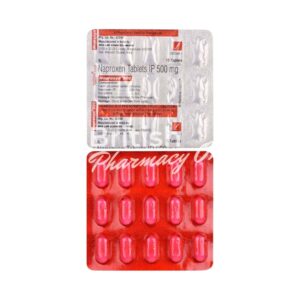
Naprosyn
from
Neurontin
from
Phenazopyridine
from
Tegretol
from
Tizanidine
from
Zanaflex
fromWhat Are Analgesics and How Do They Work?
Analgesics, commonly known as painkillers, are medications designed to relieve pain without causing loss of consciousness. They work by reducing pain signals sent to the brain or by decreasing the production of substances in the body that cause inflammation and pain. Understanding how analgesics function helps patients use them safely and effectively for their specific needs.
There are several types of analgesics available, each working through different mechanisms. Some block pain signals at the source, whilst others affect how the brain perceives pain. The choice of analgesic depends on the type and severity of pain, as well as individual health conditions. Most analgesics can be purchased over the counter, though stronger options require a prescription from your GP.
Analgesics are among the most commonly used medications in the United Kingdom. They provide relief for everything from minor headaches to chronic pain conditions. Choosing the right analgesic ensures effective pain management whilst minimising potential side effects and complications.
Over-the-Counter Analgesics Available in the UK
Over-the-counter analgesics are easily accessible from pharmacies, supermarkets, and online retailers across the United Kingdom without requiring a prescription. These medications are considered safe for general use when taken at the recommended dosage and are suitable for most people experiencing mild to moderate pain.
Paracetamol
Paracetamol remains one of the most popular pain relievers in the UK. Available under brand names like Panadol and Calpol, paracetamol is effective for headaches, toothaches, period pain, and general aches. It’s gentle on the stomach and suitable for most age groups, though dosage varies. Paracetamol is also found in many combination products alongside other ingredients. Maximum daily doses should not exceed 4,000mg for adults to avoid liver damage.
Ibuprofen
Ibuprofen is a non-steroidal anti-inflammatory drug (NSAID) that not only relieves pain but also reduces inflammation and fever. Branded as Nurofen and Boots Pain Relief, ibuprofen is particularly effective for conditions involving inflammation such as arthritis, muscle strains, and period pain. It’s typically taken every four to six hours, with a maximum daily dose of 1,200mg without prescription. Ibuprofen works faster than paracetamol for some people and provides longer-lasting relief.
Aspirin
Aspirin has been used for over a century and remains widely available in British pharmacies. Beyond pain relief, low-dose aspirin is often recommended for heart health. It’s effective for headaches and general pain, though some people experience stomach upset. Soluble aspirin versions dissolve in water for easier consumption and faster action.
Prescription-Strength Analgesics and When They’re Used
When over-the-counter options prove insufficient, GPs in the United Kingdom prescribe stronger analgesics for more severe pain conditions. These prescription medications require professional assessment to ensure appropriate use and monitoring for potential side effects.
Codeine
Codeine is an opioid analgesic often prescribed in combination with paracetamol for moderate pain that doesn’t respond to standard painkillers. It’s commonly used for post-operative pain, severe headaches, and chronic pain conditions. Codeine can cause drowsiness and constipation, so patients are advised about these effects and given guidance on safe use.
Tramadol
Tramadol is a synthetic opioid prescribed for moderate to moderately severe pain. It’s often used after surgery, for chronic pain management, and for conditions like fibromyalgia. Tramadol works differently than traditional opioids, affecting both pain perception and serotonin levels. It carries risks of dependency and should only be used as directed by a healthcare professional.
Stronger Opioids
Stronger opioids like morphine, oxycodone, and fentanyl are reserved for severe pain, typically in cancer care or end-of-life situations. These powerful medications require careful monitoring and are prescribed only when other treatments have proven inadequate. Patients using these medications receive detailed instructions and regular follow-up appointments.
Combination Analgesics and Specialist Pain Relief Options
The United Kingdom pharmacy market offers numerous combination analgesic products designed to enhance pain relief through synergistic effects. These combinations often prove more effective than single-ingredient products for specific pain types.
Paracetamol and Ibuprofen Combinations
Paracetamol plus ibuprofen combinations provide dual action pain relief, addressing pain through two different mechanisms simultaneously. Some formulations include caffeine, which can enhance pain relief effectiveness. These combinations are useful for tension headaches, muscular pain, and post-operative discomfort.
Topical Analgesics
Topical analgesics such as creams, gels, and patches deliver pain relief directly to affected areas. Products containing ibuprofen, menthol, or capsaicin are excellent for localised pain like muscle strains, arthritis, and joint pain. Brands like Voltarol gel and Deep Heat are popular choices. These options minimise systemic absorption, making them suitable for people who cannot take oral analgesics.
Migraine-Specific Analgesics
Migraine-specific analgesics including triptans are formulated specifically for migraine headaches. Products like sumatriptan work by narrowing blood vessels around the brain and reducing substances in the body that cause headache, nausea, sensitivity to light, and sound. These are available on prescription and sometimes as over-the-counter options for established migraine sufferers.
Special Considerations and Safe Usage Guidelines
Using analgesics safely requires understanding individual health circumstances and following recommended guidelines. Certain populations need special consideration when choosing pain relief medication.
Key Safety Considerations
- Pregnancy and breastfeeding require careful analgesic selection. Paracetamol is generally considered safe throughout pregnancy, whilst ibuprofen should be avoided in the first and third trimesters. Breastfeeding mothers can use most analgesics, though some transfer into breast milk. Always consult your GP or midwife before taking any medication during pregnancy or whilst breastfeeding.
- Elderly patients may require adjusted dosages and should avoid certain analgesics due to increased sensitivity and existing health conditions. NSAIDs can affect kidney function and interact with blood pressure medications. Paracetamol is often preferred, though dosages may need reduction.
- People with existing health conditions including liver disease, kidney problems, heart conditions, or stomach ulcers should consult healthcare professionals before using analgesics. Some medications interact dangerously with analgesics, making professional guidance essential before starting any new pain relief medication.
- Alcohol consumption should be avoided when taking paracetamol due to increased liver damage risk. NSAIDs combined with alcohol increase stomach irritation risk. Always read medication labels for specific warnings and interactions.
Managing Pain Long-Term and When to Seek Medical Advice
Persistent pain requiring regular analgesic use should be evaluated by healthcare professionals to identify underlying causes and determine appropriate management strategies. Using analgesics correctly contributes to better pain control and quality of life.
Chronic Pain Management
Chronic pain management often involves a combination approach including physical therapy, lifestyle modifications, and appropriate medication. Rather than relying solely on analgesics, comprehensive pain management addresses root causes. Your GP can refer you to pain management specialists for conditions requiring ongoing treatment.
Warning Signs Requiring Medical Attention
Warning signs requiring medical attention include pain that worsens despite medication, new types of pain, or pain accompanied by other symptoms. Severe headaches, chest pain, or unexplained pain should be evaluated by healthcare professionals immediately. If you need analgesics more than twice weekly, consult your GP about underlying causes and alternative management strategies. Over-the-counter analgesic limits exist for good reason, as regular use beyond recommended doses can cause medication overuse headaches, liver damage, and stomach problems.
Contact your pharmacist or GP if you’re unsure which analgesic suits your needs, especially if you take other medications or have existing health conditions. Healthcare professionals in the United Kingdom provide free advice about pain management options, ensuring you receive safe and effective treatment.