
Hypertension
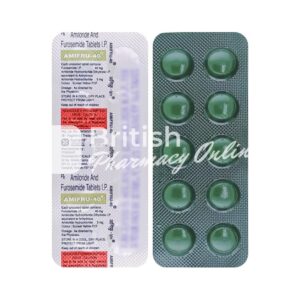
Amiloride
from
Amlodipine
from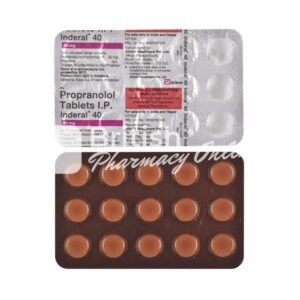
Bedranol
from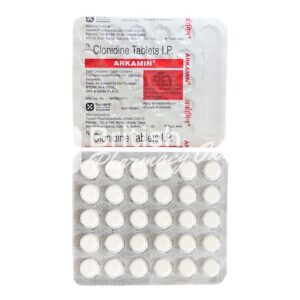
Clonidine
from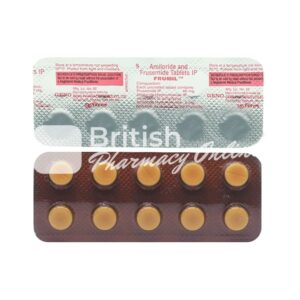
Co-amilofruse
from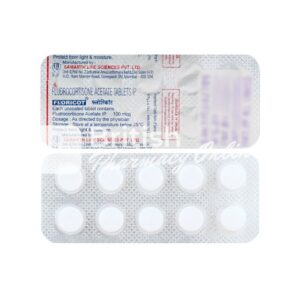
Florinef
from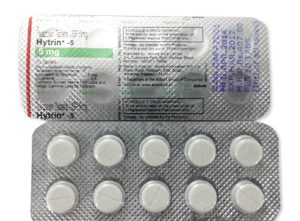
Hytrin
from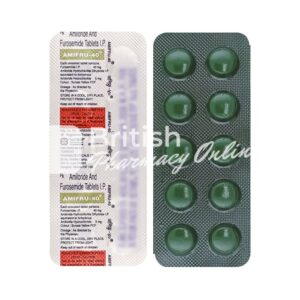
Lasix
from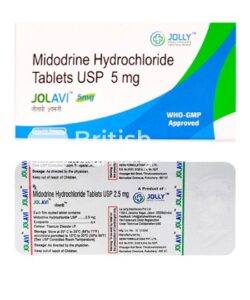
Midodrine
from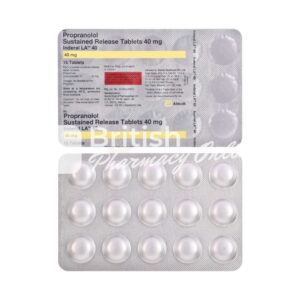
Propranolol
from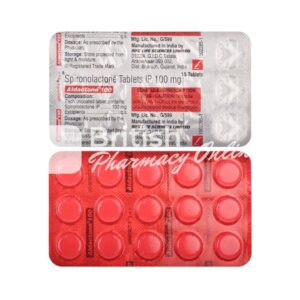
Spironolactone
from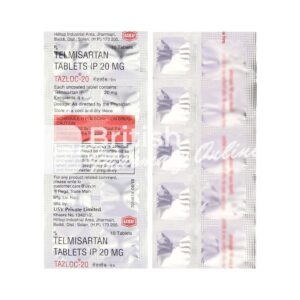
Telmisartan
fromUnderstanding Hypertension: What You Need to Know
Hypertension, commonly known as high blood pressure, is a chronic condition where the force of blood against your artery walls is consistently too high. This occurs when blood pressure readings are 140/90 mmHg or higher. The condition affects millions of people across the United Kingdom and is often called a “silent killer” because many individuals experience no symptoms whilst their cardiovascular system suffers damage.
Blood pressure is measured in two numbers: systolic pressure (the force when your heart beats) and diastolic pressure (the force when your heart rests between beats). Understanding these measurements helps you monitor your health and work with your healthcare provider. Hypertension can lead to serious complications including heart disease, stroke, and kidney failure if left untreated.
There are two main types of hypertension. Primary hypertension develops gradually over time without an identifiable secondary cause, accounting for approximately 90% of cases. Secondary hypertension results from underlying conditions such as kidney disease or hormonal disorders. Risk factors include age, family history, obesity, excessive salt intake, alcohol consumption, and lack of physical activity.
Causes and Risk Factors
Several factors contribute to the development of hypertension, making prevention and early detection crucial. Lifestyle choices play a significant role, with sedentary behaviour, poor diet, and stress all contributing to elevated blood pressure. Individuals who consume excessive amounts of salt, processed foods, and sugary drinks face higher risks.
Age is an unavoidable risk factor, as blood pressure naturally increases with advancing years. Men are more likely to develop hypertension before age 55, whilst women’s risk increases after menopause. Family history significantly influences your likelihood of developing the condition, suggesting a genetic component to hypertension susceptibility.
Existing medical conditions increase hypertension risk substantially. Diabetes, chronic kidney disease, thyroid disorders, and sleep apnoea all elevate blood pressure. Hormonal factors, including pregnancy complications and hormone replacement therapy, can also trigger hypertension development.
Environmental and lifestyle factors merit particular attention. Regular alcohol consumption, smoking, obesity, and chronic stress all contribute to sustained high blood pressure. Reducing these modifiable risk factors through lifestyle changes often provides the first line of defence against developing or worsening hypertension:
- Excessive salt and processed food intake
- Sedentary lifestyle and lack of exercise
- Overweight and obesity
- Heavy alcohol consumption
- Smoking and tobacco use
- Chronic stress and poor mental health
- Poor sleep quality and sleep disorders
Treatment Options and Lifestyle Modifications
Managing hypertension requires a comprehensive approach combining medication and lifestyle adjustments. Healthcare professionals in the United Kingdom typically recommend lifestyle modifications as the first step, particularly for those with mild hypertension or prehypertension readings.
Dietary Changes
Dietary changes prove remarkably effective in controlling blood pressure. The DASH diet (Dietary Approaches to Stop Hypertension) emphasises fruits, vegetables, whole grains, lean proteins, and low-fat dairy whilst minimising salt intake. The NHS recommends consuming no more than 6 grams of salt daily. Reducing alcohol consumption to within recommended limits helps significantly, as does limiting caffeine intake.
Physical Activity and Exercise
Regular physical activity reduces blood pressure substantially. The NHS advises at least 150 minutes of moderate-intensity aerobic exercise weekly, combined with muscle-strengthening activities twice weekly. Activities like brisk walking, swimming, cycling, and jogging all prove beneficial. Even small increases in daily movement contribute positively to blood pressure management.
Weight Management and Stress Relief
Weight management significantly impacts hypertension control. Losing just 5-10% of excess body weight can produce measurable reductions in blood pressure readings. Stress management techniques including meditation, yoga, deep breathing exercises, and mindfulness help lower blood pressure naturally. Improving sleep quality and maintaining consistent sleep schedules also supports better blood pressure control.
Blood Pressure Medications Available in the United Kingdom
Various medication classes treat hypertension effectively, each working through different mechanisms. Your GP or healthcare provider will recommend the most appropriate option based on your individual circumstances, existing health conditions, and other medications you take.
ACE Inhibitors and Angiotensin Receptor Blockers
ACE inhibitors and Angiotensin Receptor Blockers (ARBs) are commonly prescribed first-line treatments. ACE inhibitors include lisinopril, enalapril, and ramipril, which work by relaxing blood vessel walls. ARBs like losartan, valsartan, and candesartan function similarly but through different pathways. These medications prove particularly beneficial for patients with diabetes or heart disease.
Beta-Blockers and Calcium Channel Blockers
Beta-blockers such as bisoprolol, atenolol, and metoprolol slow heart rate and reduce the force of heart contractions. They’re often recommended for patients with heart conditions or those who’ve experienced heart attacks. Calcium channel blockers including amlodipine, diltiazem, and verapamil relax blood vessel muscles and improve blood flow.
Diuretics and Other Medications
Diuretics, commonly called water tablets, help your kidneys remove excess salt and water through increased urination. Thiazide diuretics like hydrochlorothiazide and indapamide are frequently prescribed. Loop diuretics and potassium-sparing diuretics address specific patient needs. Alpha-blockers and combined alpha-beta-blockers provide additional options, though they’re typically used when other medications prove insufficient. Central-acting agents and vasodilators represent further alternatives for complex cases. Many patients require combination therapy, using two or more medications simultaneously for optimal control. Your NHS GP or specialist will determine the most suitable treatment plan tailored to your needs.
Monitoring and Managing Your Blood Pressure
Regular monitoring ensures your treatment plan remains effective and helps detect any concerning changes early. Home blood pressure monitors offer convenient tracking between healthcare appointments. The NHS recommends keeping a record of readings to share with your healthcare provider, as this information guides treatment adjustments.
Understanding your target blood pressure goal is essential. For most adults, targets are below 140/90 mmHg, though individuals with diabetes or kidney disease may have lower targets. Your GP will establish your personal target based on your specific circumstances.
Attend regular health check appointments as scheduled, typically annually or more frequently if your hypertension requires intensive management. These appointments allow your healthcare provider to monitor medication effectiveness, assess for complications, and adjust treatment as necessary. Blood tests may be recommended periodically to check kidney function and electrolyte levels, particularly if you’re taking certain medications.
Keep detailed records of any symptoms you experience, medication side effects, and lifestyle changes you’ve implemented. This information helps your healthcare provider optimise your treatment plan. Join support groups or NHS programmes designed for hypertension management, which provide education, encouragement, and practical strategies for long-term success.
When to Seek Medical Advice and Hypertensive Emergencies
Knowing when to contact your healthcare provider ensures timely intervention and prevents serious complications. Schedule an appointment if you notice persistent symptoms including severe headaches, chest pain, shortness of breath, or vision changes, as these may indicate dangerously elevated blood pressure requiring immediate attention.
Hypertensive emergencies demand immediate medical care. Call 999 or go to your nearest accident and emergency department if you experience sudden severe headache with chest or back pain, severe shortness of breath, confusion, or unresponsiveness. These symptoms suggest a hypertensive crisis requiring emergency treatment.
Contact your GP if you experience side effects from your medications that affect your daily life or quality of living. Your healthcare provider can often adjust your medication or recommend alternatives that you tolerate better. If you struggle with medication adherence or have difficulty managing lifestyle changes, discuss these challenges with your healthcare team—they can provide support and resources.
Report any significant blood pressure readings that exceed your target by substantial margins. Regular readings above 180/120 mmHg warrant prompt professional evaluation. Pregnant women should seek immediate medical advice if they develop hypertension symptoms, as pregnancy-related high blood pressure requires specialised monitoring and management to protect both mother and baby’s health.