
Women's Health
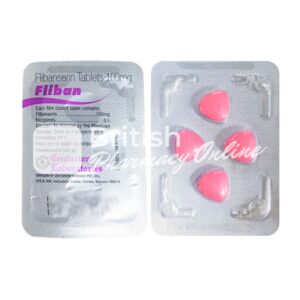
Addyi
from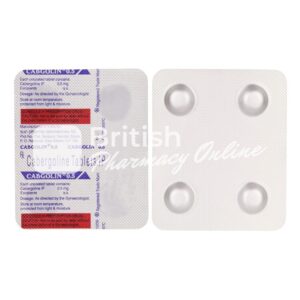
Cabergoline
from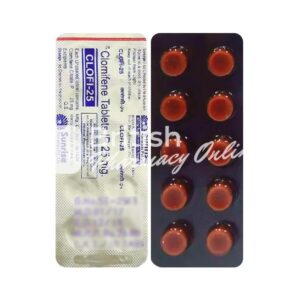
Clomid
from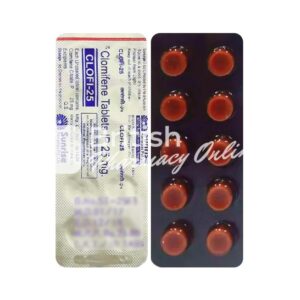
Clomiphene
from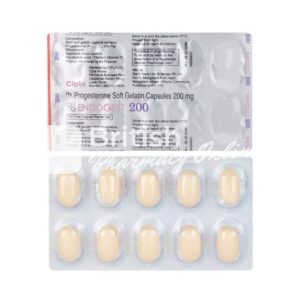
Cyclogest
from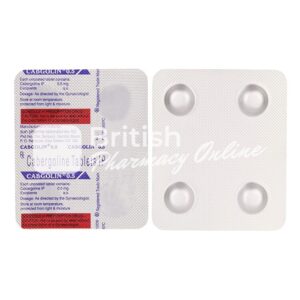
Dostinex
from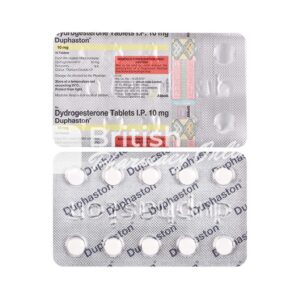
Duphaston
from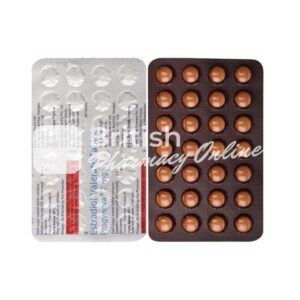
Estradiol
from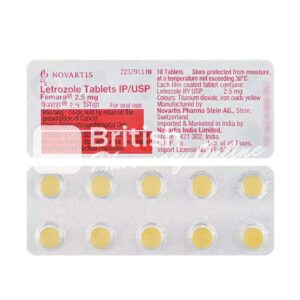
Femara
from
Medroxyprogesterone
from
Nolvadex
from
Parlodel
from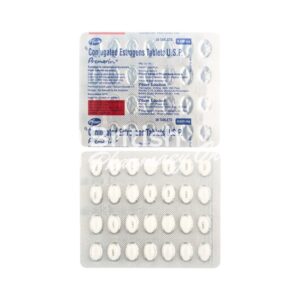
Premarin
from
Provera
from
Tamoxifen
fromContraception & Birth Control
Contraception remains one of the most important aspects of women’s reproductive health, offering choices that suit different lifestyles and medical needs. Effective birth control allows women to plan pregnancies, space children, and maintain control over their futures.
The Pill
The contraceptive pill is one of the most popular forms of birth control in the United Kingdom. Combined oral contraceptives contain oestrogen and progestogen, whilst the progestogen-only pill (mini-pill) is suitable for breastfeeding women and those who cannot take oestrogen. Common brands include Microgynon, Yasmin, and Cerazette. Pills must be taken daily and are highly effective when used correctly. They offer additional benefits such as regulating periods and reducing acne.
Long-Acting Reversible Contraception
The intrauterine device (IUD) and hormonal coil (IUS) are increasingly popular choices. These last between 3 and 12 years depending on the type and require minimal maintenance. The copper IUD is hormone-free, whilst the IUS releases a small amount of progestogen directly into the uterus. These options are ideal for women seeking set-and-forget contraception.
Barrier Methods
Condoms and diaphragms provide contraceptive protection whilst also offering protection against sexually transmitted infections. These methods are available without prescription and can be used alongside other contraceptives for additional protection.
Period & Menstrual Health
Managing menstrual health is crucial for every woman. Many experience irregular periods, heavy bleeding, or severe cramping that impacts their daily lives. Understanding available treatments can significantly improve quality of life during these times.
Period Pain Relief
Dysmenorrhoea affects many women, causing pain ranging from mild discomfort to debilitating cramps. Non-steroidal anti-inflammatory drugs (NSAIDs) like ibuprofen and naproxen are first-line treatments available over-the-counter. Paracetamol offers an alternative for those who cannot take NSAIDs. When taken regularly from the start of a period, these medications are often more effective than when taken once pain begins.
Heavy Menstrual Bleeding Treatment
Women experiencing menorrhagia can benefit from several treatments. Tranexamic acid reduces bleeding by up to 50 percent and is available as tablets. Mefenamic acid, an NSAID, is particularly effective for heavy periods as it reduces flow whilst managing pain. For some women, hormonal contraceptives like the combined pill or IUS provide excellent control of heavy bleeding.
Period Regulation
Irregular periods can be concerning and disruptive. The combined oral contraceptive pill helps regulate cycles, typically establishing a predictable 28-day pattern. The IUS also normalises bleeding patterns, often reducing flow significantly. These options provide peace of mind and improved planning capabilities.
Menopause & Hormone Replacement Therapy
Menopause is a natural life stage that typically occurs between ages 45 and 55. During this transition, oestrogen levels decline, causing various symptoms that can significantly impact wellbeing. Hormone Replacement Therapy (HRT) and other treatments offer effective relief.
Menopausal Symptoms
Hot flushes, night sweats, mood changes, and vaginal dryness are common complaints during menopause. These symptoms can affect sleep, work performance, and relationships. Fortunately, several effective treatments are available in the United Kingdom to manage these experiences and restore quality of life.
Hormone Replacement Therapy
HRT replaces declining oestrogen and sometimes progestogen, alleviating most menopausal symptoms. Available as tablets, patches, gels, and sprays, HRT offers flexible options to suit individual preferences. Brands like Elleste Duet and Progynova are commonly prescribed. When used appropriately under medical supervision, HRT provides significant symptom relief and can improve bone health.
Non-Hormonal Alternatives
For women who cannot or prefer not to use HRT, alternatives exist. Selective serotonin reuptake inhibitors (SSRIs) like sertraline and citalopram reduce hot flushes. Clonidine, though less commonly used, also manages flushes. Vaginal moisturisers and lubricants address dryness without systemic hormone absorption, making them ideal for localised symptoms.
Bone Health During Menopause
The decline in oestrogen accelerates bone loss after menopause, increasing osteoporosis risk. Calcium and vitamin D supplementation becomes increasingly important. Women at higher risk may benefit from bone density screening and additional protective medications like bisphosphonates.
Vaginal & Urinary Tract Health
Women’s genital and urinary health requires specific attention and appropriate treatments. Infections, dryness, and incontinence are common issues that often cause embarrassment but are entirely treatable.
Vaginal Thrush Treatment
Candida albicans causes vaginal thrush, resulting in itching, discharge, and discomfort. Over-the-counter antifungal treatments like clotrimazole and miconazole are highly effective, available as creams and pessaries. Oral fluconazole provides convenient single-dose or short-course treatment. Most cases resolve within 7-14 days of appropriate treatment.
Bacterial Vaginosis Management
Bacterial vaginosis occurs when vaginal bacteria imbalance develops, causing distinctive discharge and odour. Metronidazole remains the standard treatment, available as tablets, gels, or pessaries. Clindamycin provides an alternative for those unable to tolerate metronidazole. Treatment typically lasts 5-7 days.
Urinary Tract Infections
Cystitis, a common UTI form, causes burning during urination and lower abdominal discomfort. Antibiotics like nitrofurantoin and trimethoprim provide effective cure. Cranberry products and increased hydration support prevention and symptom management. Over-the-counter alkalising agents can provide symptomatic relief whilst antibiotics take effect.
Vaginal Dryness
Beyond menopause, vaginal dryness affects women due to various causes including medication and hormonal changes. Moisturising products like hyaluronic acid-based gels provide ongoing relief, whilst water-based or silicone-based lubricants support comfort during intercourse. Persistent symptoms warrant medical evaluation to determine underlying causes.
Breast Health & Care
Breast health is an important component of overall women’s wellbeing. Regular self-examination, professional screening, and appropriate management of common breast concerns support early detection and peace of mind.
Breast Pain Management
Mastalgia, or breast pain, affects many women and can be cyclical or non-cyclical. Evening primrose oil provides symptom relief for cyclical pain in some women. Properly fitted supportive bras reduce discomfort significantly. NSAIDs like ibuprofen address pain and associated inflammation. When breast pain persists, medical evaluation is important to exclude underlying causes.
Breast Screening & Awareness
Regular self-examination helps women become familiar with their normal breast tissue, making it easier to detect changes. The NHS offers mammography screening to eligible women, providing crucial early detection of abnormalities. Women should report any lumps, skin changes, or unusual discharge to their GP promptly.
Benign Breast Conditions
Fibroadenomas and cysts are common benign breast conditions causing concern but requiring no treatment unless symptomatic. Hormonal contraceptives may reduce fibrocystic changes in some women. Caffeine reduction and supportive measures provide symptom management for those experiencing discomfort.
Women’s Nutritional Health & Wellness
Optimal nutrition supports women through all life stages, addressing specific needs and preventing deficiency-related health issues. Strategic supplementation combined with balanced nutrition promotes wellbeing and vitality.
Key Nutritional Supplements
Women benefit from targeted nutritional support throughout their lives. Essential nutrients address specific health concerns and support overall wellbeing:
- Iron supplementation for reproductive-age women experiencing fatigue and heavy periods
- Vitamin B12 and folate for energy levels and reproductive health support
- Calcium and vitamin D for bone health, particularly important after age 50
- Omega-3 fatty acids for heart and mental health support
- Magnesium for period pain relief and mood support
Iron Supplementation
Women of reproductive age require adequate iron due to menstrual blood loss. Iron deficiency anaemia causes fatigue, weakness, and reduced concentration. Iron supplements, available in various formulations including ferrous sulphate and ferrous fumarate, effectively restore levels. Many women benefit from regular supplementation, particularly if experiencing heavy periods.
Vitamin B12 & Folate
Vitamin B12 maintains energy levels and supports nervous system function. Folate is particularly important for reproductive-age women, supporting proper foetal development during pregnancy. Supplements address dietary deficiencies or malabsorption issues. Vegetarian and vegan women often benefit from B12 supplementation.
Calcium & Vitamin D
These nutrients work synergistically to maintain bone health and support calcium absorption. All women, particularly those over 50, should ensure adequate intake through food or supplements. Vitamin D deficiency is common in the United Kingdom due to limited sun exposure, making supplementation particularly valuable during winter months.
Skincare & Cosmetic Treatments
Women’s skin requires specialised care addressing acne, ageing, and hormonal influences. Over-the-counter retinols and vitamin C serums support skin health. Acne treatments containing benzoyl peroxide or salicylic acid address breakouts. Professional treatments like chemical peels complement home skincare routines for optimal results.