
Skin Care
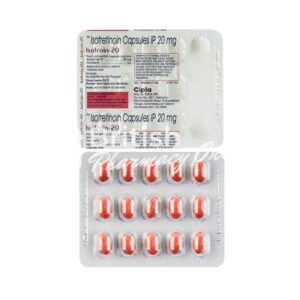
Accutane
from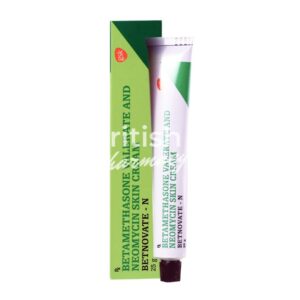
Betnovate
from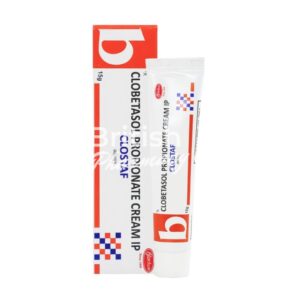
Clobetasol
from
Diprosone
from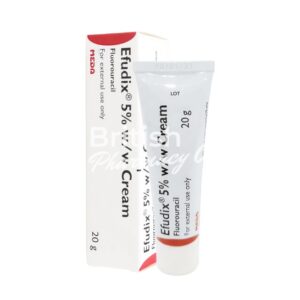
Efudix
from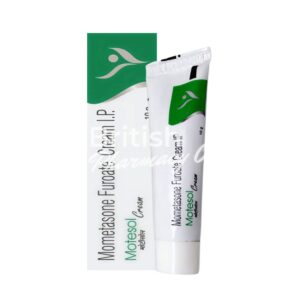
Elocon
from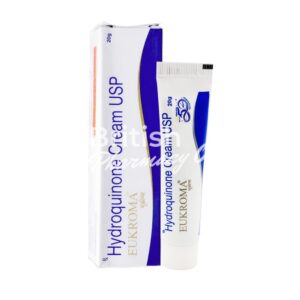
Hydroquinone
from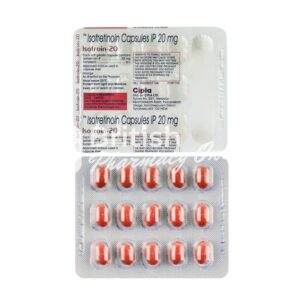
Isotretinoin
from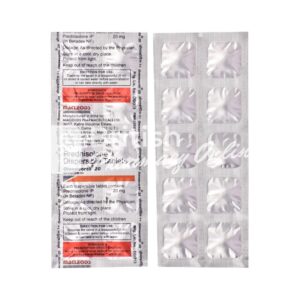
Prednisolone
from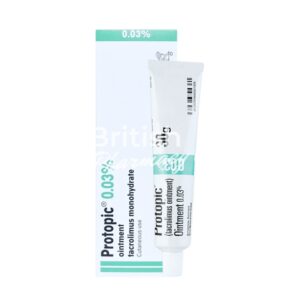
Protopic
from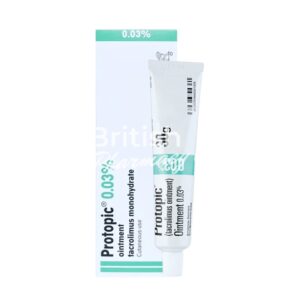
Tacrolimus
from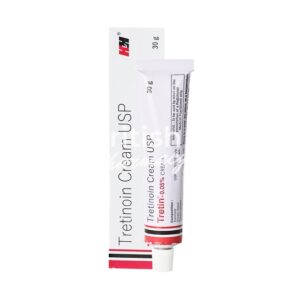
Tretinoin Cream
from
Warticon
fromAcne Treatment
Acne is one of the most common skin conditions affecting people of all ages in the UK. It occurs when hair follicles become clogged with dead skin cells and sebum, leading to the formation of pimples, blackheads, and whiteheads. Acne can appear on the face, chest, back, and shoulders, causing both physical discomfort and emotional distress.
What Acne Treatment is Used For
Acne treatments work by reducing sebum production, promoting skin cell turnover, killing bacteria, and reducing inflammation. Whether you suffer from mild, moderate, or severe acne, there are various treatment options available to help clear your skin and prevent scarring.
Available Medications in the UK
Popular acne treatments available at UK pharmacies include benzoyl peroxide, which kills bacteria and reduces inflammation; salicylic acid, which unclogs pores and exfoliates dead skin; and adapalene, a retinoid that promotes cell turnover. Prescription options include oral antibiotics like doxycycline and minocycline, which reduce bacterial growth and inflammation. For severe cases, isotretinoin (Accutane) is available on prescription but requires careful monitoring.
Additional Information
Most acne treatments take 6-8 weeks to show visible results, so consistency is key. It’s important to use non-comedogenic products and maintain a regular cleansing routine. Always consult with a healthcare professional before starting any acne treatment, especially if you are pregnant or taking other medications.
Anti-Ageing and Wrinkle Reduction
The signs of ageing appear as our skin loses elasticity and collagen production decreases over time. Wrinkles, fine lines, age spots, and loss of firmness are natural parts of growing older, but many people choose to address these concerns with targeted skincare products and treatments. Anti-ageing skincare has become increasingly popular across the UK as people seek ways to maintain a youthful appearance.
What Anti-Ageing Products Are Used For
Anti-ageing products are designed to reduce the appearance of wrinkles, improve skin texture, boost hydration, and restore skin firmness and radiance. These products work by stimulating collagen production, protecting against environmental damage, and providing intensive moisturisation to the deeper layers of the skin.
Available Medications and Products in the UK
Retinol and retinoids are among the most effective anti-ageing ingredients available. Products containing vitamin C help brighten the skin and boost collagen synthesis. Hyaluronic acid is widely used for deep hydration, whilst peptides and niacinamide strengthen skin and improve texture. Prescription-strength retinoids like tretinoin are available through NHS services or private prescriptions. Many UK pharmacies stock popular brands offering anti-ageing serums, creams, and eye treatments.
Additional Information
Sun protection is crucial for anti-ageing skincare, as UV damage accelerates ageing. Daily use of SPF 30 or higher can prevent new wrinkles from forming. Most anti-ageing products require consistent use for at least 4-12 weeks before results become noticeable. Combining multiple products, such as a retinoid with vitamin C serum and moisturiser, often produces better results than using single products alone.
Dry Skin and Eczema Management
Dry skin is a common problem in the UK, particularly during winter months when central heating and cold weather strip moisture from the skin. Eczema, or atopic dermatitis, is a chronic inflammatory condition that causes intense itching, redness, and dry patches. Both conditions require proper management to prevent discomfort and skin damage.
What These Treatments Are Used For
Products for dry skin and eczema provide intense hydration, restore the skin’s protective barrier, reduce inflammation, and relieve itching. These treatments help prevent cracking, bleeding, and secondary infections that can occur with severe dryness.
Available Treatments in the UK
Emollients such as aqueous cream, E45, and Aveeno are recommended as first-line treatments for dry skin and eczema. These work best when applied to damp skin to lock in moisture. Topical corticosteroids like hydrocortisone cream are available over-the-counter for mild cases, whilst stronger prescriptions are needed for moderate to severe eczema. Non-steroid alternatives include tacrolimus and pimecrolimus. Colloidal oatmeal products are also popular for soothing irritated skin.
Additional Information
Avoid harsh soaps and opt for gentle, fragrance-free cleansers instead. Bath and shower temperatures should be lukewarm, as hot water can worsen dryness. Apply moisturisers within three minutes of bathing for maximum effectiveness. Identifying and avoiding triggers, such as certain fabrics or allergens, is essential for managing eczema long-term.
Sensitive Skin Care
Sensitive skin reacts adversely to many products, environmental factors, and irritants, causing redness, burning, stinging, or itching. This condition affects a significant portion of the UK population and requires careful product selection and a gentle skincare routine.
What Sensitive Skin Products Are Used For
Sensitive skin products are formulated to calm irritation, reduce inflammation, strengthen the skin barrier, and protect against further damage. These products use gentle, hypoallergenic ingredients that minimise the risk of adverse reactions.
Available Products and Solutions in the UK
Fragrance-free and hypoallergenic products from brands like La Roche-Posay, CeraVe, and Cetaphil are widely available at UK pharmacies. Look for products containing calming ingredients such as centella asiatica, allantoin, and ceramides. Azelaic acid is beneficial for sensitive skin prone to rosacea or post-inflammatory erythema. Physical sunscreens with zinc oxide or titanium dioxide are gentler than chemical sunscreens for reactive skin types.
Additional Information
When you have sensitive skin, introduce new products slowly, one at a time, to identify potential triggers. Patch testing on a small area before full application is recommended. Keep your skincare routine simple with just a cleanser, moisturiser, and SPF. Ingredients to avoid include:
- Alcohol and essential oils
- Strong fragrances and perfumes
- Harsh chemical exfoliants
- Products with dyes or colourants
Hyperpigmentation and Dark Spots
Hyperpigmentation refers to patches of skin that become darker than the surrounding area due to excess melanin production. Common causes include sun exposure, hormonal changes, inflammation, and age. Dark spots and uneven skin tone are widespread concerns in the UK, particularly amongst people with darker skin tones.
What Hyperpigmentation Treatments Are Used For
These treatments inhibit melanin production, promote skin cell turnover, and reduce the appearance of dark patches and age spots. They help achieve a more even, radiant complexion and prevent new pigmentation issues from developing.
Available Treatments in the UK
Hydroquinone, available on prescription in the UK, is a powerful skin-lightening agent. Vitamin C serums brighten the skin and reduce pigmentation over time. Niacinamide helps regulate melanin production and improves skin texture. Kojic acid and alpha-arbutin are gentler alternatives to hydroquinone. Azelaic acid is particularly effective for post-inflammatory hyperpigmentation and melasma. Chemical peels containing glycolic or salicylic acid are also available through dermatologists and aesthetic clinics.
Additional Information
Sun protection is absolutely critical when treating hyperpigmentation, as UV exposure can worsen the condition. Use SPF 50+ daily, even on cloudy days. Results typically appear after 8-12 weeks of consistent treatment. For stubborn pigmentation issues, professional treatments like laser therapy or microdermabrasion may be recommended by dermatologists.
Oily and Combination Skin
Oily skin results from overproduction of sebum by the skin’s sebaceous glands, leading to a shiny appearance, enlarged pores, and increased susceptibility to acne. Combination skin features both oily and dry areas, typically with an oily T-zone. Managing these skin types requires specific products that balance oil production without over-drying the skin.
What These Products Are Used For
Products for oily and combination skin regulate sebum production, mattify the complexion, unclog pores, and prevent breakouts. These formulations provide necessary hydration whilst maintaining oil control throughout the day.
Available Products in the UK
Mattifying moisturisers with niacinamide and zinc help control excess oil without leaving skin feeling greasy. Oil-free sunscreens and primers designed for oily skin are readily available in UK pharmacies. Clay masks containing kaolin or bentonite absorb excess sebum and can be used weekly. Toner products with salicylic acid help keep pores clear and balanced. Lightweight gel-based serums are ideal for oily skin types needing hydration without heaviness.
Additional Information
Contrary to popular belief, oily skin still requires moisturiser to prevent the skin from overcompensating by producing more oil. Choose oil-free, water-based formulations. Blotting papers and mattifying powders offer quick midday oil control without disrupting makeup. Avoid over-washing the face, as this can trigger increased sebum production. A consistent routine with appropriate products ensures oily and combination skin remains balanced and clear throughout the day.