
Antibiotics

Amoxicillin
from
Amoxil
from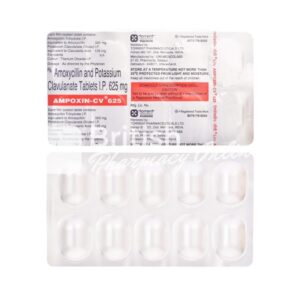
Augmentin
from
Avelox
from
Bactrim
from
Cefalexin
from
Ciprofloxacin
from
Ciproxin
from
Doxycycline
from
Erythromycin
from
Exocin
from
Flagyl
from
Metronidazole
from
Rifampin
from
Suprax
from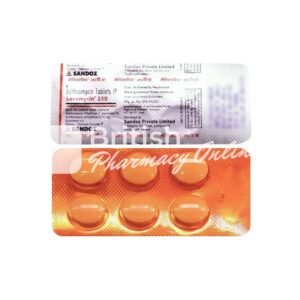
Zithromax
fromWhat Are Antibiotics and How Do They Work?
Antibiotics are powerful medicines designed to fight bacterial infections by either killing bacteria or preventing their growth. They work through various mechanisms, such as disrupting cell wall formation, inhibiting protein synthesis, or interfering with bacterial DNA replication. Understanding how antibiotics function helps patients appreciate why they must complete their full course of treatment, even when symptoms improve. These medications have revolutionised modern medicine since the discovery of penicillin and continue to save countless lives across the United Kingdom every year.
It is important to note that antibiotics are ineffective against viral infections, which is why doctors will not prescribe them for colds or flu. Proper use of antibiotics is essential to maintain their effectiveness for future generations and prevent the development of antibiotic-resistant bacteria.
Common Types of Antibiotics Available in the UK
Penicillins and Beta-Lactams
Penicillin-based antibiotics remain among the most commonly prescribed medications in the United Kingdom. Amoxicillin is widely used for respiratory infections, urinary tract infections, and dental problems. Flucloxacillin is particularly effective against staphylococcal infections. These medications are generally well-tolerated, though some patients may experience allergic reactions. Co-amoxiclav, a combination of amoxicillin and clavulanic acid, provides broader spectrum coverage and is often prescribed when standard penicillins prove insufficient.
Cephalosporins
Cephalosporins represent another important class of antibiotics available throughout UK pharmacies. Cephalexin is frequently prescribed for skin infections and respiratory tract infections. These medicines are chemically related to penicillins but offer an alternative for patients with certain allergies. They are generally considered safe and effective for a wide range of bacterial infections.
Macrolides
Azithromycin and erythromycin are macrolide antibiotics commonly prescribed in the UK. Azithromycin is popular for treating respiratory infections, including bronchitis and pneumonia, as well as certain sexually transmitted infections. These antibiotics work well for patients who cannot tolerate penicillins and offer convenient dosing schedules in many cases.
Fluoroquinolones
Ciprofloxacin is a widely available fluoroquinolone antibiotic in the United Kingdom, used for urinary tract infections and gastrointestinal infections. Levofloxacin offers similar benefits for respiratory infections. These broad-spectrum antibiotics are reserved for certain infections where other options have failed or are unsuitable.
Conditions Treated with Antibiotics
Respiratory Infections
Antibiotics effectively treat bacterial respiratory infections such as pneumonia, bronchitis, and sinusitis. Common prescriptions include amoxicillin, azithromycin, and cephalexin. These infections can range from mild to severe, requiring different antibiotic strengths and durations. Upper respiratory tract infections caused by bacteria respond well to appropriate antibiotic therapy, though many upper respiratory infections are viral and do not require antibiotics.
Urinary Tract Infections
Trimethoprim and nitrofurantoin are commonly prescribed antibiotics for urinary tract infections in the UK. These medications concentrate in the urinary system, making them particularly effective for bladder and kidney infections. Many patients experience rapid symptom relief within 24 to 48 hours of starting treatment.
Skin and Soft Tissue Infections
Bacterial skin infections, including impetigo, cellulitis, and infected wounds, are frequently treated with antibiotics such as flucloxacillin or cephalexin. These infections require prompt antibiotic treatment to prevent complications and spread. Topical antibiotics are also available for minor skin infections.
Ear, Nose, and Throat Infections
Otitis media, tonsillitis, and other throat infections often respond well to antibiotic treatment. Amoxicillin remains a first-line choice for many of these conditions. Dental infections and abscesses also commonly require antibiotic therapy to resolve.
How to Use Antibiotics Safely and Effectively
Taking antibiotics correctly is crucial for successful treatment and preventing antibiotic resistance. Always complete the full course of antibiotics exactly as prescribed by your doctor or pharmacist, regardless of whether symptoms disappear earlier. Take doses at regular intervals to maintain adequate medication levels in your body.
To ensure safe and effective use of antibiotics, follow these essential guidelines:
- Take doses at regular intervals as prescribed to maintain adequate medication levels
- Some antibiotics must be taken with food, whilst others require an empty stomach for optimal absorption
- Never share antibiotics with family members or friends, even if their symptoms seem similar
- Store antibiotics according to package instructions, typically at room temperature away from moisture and excessive heat
- Always inform your healthcare provider about any allergies or previous adverse reactions to antibiotics before starting new treatment
- Complete the full course even if you feel better
Potential Side Effects and Precautions
Most people tolerate antibiotics well, but side effects can occur. Common mild side effects include nausea, diarrhoea, and stomach upset. Taking antibiotics with food or a probiotic may help manage digestive symptoms. Allergic reactions, ranging from mild rashes to severe anaphylaxis, can occur, particularly with penicillin-based antibiotics.
Some antibiotics may interact with other medications, including contraceptive pills, blood thinners, and certain supplements. Photosensitivity is a concern with some antibiotics, requiring sun protection during treatment. Pregnant women and those breastfeeding should discuss antibiotic use with their healthcare provider, as some antibiotics are not suitable during pregnancy or lactation. Report any severe side effects, including difficulty breathing, persistent diarrhoea, or rash, to your GP immediately.
Antibiotic Resistance and Responsible Use
Antibiotic resistance develops when bacteria adapt to survive antibiotic treatment, making infections increasingly difficult to treat. The UK’s National Health Service actively campaigns for responsible antibiotic use to combat this growing threat. Using antibiotics only when genuinely prescribed by a healthcare professional helps preserve their effectiveness. Never request antibiotics for viral infections or minor ailments unlikely to benefit from antibiotic treatment.
Completing full courses prevents resistant bacteria from surviving and reproducing. Proper disposal of unused antibiotics is equally important; never flush medications or dispose of them in household rubbish. By using antibiotics responsibly, each patient contributes to maintaining these vital medicines’ effectiveness for future generations across the United Kingdom.