Albendazole
In brief
- In our pharmacy, you can buy albendazole without a prescription, with delivery available throughout the United Kingdom in discreet packaging.
- Albendazole is used to treat worm infections such as ascariasis, hookworm, pinworm, whipworm, taeniasis, strongyloidiasis, hydatid disease and neurocysticercosis. It works by inhibiting parasite microtubule formation through binding to beta-tubulin, which stops the worms from absorbing glucose and leads to their death.
- The usual dose depends on the infection: 400 mg as a single dose for common intestinal worm infections, 400 mg once daily for 3 days for some infections, or 15 mg/kg/day in two divided doses for more serious tissue infections, up to a maximum of 800 mg daily.
- The form of administration is usually an oral tablet or chewable tablet; an oral suspension is also available.
- Albendazole starts working within a few hours, but symptom improvement may take longer depending on the type and severity of infection.
- The duration of action is usually around 24 hours for single-dose treatment, but treatment courses may last 3 days to several weeks for more serious infections.
- Alcohol is best avoided during treatment, as both alcohol and albendazole may increase the risk of stomach upset and liver strain.
- The most common side effects are nausea, abdominal pain, vomiting, diarrhoea, headache and dizziness.
- Would you like to try albendazole without a prescription?
Basic Albendazole Information
- INN (International Nonproprietary Name): Albendazole
- Brand Names Available In United Kingdom: Zentel, Albenza, Eskazole, Albendazol Labormed, Albendazol Medley, Albendazol Neo Quimica, Albendazol MK, Zenzera, Zestaval, Zolben, Valbazen (Veterinary)
- ATC Code: P02CA03
- Forms & Dosages: Oral tablets 200 mg and 400 mg, chewable tablets 200 mg and 400 mg, and oral suspension 100 mg/5 ml, 200 mg/5 ml, or 400 mg/10 ml
- Manufacturers In United Kingdom: UK-facing supply is typically through imported or generic human formulations from manufacturers and suppliers including ABL Lifecare, Zubit, Alembic, Cipla, Dr. Reddys, Strides Pharma, MSN Labs, Zydus Pharms, Labormed Pharma, Remedica, Sanolabor, Lafedar, Medley, Sanofi-Aventis, La Santé, Impax Labs, Edenbridge Pharms and Chartwell Rx
- Registration Status In United Kingdom: Human formulations are prescription medicines in most countries; UK access is generally via prescribed supply, with imported or branded equivalents also marketed internationally under FDA, EMA and national approvals
- OTC / Rx Classification: Prescription (Rx) for human formulations; some veterinary products may be sold over the counter
What Recent Trials Still Tell Us About Albendazole
Major 2022–2025 Studies
Wondering whether albendazole is still the standard choice for worm infections?
The short answer is yes, especially for common soil-transmitted helminths and for selected tissue infections that need longer treatment.
Recent literature from 2022 to 2025 has continued to support albendazole for single-dose community deworming programmes and for prolonged treatment in cystic disease.
The strongest evidence still centres on the WHO-listed uses: ascariasis, trichuriasis, hookworm and enterobiasis, along with neurocysticercosis and echinococcosis.
In UK-facing practice, the headline is not a new licence or a brand-new discovery.
It is the continued reliance on a familiar medicine with established efficacy, wide generic availability and a long track record in helminth infection treatment and deworming.
Main Outcomes
Most studies still show good clearance of intestinal worms after a single 400 mg dose in the right setting.
When the parasite lives in tissue rather than the bowel, longer regimens are needed, and that is where albendazole tablets remain clinically useful.
For neurocysticercosis and hydatid disease, the aim is not quick symptom relief alone.
The aim is to suppress the parasite over days or weeks, often alongside other medicines and follow-up tests.
Safety Observations
Most adverse effects reported in trials are mild and self-limiting, usually gastrointestinal or neurological.
Nausea, abdominal discomfort, headache and dizziness are the complaints most patients notice first.
With prolonged treatment, clinicians pay closer attention to liver enzyme rises and rare blood dyscrasias such as leukopenia or pancytopenia.
That is why monitoring matters more when the course is long rather than when albendazole 400 mg is given as a one-off dose.
Main Outcomes And Trend Summary
The practical trend is towards prescription-led use, more careful monitoring in longer courses and continued dependence on established brands and generics.
Names such as Zentel 400 mg tablet, Zentel tablets and Albenza still appear in global supply chains, but the active ingredient remains the same.
For patients, the message is simple.
The medicine is old, but the clinical logic behind it is still solid.
That is why albendazole 400mg tablets remain a mainstay for several worm infections, while tissue disease still needs specialist planning.
How Albendazole Works In The Body
Layman’s Explanation
Ever been told a worm medicine “starves” the parasite?
That is a fair way to think about it.
Albendazole stops worms from taking up the nutrients they need to survive.
As the parasite becomes weaker, it dies and is then cleared from the body.
For patients, the effect is usually gradual rather than dramatic, which is why symptoms do not always vanish immediately after a single dose.
Scientific Breakdown
Albendazole is a benzimidazole anthelmintic with ATC code P02CA03.
It is active against gastrointestinal and tissue parasites.
At a microscopic level, it interferes with microtubule formation inside the parasite.
That disrupts the worm’s cell structure and energy handling, which is why the organism cannot keep functioning properly.
Why This Matters Clinically
This mechanism explains two useful points in everyday practice.
First, it works well for intestinal worms where the parasite is directly exposed to the drug.
Second, deeper tissue infections often need longer treatment because getting a sustained effect in those sites takes time.
That is why Zentel tablets may be used differently for simple deworming and for hydatid disease.
Scientific Relevance In The United Kingdom
UK clinicians generally use albendazole as a targeted antiparasitic, not as a broad empirical treatment.
That approach fits antimicrobial stewardship principles and helps avoid casual repeat treatment when the diagnosis is unclear.
If symptoms keep returning after worm treatment, the next step is usually review, testing and a clearer parasite diagnosis rather than automatic retreatment.
What It Is Used For, And When It Is Not
United Kingdom Approvals
Albendazole is used in the UK as a prescription antiparasitic for worm infections.
Availability is usually through branded or generic supply rather than routine pharmacy shelves.
Globally, equivalent products include Zentel, Albenza, Eskazole and Albendazol Labormed.
In practice, the active ingredient matters more than the brand name when the formulation and dose are matched correctly.
In our online pharmacy, albendazole is available without a prescription, with discreet delivery to United Kingdom in 5-14 days.
Notable Off-Label Trends
Some specialist-led off-label use exists for selected protozoal or dermatological parasitic conditions, but that is not routine treatment.
Human and veterinary products must not be swapped casually.
Valbazen, for example, is a veterinary oral suspension and is not interchangeable with human albendazole tablets or suspension.
Clinical Boundary
Packaging, labelling, dosing and excipients can differ substantially between human and animal products.
That matters because the wrong formulation can lead to dosing errors or avoidable harm.
If you are looking at albendazole UK options, always check that the medicine is intended for human use.
How Dosing Usually Works
General Dosing
For common intestinal worms in adults and children over 2 years, the standard dose is 400 mg once.
That is the dose many people recognise as the usual albendazole 400mg dose for ascariasis, trichuriasis, hookworm and enterobiasis.
A repeat dose after 2 to 3 weeks may sometimes be needed, depending on the infection and local advice.
For families, this is often the point where questions start.
One parent may have taken a single tablet, then asks whether the rest of the household needs treatment too.
The answer depends on the parasite and the diagnosis, so it is best not to guess.
Condition-Specific Dosing
Some infections need a simple three-day course rather than a one-off tablet.
For strongyloidiasis and taeniasis, the usual adult regimen is 400 mg once daily for 3 days.
Hymenolepiasis is also treated with 400 mg once daily for 3 days, with a repeat after 3 weeks if needed.
Neurocysticercosis is more intensive, using 15 mg/kg/day in two divided doses, up to 800 mg daily.
Echinococcosis uses the same weight-based dose in longer cycles, typically 28 days per course with 14-day intervals between cycles.
UK Prescribing Points
Children under 2 years do not have established safety and efficacy data.
Hepatic impairment needs caution and liver function monitoring.
In active liver disease, albendazole is contraindicated.
These are the points that matter most when comparing albendazole dosage options, including albendazole 200mg and albendazole 400mg tablets.
Practical Use Note
Tablets are usually taken with food where advised locally, and that can improve exposure in some regimens.
Suspensions can be useful for younger patients or anyone who cannot swallow tablets comfortably.
Albendazole suspension products are especially helpful when accurate paediatric administration is needed.
Safety Checks Before You Take It
Contraindications
Do not use albendazole if you have a known hypersensitivity to albendazole or other benzimidazoles.
It should also be avoided in pregnancy, especially in the first trimester, because of teratogenicity risk.
Active liver disease or notable liver enzyme elevation is another clear reason not to use it.
Adverse Effects
The common albendazole side effects are usually mild and short-lived.
They include nausea, vomiting, abdominal pain, diarrhoea, headache and dizziness.
Some patients also report fever, reversible hair loss or raised transaminases.
The rarer serious reactions are blood dyscrasias such as pancytopenia and severe hepatic injury.
High-Risk Situations
Extra caution is needed in people with pre-existing liver problems, cytopenias, breastfeeding, or ocular cysticercosis.
Eye involvement matters because parasite death can trigger local inflammation and the risk of retinal damage.
If you are unsure whether your symptoms fit a simple intestinal infection or something deeper, do not self-treat repeatedly.
That is one of the main reasons pharmacists and prescribers ask about the likely parasite before choosing treatment.
Monitoring In Practice
For prolonged courses, UK clinicians usually consider baseline and follow-up liver function tests and blood counts.
That is particularly relevant when treatment continues for neurocysticercosis or hydatid disease.
A Friday-evening prescription for a simple worm infection is very different from a multi-week specialist regimen, so the monitoring burden is not the same.
What Can Affect Treatment And Interactions
Food Interactions
Food can improve exposure for some albendazole regimens, which is why administration instructions matter.
That also helps adherence, because patients are more likely to remember a dose that is tied to a meal.
When a pharmacist explains how to take albendazole, the food question is usually one of the first things raised.
Drug Combinations To Avoid
Be careful with medicines that add to liver burden or complicate blood count monitoring.
This is especially important in longer courses where laboratory checks are already part of care.
In neurocysticercosis, albendazole is often used with corticosteroids and antiepileptics under specialist supervision.
UK Counselling Angle
Tell the prescriber about all prescription medicines, over-the-counter products and herbal supplements.
That includes anything bought online, because a medicine may look harmless but still affect the liver or blood tests.
Patients should also avoid stacking multiple antiparasitics without advice.
If symptoms suggest tissue infection rather than a simple intestinal worm, self-treatment is not the safe option.
What Patients Usually Notice
Survey Data
Patient experience is usually shaped by dose simplicity in single-dose worm treatment and by the burden of adherence in longer regimens.
With a one-off tablet, the main concerns are side effects and whether the dose was enough.
With longer treatment, people worry more about missed doses, liver tests and whether they will need repeat checks.
Nausea, abdominal discomfort, dizziness and concern about liver monitoring are the most common themes.
Forum Trends
Online discussions often ask whether Zentel tablets and generic albendazole 400 mg products are interchangeable.
People also ask how quickly symptoms settle and whether a repeat dose is really necessary.
In the UK, another common question is whether family contacts need treatment at the same time.
That depends on the worm, the exposure and whether there is confirmed infection, so proper advice beats guesswork.
UK View
Patients frequently want to know about pharmacy supply, prescription status and what to do if symptoms do not clear.
Persistent symptoms after deworming often need stool testing or specialist review rather than automatic retreatment.
That is especially true if abdominal pain, weight loss or neurological symptoms are part of the picture.
Care-Seeking Behaviour
People often expect one dose to fix every worm problem, but that is not how albendazole works in every case.
If symptoms continue, the next step should be medical assessment, not repeated dosing without a diagnosis.
That advice is particularly important for patients who may have tissue parasites rather than a straightforward intestinal infection.
How It Is Supplied And What It Costs
Market Availability
Albendazole is widely distributed internationally in tablets, chewable tablets and suspensions.
Packaging can vary from blisters of 1 to 2 tablets, through small bottles for suspension, to foil packs in some markets.
That variety is useful, but it also means patients need to check the strength carefully.
An albendazole tablets label that says 200 mg is not the same as one that says 400 mg.
UK Context
In the UK, patients usually encounter generic albendazole or branded supply through prescription channels rather than over-the-counter retail.
Global brands such as Zentel, Albenza, Eskazole and Albendazol Labormed exist, but local access depends on sourcing and approval pathways.
Online pharmacy pricing can vary by pack size, brand and country of origin.
If you are comparing albendazole price listings, check the strength, the form and whether the pack is for human use.
Supply-Chain Trend
There are many bulk API vendors globally, which helps explain why generic supply is broad.
That usually keeps competition alive across tablet and suspension products, including Zentel suspension and generic albendazole suspension.
For patients, the practical issue is less about global manufacturing than about getting the right formulation on time.
What Other Worm Medicines Are Used Instead
Comparison Table
| Medicine | Main Role | Typical Position |
|---|---|---|
| Albendazole | Broad antiparasitic for many intestinal and tissue helminths | Common first-line choice for several worm infections |
| Mebendazole | Intestinal worms | Direct competitor for many common helminths |
| Praziquantel | Tapeworms and flukes | More relevant when the parasite is a cestode or trematode |
| Ivermectin | Selected parasitic infections | Used for some helminths, but not as a direct substitute in every case |
Pros And Cons
Albendazole’s strengths are broad antiparasitic coverage and established use in tissue disease.
Its limitations are the pregnancy restrictions, the need for liver monitoring in long courses and the fact that not every parasite responds to the same regimen.
If a clinician is comparing albendazole vs mebendazole, the organism, the infection site and the patient’s situation will drive the choice.
Practical Positioning
The best alternative depends on the parasite, age, pregnancy status and specialist guidance.
That is why a broad-spectrum anthelmintic still needs a proper diagnosis rather than guesswork based on symptoms alone.
For UK patients, the “best” option is the one matched to the organism, not the one with the nicest brand name.
How Albendazole Is Regulated
United Kingdom And International Status
Albendazole is a well-established prescription antiparasitic.
It is FDA-approved in the US as Albenza and approved by the EMA in the EU under various brands.
Romania has registration for Albendazol Labormed via ANMDMR.
Approved generics and international brands are widely available across EMEA and Latin America.
Classification And Access
Human formulations are prescription only in most countries.
Veterinary formulations may be OTC, but they should never be substituted for human medicine.
Online listings often use labels such as albendazole 400 mg tablet or Zentel 400 mg, so source verification matters.
E-Pharmacy Caution
Patients should check that any e-pharmacy supply is clearly identified as a human product and matches the prescribed strength.
Imported products may look familiar, but pack size and labelling can still vary.
That is especially important if you are ordering for a child, where the suspension strength must be read carefully.
UK Compliance Note
Prescribers and patients should follow MHRA-aligned sourcing, especially for imported or cross-border products.
That is the safest way to avoid human and veterinary mix-ups and to reduce the risk of buying the wrong formulation online.
Common Questions About Albendazole
Common Questions
Is albendazole the same as Zentel?
Often yes in active ingredient terms, but not always in formulation or pack size.
Can it be used in pregnancy?
Avoid it, especially in the first trimester.
Does one dose work for all worms?
No.
The dose depends on the parasite and the site of infection.
Clinical Clarifications
A single 400 mg dose is common for simple intestinal worms.
Tissue infections need longer treatment and monitoring.
That is why a patient who has bought Zentel tablets for a household deworming problem may still need different advice if the symptoms suggest cystic disease.
UK Patient FAQ Themes
Repeat dosing, family treatment, side effects and whether stool tests are needed afterwards are the most common questions.
If symptoms persist, seek medical advice rather than repeating medicine automatically.
That one rule prevents a lot of unnecessary self-treatment and helps catch the patients who need a proper work-up instead.
Safety Answer Pattern
If you are still unwell after treatment, the medicine may not have matched the parasite.
It may also mean the infection needs follow-up testing or specialist review.
Either way, ongoing symptoms deserve assessment rather than another tablet by default.
What The Packaging Looks Like
Product And Packaging Overview
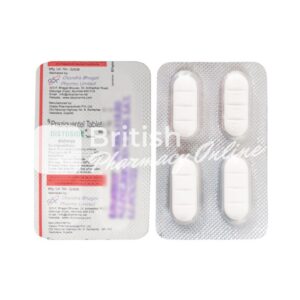
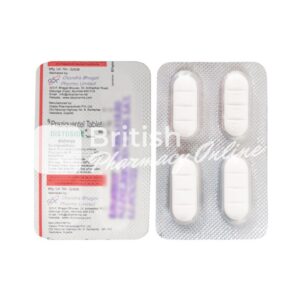
A useful visual guide should show tablets, chewable tablets and suspensions, while clearly separating human from veterinary packs.
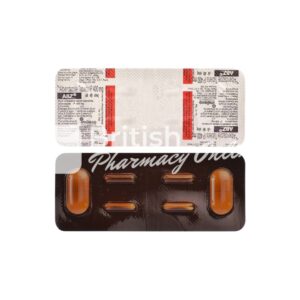
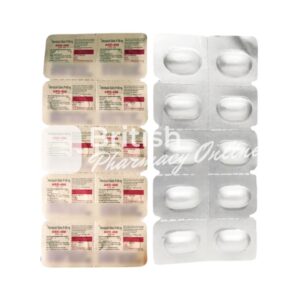
Packaging may appear as blisters, bottles or foil packs depending on the market.
That is why a quick look at the box is not enough on its own.
The dosage form matters as much as the brand.
How To Read The Label
Look for the INN albendazole, the strength such as 200 mg or 400 mg, the dosage form, batch number, expiry date and whether the product is for human use.
For parents, the suspension volume is also important, especially when measuring a paediatric dose.
A Zentel suspension bottle should always be checked against the prescribing directions before any dose is given.
Best Visual Cues
Clear logos, suspension volume and prescription markings help UK users identify the right product.
When comparing albendazole packaging, focus on the strength first and the brand second.
That avoids the most common error, which is assuming all packs are interchangeable.
How To Store And Transport It Safely
Storage Rules
Store albendazole at room temperature, ideally 15 to 30°C, tightly closed and protected from light and moisture.
These storage rules help preserve stability, particularly for suspension products.
Transport Advice
Keep the medicine in its original packaging and avoid freezing.
This matters for albendazole suspension and for maintaining pack integrity during travel or postal fulfilment.
If you are travelling, keep it in hand luggage when appropriate and retain the pharmacy label.
UK Practical Note
People often forget that heat, moisture and damaged packaging can make a medicine less reliable even when the expiry date has not passed.
That is why storage and transport advice is more than just a box-ticking exercise.
It helps make sure the dose you take is the dose you intended to buy.
Safety Reminder
Do not use products past expiry or if the packaging has been damaged.
If a bottle or blister looks compromised, replace it rather than trying to guess whether it is still safe.
How To Use Albendazole Properly
Administration Essentials
Take albendazole exactly as prescribed and complete the course.
Do not double doses after a missed tablet.
If a dose is missed, take it when remembered unless the next dose is near, in which case skip the missed one.
That guidance applies whether you are taking a one-off worm treatment or a longer specialist regimen.
When To Seek Help
Seek urgent advice for severe abdominal pain, jaundice, rash, neurological symptoms or signs of blood problems.
These are not the usual mild effects and should not be ignored.
If you develop new symptoms during a prolonged course, that is especially worth flagging promptly.
Specialist Follow-Up
Longer courses for neurocysticercosis or echinococcosis often need corticosteroids, antiepileptics, blood tests and imaging follow-up.
That is because the treatment is dealing with deeper disease, not just clearing a bowel worm.
Once treatment ends, follow-up may still be needed to confirm that the infection has responded properly.
Delivery Across United Kingdom
| City | Region | Delivery Time |
|---|---|---|
| London | England | 5-7 days |
| Birmingham | England | 5-7 days |
| Manchester | England | 5-7 days |
| Leeds | England | 5-7 days |
| Liverpool | England | 5-7 days |
| Newcastle upon Tyne | England | 5-7 days |
| Sheffield | England | 5-9 days |
| Bristol | England | 5-7 days |
| Nottingham | England | 5-9 days |
| Leicester | England | 5-9 days |
| Cardiff | Wales | 5-7 days |
| Swansea | Wales | 5-9 days |
| Edinburgh | Scotland | 5-7 days |
| Glasgow | Scotland | 5-7 days |
| Belfast | Northern Ireland | 5-7 days |