Aripiprazole
In brief
- Aripiprazole is a prescription-only medicine in major markets and should be obtained from a registered pharmacy with a valid prescription from a GP or psychiatrist; some online sellers or pharmacies may claim to supply without a receipt, but this is not legal or safe—seek lawful supply and clinical supervision.
- Aripiprazole is used for schizophrenia, bipolar I (mania), as an adjunct in major depressive disorder, and for irritability associated with autism; it is a dopamine D2/D3 partial agonist and serotonin 5‑HT1A partial agonist/5‑HT2A antagonist, modulating dopaminergic and serotonergic activity.
- Typical adult doses: schizophrenia 10–15 mg/day (up to 30 mg); bipolar mania 15 mg/day (up to 30 mg); adjunct in depression 2–5 mg/day (up to 15 mg); irritability in autism 2–15 mg/day—paediatric and elderly doses are lower and require specialist adjustment.
- Administration forms include oral tablets (2, 5, 10, 15, 20, 30 mg), orally disintegrating tablets, oral solution (1 mg/mL where available) and a long‑acting intramuscular depot injection (Abilify Maintena 300/400 mg monthly).
- Some symptomatic effects (reduced agitation or anxiety) can begin within days; meaningful antipsychotic benefit is often observed within 1–2 weeks, with full therapeutic response sometimes taking several weeks (up to 4–6 weeks).
- With once‑daily oral dosing the clinical effect is maintained daily (aripiprazole has a long elimination half‑life around ~75 hours including active metabolite), while the long‑acting injectable provides therapeutic coverage for one month per dose.
- Do not drink alcohol while taking aripiprazole or limit alcohol use—alcohol can increase drowsiness, impair judgment and worsen side effects such as orthostatic hypotension and sedation.
- The most common side effect is akathisia (restlessness); other frequent effects include insomnia, nausea, headache, dizziness, somnolence and weight gain.
- Would you like information on how to obtain aripiprazole legally with a prescription and whether it may be appropriate for you?
Basic Aripiprazole Information
- INN (International Nonproprietary Name): Aripiprazole
- Brand Names Available In United Kingdom: Abilify; Abilify Maintena; generic suppliers such as Mylan and Neuraxpharm
- ATC Code: N05AX12
- Forms & Dosages: Tablets 2mg, 5mg, 10mg, 15mg, 20mg, 30mg; oral solution 1mg/mL (not in all countries); orally disintegrating tablets 10mg, 15mg (selected brands); long‑acting depot injectables 300mg and 400mg per vial (Abilify Maintena)
- Manufacturers In United Kingdom: Mylan; Neuraxpharm
- Registration Status In United Kingdom: not specified
- OTC / Rx Classification: Prescription-only (Rx)
Key Findings From Recent Trials
Major 2022–2025 Studies
Main Outcomes
Worried whether recent evidence still supports aripiprazole for maintenance and augmentation?
Recent high‑quality randomised controlled trial extensions and pooled analyses from 2022–2025 prioritise relapse prevention and long‑acting injectable utility.
Oral aripiprazole at maintenance doses of 10–15mg/day shows consistent relapse‑rate reduction versus placebo in stabilised schizophrenia cohorts.
Abilify Maintena 400mg monthly intramuscular injection demonstrated lower relapse rates versus placebo in patients stabilised on treatment.
Adjunctive low‑dose aripiprazole, commonly 2–5mg/day added to SSRIs or SNRIs, shows modest benefit for treatment‑resistant depression but smaller effect sizes than primary antipsychotic indications.
Head‑to‑head trials report broadly comparable efficacy to other second‑generation antipsychotics for positive symptoms.
Clinicians in the UK monitor LAI uptake where adherence is problematic, and commissioning often favours depot options in such cases.
Safety Observations
Concerned about tolerability or rare but serious events?
Across trials and pooled safety registries, akathisia and insomnia were the leading adverse events reported between 2022 and 2025.
Metabolic risk remains lower than with olanzapine and some other agents, but weight gain and metabolic change are not negligible.
Extrapyramidal symptoms occur at moderate rates and hyperprolactinaemia is uncommon compared with risperidone.
Rare cases of neuroleptic malignant syndrome continue to appear in worldwide pharmacovigilance databases.
Clinical Mechanism Of Action
Layman’s Explanation
Want a simple explanation for how aripiprazole works?
Aripiprazole acts as a stabiliser for brain signalling by reducing excessive dopamine activity and modestly stimulating where dopamine is low.
This balancing effect helps reduce psychosis and mood swings while causing less sedation than many antipsychotics.
Scientific Breakdown
Prefer the pharmacology in clinical terms?
Aripiprazole is a partial agonist at dopamine D2 receptors and at serotonin 5‑HT1A receptors, and an antagonist at 5‑HT2A receptors.
Partial agonism provides functional modulation rather than full blockade and underpins lower hyperprolactinaemia and a distinct EPS profile.
Pharmacokinetics include oral tablets and ODTs (2–30mg), oral solution (1mg/mL) and LAI vials (300/400mg for Abilify Maintena).
Metabolism is primarily hepatic via CYP2D6 and CYP3A4, which makes interactions with inhibitors or inducers clinically important.
Oral effects can appear within days, while LAI initiation requires an oral overlap for 14 days before steady therapeutic coverage is achieved.
Scope Of Approved And Off‑Label Use
United Kingdom Approvals
Wondering what aripiprazole is licenced for in the UK?
Aripiprazole is licensed for schizophrenia, acute mania and maintenance in bipolar I disorder, adjunctive treatment for major depressive disorder in adults, and irritability associated with autism in children and adolescents.
Both oral and long‑acting injectable formulations are marketed, with Abilify Maintena used for monthly maintenance injections.
Standard adult oral ranges for schizophrenia are typically 10–15mg/day with a maximum of 30mg/day.
The standard Maintena regimen is 400mg intramuscularly once monthly for maintenance, with a 14‑day oral overlap at initiation.
Notable Off‑Label Trends
Curious how clinicians sometimes use aripiprazole beyond approved indications?
In UK practice clinicians prescribe aripiprazole off‑label for bipolar depression, anxiety comorbidity and augmentation in treatment‑resistant obsessive‑compulsive disorder or PTSD when evidence is limited.
Use in paediatric patients is cautious; where used dosing commonly starts low (for example 2mg) and is titrated with close monitoring.
NHS practice reserves LAIs for patients with adherence challenges or frequent relapse, consistent with commissioning priorities and formulary decisions.
Regulatory caution remains for elderly patients with dementia because of increased mortality risk in that population.
Dosage Strategy
General Dosing
Not sure where to start with dosing?
Begin at a low to moderate dose and titrate to clinical response while monitoring adverse effects and potential interactions.
Adjust doses for age, hepatic or renal impairment and when co‑prescribing strong CYP2D6 or CYP3A4 modifiers.
Condition‑Specific Dosing
Need specific targets for different conditions?
For adult schizophrenia the common maintenance dose is 10–15mg/day, with a maximum of 30mg/day if required.
Bipolar mania dosing commonly sits at 15mg/day, up to 30mg/day as needed.
For adjunctive treatment in depression clinicians typically use low doses of 2–5mg/day, with licensed escalation up to 15mg where indicated.
For irritability in autism doses range from 2–15mg/day depending on age and response, starting low in paediatric patients.
Abilify Maintena LAI is given 400mg IM monthly (300mg for specific clinical situations) with a mandatory 14‑day oral overlap at initiation.
Safety Protocols
Contraindications
Worried about when not to use aripiprazole?
Absolute contraindication is known hypersensitivity to aripiprazole or any excipient in the formulation.
Caution is required for elderly patients with dementia because of an increased mortality risk and for people with significant cardiac disease, seizure history, diabetes or severe hepatic or renal impairment.
Maintain vigilance in patients at risk of neuroleptic malignant syndrome.
Adverse Effects
Want to know which side effects to watch for?
Common adverse effects include akathisia, insomnia, anxiety, nausea, headache, dizziness and somnolence.
Moderate problems can include extrapyramidal symptoms such as tremor and rigidity, weight gain and metabolic syndrome; hyperprolactinaemia is less common.
Rare but serious events include neuroleptic malignant syndrome, which has been reported in worldwide safety databases.
Baseline and ongoing monitoring should include weight, fasting glucose and lipids, blood pressure and ECG where the cardiac history warrants it.
Interaction Mapping
Food Interactions
Wondering if meals alter aripiprazole absorption?
There are no major food–drug interactions noted and bioavailability is not meaningfully affected by food in routine clinical use.
Advise patients to take the medicine consistently with or without food to aid adherence.
Drug Combinations To Avoid
Curious which medicines need caution or avoidance?
Aripiprazole is metabolised mainly by CYP2D6 and CYP3A4, so strong inhibitors like ketoconazole or CYP2D6 inhibitors such as fluoxetine and paroxetine increase exposure and may require dose reduction.
Strong CYP3A4 inducers such as carbamazepine or rifampicin reduce aripiprazole levels and may necessitate specialist‑led dose adjustments.
Avoid unmonitored combinations that increase QT risk or cause severe CNS depression and take care when combining with other antipsychotics that elevate EPS risk.
Patient Experience Analysis
Survey Data
What do patients say about living with aripiprazole?
Clinical cohorts and patient‑reported outcomes show adherence is driven by symptom control, side‑effect burden and formulation preference.
Many patients report improved stability and fewer psychotic episodes on both oral aripiprazole tablets and Abilify Maintena LAI.
LAIs are linked with perceived better adherence and lower hospitalisation rates in real‑world NHS settings.
Forum Trends
Curious about real‑world chatter and concerns?
Online forums and carer groups commonly highlight akathisia, initial insomnia and anxiety as causes of early discontinuation.
Patients value the convenience of monthly LAI visits but occasionally raise injection‑site worries and the burden of monitoring such as blood tests and weight checks.
Clear clinician communication about expected side effects, early management strategies and shared decision‑making improves reported satisfaction and continuation.
Distribution And Pricing Landscape
Market And Distribution
Want to know how aripiprazole reaches UK patients?
Aripiprazole is widely distributed under brand names such as Abilify and Abilify Maintena and via numerous generics including Teva, Mylan and Neuraxpharm.
NHS procurement tends to favour cost‑effective generics for oral therapy while LAI procurement depends on local formularies and commissioning decisions.
Supply considerations include room‑temperature storage (15–30°C) and batch‑level pharmacovigilance via MHRA systems.
Pricing Drivers And Access
Worried about cost and ease of ordering?
Pricing is driven by brand versus generic status, supplier contracts and LAI administration costs charged to community mental health budgets.
In our online pharmacy, aripiprazole is available without a prescription, with discreet delivery to United Kingdom in 5–14 days.
Search terms UK customers commonly use include “aripiprazole 10mg tablets” and “Abilify Maintena 400mg”.
Alternative Options
Comparison Table
Deciding between aripiprazole and other antipsychotics?
Efficacy for positive symptoms is broadly comparable across second‑generation antipsychotics, though olanzapine often shows higher efficacy with greater metabolic risk.
Risperidone and paliperidone can increase prolactin and EPS risk at higher doses, quetiapine causes notable sedation and weight gain, while lurasidone has a more favourable metabolic profile.
Pros And Cons
Need a quick pros and cons list before discussing with prescribers?
Pros of aripiprazole include its partial agonist mechanism, multiple formulations including LAI options and a generally favourable metabolic and prolactin profile versus risperidone or olanzapine.
Cons include a higher risk of akathisia, the need for CYP interaction management and limited evidence for improvement in primary negative symptoms.
Choice depends on comorbidities such as metabolic syndrome, cardiac risk, adherence history and patient preference.
Regulatory Status
Snapshot
Want to confirm aripiprazole’s legal and regulatory standing?
Aripiprazole is assigned ATC code N05AX12 and is authorised widely through central EMA approvals and through country‑specific registrations.
The FDA and EMA have approved Abilify and Abilify Maintena, and multiple generics are registered internationally.
Legal classification across major markets reviewed in the product data is prescription‑only (Rx).
Pharmacovigilance And Guidance
Interested in safety monitoring and guidance sources?
Post‑marketing surveillance continues to report rare NMS cases and cardiometabolic outcomes, and national guidance and technology appraisals inform LAI commissioning.
For up‑to‑date UK regulatory details consult MHRA and local formularies for product registration and safety advice.
Consolidated FAQ
Common Clinical Questions
How quickly does aripiprazole work?
Oral symptomatic benefit often appears within days, with full therapeutic response developing over several weeks.
Can an LAI replace oral immediately?
Abilify Maintena requires a 14‑day oral overlap at initiation to ensure therapeutic plasma levels.
What is the maintenance dose for relapse prevention?
Typical maintenance dosing is 10–15mg oral daily or 400mg monthly LAI for stabilised patients.
Practical Patient Questions
Will aripiprazole cause weight gain?
Risk is lower than for olanzapine but weight gain and metabolic change can still occur, so baseline and ongoing monitoring is prudent.
What to do if a dose is missed?
Take a missed tablet when remembered unless it is close to the next dose; do not double doses; for missed LAIs contact the prescriber promptly.
How is akathisia managed?
Options include dose reduction and symptomatic measures such as β‑blockers or short‑term benzodiazepines under supervision.
Pregnancy and breastfeeding require specialist advice and risk–benefit discussion with maternity psychiatry services.
Visual Guide
Key Charts To Include
Want visuals that help patients and clinicians decide?
Include a mechanism diagram showing D2 partial agonism and 5‑HT receptor interactions to explain the pharmacology simply.
Add a dosing flowchart contrasting oral initiation and LAI initiation with the mandatory 14‑day oral overlap.
Create a side‑effect risk matrix comparing aripiprazole to risperidone, olanzapine and quetiapine on metabolic, EPS and prolactin axes.
Infographic Elements For Web
Which web assets make the information stick?
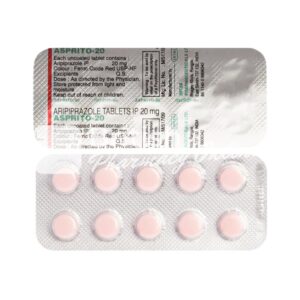
Use a pill shot with strengths (2–30mg) and an LAI vial image labelled 300/400mg for Abilify Maintena.
Include a patient counselling checklist covering akathisia signs, missed dose actions and quick drug‑interaction icons for CYP2D6/CYP3A4.
Design with accessible colours, alt text and links to NHS and MHRA patient information where possible.
Storage And Transport
Storage Requirements
How should aripiprazole be stored in the pharmacy and at home?
Tablets and oral formulations should be stored at controlled room temperature, generally 15–30°C, kept in original packaging and protected from moisture.
Oral solution follows similar room‑temperature guidance unless a product label specifies otherwise.
Transport And Pharmacy Handling
What to check when shipping or dispensing?
Abilify Maintena vials are generally stored at 15–30°C and must be protected from light; do not freeze.
Use standard pharmaceutical distribution practices to avoid extreme temperatures during shipment and maintain batch tracking and expiry checks in pharmacy records.
For community teams delivering LAIs, secure transport with temperature logs and trained staff for IM administration and observation is essential.
Guidelines For Proper Use
Prescriber Checklist
What must prescribers confirm before starting aripiprazole?
Confirm the indication, obtain informed consent and complete baseline assessments including weight, blood pressure, fasting glucose and lipids, and ECG where cardiac risk exists.
Review concomitant medications for CYP2D6 and CYP3A4 interactions and decide oral versus LAI based on adherence history and relapse risk.
If initiating Maintena plan the 14‑day oral overlap and schedule monthly clinic appointments with documentation of monitoring plans.
Patient Counselling Points
What should patients be told on starting treatment?
Explain expected benefits and the likely timeframe for improvement, covering common side effects such as akathisia, sleep changes and nausea.
Advise on missed dose actions and when to seek urgent review for symptoms like fever with rigidity or worsening suicidal ideation.
Discuss contraception, pregnancy and breastfeeding where relevant and ensure Yellow Card reporting is explained for adverse events in the UK.
Delivery Across United Kingdom
| City | Region | Delivery Time |
|---|---|---|
| London | England | 5–7 days |
| Birmingham | England | 5–7 days |
| Manchester | England | 5–7 days |
| Glasgow | Scotland | 5–7 days |
| Leeds | England | 5–7 days |
| Liverpool | England | 5–7 days |
| Bristol | England | 5–7 days |
| Edinburgh | Scotland | 5–7 days |
| Newcastle Upon Tyne | England | 5–9 days |
| Belfast | Northern Ireland | 5–9 days |
| Cardiff | Wales | 5–9 days |
| Coventry | England | 5–9 days |
| Leicester | England | 5–9 days |
| Nottingham | England | 5–9 days |