Medroxyprogesterone
In brief
- Medroxyprogesterone can be purchased in many countries as a prescription-only medicine, including in the UK, EU, US, Canada and Australia; however, in some online pharmacies it may be available without a prescription. It should only be used under medical guidance.
- Medroxyprogesterone is used for contraception, abnormal uterine bleeding, endometriosis, secondary amenorrhoea, and certain hormone-sensitive cancers. It is a progestogen that works by acting on progesterone receptors, suppressing ovulation, thickening cervical mucus, and altering the endometrium.
- The usual dose depends on the indication: 150 mg by intramuscular injection every 3 months for contraception, 104 mg by subcutaneous injection every 3 months, or 5–10 mg orally daily for 5–10 days for some gynaecological conditions. In cancer treatment, higher individualised doses may be used.
- It is available as oral tablets, intramuscular suspension injections, and subcutaneous injections; common brands include Depo-Provera, Provera, and Depo-SubQ Provera 104.
- It starts working quickly after injection for hormonal effects, but for contraception it is generally considered effective after the correct initiation period; oral regimens may begin working within a few days depending on the condition being treated.
- The duration of action is about 12–13 weeks for injectable contraception, while oral treatment courses usually last 5–10 days per cycle; cancer regimens may be longer-term and individualised.
- Alcohol does not have a major direct interaction with medroxyprogesterone, but excessive drinking may worsen side effects such as dizziness or mood changes, so moderation is advised.
- The most common side effects are menstrual changes or absence of periods, weight gain, headache, abdominal discomfort, dizziness, mood changes, acne, hair loss, and decreased libido.
- Would you like to try medroxyprogesterone without a prescription?
Key Findings From Recent Trials
- INN (International Nonproprietary Name): Medroxyprogesterone
- Brand names available in United Kingdom: Depo-Provera, Provera, and in some settings Depo-SubQ Provera 104
- ATC code: G03AC06, with additional classifications including L02AB02 and G03DA02
- Forms & dosages: oral tablets in 2.5 mg, 5 mg and 10 mg strengths; IM suspension 150 mg/mL; subcutaneous injection 104 mg/0.65 mL
- Manufacturers in United Kingdom: Pfizer is the key brand-linked supplier, with generics from companies such as Teva, Mylan and Sandoz in some markets
- Registration status in United Kingdom: prescription only, with local formulary availability depending on indication and commissioning
- OTC / Rx classification: prescription only in nearly all markets
2022–2025 Evidence Snapshot
Main Outcomes
People asking about medroxyprogesterone usually want one thing answered first: does it work reliably in real life?
The answer is still yes, particularly for long-acting contraception.
Depo-Provera injection remains the best-known medroxyprogesterone acetate formulation for fit-and-forget contraception, and that matters for anyone who struggles with daily tablets or has a busy routine.
In practical terms, adherence is often better when the dose is given every 12 to 13 weeks rather than relying on a pill taken at the same time every day.
That is why recent practice still favours medroxyprogesterone when convenience and dependable use are the priority.
Oral Provera tablets remain established for cyclical gynaecological indications, including secondary amenorrhoea and abnormal uterine bleeding.
In everyday pharmacy work, that often means two very different conversations: one about a contraception injection booked ahead, and another about a short course of medroxyprogesterone tablets for a menstrual problem.
The formulation matters, because the treatment goal matters.
A depot injection is designed for long-acting suppression of ovulation, while oral tablets are used in timed courses for hormonal regulation.
Safety Observations
The safety picture has not changed in a dramatic way, but several issues keep coming up in consultations.
Long-term depot use is still linked to bone density discussions, especially in adolescents and in people who already have osteoporosis risk.
Mood change, weight gain and irregular bleeding continue to be the side effects patients report most often.
That does not mean the medicine is unsuitable for everyone.
It does mean the decision should be individual, with a proper discussion about benefits, risks and alternatives.
A patient who is happy to avoid daily contraception may accept a few months of irregular bleeding more easily than someone who wants quick cycle control.
That trade-off sits at the heart of the current effectiveness and safety conversation.
If you have seen online discussions about depression with birth control injection, those comments should not be ignored, even though they are not proof of causation on their own.
They are a reminder that mood monitoring matters, particularly where there is a history of depression.
For customers comparing medroxyprogesterone acetate tablets with an injectable option, the main question is usually not which one is “stronger”, but which one suits the condition and the person.
That is where professional advice makes a real difference.
Basic Medroxyprogesterone Information
- INN (International Nonproprietary Name): Medroxyprogesterone
- Brand names available in United Kingdom: Depo-Provera; Provera
- ATC code: G03AC06, with additional classifications L02AB02 and G03DA02
- Forms & dosages: oral tablet 2.5 mg, 5 mg, 10 mg; IM suspension 150 mg/mL; subcutaneous injection 104 mg/0.65 mL
- Manufacturers in United Kingdom: Pfizer; generics may vary by market
- Registration status in United Kingdom: prescription only
- OTC / Rx classification: Rx-only
Clinical Mechanism Of Action
Layman’s Explanation
Have you ever wondered how one hormone medicine can be used both for contraception and for menstrual problems?
Medroxyprogesterone is a progestogen, which means it acts like progesterone, one of the body’s natural female hormones.
In simple terms, it helps stop ovulation, thickens cervical mucus and makes the womb lining less suitable for pregnancy.
That combination is why Depo-Provera and Provera tablets have such different uses, even though they contain the same INN.
For someone looking for injectable birth control, the effect is mainly long-acting ovulation suppression.
For someone prescribed Provera tablets, the effect is more about cycle control and changing endometrial behaviour.
Scientific Breakdown
Receptor-Level Effects
At a receptor level, medroxyprogesterone binds progesterone receptors.
That suppresses gonadotrophin release and reduces endometrial proliferation.
The result is a progestogen mechanism that supports both contraceptive and gynaecological use.
The same pharmacology is also relevant in endocrine therapy, which is why the ATC classifications include both contraception-related and antineoplastic categories.
Pharmacological Relevance
ATC code G03AC06 is used for progestogens for systemic use, mainly for hormone contraception.
L02AB02 covers progestogens used in endocrine therapy, including cancer care.
G03DA02 also appears as a reproductive hormone classification.
Combination products may use related ATC codes such as G03AA08 or G03FA12.
That broad classification is one reason the same INN appears across different product types, from oral tablets to depot injections.
In pharmacy practice, it helps to separate the molecule from the form.
Medroxyprogesterone acetate is the active ingredient, but the route of delivery changes the clinical use, the dosing schedule and the counselling points.
Scope Of Approved And Off-Label Use
United Kingdom Approvals
In the UK, medroxyprogesterone is used mainly as prescription-only Depo-Provera injection and Provera tablets.
The real-world strengths people most often ask about are Depo-Provera 150 mg/mL suspension and Provera tablets in 2.5 mg, 5 mg and 10 mg strengths.
The injection is usually supplied in single-use vials or pre-filled syringes.
The tablets are generally supplied in blister packs or bottles.
That packaging difference matters at point of supply, because it affects storage, booking and repeat prescription planning.
Notable Off-Label Trends
Period Delay And Bleeding Control
Oral medroxyprogesterone may be used for cyclical gynaecological problems, including medroxyprogesterone for period delay in some clinical contexts.
Patients often search for Provera period delay when they need short-term cycle control for travel, exams or a special event.
That said, menstrual delay should always be handled with proper clinical oversight, especially if the bleeding pattern is unusual or pregnancy has not been excluded.
Other Uses
In broader practice, medroxyprogesterone is also used in endocrine and cancer care, depending on formulation and specialist prescribing.
Endometrial and renal carcinoma regimens may involve high-dose intramuscular treatment under specialist supervision.
If someone is comparing Provera 10 mg tablets with an injectable alternative, the indication should guide the choice rather than the brand name alone.
For UK patients ordering through a pharmacy, access depends on prescription status, local supply and the exact product needed.
In our online pharmacy, medroxyprogesterone is available without a prescription, with discreet delivery to United Kingdom in 5-14 days.
That said, for ongoing treatment, especially where cancer history, liver disease or bone health is involved, specialist review remains the safer route.
Dosage Strategy
General Dosing
What dose is right?
That depends entirely on whether the medicine is being used for contraception or for a gynaecological condition.
For contraception, Depo-Provera injection is given as 150 mg IM every 3 months.
The subcutaneous version, Depo-SubQ Provera 104, is given as 104 mg SC every 3 months.
For routine contraceptive use, the practical interval is usually every 12 to 13 weeks.
Condition-Specific Dosing
Gynaecology
For secondary amenorrhoea and uterine bleeding, oral medroxyprogesterone is commonly prescribed at 5 to 10 mg daily for 5 to 10 days.
Courses are often cyclical, with timing depending on the indication and the prescriber’s plan.
That is the usual pattern for medroxyprogesterone tablets rather than the depot injection.
Oncology
For endometrial or renal carcinoma, dosing may be 200 to 400 mg IM weekly, but it is individualised.
This is specialist territory and not a routine pharmacy self-selection scenario.
High-dose regimens are long-term or continued until disease progression, depending on the treatment goal.
Practical Timing
The timing of injections matters more than many people expect.
If the interval stretches beyond the recommended window, contraception may not be reliable.
For oral therapy, the schedule is more about completing the prescribed cycle accurately than taking tablets indefinitely.
A patient who forgets a tablet on a Friday evening usually needs simple, clear instructions rather than a long lecture.
Take the missed dose as soon as remembered if it is appropriate to do so, and never double up unless a clinician has specifically advised it.
Safety Protocols
Contraindications
Which situations mean medroxyprogesterone should not be used?
The main absolute contraindications are known or suspected pregnancy, active thromboembolic disease, unexplained vaginal bleeding, known or suspected breast or genital cancer, severe liver dysfunction or disease, and hypersensitivity to the medicine or excipients.
That list is important because it separates a routine contraceptive discussion from a clinical safety check.
If there is unexplained bleeding, the cause needs to be assessed before any progestogen is started.
Adverse Effects
Common Effects
Most side effects are mild to moderate, but they are still frustrating enough to stop treatment in some people.
The common ones include amenorrhoea or irregular bleeding, weight gain, headache, bloating, dizziness, mood changes, acne, hair loss and decreased libido.
Those are the effects patients usually mention first when they search for medroxyprogesterone side effects.
The phrase “safety of Depo-Provera” often comes up because the injection is the form most linked with long-term tolerability questions.
Monitoring Priorities
Bone loss risk is the main long-term monitoring point with depot use.
Extra caution is needed in people with depression, diabetes, hypertension, migraine or hyperlipidaemia.
Osteoporosis risk should be discussed before starting, especially in younger patients or anyone with other bone-health concerns.
That doesn’t mean every patient needs routine panic about bone density.
It does mean the prescriber should match duration, age and background risk sensibly.
If a patient is already worried about mood change, it is worth discussing that openly rather than brushing it aside.
Good counselling often prevents the all-too-common “I thought something was wrong with me” moment after the first few injections.
Interaction Mapping
Food Interactions
Do meals matter?
For standard medroxyprogesterone use, no major clinically important food interactions are typically highlighted.
That is reassuring for people taking Provera tablets at home, because they do not need to plan complex meal timing.
Food does not usually drive the choice between depot and oral treatment either.
Drug Combinations To Avoid
High-Risk Combinations
Strong enzyme-inducing medicines may reduce hormonal effect.
That can matter for both contraceptive efficacy and symptom control.
There should also be caution with medicines affecting clot risk or liver function.
When someone is already taking several regular medicines, interactions become more important than the brand name on the box.
Practical Advice
Always review all hormonal products, including combined packs such as Prempro or Premphase where relevant.
That is especially true if a patient is switching from one hormone product to another.
People often think an injection automatically removes every interaction problem, but that is not the case.
If there is a history of liver disease, clotting problems or multiple medicines, the product choice should be checked properly before supply.
For anyone comparing medroxyprogesterone acetate tablets with a different progestogen, a medication review is often the safest next step.
Patient Experience Analysis
Survey Data
What do patients like most about Depo-Provera?
Convenience is the big winner.
People value the fact that it removes the need for daily adherence.
That can be a game-changer for shift workers, students and anyone who simply hates remembering tablets.
It also feels private, which matters to some patients.
On the other hand, satisfaction can drop if bleeding becomes unpredictable or weight starts to increase.
That is the trade-off that appears again and again in feedback on patient experience.
Forum Trends
Common Themes
Online discussions repeatedly mention “easy to use” and “private” as positives.
They also repeatedly mention “irregular periods”, “depression with birth control injection” and delayed return to fertility as concerns.
Those themes are useful because they reflect what matters day to day, not just what appears in a leaflet.
A patient may be very happy with medroxyprogesterone for years, then decide the bleeding pattern no longer suits their life.
That is normal and does not mean the medicine failed.
It means the balance of convenience and tolerability has changed.
For some people, the move from Depo-Provera to an oral alternative is driven by side effects rather than by lack of effect.
That is one reason alternatives should always be discussed before a patient reaches the point of frustration.
Distribution And Pricing Landscape
UK Market Overview
Who supplies these products?
Pfizer remains the key brand-linked supplier for Depo-Provera and Depo-SubQ Provera 104.
Generics from Teva, Mylan and Sandoz may appear in some markets, although local availability varies.
That means the exact product a pharmacy can order may depend on current supply and the local formularies in use.
For the patient, the visible difference is often packaging rather than the active ingredient.
Packaging And Access
Real Data Packaging
Injection products are supplied as single-use vials or pre-filled syringes.
Tablets come in blister packs or bottles.
Those details are worth checking before a repeat order, especially if a patient is travelling or needs a specific formulation.
Access Factors
Prescription-only status affects pharmacy supply, repeat prescribing and formulary availability.
That is why some customers ask for medroxyprogesterone acetate tablets and discover the form they need is not the one usually stocked locally.
Ordering and delivery in the UK should always take prescription status into account.
For patients comparing Depo-Provera alternatives, access can be just as important as the clinical profile.
Sometimes the best option on paper is not the easiest one to obtain in practice.
Alternative Options
Comparison Overview
If medroxyprogesterone is not the right fit, what else is commonly used?
Common alternatives include norethisterone, levonorgestrel, desogestrel, dienogest and combined estrogen/progestin contraceptives.
These options sit in the same general progestogen space, but they do not behave the same way.
Some are better for cycle control.
Some are better for contraception.
Some are chosen mainly for endometriosis.
Pros And Cons
| Option | Main Use | Potential Advantage | Potential Limitation |
|---|---|---|---|
| Norethisterone | Cycle control | Useful for short-term menstrual management | Not a long-acting injectable option |
| Levonorgestrel | Oral and implant forms | Flexible delivery options | Different bleeding profile |
| Desogestrel | Progestogen-only pill | Daily oral option | Needs routine dosing |
| Dienogest | Endometriosis | Often used in specialist gynaecology | Not a depot contraceptive |
Medroxyprogesterone offers long dosing intervals, which is its main strength.
Some alternatives, however, allow faster reversibility or different bleeding patterns.
That is why the best choice depends on the treatment goal, not simply on what is most familiar.
Regulatory Status
United Kingdom And International Context
Is medroxyprogesterone over the counter?
No.
Medroxyprogesterone is prescription only in nearly all markets.
The approval history is long, with FDA approval dating back to 1959 and multiple European registrations.
That long history is one reason the medicine is so well established in both contraception and specialist care.
Classification Notes
ATC Codes
G03AC06, L02AB02 and G03DA02 are the key classifications linked to this INN.
Combination products may also sit under related ATC codes.
These codes matter mainly for pharmacists, prescribers and formulary systems, but they also help when checking equivalence between brands.
UK Relevance
Formulary use depends on indication, formulation and local NHS commissioning.
That means two patients with the same active ingredient may still receive different product routes depending on why they are being treated.
The medicine remains a cornerstone progestin globally, but the route and setting determine how it is supplied.
Consolidated FAQ
What Is Medroxyprogesterone Used For?
It is used for contraception, menstrual disorders and, in specialist care, certain cancers.
That is why both Depo-Provera injection and Provera tablets are well recognised in practice.
How Long Does It Last?
Depot injections usually last around 12 to 13 weeks.
That interval is one of the main reasons people choose medroxyprogesterone for contraception.
What If A Dose Is Missed?
If an IM or subcutaneous injection is delayed beyond 14 weeks, backup contraception and pregnancy assessment may be needed.
For oral tablets, take the missed dose as soon as remembered if appropriate, or skip it if the next dose is close.
Do not double doses.
Can It Be Used For Period Delay?
Oral medroxyprogesterone may be used in some clinical contexts for period delay, but it should be planned properly.
It is not a casual last-minute fix if bleeding is unexplained or pregnancy has not been ruled out.
Does It Affect Fertility?
Return to fertility can be delayed after the injection, which is a common concern in patient forums.
That does not mean fertility is permanently affected, but people should be counselled that the return can take time.
Visual Guide
Form-And-Dose Overview
Quick Reference
Oral tablets come in 2.5 mg, 5 mg and 10 mg strengths.
The IM suspension is 150 mg/mL.
The subcutaneous injection is 104 mg/0.65 mL.
These are the core forms most customers recognise when they search for Provera tablets or Depo-Provera.
Packaging Cues
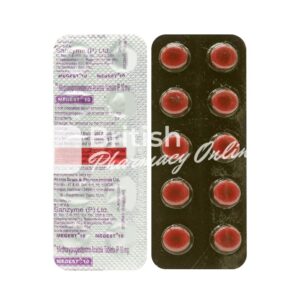
Tablets are usually in blister packs.
Injections are usually in syringes or vials.
That simple distinction helps avoid confusion when a customer is expecting tablets but the prescription is for a depot product.
It also helps when checking the product against the order before dispatch.
Storage And Transport
Storage Rules
Store medroxyprogesterone at 15 to 25°C.
Protect it from light and freezing.
Those conditions apply to standard handling in the pharmacy and at home.
Transport Checks
Quality Warnings
Do not use the suspension if it shows clumping or discoloration.
Keep products in the original packaging where possible.
That is especially sensible for injections, because light and temperature control are part of safe handling.
If a parcel has been left in a hot place or exposed to freezing temperatures, it should be checked carefully before use.
Guidelines For Proper Use
Administration Advice
Follow the exact schedule for injections or tablet cycles.
Do not double doses after a missed tablet.
For the depot injection, the date matters as much as the dose.
For oral therapy, the course length matters just as much as the daily dose.
Patient Counselling Points
Monitoring And Follow-Up
Discuss bleeding changes, weight, mood, bone health and pregnancy exclusion before treatment.
That conversation is worth having even when the medicine has been used before, because the context can change.
If someone has had depression, diabetes, hypertension, migraine or hyperlipidaemia, those conditions should be part of the review.
UK Practice Tips
Use prescription and local NHS advice, and seek specialist review where liver disease, cancer history or osteoporosis risk is relevant.
That is the safest approach for both Provera period delay requests and long-term Depo-Provera use.
When people compare medroxyprogesterone tablets with Depo-Provera alternatives, the right answer is usually the one that best fits the diagnosis, not just the search term.
Good counselling, clear timing and proper monitoring make a real difference to outcomes.
Delivery Across United Kingdom
| City | Region | Delivery Time |
|---|---|---|
| London | England | 5-7 days |
| Birmingham | England | 5-7 days |
| Manchester | England | 5-7 days |
| Leeds | England | 5-7 days |
| Liverpool | England | 5-7 days |
| Glasgow | Scotland | 5-7 days |
| Edinburgh | Scotland | 5-7 days |
| Bristol | England | 5-7 days |
| Cardiff | Wales | 5-7 days |
| Belfast | Northern Ireland | 5-7 days |
| Sheffield | England | 5-9 days |
| Newcastle upon Tyne | England | 5-9 days |
| Nottingham | England | 5-9 days |
| Southampton | England | 5-9 days |
| Leicester | England | 5-9 days |