
Arthritis
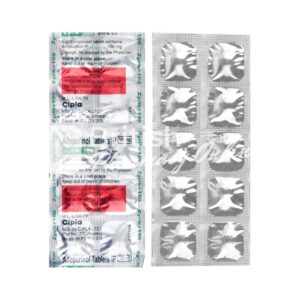
Allopurinol
from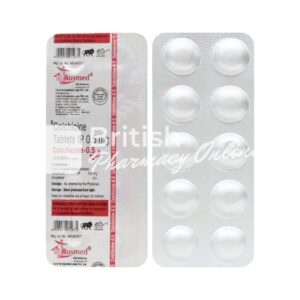
Colchicine
from
Etoricoxib
from
Feldene
from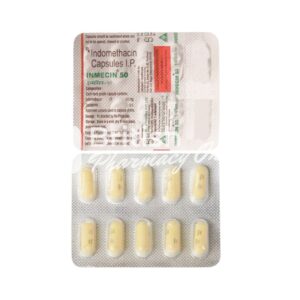
Indocid
from
Indomethacin
from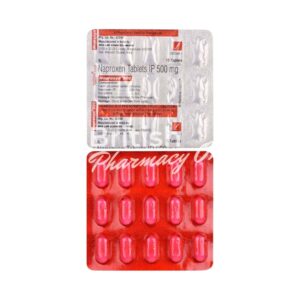
Naprosyn
fromUnderstanding Arthritis: Types and Causes
Arthritis is a condition affecting the joints, causing inflammation, pain, and reduced mobility. There are over 100 different types of arthritis, but the most common forms are osteoarthritis and rheumatoid arthritis. Osteoarthritis develops when the protective cartilage in joints gradually wears down over time, typically affecting people as they age. Rheumatoid arthritis is an autoimmune condition where the body’s immune system attacks the joint lining, causing inflammation and damage.
Other notable types include gout, lupus, and psoriatic arthritis. The causes vary depending on the type but generally include age, genetics, previous injuries, and lifestyle factors. Understanding which type of arthritis you have is crucial for receiving appropriate treatment and managing your symptoms effectively. Your GP can help diagnose your condition through blood tests, imaging, and physical examination.
Over-the-Counter Pain Relief Options
Many people find relief from arthritis pain using over-the-counter medications available at UK pharmacies. Paracetamol is a popular choice for mild to moderate pain relief and is widely available under various brand names. It’s generally well-tolerated and suitable for most people, though it should be used according to package directions.
Non-steroidal anti-inflammatory drugs (NSAIDs) are commonly used to reduce both pain and inflammation. Ibuprofen is available in various strengths and is effective for many arthritis sufferers. Naproxen sodium is another NSAID option that provides longer-lasting relief for some individuals. Aspirin can also help with arthritis pain and has anti-inflammatory properties.
When choosing over-the-counter medications, consider any other health conditions you have or medications you’re taking, as some combinations may not be suitable. Always read the product information carefully and don’t exceed the recommended daily dose. If over-the-counter options aren’t providing sufficient relief after two weeks, consult your GP about alternative treatments.
Prescription Medications for Arthritis Management
For more severe arthritis or cases not responding to over-the-counter treatments, your doctor may prescribe stronger medications. Disease-modifying antirheumatic drugs (DMARDs) are prescribed for rheumatoid arthritis to slow disease progression. Methotrexate is a commonly prescribed DMARD that helps reduce inflammation and joint damage.
Biological therapies, including TNF inhibitors and other targeted treatments, are increasingly used for rheumatoid arthritis. These work by targeting specific parts of the immune system responsible for inflammation. Corticosteroids may be prescribed in low doses to reduce inflammation and provide pain relief during flare-ups.
Prescription NSAIDs are stronger versions of over-the-counter options and may be recommended if standard NSAIDs aren’t effective. Your GP will monitor your treatment closely, especially with stronger medications, as they may require regular blood tests to ensure safety. The aim of prescription treatment is not only to manage pain but also to prevent further joint damage and maintain quality of life.
Topical Treatments and Complementary Options
Topical arthritis treatments offer localised relief without affecting the whole body. Creams and gels containing NSAIDs, such as ibuprofen gel or diclofenac, can be applied directly to affected joints for pain relief. These are particularly useful for arthritis in the hands, knees, and other easily accessible joints.
Capsaicin creams, derived from chilli peppers, work by reducing pain signals and can provide effective relief with regular use. Menthol-based products create a cooling sensation that many find soothing. These topical options are generally safe, have fewer side effects than oral medications, and can be used alongside other treatments.
Many people explore complementary approaches including glucosamine supplements, fish oil, and turmeric, which some believe help with joint health. Whilst evidence varies, these options are available at most UK pharmacies. Heat and cold therapy, gentle exercise, and weight management are also recommended strategies. Consulting your pharmacist can help you choose appropriate complementary products alongside your prescribed treatment.
Lifestyle Changes and Self-Management Strategies
Managing arthritis effectively often involves more than medication alone. Regular, gentle exercise helps maintain joint flexibility and strengthens supporting muscles. Activities like swimming, walking, and tai chi are particularly beneficial as they don’t place excessive stress on joints. Your GP or physiotherapist can recommend suitable exercises for your specific condition.
Weight management is important, especially for osteoarthritis, as excess weight increases stress on joints. A balanced diet rich in anti-inflammatory foods may help reduce symptoms. Maintaining good posture and using assistive devices when needed can prevent further joint stress and damage.
Rest is equally important; pacing activities and taking regular breaks prevent overuse injury. Applying heat before activity can ease stiffness, whilst cold after activity may reduce inflammation. Many people find that managing stress through relaxation techniques and maintaining good sleep quality improves their overall well-being and helps control arthritis symptoms more effectively.
Key self-management strategies include:
- Maintaining a consistent exercise routine suitable for your condition
- Using heat therapy before activities and cold therapy afterwards
- Pacing daily activities to avoid overexertion
- Eating a balanced, anti-inflammatory diet
- Maintaining a healthy weight to reduce joint stress
- Getting adequate sleep and managing stress levels
- Using assistive devices when appropriate
When to Seek Professional Advice
If you experience joint pain lasting more than two weeks, swelling, stiffness, or reduced mobility, contact your GP for evaluation. Early diagnosis and treatment can significantly impact long-term outcomes, particularly with rheumatoid arthritis. Your pharmacist is also a valuable resource; they can advise on medication choices, potential side effects, and interactions with other medicines.
Seek urgent medical attention if you experience severe joint pain accompanied by fever or significant swelling, as these may indicate infection. If current treatment isn’t providing adequate relief, discuss alternative options with your healthcare provider rather than suffering in silence. Regular reviews with your GP ensure your treatment plan remains appropriate and effective as your condition changes.
Your GP, pharmacist, and specialist team work together to provide comprehensive care. Don’t hesitate to ask questions about your condition or medications. Many NHS services, including physiotherapy and occupational therapy, can support your arthritis management and help you maintain independence and quality of life.