
COVID-19
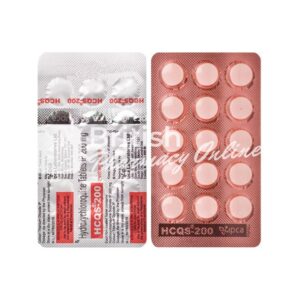
Hydroxychloroquine
from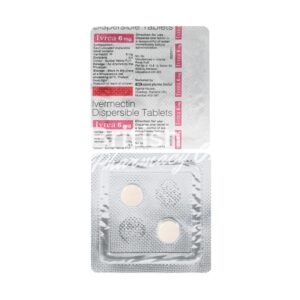
Ivermectin
from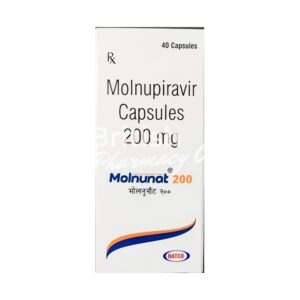
Lagevrio
from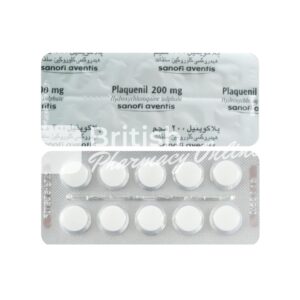
Plaquenil
from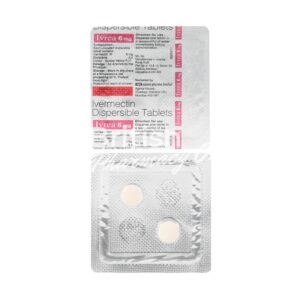
Stromectol
from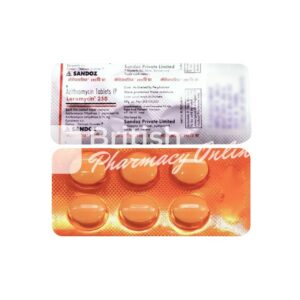
Zithromax
fromUnderstanding COVID-19 and Its Symptoms
COVID-19 is a respiratory illness caused by the SARS-CoV-2 virus that emerged in late 2019. The condition has affected millions of people worldwide and continues to be a significant health concern. Understanding the symptoms and how the virus spreads is crucial for early detection and appropriate management.
Common symptoms of COVID-19 include a persistent cough, fever, and loss of taste or smell. Many people also experience fatigue, headaches, and difficulty breathing. Symptoms typically appear between 2 to 14 days after exposure to the virus. Some individuals remain asymptomatic, meaning they carry the virus but show no signs of illness. This makes COVID-19 particularly challenging to manage in communities.
The severity of symptoms varies considerably. While some people experience mild symptoms similar to a common cold, others develop severe pneumonia requiring hospitalisation. Older adults and people with underlying medical conditions are at higher risk of experiencing severe illness. Early identification of symptoms allows individuals to seek appropriate care and take measures to protect others from infection.
Prevention and Management Strategies
Prevention remains the most effective approach to dealing with COVID-19. Vaccination is the primary defence against severe illness and hospitalisation. The NHS offers COVID-19 vaccines to eligible groups, providing protection against serious complications from the virus. Regular hand hygiene, maintaining physical distance from others, and wearing masks in crowded settings continue to be valuable preventative measures.
If you suspect you have COVID-19, a lateral flow test or PCR test can confirm the diagnosis. These tests are widely available across the United Kingdom through pharmacies, NHS services, and online retailers. Isolating for the recommended period helps prevent transmission to vulnerable individuals in your household and community.
Management of COVID-19 primarily focuses on supporting your body’s immune system whilst symptoms resolve. Most people recover within a few weeks with rest, hydration, and over-the-counter pain relief. However, some individuals experience long-term effects, known as long COVID, requiring ongoing support and medical attention from healthcare professionals.
Over-the-Counter Medications Available in the UK
Several over-the-counter medications can help manage COVID-19 symptoms whilst your body fights the infection. Paracetamol is widely used to reduce fever and alleviate headaches and muscle aches. Ibuprofen is another common choice for reducing inflammation and pain. Both medications are available under various brand names at UK pharmacies.
Decongestants containing pseudoephedrine or phenylephrine can help relieve nasal congestion caused by COVID-19. Throat lozenges and cough syrups containing dextromethorphan may provide temporary relief from cough symptoms, though these do not treat the underlying infection.
When managing your symptoms at home, consider the following over-the-counter options:
- Paracetamol tablets and suspension for fever and pain relief
- Ibuprofen products such as Nurofen for inflammation and discomfort
- Nasal decongestant sprays or tablets including Sudafed and Otrivine
- Cough syrups and throat lozenges for throat comfort
- Vitamin C supplements and zinc lozenges for immune support
Vitamin C supplements and zinc lozenges are popular choices amongst people seeking additional support during illness, though evidence for their effectiveness in COVID-19 specifically is limited. Many UK pharmacies stock various multivitamins and immune support products. It is important to read all medication labels carefully and follow dosage instructions, particularly if you are taking other medicines or have existing health conditions.
Prescription Medications and Antiviral Treatments
For individuals at high risk of severe COVID-19, prescription antiviral medications are available through the NHS. Paxlovid (nirmatrelvir with ritonavir) is an oral antiviral treatment that can reduce the severity of illness when taken early in infection. This medication is most effective when started within five days of symptom onset and is typically reserved for people at highest risk of serious illness.
Molnupiravir is another antiviral option available on prescription for eligible patients. This medication works by interfering with the virus’s ability to replicate. Remdesivir is administered intravenously and is used in hospital settings for patients with severe COVID-19 requiring oxygen support.
Monoclonal antibody treatments such as sotrovimab may be prescribed for certain high-risk groups. Your GP can assess whether you are eligible for antiviral treatment based on your age, underlying health conditions, and symptom severity. These prescription treatments should only be obtained through NHS services after consultation with a healthcare professional.
Managing Long COVID and Recovery
Long COVID, also known as post-COVID condition, affects some people who have had COVID-19. Symptoms can include persistent fatigue, breathlessness, cognitive difficulties, and joint or muscle pain lasting weeks or months after initial infection. Managing long COVID requires a tailored approach as symptoms vary significantly between individuals.
Many people find that gradual, paced exercise helps improve fitness and reduce fatigue. However, pushing too hard too quickly can worsen symptoms, so working with healthcare professionals to develop an appropriate exercise programme is advisable. Physiotherapy and occupational therapy services available through the NHS can provide specialised support for recovery.
Nutritional support is important during recovery from COVID-19. Ensuring adequate protein intake, staying well hydrated, and maintaining a balanced diet supports your immune system and energy levels. Some people benefit from seeing a registered dietitian for personalised nutritional advice. Mental health support is also valuable, as many people experience anxiety or depression following serious illness.
When to Seek Medical Help
Knowing when to contact healthcare services is essential. Call 999 immediately if you experience severe difficulty breathing, chest pain, confusion, or loss of consciousness. These signs indicate a medical emergency requiring immediate hospital treatment. Contact your GP or NHS 111 service for advice if symptoms worsen over several days or if you are concerned about your health.
If you are pregnant, severely immunocompromised, or have serious underlying health conditions, contact your healthcare provider early if you develop COVID-19 symptoms. These groups may be eligible for additional treatments or enhanced monitoring. Parents concerned about COVID-19 in children should contact their GP or NHS 111 for guidance.
The NHS provides comprehensive information and support through its official website and NHS 111 telephone service, available 24 hours daily. Your local pharmacy can also provide advice about managing symptoms and available treatments. Seeking early professional guidance ensures you receive appropriate care tailored to your individual circumstances.