
Eye Care
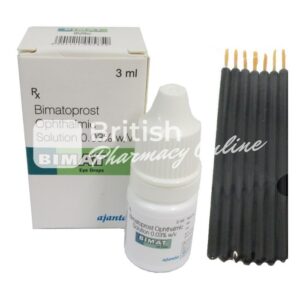
Bimat + Applicators
from
Bimatoprost
from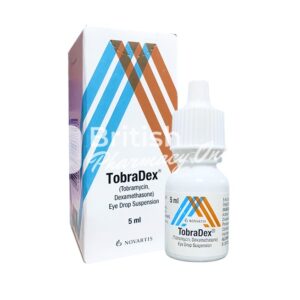
Tobradex
from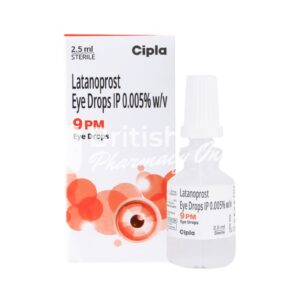
Xalatan
fromUnderstanding Common Eye Conditions
Eye health is essential for maintaining quality of life and independence. Common eye conditions affect millions of people across the United Kingdom each year. These conditions range from minor irritations to more serious concerns that require professional attention and treatment.
Dry Eyes
Dry eyes occur when your eyes don’t produce enough tears or when tears evaporate too quickly. This condition causes discomfort, redness, and a gritty sensation. Environmental factors such as heating systems, air conditioning, and extended screen time contribute to dry eye syndrome. Available treatments include artificial tear drops, such as Viscotears and Hylo Tear, which provide immediate relief and lubrication. Regular breaks from screens and using a humidifier can help manage symptoms naturally.
Red Eyes and Conjunctivitis
Red eyes can indicate various conditions, including allergies, infections, or irritation. Bacterial conjunctivitis requires antibiotic eye drops like Chloramphenicol, which is widely available in UK pharmacies. Viral conjunctivitis typically resolves independently with supportive care. Allergic conjunctivitis responds well to antihistamine drops such as Alomide or Opatanol. It’s important to avoid touching your eyes and maintain good hygiene to prevent spreading infection to others.
Cataracts and Age-Related Changes
Cataracts develop gradually as the eye lens becomes cloudy, typically affecting older adults. This condition causes blurred vision and difficulty with night driving. Whilst surgery is the definitive treatment, protective sunglasses and anti-glare products can help manage symptoms in early stages. Regular eye tests are crucial for early detection and monitoring progression.
Contact Lens Care and Solutions
Contact lenses provide an excellent alternative to glasses for vision correction. Proper lens care is fundamental to preventing infections and maintaining eye health. Using appropriate solutions and following correct cleaning procedures protects both your investment and your eyesight.
Contact Lens Solutions
Daily care requires multipurpose solutions that clean, disinfect, and store lenses effectively. Popular options in the UK include Alcon’s Opti-Free and Bausch & Lomb’s ReNu, both offering comprehensive lens care in one solution. Sensitive eye formulations like Biotrue are available for those with irritable eyes. Saline solutions help rinse lenses and can be used as supplementary care alongside multipurpose solutions.
Lens Insertion and Removal
Proper technique prevents lens damage and eye irritation during insertion and removal. Key steps include:
- Washing hands thoroughly before handling lenses
- Keeping fingernails short and smooth to avoid tearing lenses or scratching corneas
- Storing lenses in fresh solution daily, never reusing old solution in cases
- Replacing lens cases every three months to prevent bacterial accumulation
Coloured and Specialty Lenses
Coloured contact lenses allow vision correction whilst changing eye appearance. Prescription tinted lenses and plano (non-prescription) options are available throughout the UK. Specialty lenses for astigmatism (toric lenses) and presbyopia (multifocal lenses) cater to specific vision needs. All contact lenses require proper fitting by qualified optometrists to ensure comfort and safety.
Allergy and Irritation Relief
Eye allergies and irritations affect numerous people throughout the year, particularly during spring and summer months. These conditions cause itching, redness, watering, and discomfort, significantly impacting daily activities. Effective treatments are readily available at UK pharmacies without prescription.
Antihistamine Eye Drops
Over-the-counter antihistamine drops provide quick relief from allergic reactions. Sodium cromoglicate (Opticrom) prevents allergic symptoms when used regularly before anticipated exposure. Ketotifen (Zaditor) offers long-acting relief with twice-daily dosing. These medications work by reducing histamine release, which causes allergic symptoms. Regular use during high pollen seasons prevents symptoms more effectively than treating them after onset.
Lubricating and Soothing Drops
Simple lubricating drops relieve irritation caused by environmental factors. Products like Systane Ultra and Refresh provide immediate comfort and protect eyes from further irritation. Cooling drops feel particularly soothing when refrigerated. These solutions suit everyone, including contact lens wearers, though specific formulations for lens wearers ensure compatibility.
Environmental Management
Reducing allergen exposure complements medication use. Keeping windows closed during high pollen counts helps minimise external allergens. HEPA filters in vacuum cleaners trap particles effectively. Wearing wraparound sunglasses during outdoor activities blocks wind-blown particles. Showering before bed removes pollen from hair and skin, preventing transfer to pillows.
Computer Vision Syndrome and Screen Protection
Modern lifestyles increasingly involve extended screen time, affecting eye comfort and health. Computer vision syndrome encompasses various symptoms including eye strain, dryness, headaches, and blurred vision. Preventive measures and supportive treatments help manage this growing concern among UK workers and students.
Understanding Digital Eye Strain
Screens demand constant focus and reduce blink frequency, causing tears to evaporate faster. The 20-20-20 rule recommends looking at something 20 metres away for 20 seconds every 20 minutes. This practice relaxes eye muscles and encourages tear production. Proper screen positioning at arm’s length and slightly below eye level reduces strain significantly.
Blue Light Protection
Blue light from screens may contribute to eye strain and sleep disruption. Blue light filtering glasses reduce screen glare and protect eyes during extended use. Many modern screens include built-in blue light filters that can be activated in settings. These products are increasingly popular amongst UK office workers and students spending long hours studying.
Supportive Eye Care Products
Preservative-free eye drops specifically formulated for dry eyes caused by screens provide relief without irritation. Hylo Gel offers longer-lasting protection than standard drops. Omega-3 supplements support tear quality and eye health when taken regularly. These products work best alongside lifestyle adjustments and proper workplace ergonomics.
Eye Vitamins and Nutritional Support
Nutritional support plays a crucial role in maintaining long-term eye health and preventing age-related vision problems. Specific vitamins and minerals support various eye structures and functions. Quality supplements are readily available throughout the UK pharmacy market.
Essential Eye Nutrients
Lutein and zeaxanthin protect the macula from age-related degeneration. Vitamin C and E act as antioxidants, protecting cells from damage. Zinc supports retinal function and helps the eye absorb vitamin A. Omega-3 fatty acids support tear production and retinal health. These nutrients work synergistically to maintain optimal eye function throughout life.
Popular UK Supplements
Ocuvite and similar brands combine essential eye nutrients in convenient daily doses. Boots’ own-brand eye health supplements offer good value and similar formulations. Specific products target different concerns, including dry eye support and age-related macular degeneration prevention. Regular supplementation provides protective benefits, particularly for those with family histories of eye disease.
Dietary Sources
Incorporating eye-healthy foods into your diet provides natural nutrient sources. Dark leafy greens like spinach and kale contain lutein and zeaxanthin. Orange vegetables provide beta-carotene. Oily fish including salmon and mackerel offer omega-3 fatty acids. Nuts and seeds provide vitamin E and zinc. A balanced diet reduces the need for extensive supplementation.
Regular Eye Care and Professional Support
Maintaining eye health requires consistent professional monitoring and appropriate preventive care. Regular eye tests detect problems early when treatments prove most effective. UK optometrists and ophthalmologists provide comprehensive services ensuring optimal vision and eye health throughout life.
Eye Testing and Professional Services
Adults should have eye tests every two years, whilst those over 65 or with eye conditions need annual checks. NHS eye tests are free for eligible individuals, including those over 60 and those with certain conditions. Private eye tests offer more comprehensive assessments and designer frame selections. Tonometry tests measure eye pressure, screening for glaucoma risk. Visual field tests detect peripheral vision changes indicating disease.
At-Home Eye Care Routine
Daily eye care protects vision and prevents infections. Removing makeup thoroughly before bed prevents blocked eyelash follicles. Keeping eyes clean and avoiding touching them reduces bacterial transfer. Wearing UV-protective sunglasses outdoors prevents long-term sun damage. Quality sleep supports tear production and eye tissue repair.
When to Seek Professional Help
Sudden vision changes, eye pain, or persistent redness warrant immediate professional attention. Floaters or flashing lights may indicate serious conditions requiring urgent assessment. Persistent dryness unrelieved by drops deserves professional evaluation. Regular communication with healthcare providers ensures early detection and treatment of emerging problems, maintaining clear, comfortable vision for years to come.