
Muscle Relaxant
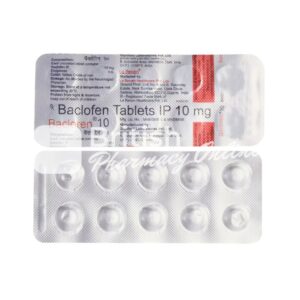
Baclofen
from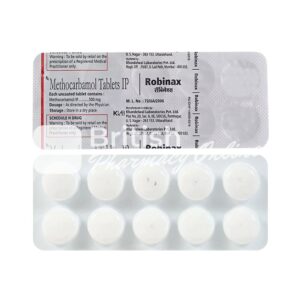
Robaxin
from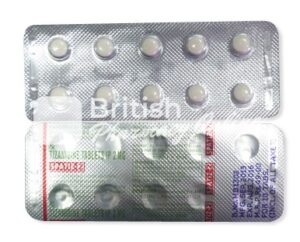
Tizanidine
from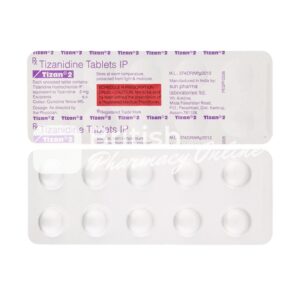
Zanaflex
fromWhat Are Muscle Relaxants and How Do They Work?
Muscle relaxants are medications designed to reduce muscle tension and alleviate pain caused by muscle spasms and stiffness. These drugs work by acting on the central nervous system to decrease the frequency and intensity of muscle contractions. There are two main categories: antispasticity agents used for conditions like cerebral palsy and multiple sclerosis, and skeletal muscle relaxants used for acute muscle strain and tension. The mechanism varies depending on the specific medication, but most work by blocking nerve signals that cause muscles to contract or by reducing activity in the brain and spinal cord. This action helps patients regain mobility, reduce discomfort, and improve their quality of life. Muscle relaxants are commonly prescribed alongside physical therapy and other treatments for optimal results. They are typically used for short-term relief of acute muscle pain, though some formulations are designed for longer-term management of chronic conditions.
Common Conditions Treated with Muscle Relaxants
Muscle relaxants are prescribed for various conditions that cause muscle tension and discomfort across the United Kingdom. These medications address a wide range of musculoskeletal issues that significantly impact patients’ daily lives:
- Acute muscle strain – one of the most common reasons for prescription, particularly following injuries or overexertion
- Back pain – especially when caused by muscle spasms in the lower back region
- Neck stiffness and cervical strain – effectively managed with these medications, particularly after accidents or poor posture-related injuries
- Fibromyalgia – a chronic condition where muscle relaxants help manage widespread muscle pain and tension
- Multiple sclerosis – patients often receive muscle relaxants to control spasticity and involuntary muscle contractions
- Cerebral palsy – treatment frequently includes these medications to manage muscle stiffness
- Tension headaches – caused by muscle tension in the neck and shoulders
- Post-operative pain – following surgery as part of the pain management protocol
- Sports injuries and athletic strains – effectively treated to allow for faster recovery and rehabilitation
Popular Muscle Relaxant Medications Available in the United Kingdom
Several muscle relaxant medications are readily available through NHS prescriptions and private pharmacies across the United Kingdom. Each medication has specific indications, dosage requirements, and potential side effects that should be discussed with your healthcare provider.
Available Medications
Diazepam is one of the most commonly prescribed benzodiazepine-based muscle relaxants, effective for acute muscle spasms and tension. Baclofen is widely used for both acute and chronic muscle stiffness, particularly in patients with spinal injuries or multiple sclerosis. Tizanidine represents a newer option that provides targeted muscle relaxation with potentially fewer side effects than older alternatives. Methocarbamol is available for short-term relief of acute muscle pain and discomfort. Chlorzoxazone is prescribed for muscle spasms and offers relatively quick relief of acute conditions. Cyclobenzaprine is popular for treating acute muscle strain and is often recommended for short-term use. Dantrolene sodium is prescribed for severe spasticity, particularly in conditions like multiple sclerosis and cerebral palsy. Carisoprodol remains available through private prescription for acute muscle pain relief.
Usage Guidelines and Dosage Information
Proper usage of muscle relaxants is essential for achieving maximum benefit whilst minimising potential risks. Most muscle relaxants are prescribed for short-term use, typically ranging from two to four weeks, though this varies by medication and condition. Dosage varies significantly depending on the specific drug, the patient’s age, weight, and medical history. Initial doses are usually conservative, with gradual increases if needed to achieve therapeutic effect.
Key Usage Recommendations
Patients should always take muscle relaxants exactly as prescribed by their healthcare provider and never adjust doses without medical consultation. These medications are typically taken two to four times daily, though some extended-release formulations require only once or twice-daily dosing. Timing of doses can affect effectiveness; some patients benefit from taking doses before bedtime to manage nighttime muscle tension. It’s important to maintain consistent dosing schedules for optimal results.
Alcohol consumption should be strictly avoided when taking muscle relaxants, as this combination can cause dangerous interactions and increase side effects. Patients should inform their doctor about all other medications and supplements they’re taking, as muscle relaxants can interact with various drugs. Pregnancy and breastfeeding require special consideration, and certain muscle relaxants should be avoided during these periods.
Potential Side Effects and Safety Considerations
Like all medications, muscle relaxants can cause side effects, though many patients tolerate them well. Common side effects include drowsiness, dizziness, and fatigue, which are experienced by a significant proportion of users. Headaches and dry mouth are frequently reported minor effects. Some patients experience nausea or gastrointestinal upset, which usually subsides with continued use. Blurred vision can occur and may affect your ability to drive or operate machinery.
Serious Considerations
Muscle weakness is a paradoxical effect that some users experience despite the medication’s intended purpose. Allergic reactions are rare but can occur, presenting as rash, itching, or swelling; immediate medical attention is required if symptoms develop. Dependence and withdrawal are potential concerns with benzodiazepine-based muscle relaxants, which is why they’re typically prescribed for short-term use only.
Patients with liver disease, kidney problems, or heart conditions require careful monitoring and may need dose adjustments. Elderly patients are often prescribed lower doses due to increased sensitivity to side effects. Combining muscle relaxants with opioid pain medications can pose serious risks and requires medical supervision. Driving and operating machinery should be avoided until you understand how the medication affects you personally.
When to Seek Medical Advice and Alternative Treatments
Understanding when to contact your healthcare provider regarding muscle relaxant use is crucial for safe treatment. Severe side effects such as difficulty breathing, chest pain, or severe dizziness warrant immediate medical attention. Lack of improvement after taking the prescribed dose for several days should be reported to your doctor, who may adjust the medication or suggest alternatives. Worsening symptoms or development of new pain should be investigated by your healthcare provider. Dependency concerns about regular use should be discussed openly with your medical team.
Effective Alternative and Complementary Treatments
Many effective alternative treatments complement or sometimes substitute for muscle relaxants. Physical therapy remains one of the most effective approaches, helping strengthen muscles and improve flexibility. Heat therapy using hot pads or warm baths can provide significant relief for muscle tension. Cold therapy is beneficial for acute injuries and inflammation. Massage therapy offers temporary relief and improved circulation. Stretching exercises performed regularly can prevent muscle tension and reduce spasm frequency. Yoga and tai chi combine gentle movement with relaxation techniques. Acupuncture has shown effectiveness for certain types of muscle pain. Cognitive behavioural therapy helps manage pain perception and stress-related muscle tension. Lifestyle modifications including improved posture, regular exercise, stress management, and adequate sleep support muscle health significantly.
Always consult your GP before starting or stopping any muscle relaxant medication or beginning alternative treatments. Your healthcare provider can offer personalised guidance based on your specific condition and medical history, ensuring you receive the most appropriate and effective care for your needs.