
Sleeping Aids

Doxepin
from
Hyplon
from
Hypnite
from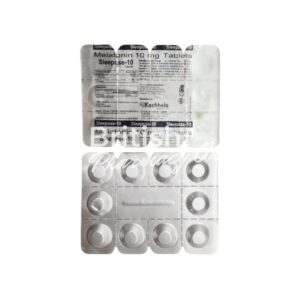
Sleepose
from
Zopiclone
fromUnderstanding Sleep Problems and When to Seek Help
Sleep difficulties affect millions of people across the United Kingdom, impacting their daily productivity, mood, and overall health. Insomnia, characterised by difficulty falling asleep or staying asleep, can result from stress, anxiety, lifestyle changes, or medical conditions. Short-term sleep problems may resolve naturally, but persistent issues lasting more than a few weeks warrant professional attention. If you find yourself consistently lying awake for hours, waking multiple times during the night, or feeling unrefreshed after sleep, it may be time to consider sleeping aids. Your GP can help identify underlying causes and recommend appropriate treatments tailored to your specific needs. Understanding the root cause of your sleep problems is essential before selecting any sleeping aid, as different solutions work better for different situations.
Types of Sleeping Aids Available in the UK Market
The UK pharmacy market offers various sleeping aids to suit different preferences and medical requirements. Over-the-counter antihistamines such as diphenhydramine and promethazine are widely available without prescription and are often the first choice for mild sleep difficulties. These products work by inducing drowsiness as a side effect of their antihistamine properties. Prescription medications including benzodiazepines like temazepam and nitrazepam are reserved for more severe insomnia and short-term use only, due to their potential for dependency. Non-benzodiazepine hypnotics such as zopiclone and zolpidem offer alternative prescription options with potentially lower dependency risks. Melatonin supplements, whilst not prescription medications, are increasingly popular for regulating sleep-wake cycles, particularly for shift workers and those with jet lag. Natural herbal remedies containing valerian root, passionflower, and chamomile provide gentler alternatives for those preferring plant-based solutions. Each type has distinct advantages and considerations regarding effectiveness, side effects, and suitability for long-term use.
Prescription Sleeping Medications
Prescription sleeping medications are typically reserved for moderate to severe insomnia and should only be used under medical supervision. Benzodiazepines like temazepam remain commonly prescribed but are generally recommended for short-term use of two to four weeks maximum due to dependency risks. These medications work by enhancing the effect of GABA, a neurotransmitter that promotes relaxation and sleep. Zopiclone and zolpidem are non-benzodiazepine hypnotics that act similarly to benzodiazepines but with shorter half-lives, meaning they leave your system more quickly. Nitrazepam is a longer-acting benzodiazepine suitable for people who struggle with middle-of-the-night awakening or early morning waking.
Your doctor will assess your medical history, current medications, and sleep patterns before prescribing any medication, as some sleeping aids interact with other treatments or may be unsuitable if you have certain health conditions. It’s crucial to take prescription sleeping medications exactly as directed and report any side effects to your healthcare provider promptly. Regular follow-up appointments help monitor effectiveness and determine whether continued use remains appropriate.
Over-the-Counter Sleeping Aids and Natural Alternatives
Over-the-counter sleeping aids offer accessible options for those preferring to avoid prescription medications. Antihistamine-based products like Nytol and other branded versions containing diphenhydramine are readily available from supermarkets and pharmacies without requiring a doctor’s consultation. These work reasonably well for occasional sleep disturbances but may cause grogginess the following morning in some users. Herbal sleeping aids featuring valerian root have been used traditionally for centuries and remain popular in the UK market, available in tablet, capsule, or tea form. Passionflower and chamomile are gentler herbal options particularly suitable for anxiety-related sleep problems.
Magnesium supplements have gained popularity in recent years, as some research suggests deficiency may contribute to sleep difficulties. Melatonin, whilst available in some UK pharmacies and online retailers, has more restricted availability than in other countries, though it can be prescribed by specialists. L-theanine, an amino acid found naturally in tea, helps promote relaxation without inducing drowsiness directly. Many people find combining these natural approaches with good sleep hygiene practices produces the best results for managing occasional sleeplessness.
Sleep Hygiene and Lifestyle Improvements
Implementing proper sleep hygiene often proves as effective as medication for many people struggling with sleep. Your bedroom environment significantly impacts sleep quality—maintaining a cool temperature between 16-19 degrees Celsius, ensuring complete darkness, and minimising noise creates optimal conditions for rest. Establishing a consistent bedtime routine, going to bed and waking at the same time daily, helps regulate your body’s internal clock.
Several lifestyle factors can dramatically improve your sleep quality:
- Avoiding caffeine after mid-afternoon, as it remains in your system for up to eight hours, prevents interference with sleep onset
- Reducing screen time at least one hour before bed, since blue light from devices suppresses melatonin production
- Completing regular daytime exercise to improve sleep quality, though vigorous activity should be finished several hours before bedtime
- Practising relaxation techniques including deep breathing, progressive muscle relaxation, or mindfulness meditation to calm an overactive mind
- Limiting large meals close to bedtime to prevent discomfort
- Avoiding moderate to heavy alcohol consumption despite its initial sedative effect, as it disrupts sleep architecture
Many sleep problems resolve through lifestyle modifications alone, making these approaches worth trying before resorting to medication.
Safety Considerations and When to Consult Your Doctor
Before starting any sleeping aid, understanding safety considerations protects your health and wellbeing. Some sleeping medications cause dependency with regular use, making medical supervision essential for prescription options. Certain medications interact with sleeping aids, so always inform your pharmacist about current treatments. Pregnancy and breastfeeding require special consideration, as many sleeping aids are unsuitable during these periods. Older adults require lower doses due to increased sensitivity and higher risks of side effects.
Operating machinery or driving should be avoided after taking sleeping medications, given potential residual drowsiness. Allergic reactions, though rare, require immediate medical attention. Sleep apnoea sufferers should avoid certain medications that may worsen breathing difficulties. If sleep problems persist despite using sleeping aids for two to four weeks, or if you experience worsening insomnia, consulting your GP becomes necessary. Regular reviews with your healthcare provider ensure your treatment remains appropriate and effective. Never exceed recommended doses or mix different types of sleeping aids without professional guidance. Your pharmacist can offer valuable advice about which options suit your circumstances, potential side effects to expect, and interactions with your existing medications.