
Stop Smoking
Understanding Nicotine Addiction
Nicotine is one of the most addictive substances known, affecting the brain’s reward system within seconds of use. When you smoke, nicotine triggers the release of dopamine, creating a powerful cycle of dependence that makes quitting extremely challenging. This addiction develops quickly—many smokers find themselves dependent after just a few cigarettes.
The addictive nature of nicotine means that quitting isn’t simply a matter of willpower. Your body becomes physically dependent, leading to withdrawal symptoms such as irritability, anxiety, difficulty concentrating, and intense cravings. Understanding this biological aspect of addiction is crucial because it helps you recognise that struggling to quit is normal and expected, not a personal failure.
Smokers often underestimate how deeply nicotine affects their brain chemistry. Regular smoking alters neural pathways, making cigarettes feel necessary for managing stress, boredom, or social situations. This psychological dependence combines with physical addiction to create a formidable challenge. Recognising these patterns is the first step towards successfully breaking free from smoking.
Nicotine Replacement Therapy (NRT) Products
Nicotine Replacement Therapy offers a scientifically proven method to help you quit smoking by gradually reducing your dependence on nicotine. NRT products deliver nicotine without the harmful chemicals found in cigarette smoke, allowing you to focus on breaking the smoking habit itself whilst managing cravings.
Types of NRT Available
Nicotine Patches are among the most popular NRT options available in the United Kingdom. These transdermal patches deliver a steady dose of nicotine throughout the day, typically lasting 16 or 24 hours. Brands like Nicorette, NiQuitin, and Superdrug’s own-brand patches are widely available. Patches work best when combined with other NRT methods for acute cravings and are particularly useful for maintaining consistent nicotine levels throughout your day.
Nicotine Gum provides fast-acting relief from sudden cravings. Available in strengths of 2mg and 4mg, gum brands such as Nicorette allow you to control when you receive nicotine. The gum is chewed slowly until a tingling sensation appears, then parked between your cheek and gum to release nicotine. This method is particularly helpful because it gives your hands and mouth something to do, replacing the habitual action of smoking.
Nicotine Lozenges offer convenience and discretion, dissolving slowly in your mouth to release nicotine. Available in 2mg and 4mg strengths from brands like Nicorette and NiQuitin, lozenges are ideal for use at work or in situations where chewing gum might be inappropriate. They provide quick relief from cravings whilst being less noticeable than other methods.
Nicotine Nasal Spray and Inhalators are available through prescription in the UK and provide rapid nicotine delivery for breakthrough cravings. The nasal spray works within minutes, whilst inhalators mimic the hand-to-mouth action of smoking. These methods are particularly useful for heavy smokers who struggle with intense cravings.
Prescription Medications for Smoking Cessation
Beyond nicotine replacement, prescription medications offer alternative approaches to quitting smoking by working through different mechanisms in your brain and body.
Medication Options
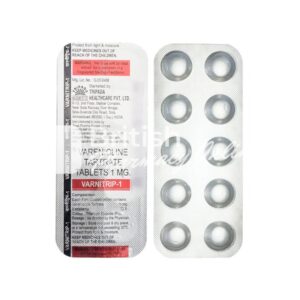
Varenicline (Champix) is a prescription medication that reduces cravings and blocks the rewarding effects of nicotine should you slip and have a cigarette. It works by partially stimulating nicotine receptors in the brain, reducing withdrawal symptoms whilst simultaneously blocking nicotine’s addictive effects. This medication is often prescribed as a 12-week course and has shown strong success rates in clinical trials. Your GP can assess whether Varenicline is suitable for you.
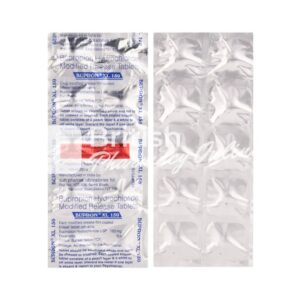
Bupropion (Zyban) is an antidepressant medication that reduces cravings and withdrawal symptoms whilst improving mood. Particularly beneficial for smokers who experience depression or low mood during quit attempts, Bupropion is typically prescribed for seven to nine weeks. It works differently to nicotine replacement, making it suitable for those who prefer non-nicotine options.
Combination Therapy often provides better results than single treatments. Many smokers successfully combine prescription medications with nicotine patches or other NRT products. Your healthcare provider can recommend the most effective combination based on your individual circumstances, smoking history, and medical background.
Behavioural Support and Counselling
Medication and nicotine replacement address the physical aspects of addiction, but behavioural support tackles the psychological and habitual elements of smoking.
Available Support Services
- NHS Stop Smoking Services provide free, evidence-based support across the United Kingdom with one-to-one counselling, group sessions, and telephone support from trained specialists
- Cognitive Behavioural Therapy (CBT) helps you identify triggers and develop practical coping strategies
- Support Groups connect you with others on the same journey, offering motivation and practical tips
NHS Stop Smoking Services provide free, evidence-based support across the United Kingdom. These services offer one-to-one counselling, group sessions, and telephone support from trained specialists. Attending regular appointments significantly increases your chances of quitting successfully. Your local service can discuss medication options and provide ongoing encouragement throughout your quit journey.
Cognitive Behavioural Therapy (CBT) helps you identify triggers that make you want to smoke and develop practical coping strategies. By understanding your smoking patterns—whether you smoke when stressed, bored, or in social situations—you can prepare alternatives. CBT teaches you to challenge unhelpful thoughts and build new, healthier habits.
Support Groups connect you with others on the same journey. Sharing experiences, challenges, and successes with fellow quitters provides motivation and practical tips. Many groups meet regularly in community centres, health clinics, or online platforms across the UK.
Practical Strategies for Quitting
Success requires combining medication or NRT with practical strategies that address your daily habits and triggers.
Key Strategies to Implement
Identifying Your Triggers is essential. Notice when you smoke—during breaks, with coffee, when stressed, or in social situations. Once you’ve identified patterns, you can plan alternatives: chewing gum instead of smoking with coffee, going for a walk instead of smoking when stressed, or preparing responses for social situations.
Setting a Quit Date creates a concrete starting point. Choose a date within the next two weeks and tell friends and family about your decision. Their support and accountability can be invaluable. Prepare by removing cigarettes, lighters, and ashtrays from your environment.
Managing Withdrawal Symptoms becomes easier when you expect them. Most intense symptoms last only a few days, though cravings may persist longer. Remember that cravings typically last just 3-5 minutes. During these moments, drink water, take deep breaths, or engage in a brief activity to distract yourself.
Staying Active reduces stress and cravings whilst improving your overall health. Regular exercise, even short walks, provides health benefits and gives you something productive to do when tempted to smoke.
Benefits of Quitting and Additional Resources
Quitting smoking delivers immediate and long-term health benefits. Within 20 minutes of your last cigarette, your heart rate drops. Within 12 hours, carbon monoxide levels in your blood return to normal. Within weeks, your lung function improves, and you’ll notice better breath and reduced coughing.
Financial and Health Advantages
Financial Benefits accumulate quickly. A pack-per-day smoker saves approximately £3,000 annually—money for holidays, hobbies, or investments. Over a decade, these savings become substantial.
Health Benefits continue improving for years. After one year, your risk of heart disease drops by half. After ten years, your lung cancer risk equals that of a non-smoker.
Additional Resources include NHS Smokefree (smokefree.nhs.uk), offering personalised quit plans and daily support emails. Quit smoking apps provide tracking, motivation, and coping techniques. Your pharmacist can also offer advice on appropriate products and support services.
Quitting smoking is achievable with the right combination of medication, support, and strategies. Speak with your GP, pharmacist, or local NHS Stop Smoking Service to begin your journey towards a healthier, smoke-free life.