Bedranol
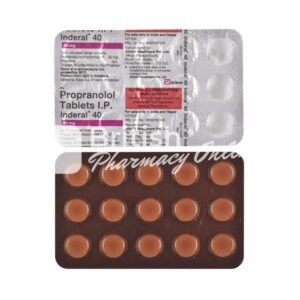
In brief
- In our pharmacy, you can buy bedranol without a prescription; note that propranolol is prescription-only in many countries, so local availability and regulations may differ.
- Bedranol (propranolol) is used for hypertension, angina, arrhythmias, migraine prophylaxis, essential tremor, infantile haemangioma and post‑MI secondary prevention; it is a non‑selective beta‑adrenergic blocker that reduces heart rate and myocardial contractility by antagonising β1 and β2 receptors.
- Usual adult doses vary by condition: hypertension typically starts at 40 mg twice daily (up to 120–240 mg/day), angina 80–320 mg/day (divided), arrhythmias 10–30 mg 3–4 times daily, migraine prophylaxis 80–240 mg/day, essential tremor 40 mg twice daily (up to 320 mg/day), post‑MI 180–240 mg/day; for infantile haemangioma start ~0.6 mg/kg twice daily titrating up to ~1.7 mg/kg three times daily under specialist supervision.
- Forms of administration include oral tablets (10 mg, 40 mg, 80 mg, 160 mg), extended‑release capsules/tablets (60–160 mg for once‑daily dosing), oral solution (Hemangeol 4.28 mg/mL for infants) and IV ampoules (1 mg/mL) for hospital use.
- Onset of effect: oral immediate‑release doses usually begin to take effect within about 1 hour (peak 1–4 hours); IV administration produces effects within minutes.
- Duration of action: immediate‑release formulations typically last around 3–6 hours per dose; extended‑release (LA/XL) preparations provide once‑daily coverage (up to 24 hours).
- Avoid alcohol or limit intake while taking bedranol, as alcohol can increase drowsiness, exacerbate hypotension and worsen other side effects.
- The most common side effect is fatigue; other frequent effects include dizziness, nausea, sleep disturbance, bradycardia and cold extremities.
- Would you like to try bedranol without a prescription?
Basic Bedranol Information
- INN (International Nonproprietary Name): Propranolol (pro-PRAN-oh-lol)
- Brand Names Available In United Kingdom: Inderal; Propranolol (generics); Hemangeol (paediatric oral liquid used in specialist care)
- ATC Code: C07AA05
- Forms & Dosages: Tablets 10 mg, 40 mg, 80 mg, 160 mg; Extended-release capsules/tablets 60 mg, 80 mg, 120 mg, 160 mg; Oral solution 4.28 mg/mL (Hemangeol); IV ampoules 1 mg/mL
- Manufacturers In United Kingdom: Local distribution includes AstraZeneca, Teva, Sandoz and multiple generic suppliers (sourced globally from Cipla, Sun Pharma, Mylan, Pfizer and others)
- Registration Status In United Kingdom: Listed as a prescription-only medicine and included in national formularies; extended-release and oral forms have EU/UK licences
- OTC / Rx Classification: Prescription only (Rx)
Key Findings From Recent Trials
Major 2022–2025 Studies
What Have Recent Trials Changed About Propranolol?
Recent clinical literature from 2022 to 2025 has largely consolidated existing knowledge rather than overturned it.
Most practice‑influencing trials continue to focus on infantile haemangioma using weight‑based Hemangeol regimens, long‑term secondary prevention after myocardial infarction and migraine prophylaxis comparisons with selective beta‑blockers.
Observational registries have reinforced cardiovascular mortality benefits when propranolol is used appropriately for secondary prevention post‑MI.
Head‑to‑head randomised trials comparing non‑selective propranolol with β1‑selective drugs such as metoprolol or atenolol tend to highlight tolerability differences over major efficacy gaps.
Main Outcomes
What Outcomes Are Clinically Relevant?
Consistent signals across recent work show clear efficacy for infantile haemangioma with Hemangeol weight‑based dosing.
Migraine prevention is reliable in the 80–240 mg/day range for many patients, while dose‑dependent effects are clear for blood pressure and arrhythmia control.
Extended‑release products such as Inderal LA/XL and generic ERs support once‑daily regimens and steadier plasma profiles in routine care.
Safety Observations
Have New Safety Issues Emerged?
Safety profiles remain stable and well understood.
Primary concerns continue to be bradycardia, hypotension, bronchospasm and hypoglycaemia risk in infants and people with diabetes.
Pharmacovigilance emphasises cautious use in patients with respiratory disease and those with hepatic impairment due to hepatic metabolism and potential accumulation.
Clinical Mechanism Of Action
Layman’s Explanation
How Does Bedranol Work In Plain Terms?
Propranolol is a non‑selective beta‑blocker that reduces heart rate and lowers blood pressure by blocking β1 and β2 receptors.
That leads to fewer palpitations, less angina, reduced migraine frequency and decreased proliferative signalling in vascular lesions such as infantile haemangioma.
Scientific Breakdown
What Happens At Receptor Level?
Propranolol acts as a competitive antagonist at β1 and β2 adrenoceptors, reducing myocardial contractility and slowing conduction through the heart.
It also lowers renin release via β1 blockade and can provoke bronchoconstriction where β2 blockade is clinically important.
Its lipophilicity enables central nervous system penetration, which is the likely basis for its benefit in performance anxiety and other central effects.
Formulation Implications
Does Formulation Matter?
Immediate‑release tablets (10–160 mg) typically need divided doses to maintain effect across the day.
Extended‑release options such as Inderal LA/XL and generic ER formulations (60–160 mg) allow once‑daily dosing with smoother plasma levels and can improve adherence.
Hemangeol oral solution (4.28 mg/mL) provides accurate weight‑based dosing for infants and is critical for safe paediatric administration.
Scope Of Approved And Off‑Label Use
United Kingdom Approvals
Which Indications Are Licensed In The UK?
Propranolol is prescription‑only and is included widely on UK formularies for hypertension, angina, arrhythmias, migraine prophylaxis, essential tremor and secondary prevention after myocardial infarction.
Both immediate‑release and extended‑release formulations (Inderal, Inderal LA/XL and generics) are commercially available for these indications.
Hemangeol is licenced in the EU/US for infantile haemangioma and informs UK specialist practice under paediatric pathways.
Notable Off‑Label Trends
What Do Clinicians Use It For Off‑Label?
Off‑label uses encountered in UK practice include performance and situational anxiety, adjunctive therapy for akathisia, symptom control in portal hypertension and dermatological uses where specialists may extrapolate haemangioma data.
Off‑label prescribing requires local governance and informed consent and should be documented in clinical records.
Choice between IR and ER formulations is driven by adherence, comorbidity and dosing needs; available forms include tablets 10–160 mg, ER 60–160 mg, oral solution 4.28 mg/mL and IV 1 mg/mL.
Dosage Strategy
General Dosing
How Should Propranolol Be Started?
The usual approach is to start low and titrate according to response and tolerability.
For adults with hypertension a common initiation is 40 mg twice daily, increasing toward 120–240 mg/day as clinically required.
Extended‑release products permit once‑daily regimens such as 60–160 mg once daily for steady control.
IV ampoules (1 mg/mL) are available for acute hospital use and controlled titration where necessary.
Condition‑Specific Dosing
What Are Typical Targets For Specific Conditions?
Hypertension: Start 40 mg twice daily and titrate, with many patients stabilising between 120 and 240 mg per day.
Angina: Typical ranges are 80–320 mg/day given in divided doses.
Arrhythmias: Immediate‑release dosing of 10–30 mg three‑to‑four times daily is commonly used.
Migraine Prophylaxis: Most patients benefit within 80–240 mg/day in divided doses.
Essential Tremor: Typically starts at 40 mg twice daily and may be increased up to 320 mg/day if needed and tolerated.
Post‑MI Secondary Prevention: Many regimens aim toward 180–240 mg/day in divided doses long term.
Paediatrics
How Is Hemangeol Used For Infants?
For infantile haemangioma with Hemangeol 4.28 mg/mL begin at 0.6 mg/kg twice daily and titrate under specialist supervision toward 1.7 mg/kg three times daily.
Pediatric dosing and monitoring should follow specialist paediatric dermatology or vascular anomaly protocols.
Safety Protocols
Contraindications
Who Should Not Take Propranolol?
Absolute contraindications include asthma or active bronchospasm, severe bradycardia, high‑degree AV block without a pacemaker, uncompensated heart failure and known hypersensitivity to propranolol or excipients.
Use with caution in diabetes, peripheral vascular disease, controlled heart failure and hepatic or renal impairment where dose adjustment and monitoring are required.
Adverse Effects
What Side Effects Do Patients Often Report?
Common adverse effects include fatigue, dizziness, nausea, sleep disturbance and vivid dreams, bradycardia, hypotension and cold extremities.
Less common effects can include sexual dysfunction, depression and rare cutaneous rash.
Monitoring And Mitigation
How Do Clinicians Reduce Risk?
Baseline assessments should include pulse, blood pressure and ECG where clinically indicated, with hepatic function checks if there is known liver disease.
Diabetic patients must be counselled that beta‑blockers can mask hypoglycaemia symptoms and advised to monitor glucose closely.
Taper gradually when discontinuing to reduce risk of withdrawal tachycardia or angina.
In overdose, emergency management focuses on airway, breathing and circulation with fluids, vasopressors, IV glucagon and beta‑agonists as required.
Interaction Mapping
Food Interactions
Are There Any Foods To Avoid?
There are no major food restrictions with propranolol, but alcohol can potentiate sedative and hypotensive effects and should be used cautiously.
High‑fat meals may alter absorption of some oral formulations and ER bioavailability can vary with meals, so monitor clinical response when changing formulation or taking with large meals.
Drug Combinations To Avoid
Which Medicines Require Extra Care?
Avoid combinations that produce additive bradycardia or hypotension such as verapamil, diltiazem, certain antiarrhythmics and other negative inotropes without specialist input.
Propranolol can mask hypoglycaemia when used with insulin or oral hypoglycaemics, so glucose monitoring and patient counselling are essential.
Drugs that inhibit propranolol metabolism (strong CYP inhibitors) may increase plasma levels and require dose adjustment and monitoring.
Special Scenarios
What About Asthma, Pregnancy And Pacemaker Patients?
Asthmatics are at real risk from β2 blockade and propranolol should generally be avoided in people with reactive airways disease.
In patients with heart block or a pacemaker, cardiology input is required before starting or changing beta‑blocker therapy.
Pregnancy and breastfeeding require individual risk/benefit assessment and monitoring of neonates for bradycardia or hypoglycaemia where exposure has occurred.
Patient Experience Analysis
Survey Data
What Do Patients Say About Bedranol?
Audit data and practice surveys show many patients find propranolol effective for migraine prevention, tremor control and situational anxiety.
Adherence is higher with once‑daily ER products and when clinicians discuss what to expect from therapy.
Common patient complaints that affect quality of life include fatigue, vivid dreams and cold hands and feet, while sexual dysfunction and mood changes are less frequent but important for some.
Forum Trends
What Do Online Communities Discuss?
UK patient forums commonly discuss titration challenges, withdrawal effects after abrupt stoppage and switching between branded Inderal and generics.
Parents using Hemangeol report close monitoring and frequent contact with specialists during the early titration phase.
Clinical Takeaway
How Should Clinicians Use This Feedback?
Proactive counselling about side effects, likely onset of benefit (often weeks for migraine) and safe discontinuation improves persistence and safety.
Shared decision‑making and clear documentation of indication and monitoring plans helps manage expectations and improves outcomes.
Distribution And Pricing Landscape
How Widely Is Propranolol Manufactured And Supplied?
Propranolol is produced by numerous manufacturers worldwide with major suppliers including Cipla and Sun Pharma in India and AstraZeneca, Teva and Sandoz in Europe.
In the UK Inderal and multiple generics are stocked by NHS trusts and community pharmacies, with extended‑release and immediate‑release options commonly available.
Pricing varies by brand and pack size, and generics typically offer the lowest cost for routine long‑term therapy.
Hemangeol is a specialist paediatric product supplied via specialist pathways and is priced accordingly.
Trust formularies commonly designate a preferred generic ER product for cost‑effectiveness, and local sourcing for Hemangeol follows paediatric dermatology or vascular anomaly networks.
In our online pharmacy, bedranol is available without a prescription, with discreet delivery to United Kingdom in 5-14 days.
Alternative Options
Comparison Table (Outline)
Which Alternatives Should Be Considered?
Common therapeutic alternatives include atenolol and metoprolol (β1‑selective), bisoprolol (β1‑selective) and carvedilol (non‑selective with α‑blockade).
Key comparison axes for selection are receptor selectivity, CNS penetration, half‑life, availability of once‑daily ER formulations, bronchospasm risk and indication nuances such as carvedilol’s role in heart failure.
Pros And Cons
How Does Propranolol Compare?
Propranolol’s advantages include a broad indication set, CNS penetration useful for anxiety and the haemangioma evidence base via Hemangeol.
Its main drawback is non‑selective β2 blockade, which elevates bronchospasm risk and makes it less suitable for people with asthma or some diabetics.
Selective alternatives reduce bronchospasm risk but may have less central anxiolytic effect than lipophilic propranolol.
Clinical Selection
How Should Comorbidity Guide Choice?
Prefer β1‑selective agents for patients with reactive airways disease.
Choose ER formulations where adherence is an issue and use licensed Hemangeol for infant haemangioma under specialist care when indicated.
Regulatory Status
What Is The Global And UK Position?
Propranolol is prescription‑only across major markets and is included in national formularies in the UK, EU and US.
FDA and EMA approvals cover multiple formulations, with extended‑release and oral forms registered in the EU and UK.
Hemangeol oral solution (4.28 mg/mL) is licenced in EU/US for infantile haemangioma and guides specialist UK practice.
Brand availability varies by market; Inderal is commonly available in the UK while multiple generics and ER branded forms are broadly registered.
Prescribing is governed by Rx‑only statutory rules and off‑label use requires documented rationale and informed consent with Yellow Card reporting for serious adverse events.
Consolidated FAQ
Is Bedranol Available Over The Counter In The UK?
No — propranolol remains prescription‑only in the UK.
Can Propranolol Be Used For Anxiety?
It is commonly prescribed off‑label for performance or situational anxiety and its lipophilicity explains central benefits; discuss this with a prescriber.
What If I Miss A Dose?
Take the missed dose when remembered unless it is close to the next scheduled dose; do not double up.
What About Pregnancy And Breastfeeding?
Use only if the expected benefit justifies the potential risk and provide specialist obstetric input; monitor neonates for bradycardia and hypoglycaemia if exposure occurs.
How Is Overdose Treated?
Emergency treatment is required; measures include supportive care, activated charcoal, IV fluids, beta‑agonists and IV glucagon where indicated.
Visual Guide
What Visuals Help Clinicians And Patients?
Suggested clinical visuals include a mechanism infographic showing β1/β2 receptor blockade and a CNS penetration note reflecting lipophilicity.
Dosing flowcharts should show adult condition‑based regimens, ER versus IR switching guidance and Hemangeol weight‑based titration from 0.6 mg/kg to 1.7 mg/kg approaches.
Contraindication checklists can use icons for asthma, AV block, severe bradycardia and heart failure.
An interaction matrix highlighting high‑risk pairings such as calcium‑channel blockers, insulin and CYP inhibitors is useful at the dispensing counter.
A formulation gallery should list Inderal tablet strengths (10, 40, 80, 160 mg), Inderal LA/XL strengths (60–160 mg), Hemangeol 4.28 mg/mL and IV ampoule 1 mg/mL.
All visuals should reference INN propranolol and the ATC code C07AA05 and cite product data where available.
Storage And Transport
How Should Propranolol Be Stored And Transported?
Store at room temperature between 15°C and 25°C away from moisture, heat and direct light.
Keep oral solutions tightly closed and transport products in their original packaging to protect from sunlight and mislabelling.
Hemangeol requires careful handling for paediatric dosing — use appropriate measuring devices and follow manufacturer stability instructions.
IV ampoules (1 mg/mL) are managed via hospital supply chains and follow manufacturer guidance on storage and any cold chain requirements if specified.
Pharmacies should label storage conditions on dispensed packs, advise patients against bathroom storage and record expiry after opening for oral solutions per manufacturer instructions.
Guidelines For Proper Use
How Should Treatment Be Initiated And Monitored?
Initiate at low doses (for example 40 mg twice daily for hypertension) and titrate according to clinical response and tolerability.
Prefer ER products to improve adherence when appropriate and follow the specialist Hemangeol protocol for infantile haemangioma.
Baseline monitoring should include pulse and blood pressure, ECG when indicated and hepatic function where impairment is suspected.
Monitor blood glucose in diabetics and infants, and counsel about recognising masked hypoglycaemia.
If a dose is missed, take it when remembered unless the next dose is near; do not double doses.
Taper gradually when stopping over days to weeks to reduce the risk of rebound tachycardia or angina.
In suspected overdose, seek emergency care immediately and institute supportive measures including IV fluids, glucagon and beta‑agonists as required.
Document indication, chosen formulation and brand, and provide clear counselling on interactions and monitoring with reference to UK prescribing governance and Yellow Card reporting.
Delivery Across United Kingdom
| City | Region | Delivery Time |
|---|---|---|
| London | England | 5-7 days |
| Birmingham | England | 5-7 days |
| Manchester | England | 5-7 days |
| Glasgow | Scotland | 5-7 days |
| Leeds | England | 5-7 days |
| Bristol | England | 5-7 days |
| Edinburgh | Scotland | 5-7 days |
| Liverpool | England | 5-9 days |
| Sheffield | England | 5-9 days |
| Newcastle | England | 5-9 days |
| Nottingham | England | 5-9 days |
| Cardiff | Wales | 5-9 days |
| Belfast | Northern Ireland | 5-9 days |
| Leicester | England | 5-9 days |
| Plymouth | England | 5-9 days |