Elavil
In brief
- Elavil (amitriptyline) can be purchased from pharmacies in many countries, including the UK and internationally, and it is normally prescription-only; however, availability and legal status can vary by country, and some online pharmacies may offer it without a prescription.
- Elavil is used to treat depression and is also prescribed off label for neuropathic pain, migraine prevention and some other pain syndromes. It is a tricyclic antidepressant that works by increasing the levels of noradrenaline and serotonin in the brain and by blocking certain receptors, which helps improve mood and reduce pain signalling.
- The usual dose depends on the condition: for depression, adults often start at 25–50 mg at night and may be increased gradually; for pain or migraine prevention, 10–25 mg at night is commonly used, with typical maintenance doses of 25–75 mg nightly. In older adults, lower starting doses are used.
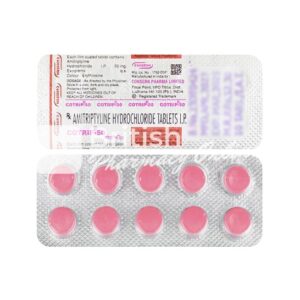
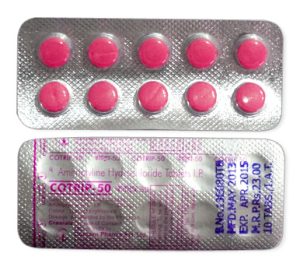
- Elavil is mainly taken as tablets, but oral solution/drops are available in some regions, and injection forms may exist in hospital settings. Common tablet strengths include 10 mg, 25 mg, 50 mg, 75 mg, 100 mg and 150 mg.
- Elavil usually starts to work within a few hours for its sedating effects, but the antidepressant benefit typically takes 1–4 weeks, and sometimes up to 6 weeks, to become noticeable.
- The duration of action is generally around 24 hours, so it is usually taken once daily, often at bedtime because it can cause drowsiness.
- Do not drink alcohol with Elavil, as alcohol can increase drowsiness, dizziness, impaired coordination and the risk of serious side effects.
- The most common side effects are drowsiness, dry mouth, blurred vision, constipation, dizziness, weight gain and urinary retention.
- Would you like to try Elavil without a prescription?
Basic Elavil Information
- INN (International Nonproprietary Name): Amitriptyline
- Brand Names Available in United Kingdom: Elavil is the historic brand name, but UK use is now mostly generic rather than branded. Other regional brand names include Vanatrip, Saroten, Tryptanol and Laroxyl.
- ATC Code: N06AA09
- Forms & Dosages: Tablets are most common, with strengths of 10 mg, 25 mg, 50 mg, 75 mg, 100 mg and 150 mg. Oral solution or drops may also be available in some markets. Rare hospital-use injection forms may exist.
- Manufacturers in United Kingdom: Teva, Sandoz, Mylan, Sun Pharma, Sanofi, Abbott, Apotex, Remedica, Medochemie, Zentiva and Actavis, depending on licensing and supply.
- Registration Status in United Kingdom: Prescription-only medicine in virtually all markets.
- OTC / Rx Classification: Prescription (Rx) only.
Recent Evidence And What It Means For Treatment
Are patients still asking whether Elavil is an old-fashioned choice or a useful one?
The short answer is that amitriptyline remains clinically relevant, especially where low-dose treatment is aimed at pain and sleep rather than mood alone.
Recent trials and reviews from 2022 to 2025 have continued to support its role in chronic pain syndromes, migraine prevention and some long-term symptom control, although the overall evidence is stronger for selected neuropathic pain use than for every pain condition.
In depression, amitriptyline for depression still has a place, but newer antidepressants, particularly SSRIs and SNRIs, are often preferred first because they are usually better tolerated.
For amitriptyline for pain, comparative evidence suggests it can perform well at low doses against duloxetine, gabapentin and pregabalin in some patients, especially when night-time symptoms and poor sleep are part of the picture.
That said, the older profile of amitriptyline side effects still shapes UK prescribing: sedation, anticholinergic burden and cardiac caution remain key concerns, especially in older adults and anyone with cardiovascular disease.
So, while Elavil is no longer the default option across all conditions, it has not been pushed aside entirely.
It remains a sensible, low-cost option when the benefit profile matches the patient, and that is why it still appears in UK prescribing for pain, migraine prevention and maintenance treatment where appropriate.
How Amitriptyline Works In The Body
Ever wondered why one tablet can help both low mood and nerve pain?
Amitriptyline hydrochloride is a tricyclic antidepressant, and its ATC code is N06AA09.
In plain English, it changes how the brain handles mood signals and pain signalling, which is why it may be used for depression and some long-term pain conditions.
Scientifically, amitriptyline tablets block the reuptake of serotonin and noradrenaline, so these chemical messengers stay active for longer in the nervous system.
It also has antihistamine and anticholinergic effects, which explain why amitriptyline 10 mg or 25 mg can feel sedating even before antidepressant benefit is obvious.
That sedating antidepressant effect is often useful at night, particularly when pain is worse in the evening or sleep is broken by discomfort.
For neuropathic pain, lower doses are often enough, and benefit may appear at doses below those used for depression.
In other words, the mechanism is not just about mood.
It also dampens pain pathways and can improve sleep continuity, which is why low-dose use is so common in chronic pain care.
Where Amitriptyline Is Used In The UK
Is Elavil still available, and what do UK patients actually get?
In the United Kingdom, amitriptyline is prescription-only and is widely available as a generic medicine.
The historic Elavil brand is still recognised, but most people are dispensed generic amitriptyline tablets rather than branded packs.
The classic licensed use is depression, and amitriptyline for depression remains part of the treatment picture when a tricyclic is judged suitable.
In day-to-day practice, UK clinicians also use it commonly for neuropathic pain, migraine prevention and, sometimes, sleep disturbance linked to chronic pain.
Off-label use is also seen in fibromyalgia, tension-type headache and other functional pain syndromes.
Dosing and monitoring change with the indication.
Low doses are typical for pain and migraine, while depression usually needs higher doses and more structured follow-up.
That fits NICE-style prescribing logic: use it when the likely benefit outweighs anticholinergic and cardiac risk, particularly in older patients or those with multiple medicines.
How The Dose Is Usually Chosen
What dose should a patient start on, and why is bedtime so common?
For depression, adults often start at 25–50 mg at bedtime, then the dose is increased gradually by 25–50 mg every few days as tolerated.
The usual target is 100–200 mg a day in divided doses, and the hospital maximum is 300 mg a day.
For pain, the starting dose is usually much lower, commonly 10–25 mg at night, with a usual range of 25–75 mg nightly.
Older adults should generally start at 10–25 mg a day and be titrated slowly because cognitive and motor impairment, falls and cardiac effects are more likely.
Children are generally not treated with amitriptyline for depression, although specialists may use it off-label in selected situations such as migraine or enuresis.
Where there is liver or kidney impairment, the safest approach is the lowest possible dose and very cautious titration.
Bedtime dosing is common because drowsiness is one of the best-known amitriptyline side effects.
In UK pharmacies, tablet strengths commonly include 10 mg, 25 mg, 50 mg, 75 mg, 100 mg and 150 mg, and oral solution or drops may be available in some markets.
Safety Checks Every Patient Should Know
Could a medicine that helps pain also cause serious problems?
Yes, and that is why safety screening matters before starting amitriptyline tablets.
Recent myocardial infarction, hypersensitivity to amitriptyline or tricyclic antidepressants, and recent or concomitant MAOI use within 14 days are absolute contraindications.
UK practice also places strong emphasis on ECG review in higher-risk patients, especially older adults or anyone with known cardiac disease.
Common side effects include drowsiness, dry mouth, blurred vision, constipation, weight gain, dizziness and urinary retention.
Other effects can include orthostatic hypotension, increased appetite, sweating and confusion, particularly in older patients.
The main monitoring priorities are cardiac rhythm, falls risk, cognitive effects and total anticholinergic load.
Overdose is dangerous and can be life-threatening because of cardiotoxicity, seizures and CNS depression, so tablets must be kept out of reach and taken exactly as prescribed.
Interactions With Food, Alcohol And Other Medicines
Do patients need to avoid certain foods?
There are no major food restrictions with amitriptyline, but alcohol and sedation are a poor combination.
Taking the medicine consistently, usually at night if it causes drowsiness, is the most practical routine.
MAO inhibitors must be avoided, and extra caution is needed with other CNS depressants, antihistamines and medicines that affect liver enzymes.
Interactions can also occur with some other antidepressants, several pain medicines and drugs that increase arrhythmia risk.
That is why pharmacy checks matter so much, especially in polypharmacy.
A quick over-the-counter conversation can catch a lot: sleep aids, cold remedies and herbal products are easy to overlook, yet they can add to sedation or interaction risk.
If a patient is already taking multiple medicines for blood pressure, sleep or pain, a proper interaction review is essential before amitriptyline is supplied or continued.
What Patients Usually Notice In Real Life
Does it actually help people day to day?
Patient-reported experience often centres on two benefits: better sleep and reduced pain.
That is why some people continue with it even when the antidepressant effect is modest.
Daytime drowsiness and dry mouth are common complaints, and many patients describe a “hangover” feeling the next morning, especially after an increase in dose.
Weight gain, constipation and a slow build-up of benefit also come up repeatedly in amitriptyline forum discussions and pharmacy consultations.
People often compare it with duloxetine, sertraline, pregabalin and gabapentin, usually based on tolerance rather than just on efficacy.
One patient may value a low-cost generic and a bedtime dose that improves sleep, while another may stop because of sedation or constipation.
In UK primary care, follow-up, dose timing and side-effect counselling make a real difference to adherence.
When patients know that benefit may be gradual and that low-dose use is often aimed at pain rather than mood alone, expectations tend to be more realistic.
Availability And Pricing In The UK
How easy is it to get hold of Elavil or amitriptyline tablets?
Tablets are the most common form, although oral drops or solution may also exist in some markets, and injectable products are rare and usually hospital-only.
Brand names vary internationally, with Elavil, Laroxyl, Saroten, Tryptanol and Vanatrip all appearing in different regions.
In the UK, supply is generally through generic prescribing in community pharmacy, which usually keeps costs modest compared with newer branded antidepressants.
Major manufacturers and suppliers include Teva, Sandoz, Mylan, Sun Pharma, Sanofi, Abbott and Apotex, alongside other UK and EU licence holders.
Local availability can vary by formulation and strength, so a 10 mg tablet may be easier to source than a less common pack size.
For patients, this usually means amitriptyline is a practical, affordable option rather than a premium one.
It is one reason the medicine remains in routine use despite being older than many of the alternatives.
In our online pharmacy, Elavil is available without a prescription, with discreet delivery to United Kingdom in 5-14 days.
When Another Medicine May Suit Better
Is amitriptyline always the best choice?
No, and there are several good alternatives depending on the condition being treated.
Compared with nortriptyline, imipramine and clomipramine, amitriptyline is often more sedating and more anticholinergic.
Compared with sertraline and escitalopram, it is generally less preferred for many depression cases because SSRIs are often easier to tolerate.
Duloxetine and venlafaxine are important SNRI options, especially when pain is part of the picture.
For neuropathic pain, gabapentin and pregabalin are widely used alternatives, with duloxetine also featuring strongly in UK pain pathways.
Amitriptyline has clear strengths: low cost, long experience, useful sleep benefit and generic supply.
Its downsides are equally clear: anticholinergic effects, sedation, overdose toxicity and cardiac caution.
Older adults, people with glaucoma, urinary retention, arrhythmia risk or troublesome daytime sleepiness may do better on a different treatment.
Regulatory Status And Prescribing Context
Is amitriptyline still formally recognised as a medicine of importance?
Yes.
Amitriptyline has been FDA approved since 1961, and the Elavil brand is now discontinued in the US while generics remain widely available.
It is listed by the WHO as an Essential Medicine and is prescription-only in virtually all markets.
The ATC code is N06AA09, which helps with precise product search and formulary work.
Across the EU, oversight sits with the EMA and national agencies, so local registration and pack availability can differ between countries.
That matters because brand names may still appear in older leaflets, yet UK prescribing usually uses the generic name, amitriptyline.
Formulary status and manufacturer supply can change, so pharmacies always need to check current stock and local guidance.
From a compliance point of view, the medicine is familiar, established and heavily used, but it still needs proper review because the safety profile is not trivial.
Common Questions Answered
What is Elavil?
Elavil is the historic brand name for amitriptyline, a tricyclic antidepressant.
Is Elavil still available in the UK?
The brand is largely historical in UK use, but amitriptyline is widely available as a generic prescription medicine.
What is amitriptyline used for?
It is used for depression, neuropathic pain, migraine prevention and some off-label pain syndromes.
How long does it take to work?
Sleep effects may appear earlier, but mood and pain benefits often take time, so gradual improvement is expected rather than instant change.
Can it be taken at night?
Yes, bedtime dosing is common because it can cause drowsiness.
What dose is used for pain versus depression?
Pain usually starts much lower, often 10–25 mg nightly, while depression treatment usually starts at 25–50 mg at bedtime and may rise much higher.
What should I do if I miss a dose?
Skip it if the next dose is close, then resume the usual schedule; never double-dose.
What are the most important side effects?
The main concerns are drowsiness, dry mouth, constipation, blurred vision, dizziness, urinary retention and, in higher-risk patients, cardiac effects.
A Simple Visual Guide For Patients
For a clear infographic, the safest layout is to show the path from tablet form to bedtime dosing to symptom relief.
A strength scale can run across 10 mg, 25 mg, 50 mg, 75 mg and 100 mg so patients can see how low-dose treatment differs from depression dosing.
The decision map should separate depression, neuropathic pain, migraine prevention and off-label use into simple blocks.
Warnings can sit in a coloured box for cardiac disease, glaucoma, urinary retention and overdose risk.
Plain-English labels work best, along with NHS-style colour coding and a short “when to seek help” panel.
It is also helpful to show packaging icons for tablets, oral drops and rare hospital-only injection forms.
That way, patients can understand both the medicine and the safety checks before they order or take it.
Storage And Safe Transport
Where should patients keep amitriptyline at home?
Store it at 15–30°C in a dry place and protect it from moisture and light.
Refrigeration is not normally needed.
Standard transport is sufficient, and the medicine should ideally stay in its original packaging.
Keep tablets away from children and pets, and check the expiry date before use.
Damaged tablets or bottles should not be used.
Good home storage matters because this medicine can be dangerous in overdose and should never be left where it could be taken accidentally.
How To Use It Properly
Is there a right way to take amitriptyline so it works better and causes fewer problems?
Yes: take it exactly as prescribed, often at bedtime because of sedation.
If it is being used regularly for depression, do not stop suddenly without advice.
Treatment for depression often continues for at least 6–12 months to reduce the risk of relapse, and longer courses may be needed in recurrent depression.
For pain or migraine, the medicine should be reviewed regularly to check whether the benefits still outweigh the adverse effects.
Patients should be warned about alcohol, driving, falls, constipation, dry mouth and the fact that benefit may be delayed.
If mood worsens, pain stays uncontrolled or side effects become troublesome, a review is needed rather than simply increasing the dose at home.
Gradual dose changes and supervised tapering are the safest approach, particularly in older adults or anyone with heart disease.
Delivery Across United Kingdom
| City | Region | Delivery time |
|---|---|---|
| London | England | 5-7 days |
| Birmingham | England | 5-7 days |
| Manchester | England | 5-7 days |
| Liverpool | England | 5-7 days |
| Leeds | England | 5-7 days |
| Glasgow | Scotland | 5-7 days |
| Edinburgh | Scotland | 5-7 days |
| Cardiff | Wales | 5-7 days |
| Belfast | Northern Ireland | 5-7 days |
| Bristol | England | 5-9 days |
| Newcastle upon Tyne | England | 5-9 days |
| Sheffield | England | 5-9 days |
| Nottingham | England | 5-9 days |
| Southampton | England | 5-9 days |