Lithium
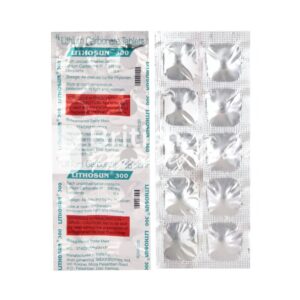
In brief
- Lithium is available from pharmacies and other medical suppliers in many countries as a prescription-only medicine; however, availability without a prescription may occur in some pharmacy settings depending on local rules. It should only be used under medical supervision because it has a narrow therapeutic index and requires monitoring.
- Lithium is used mainly for bipolar disorder, especially acute mania and long-term mood stabilisation, and may also be used as an add-on treatment in resistant depression. It works by stabilising nerve signalling in the brain and modulating neurotransmitter activity, helping to reduce mood swings and prevent relapse.
- The usual dose varies by condition and blood levels: for adults with acute mania, often 600–900 mg/day initially in divided doses, with maintenance commonly 900–1200 mg/day, adjusted to serum lithium concentrations. Dosing must be individualised, especially in older adults and those with kidney problems.
- Lithium is taken by mouth as tablets, capsules, prolonged- or controlled-release tablets, and sometimes oral solution; less commonly, effervescent tablets or oral drops are available. Common strengths include 150 mg, 200 mg, 250 mg, 300 mg, 400 mg, and 450 mg depending on the product.
- Lithium usually starts working gradually rather than immediately; some improvement may be seen within several days, but full benefit for mood stabilisation often takes 1–3 weeks, with longer-term control developing over weeks to months.
- The duration of action depends on the formulation: standard tablets generally last about 8–12 hours and are taken in divided doses, while modified-release forms may last longer. Therapeutic effects can be maintained long-term with regular monitoring, and treatment may continue for months or even lifelong.
- Avoid alcohol or keep intake to an absolute minimum, as alcohol can increase dehydration and worsen lithium toxicity and side effects. It is especially important to avoid dehydration from heat, exercise, vomiting, or diarrhoea while taking lithium.
- The most common side effects are nausea, diarrhoea, tremor, increased thirst, increased urination, fatigue, weight gain, and mild memory or concentration problems. Long-term use may also affect the thyroid and parathyroid glands, so blood monitoring is essential.
- Would you like to try lithium without a prescription?
Basic Lithium Information
- INN (International Nonproprietary Name): Lithium
- Brand names available in United Kingdom: Priadel, Camcolit, Liskonum, Li-Liquid, Priadel Liquid
- ATC Code: N05AN01
- Forms & dosages: Tablets, capsules, prolonged- or controlled-release tablets, oral solutions; common strengths include 150mg, 200mg, 250mg, 300mg, 400mg, 450mg, and oral solution concentrations such as 8 mmol/5mL
- Manufacturers in United Kingdom: Not specified
- Registration status in United Kingdom: Prescription-only medicine
- OTC / Rx classification: Prescription (Rx)
Recent Evidence, Clinical Use, And Why Lithium Still Matters
Major Recent Studies
Is lithium still worth the monitoring burden when there are newer bipolar medicines on the shelf?
The short answer from recent bipolar evidence is yes, for many patients it still is.
Across meta-analyses, comparative cohort studies, and real-world registry data published between 2022 and 2025, lithium carbonate remains one of the strongest options for relapse prevention in bipolar disorder.
The most consistent findings are fewer manic relapses, better long-term maintenance, and signals of suicide-risk reduction compared with several alternatives.
That matters in UK practice because NICE and specialist psychiatry services continue to place lithium near the top for people with recurrent mania, classic bipolar I disorder, or repeated hospital admissions.
Real-world data are especially persuasive here, because they reflect day-to-day use rather than perfect trial conditions.
They also show the practical truth that lithium works best when serum lithium is kept in range, follow-up is reliable, and doses are adjusted with care.
Main Outcomes
For many adults, the therapeutic serum lithium range is 0.6–1.2 mmol/L, with maintenance often aiming towards the lower end of that range if symptoms remain controlled.
That balance is the reason lithium remains a first-line mood stabiliser for many patients with bipolar disorder.
The evidence base is strongest for long-term maintenance therapy, where reduced manic relapse and sustained mood stabilisation are seen again and again.
Specialists also value lithium because it can be effective after repeated relapses, which is why it still appears frequently in bipolar treatment UK pathways.
Safety Observations
The same studies and guidance updates also remind clinicians why lithium is not a casual prescription.
It has a narrow therapeutic index, so the difference between benefit and toxicity can be small.
Dehydration, renal impairment, hot weather, vomiting, diarrhoea, and interacting medicines can all push serum lithium into a dangerous range.
That is why serum lithium monitoring, renal function checks, and thyroid function tests remain part of routine maintenance therapy.
Layman’s Explanation
People often ask whether lithium is a sedative or an antidepressant.
It is neither in the usual sense.
Lithium is a mood stabiliser that helps dampen extreme highs and lows rather than simply making someone feel sleepy or emotionally flat.
Many carers notice that the person is still themselves, just less likely to tip into mania, agitation, or repeated crashing lows.
For a patient who has had several admissions in a year, that can make a life-changing difference.
Scientific Breakdown
At a scientific level, lithium affects neuronal signalling, second messenger pathways, circadian rhythm, glutamate activity, and likely neuroprotective processes.
The exact mechanism of action is still not completely understood, which is common in psychiatry even for medicines that clearly work.
What matters in practice is that lithium treatment needs time, careful titration, and regular blood monitoring because the therapeutic effect depends on steady exposure rather than a quick sedating hit.
Why The Mechanism Matters In Practice
That delayed onset explains why doses are adjusted gradually and why serum lithium levels are checked after changes.
It also explains why adherence matters so much.
If tablets are missed, then restarted unevenly, the blood level can drift and symptoms can return or adverse effects can rise.
United Kingdom Approvals
In the UK, lithium is a prescription lithium medicine used widely for bipolar disorder maintenance and also for acute mania under specialist supervision.
Common UK names include Priadel tablets, Camcolit, Liskonum, Li-Liquid, and Priadel Liquid, depending on the formulation and local supply.
Patients sometimes ask what is Camcolit used for, and the answer is the same therapeutic family: bipolar disorder and mood stabilisation.
Notable Off-Label Trends
Specialists may also use lithium as augmentation in treatment-resistant depression, usually when standard antidepressant treatment has not been enough.
That use is more specialist-led and depends on local NHS psychiatry protocols and shared care arrangements.
In practice, that means baseline bloods, dose documentation, and ongoing monitoring are built into the treatment plan rather than added later.
Regulatory Nuance
Lithium falls under ATC code N05AN01.
That classification reflects its role in nervous system treatment and psycholeptic use.
Whatever the indication, lithium prescription status applies throughout major markets and it is not an over-the-counter medicine.
General Dosing
How much lithium someone needs depends on the formulation, kidney function, and the serum level reached, not just the tablet strength on the box.
For adults, initial dosing is often 600–900 mg/day in divided doses, then adjusted to blood levels and response.
That is why two people on lithium carbonate tablets may end up with very different doses.
Renal clearance makes a major difference, especially in older adults or anyone with kidney disease.
Condition-Specific Dosing
For acute mania, higher starting doses and quicker titration are usually needed, with closer monitoring of serum lithium levels.
For maintenance, many adults end up around 900–1200 mg/day, but the real target is the individual serum concentration and symptom control.
For depression augmentation, lower doses may be used, again guided by blood levels and specialist judgement.
Special Populations
Older adults usually start at 50–75% of the adult dose because renal clearance is reduced.
Children are not first-line and should only receive lithium under paediatric specialist guidance.
In significant renal impairment, lithium should be avoided, and in milder dysfunction the dose may need to be reduced with very close monitoring.
Contraindications
Can everyone take lithium safely? No, and that is one reason pharmacists take the counselling seriously.
Absolute contraindications include severe renal impairment or failure, sodium depletion, dehydration, allergy to lithium salts, Addison’s disease, and Brugada syndrome.
Pregnancy and breastfeeding need extra caution and specialist review because they carry higher risk.
Adverse Effects
The most common lithium side effects are nausea, diarrhoea, abdominal discomfort, tremor, fatigue, polyuria, polydipsia, weight gain, and memory disturbance.
Some people notice a fine hand tremor early on, while others mainly notice needing the toilet more often or feeling unusually thirsty.
Long-term use can affect the endocrine system, particularly thyroid function and parathyroid function, which is why blood-test monitoring is not optional.
Monitoring Essentials
Regular checks should include serum lithium, renal function, thyroid function tests, and symptom review for toxicity.
That monitoring burden is part of safe use, not a sign that the treatment is failing.
A patient with stable levels may still need periodic review, because changes in hydration, other medicines, or kidney function can alter safety over time.
Food Interactions
Does food itself interact with lithium?
Not in the way many patients expect, but sodium intake and hydration status matter a great deal.
Sudden changes in salt intake can affect lithium handling by the kidneys.
Fluid loss during hot weather, strenuous exercise, vomiting, or diarrhoea can increase toxicity risk.
That is why sick-day advice matters for lithium medication, especially during winter bugs or summer heatwaves.
Drug Combinations To Avoid
The biggest interaction concerns are NSAIDs, ACE inhibitors, diuretics, and other medicines that affect renal function or lithium clearance.
That risk is high because lithium has a narrow therapeutic index.
Even a routine OTC painkiller can matter, so the medicine list should be checked every time treatment changes.
Practical UK Advice
Pharmacists and GPs should always review ibuprofen use, blood pressure treatment, and any new diuretic before lithium is continued or adjusted.
That review is especially important if a patient has started a medicine at a weekend and notices tremor or nausea shortly afterwards.
Small changes in prescribing can have large effects on serum lithium levels.
Survey Data
Patient reports about lithium are remarkably consistent.
Thirst, frequent urination, tremor, weight gain, and the inconvenience of blood tests come up again and again in lived-experience surveys and clinic feedback.
Adherence is often challenged not because the medicine never helps, but because the monitoring feels demanding and the early side effects can be off-putting.
Forum Trends
Online discussions often describe a similar pattern.
Some people say lithium was the first treatment that kept repeated relapses away.
Others are anxious about toxicity, especially after reading about missed doses, dehydration, or kidney checks.
There is also a recurring fear of stopping treatment after stability, because relapse can follow when a long-standing mood stabiliser is withdrawn too quickly.
Caregiver Perspective
Families often focus on the early warning signs of lithium toxicity, such as worsening tremor, confusion, or unsteady walking.
They also carry the practical burden of reminders for blood tests and follow-up appointments.
For carers, the challenge is usually not just the medicine itself, but keeping the whole monitoring protocol running smoothly.
United Kingdom Market Availability
What can actually be found in UK pharmacy supply chains?
Common branded and generic forms include Priadel, Camcolit, Liskonum, Li-Liquid, Priadel Liquid, and generic lithium carbonate or lithium citrate products.
Forms include tablets, modified-release tablets, capsules, and oral solutions.
Packaging varies by product and can include blister packs, strip packs, HDPE bottles, or amber glass bottles, depending on the formulation and manufacturer.
Supply And Packaging
Some regional products, such as Camcolit 250mg and Camcolit 400mg, are familiar to UK clinicians, while international comparators include A-Lith, Quilonorm 8.1 mmol, Apo-Lithium Carbonate, Granions de Lithium, and Alkalith-CR.
Those international variants matter because they show how widely used lithium is, even though local branding and packaging differ.
There is also a growing demand for both pharmaceutical and technical-grade lithium globally, which helps explain why supply can feel more complex than for many other psychotropic medicines.
For patients, that usually means one simple rule: try to stay on the same brand and formulation unless the prescriber or pharmacist specifically changes it.
Market Context
Supply and pricing can change over time, especially with modified-release tablets and oral solution stock.
That is one reason patients sometimes hear different brand names during repeat dispensing or shared care reviews.
In our online pharmacy, lithium is available without a prescription, with discreet delivery to United Kingdom in 5-14 days.
Comparison Table
| Medicine | Main Role In Bipolar Disorder | Onset | Monitoring | Pregnancy Considerations | Relapse Prevention Profile |
|---|---|---|---|---|---|
| Lithium | Maintenance, acute mania, suicide-risk reduction | Delayed, with titration needed | Serum lithium, renal, thyroid | Higher-risk, specialist review needed | Strongest maintenance evidence for many patients |
| Valproate | Mood stabilisation, mania prevention | Moderate | Blood tests and liver-related monitoring | Major pregnancy restrictions | Useful, but not always as effective for classic mania prevention |
| Lamotrigine | More helpful for bipolar depression prevention | Slow titration | Clinical monitoring | Specialist review needed | Better for depressive polarity than mania prevention |
| Carbamazepine | Alternative mood stabiliser | Moderate | Blood monitoring required | Caution needed | Alternative option when other medicines are unsuitable |
| Quetiapine | Mania and bipolar depression | Faster than lithium | Metabolic monitoring | Specialist-led decision | Useful broader symptom control |
| Olanzapine | Mania control and maintenance in some patients | Faster | Metabolic monitoring | Specialist-led decision | Effective, but side-effect burden can limit use |
Pros And Cons
The main strength of lithium is its long-term maintenance evidence and the signal for suicide-related benefit.
The main drawback is obvious: blood tests, renal surveillance, thyroid checks, and careful dose discipline are all part of the deal.
Alternatives may be easier to start or simpler to monitor, but they are not always as effective for preventing classic manic relapse.
Decision-Making In Practice
In the UK, the best choice often depends on episode polarity, previous response, pregnancy plans, coexisting medical problems, and how well blood monitoring can realistically be done.
A person with repeated mania may benefit most from lithium, while someone with prominent depressive episodes may need a different mood stabiliser or combination approach.
The right answer is often the one that fits the illness pattern and the patient’s life, not just the prescription list.
UK And International Classification
Lithium is Rx-only in all major markets.
That includes the UK, US, and EU, where it is controlled as a prescription medicine because of toxicity risk and the need for monitoring.
The ATC code remains N05AN01, which is the standard reference used in medicines governance and pharmacy systems.
UK Prescribing Framework
Specialist initiation, baseline bloods, and shared-care monitoring between psychiatry and primary care are standard in the NHS.
Some local formularies favour specific brands so the patient stays on the same formulation for consistency.
That is not administrative fussiness; it helps reduce confusion with dose changes and blood-test interpretation.
Compliance And Labelling
Clear dose instructions, brand consistency, and traceable blood results matter because lithium monitoring only works when every result can be linked to the correct product and regimen.
A simple label error or unrecorded brand switch can cause real problems.
For that reason, lithium prescribing is treated carefully across UK psychiatry and primary care.
Common Patient Questions
What is lithium used for? It is used mainly for bipolar disorder, especially maintenance and acute mania, and sometimes as augmentation for resistant depression.
How long does lithium take to work? It usually needs gradual titration, so the benefit is not immediate.
Why do I need blood tests? To check serum lithium and to protect the kidneys and thyroid.
Can I take ibuprofen with lithium? It is best avoided unless a clinician has checked the interaction first.
What happens if I miss a dose? Take it when remembered unless the next dose is near, and do not double up.
Safety And Use Questions
What are overdose warning signs? Severe vomiting, confusion, marked tremor, unsteady walking, and drowsiness need urgent help.
Can lithium be used in pregnancy? Only after specialist review because pregnancy carries higher risk, especially in the first trimester.
Is lithium available over the counter? No, it is a prescription medicine.
What should be done after overdose? It is a medical emergency and may need hospital treatment, fluid management, or dialysis.
Answer Style
These answers are short on purpose, because plain English helps people act quickly when it matters.
That is especially important for missed dose advice, blood monitoring, and toxicity symptoms.
What To Include In A Practical Infographic
A useful lithium infographic should show a serum level chart, a dose-adjustment flow, and a simple side-effect severity scale.
It should also include a red-flag box for urgent help, covering vomiting, confusion, tremor, and unsteady walking.
A timeline for baseline tests, dose changes, and ongoing monitoring makes the process feel less daunting for patients and carers.
Suggested Visuals
A brand and form matrix can also help, especially where tablets, modified-release tablets, capsules, and oral solution are all available.
That keeps the information practical for UK pharmacy use.
Accessibility Notes
Use large labels, high colour contrast, and plain-language captions so the chart is easy to read in a hurry.
NHS-style readability works best when the important steps are obvious at a glance.
Storage Rules
How should lithium be kept at home?
Store it at 25°C, with permitted excursions from 15–30°C, and protect it from moisture and heat.
The original packaging should be kept whenever possible, because it helps with batch traceability and labelling.
Transport Advice
When travelling, take the prescription-labelling and medication documentation with you, especially for flying or longer overseas trips.
Lithium should be handled as a prescription item, not as a casual travel medicine.
That matters for border checks, continuity of dosing, and reordering when away from home.
Practical Cautions
Do not leave packs in a hot car, damp bathroom, or direct sunlight.
Heat and moisture can damage storage conditions and make treatment less reliable.
Day-To-Day Administration
Take lithium exactly as prescribed, usually at the same time each day.
If a dose is missed, take it as soon as remembered unless the next dose is close.
Do not double a dose to make up for one that was missed.
Keep salt and fluid intake stable unless a clinician has advised otherwise.
When To Seek Help
Urgent advice is needed for severe diarrhoea, vomiting, confusion, worsening tremor, unsteady walking, or reduced consciousness.
Those symptoms can signal lithium toxicity.
An overdose is a medical emergency and may require hospital care or dialysis.
Long-Term Self-Management
Long-term lithium use works best when renal and thyroid monitoring stays on schedule.
Medication reviews are also important before starting any new treatment, especially painkillers, blood pressure medicines, or diuretics.
Good self-management is not complicated, but it does need consistency.
Delivery Across United Kingdom
| City | Region | Delivery time |
|---|---|---|
| London | England | 5-7 days |
| Birmingham | England | 5-7 days |
| Manchester | England | 5-7 days |
| Glasgow | Scotland | 5-7 days |
| Edinburgh | Scotland | 5-7 days |
| Leeds | England | 5-7 days |
| Liverpool | England | 5-7 days |
| Bristol | England | 5-7 days |
| Sheffield | England | 5-7 days |
| Newcastle upon Tyne | England | 5-7 days |
| Cardiff | Wales | 5-7 days |
| Nottingham | England | 5-9 days |
| Leicester | England | 5-9 days |
| Aberdeen | Scotland | 5-9 days |
| York | England | 5-9 days |
Final Takeaway
Lithium remains one of the most important mood stabilisers in psychiatry because it can reduce manic relapse, support long-term maintenance, and help some patients stay well after repeated episodes.
Its value comes with strict safety rules: serum lithium monitoring, renal and thyroid checks, attention to hydration, and careful review of interactions.
For the right patient, managed properly, lithium can be a highly effective part of bipolar disorder treatment in the UK.