Xenical
In brief
- Xenical (orlistat) can be purchased through pharmacies and online pharmacy services in some countries; 120 mg Xenical is usually prescription-only, whilst 60 mg alli may be sold over the counter in select markets. In some pharmacies it may also be possible to buy Xenical without a prescription, depending on local regulations.
- Xenical is used for weight loss and weight management in adults. It works as a lipase inhibitor, reducing the absorption of dietary fat in the intestine.
- The usual dose is 120 mg three times daily with each main meal containing fat, or up to 1 hour after the meal. Do not exceed 120 mg three times daily.
- The form of administration is an oral capsule.
- It starts to work with the first dose by blocking fat absorption during the meal, but visible weight-loss effects usually take days to weeks and depend on following a reduced-calorie, low-fat diet.
- The duration of action covers the meal it is taken with; it is used long term, with treatment review often recommended after 12 weeks to assess response.
- Alcohol does not have a specific direct interaction with orlistat, but heavy drinking can undermine weight-loss efforts and is best limited.
- The most common side effects are oily or fatty stools, oily spotting, increased bowel movements, urgent stools, flatulence with discharge, and abdominal cramping.
- Would you like to try Xenical without a prescription?
Basic Xenical Information
- INN (International Nonproprietary Name): Orlistat
- Brand Names Available In United Kingdom: Xenical, alli
- ATC Code: A08AB01
- Forms & Dosages: Capsule, 120 mg; capsule, 60 mg
- Manufacturers In United Kingdom: F. Hoffmann-La Roche AG for Xenical; generics from Sun Pharma, Cipla, Zentiva, Teva, Mylan, and regional suppliers
- Registration Status In United Kingdom: Prescription governance through authorised pharmacy supply; 120 mg is prescription-only in most regions, while 60 mg is available as an OTC format in select markets
- OTC / Rx Classification: Prescription (Rx) for most 120 mg products; OTC for 60 mg in select countries
Xenical And Weight Loss: What The Recent Evidence Says
Major 2022–2025 Studies
People often ask whether Xenical still has a place now that newer weight loss medication options are making headlines.
The short answer is yes, especially when the aim is steady, diet-linked weight loss rather than rapid, injection-based treatment.
Recent evidence and long-running trial data continue to support orlistat as a useful fat-blocking capsule for adults who can stick to a reduced-calorie diet.
Across study periods ranging from 12 weeks to 2–4 years, the pattern is consistent: patients who take Xenical 120mg with meals, keep fat intake sensible, and review progress early are the ones most likely to benefit.
The medicine is designed to be used alongside a nutritionally balanced diet with around 30% of calories from fat, not as a stand-alone fix.
Increasing the dose beyond 120 mg three times daily does not improve efficacy, which is important for people who assume that more tablets mean more weight loss.
The same evidence base also reinforces a simple rule used in UK practice: stop treatment if less than 5% of body weight has been lost after 12 weeks.
That review point matters because it helps separate genuine responders from people who are taking the medicine but not following the diet closely enough.
In real-world use, long-term maintenance tends to be strongest when the medicine is taken with each main meal containing fat, during the meal or up to 1 hour after eating.
Compared with GLP-1 injectables such as Wegovy, the weight loss is usually more modest, but the oral route and familiar safety profile still make orlistat attractive for many adults.
Main Outcomes
Typical response patterns are fairly predictable.
Some people lose weight gradually over the first few weeks, while others need a full 12-week review before the benefit becomes clear.
That slower start can be frustrating, but it is also what makes the treatment practical for long-term use when expectations are realistic.
If the weight does not shift by at least 5% at the 12-week checkpoint, continuing is unlikely to help much.
The medicine works best when each dose is matched to a meal that actually contains fat.
If the meal is skipped or contains no fat, the dose can usually be skipped too.
Safety Observations
The recurring side-effect pattern is also well established.
Most reactions are gastrointestinal and tend to appear early, especially if the person eats a high-fat meal.
Common complaints include oily stools, urgent bowel movements, fatty or oily spotting, and flatulence with discharge.
These effects often improve when the diet becomes lower in fat and more consistent.
That is why pharmacy counselling is such a big part of successful orlistat use.
How Xenical Works
Layman’s Explanation
Xenical is best thought of as a fat-blocking capsule.
Rather than stopping hunger, it reduces how much dietary fat is absorbed from the gut.
That means fewer calories are taken in from fat, which can support weight loss when it is paired with a sensible diet.
It is a weight loss aid, not an appetite suppressant.
For many people, that distinction matters because the medicine does not change cravings in the way some other treatments do.
Instead, it works where the food is absorbed, which is why the meal composition makes such a difference.
Scientific Breakdown
Orlistat is classified under ATC code A08AB01.
It sits in the group of peripherally acting anti-obesity products.
Its main action is intestinal lipase inhibition.
By blocking these enzymes, the medicine prevents a portion of fat from being broken down and absorbed in the bowel.
The result is reduced fat absorption and a lower calorie intake from meals.
Because the action is local rather than systemic, it is often described as a non-systemic obesity treatment.
What This Means In Practice
When people eat a high-fat meal, there is more unabsorbed fat in the bowel, and that increases the chance of gastrointestinal side effects.
In other words, the tablet and the diet work together, for better or worse.
Better diet adherence usually means better tolerability and better outcomes.
A practical example is the customer who says the capsule “did not suit me” after a takeaway meal, but feels fine on a lower-fat routine the next day.
Who Can Use It And What It Is Used For
United Kingdom Approvals
In the UK market, Xenical and orlistat are used as weight loss medicine for adults who need help alongside diet changes.
Xenical 120 mg capsules is the name most people search for in pharmacy listings, while orlistat capsules is often used for generic products.
alli 60 mg is the lower-strength OTC version seen in some markets, but 120 mg remains the standard prescription strength globally.
For online pharmacy customers, the most common search wording is usually “Xenical 120 mg capsules” or “orlistat 120mg”.
Specialist weight management pathways may use orlistat when diet-based intervention alone has not been enough.
It is not suitable in pregnancy or while breastfeeding.
That point should be taken seriously, because weight loss is not recommended during pregnancy and the medicine is not intended for use in that setting.
For anyone ordering through an online pharmacy, discreet delivery and pharmacy checks are important, and in our online pharmacy Xenical is available without a prescription, with discreet delivery to the United Kingdom in 5-14 days.
Notable Off-Label Trends
Outside standard prescribing, orlistat is sometimes discussed in specialist obesity services when patients need an oral option and injectable treatment is not suitable.
That may include people who are needle-averse or who prefer to avoid injectable therapy for practical reasons.
Even then, appropriate screening is still essential before supply.
A proper pharmacy review should always consider medicines, medical history, and whether the person is likely to cope with the diet requirements.
How Xenical Is Dosed
General Dosing
The standard adult dose is 120 mg orally three times daily.
Each dose should be taken with a main meal that contains fat, either during the meal or up to 1 hour after eating.
If the meal is missed, the dose is usually skipped.
Doses above 120 mg three times a day do not improve efficacy.
That is one of the clearest dosage messages for Xenical 120mg and a useful reminder for anyone comparing weight loss tablets.
The medicine should be used with a balanced, calorie-reduced diet.
The target diet is commonly described as containing around 30% of calories from fat.
That balance helps reduce side effects and supports better adherence.
Condition-Specific Dosing
No routine adjustment is needed in older adults, but comorbidity and polypharmacy mean caution is sensible.
Children under 12 should not routinely use the medicine because safety and efficacy are not established in that age group.
Renal impairment has not been specifically studied in depth, so caution is sensible in severe disease despite minimal absorption.
Hepatic impairment also warrants caution, and specialist advice is wise if disease is advanced.
In everyday practice, the question is not just whether the dose is right, but whether the patient can follow the meal plan reliably.
Safety Before Starting Xenical
Contraindications
There are some clear reasons not to use Xenical.
Chronic malabsorption syndromes are a key exclusion, including conditions such as cholestasis and inflammatory bowel disease.
Hypersensitivity to orlistat or any excipient is another reason to avoid it.
Pregnancy is a contraindication because weight loss itself is not advised during pregnancy.
Breastfeeding is also not recommended.
Extra caution is sensible in people with a history of kidney stones because of the risk of oxalate nephropathy.
Chronic kidney disease calls for renal monitoring.
A history of gallbladder or pancreatic disorders also deserves careful review.
People taking cyclosporine or warfarin need particular attention, because levels and INR may need monitoring.
Adverse Effects
The common side effects are mainly digestive.
These include oily or fatty stools, oily spotting, increased defecation, fecal urgency, flatulence with discharge, abdominal cramping, rectal pain, and nausea.
Some people also report headache or upper respiratory infections, although these are less prominent.
Symptoms often peak early, then settle as the person improves adherence to a low-fat diet.
That is why patients are often told to expect bowel changes if they eat a richer meal.
When To Escalate
Persistent severe GI symptoms need review, especially if the patient is struggling despite following the diet.
Any suspicion of kidney injury should be escalated quickly.
Intolerance that continues despite dietary adherence is also a good reason to stop and reassess.
Food And Drug Interactions
Food Interactions
Meals high in fat are the main trigger for unpleasant GI effects.
That does not mean fat must be eliminated completely, but it does need to be controlled.
A nutritionally balanced, reduced-calorie diet with about 30% of calories from fat is the target used in standard regimens.
If someone keeps eating large, fatty meals and then wonders why the medicine is uncomfortable, the answer is usually straightforward.
Xenical works with the diet, not against it.
Drug Combinations To Avoid
Cyclosporine and warfarin are the main interaction concerns that require monitoring.
Anyone taking several medicines should have a proper clinical review before supply.
That is especially true in older adults, where medication lists are often longer and the chance of interaction is higher.
A pharmacy check should also consider transplant medicines and gastrointestinal disease before recommending orlistat prescription UK supply.
Practical UK Pharmacy Note
Before any supply decision, pharmacy teams should ask about anticoagulants, transplant therapy, kidney disease, and significant bowel problems.
That sort of review is routine, not alarmist, and it protects the patient from avoidable problems.
What Patients Say In Real Life
Survey Data
Patient experience tends to improve when people understand the fat-related GI effects before starting.
That expectation-setting makes a big difference to satisfaction.
When users know that oily stools and urgency are linked to fatty meals, they are less likely to stop too early.
People are also more likely to stay on treatment if they understand the 12-week review point and know that it is not meant to be a vague long-term trial and error.
Reviewing progress at 12 weeks gives both the patient and the prescriber a clear decision point.
In practice, that is where weight loss medication becomes a structured plan rather than a hopeful experiment.
Forum Trends
In UK discussions, the same questions come up repeatedly.
People search for Xenical side effects, how to take Xenical, and why oily stools happen.
There is also regular interest in Orlistat vs Xenical, because many shoppers want to know whether the brand and generic are effectively the same.
Another frequent query is where to buy Xenical online UK, usually from people comparing pharmacy access routes and delivery times.
That search pattern is a good reminder that clear, plain-language counselling is still needed.
Access, Pricing, And Packaging
UK access usually runs through prescription pharmacy supply for Xenical 120 mg, while broader interest continues around orlistat generic products.
Pack sizes vary by market, with US and EU-style packs commonly listed as 21, 42, 84, or 90 capsules for the 120 mg strength.
For alli 60 mg, pack sizes of 42, 60, or 120 capsules are typical.
Xenical is produced by F. Hoffmann-La Roche AG, while generic orlistat products are supplied by manufacturers such as Sun Pharma, Cipla, Zentiva, Teva, Mylan, and regional companies.
Pricing is often a deciding factor, especially when patients compare oral treatment with newer injectables.
Pharmacy-led dispensing and online pharmacy checks remain important because supply should stay within authorised channels.
People often want a simple route to buy Xenical online UK, but the safer route is always one that includes a proper suitability check.
How Xenical Compares With Other Options
Comparison Table
| Medicine | Mechanism | Route | Prescription Status | UK Access Context |
|---|---|---|---|---|
| Xenical / Orlistat | Lipase inhibitor | Oral capsule | Rx for 120 mg in most regions | Suitable where an oral option is preferred |
| alli 60 mg | Lipase inhibitor | Oral capsule | OTC in select markets | Lower strength option |
| Saxenda | Liraglutide, GLP-1 analog | Injectable SC | Rx only | Used in specialist weight management |
| Wegovy / Ozempic | Semaglutide, GLP-1 analog | Injectable SC | Rx only | Often associated with greater weight loss |
| Contrave | Bupropion/naltrexone | Tablet | Rx only | Not the same mechanism as orlistat |
| Mysimba | Bupropion/naltrexone | Tablet | Rx only | European alternative in some settings |
Pros And Cons
The main strengths of Xenical are that it is oral, non-systemic, and familiar to many prescribers.
It is also useful for people who want to avoid injections.
The weaknesses are just as important.
GI effects can be unpleasant, and the treatment depends heavily on diet adherence.
Weight loss is usually more modest than with GLP-1 options.
For the right patient, though, the balance can still be favourable.
Best-Fit Patient Types
Xenical is often a better fit for people who want an oral option and are prepared to work with the diet rules.
It can also suit patients who are not suitable for injectable therapy.
That practical fit is often what drives good long-term adherence.
Regulation And Supply
Xenical and orlistat 120 mg are prescription-only in most regions.
alli 60 mg is OTC in select countries.
That split matters because search results can make different products look interchangeable when the regulatory status is not the same.
FDA approval is listed under NDA 020766, EMA approval is in place, Australia uses an S3 pharmacist-only model, and Romania requires ANMDMR registration.
For the UK, the key point is that supply should follow prescription governance and online pharmacy regulation, with authorised channels doing the checks before dispensing.
That is the safest way to access Xenical tablets UK without confusion over product strength or legality.
Consolidated Frequently Asked Questions
What Is Xenical? Xenical is a prescription oral weight loss aid that contains orlistat and blocks some of the fat absorbed from food.
Is Xenical The Same As Orlistat? Yes. Xenical is the brand name, and orlistat is the INN.
How Quickly Does Xenical Work? Some people notice changes within a few weeks, but treatment should be reviewed at 12 weeks and stopped if less than 5% body weight has been lost.
What Are The Common Side Effects? The usual Xenical side effects are oily stools, urgency, increased bowel movements, oily spotting, flatulence with discharge, and abdominal cramping.
Can I Buy Xenical Online In The UK? Yes, but it should be supplied through an authorised pharmacy route with proper suitability checks.
What Is The Difference Between Xenical And alli? Xenical is the 120 mg prescription-strength product, while alli is the 60 mg lower-strength OTC version seen in select markets.
Visual Guide
A simple visual section helps patients understand the treatment quickly.
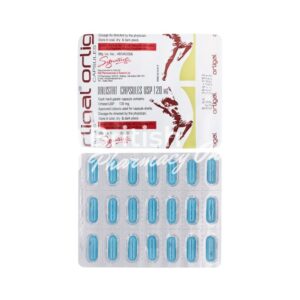
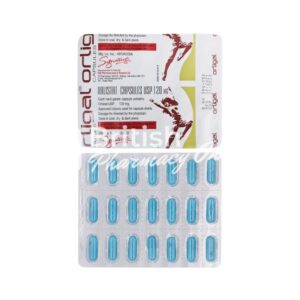
One useful image is the capsule appearance, so patients know what Xenical capsules look like.
Another is a meal timing flowchart showing take with food, skip if the meal is missed, and do not double up.
A third can show the fat-content reminder, using a simple “reduced-calorie, about 30% fat” message.
Warning icons for oily stools and urgent bowel movements help set expectations.
A comparison graphic can also work well, showing Xenical 120 mg vs alli 60 mg vs GLP-1 injectables at a glance.
Storage And Transport
Store Xenical capsules at 15–30°C.
Protect the pack from moisture and light.
Do not freeze the medicine.
Keep it in the original packaging until use.
For UK travel, blister packs are convenient because they are compact and easy to check.
A dry carry case away from heat is sensible for journeys, especially in warm weather.
How To Use Xenical Properly
Take one capsule with each main fat-containing meal.
If a meal is missed, skip the dose.
If it has been more than 1 hour after the meal, the dose should also be skipped.
Do not double up if a dose is forgotten.
Long-term use is possible, but progress should be reviewed after 12 weeks.
If less than 5% body weight has been lost by that point, treatment should be discontinued.
That review strategy helps keep weight loss medication use focused and realistic.
In overdose data, no serious adverse reactions were reported even at high doses, but severe GI symptoms should still be monitored and treated symptomatically.
Delivery Across United Kingdom
| City | Region | Delivery Time |
|---|---|---|
| London | Greater London | 5-7 days |
| Birmingham | West Midlands | 5-7 days |
| Manchester | North West England | 5-7 days |
| Glasgow | Scotland | 5-7 days |
| Edinburgh | Scotland | 5-7 days |
| Leeds | West Yorkshire | 5-7 days |
| Liverpool | Merseyside | 5-7 days |
| Bristol | South West England | 5-7 days |
| Cardiff | Wales | 5-7 days |
| Belfast | Northern Ireland | 5-7 days |
| Sheffield | South Yorkshire | 5-9 days |
| Newcastle upon Tyne | North East England | 5-9 days |
| Nottingham | East Midlands | 5-9 days |
| Leicester | East Midlands | 5-9 days |
| Norwich | East of England | 5-9 days |