
Antiviral
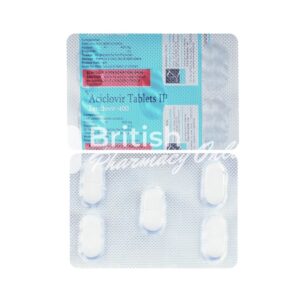
Aciclovir
from
Hydroxychloroquine
from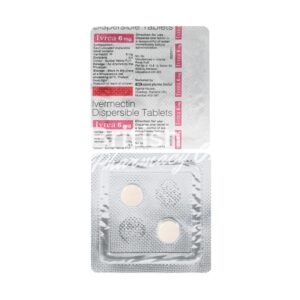
Ivermectin
from
Plaquenil
from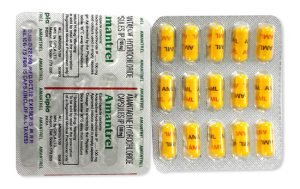
Symmetrel
fromUnderstanding Antiviral Medications
Antiviral medications are prescription and over-the-counter drugs designed to combat viral infections by inhibiting the growth and reproduction of viruses within the body. Unlike antibiotics that target bacteria, antivirals work by interfering with viral replication processes, preventing the virus from multiplying and spreading to healthy cells. These medications can be used to treat acute viral infections or manage chronic conditions caused by persistent viruses.
Antivirals vary in their mechanism of action—some prevent viruses from entering cells, others inhibit enzymes needed for viral replication, and some boost the immune system’s ability to fight infections. Common viral infections treated with antivirals include influenza, herpes simplex, chickenpox, shingles, HIV, and hepatitis C. The effectiveness of antiviral treatment depends on several factors, including the type of virus, the stage of infection, individual health status, and how quickly treatment is initiated. Most antivirals work best when started early in the course of illness.
Antivirals for Influenza and Respiratory Viruses
Influenza antivirals are among the most commonly prescribed antiviral medications in the United Kingdom. These medications are particularly important during winter months when flu cases surge. Oseltamivir, marketed as Tamiflu, is the most widely used antiviral for treating and preventing influenza A and B viruses. It works by inhibiting neuraminidase, an enzyme that allows virus particles to spread throughout the respiratory system. Zanamivir, sold under the brand name Relenza, is another option available as an inhaled powder and is effective against both influenza strains. Peramivir is an intravenous option reserved for patients unable to take oral or inhaled medications.
These medications are most effective when taken within 48 hours of symptom onset, reducing symptom duration by approximately one day and lowering the risk of complications. They’re particularly recommended for elderly patients, those with chronic health conditions, pregnant women, and healthcare workers. Available on the NHS under specific criteria, these antivirals can significantly reduce hospitalisation rates and mortality in high-risk groups. Common side effects include nausea, vomiting, and headaches, which are generally mild and temporary. Zanamivir may cause bronchospasm in patients with underlying respiratory conditions, so careful consideration is necessary before prescription.
Herpes Virus Antivirals
Herpes simplex virus infections affect millions of people across the UK, and antiviral medications provide effective management options. Acyclovir is the gold standard treatment and is available in multiple formulations including tablets, creams, injections, and eye ointment. It’s used to treat both HSV-1 (cold sores) and HSV-2 (genital herpes) infections as well as preventing recurrent episodes. Valacyclovir, a prodrug of acyclovir, offers superior bioavailability and requires less frequent dosing than acyclovir.
Famciclovir is another option that’s converted to penciclovir in the body, providing effective treatment for herpes infections. These medications work by inhibiting viral DNA polymerase, preventing the virus from replicating. For cold sores, topical antivirals like acyclovir cream can be applied directly to affected areas and are available over-the-counter at most UK pharmacies. For severe or frequent recurrences, oral antivirals can be taken daily as suppressive therapy, reducing outbreak frequency by up to 80 per cent. During an active outbreak, antivirals reduce symptom duration from 7-10 days to approximately 5-7 days when started early. These medications are particularly important for immunocompromised patients who may experience severe or prolonged infections.
Antivirals for Varicella-Zoster Virus
Varicella-zoster virus causes chickenpox and shingles, two distinct conditions requiring antiviral intervention. Acyclovir remains the primary treatment for both conditions and is particularly crucial for treating shingles, where early treatment significantly improves outcomes. When started within 72 hours of shingles symptom onset, acyclovir substantially reduces acute pain and the incidence of post-herpetic neuralgia—a potentially debilitating complication causing long-term pain. Valacyclovir and famciclovir are preferred options for shingles as they achieve higher concentrations in affected tissues and allow for more convenient dosing schedules.
For chickenpox in otherwise healthy children, antiviral treatment may not be routinely necessary as the body typically clears the infection independently. However, antivirals are recommended for adults, pregnant women, immunocompromised individuals, and those with severe disease. Shingles antivirals are available on the NHS for patients over 50 years of age or those at increased risk. Treatment is most effective when initiated within the first few days of rash appearance. These medications can be combined with other pain management strategies to provide comprehensive symptom relief. Patients should remain vigilant about side effects and report any concerns to their healthcare provider, as dosage adjustment may be necessary for those with renal impairment.
Antivirals for Chronic Viral Infections
Chronic viral infections including HIV and hepatitis C require long-term antiviral therapy. For HIV management, combination antiretroviral therapy (ART) has transformed the condition from a fatal diagnosis to a manageable chronic disease. Medications such as integrase inhibitors, reverse transcriptase inhibitors, and protease inhibitors work together to suppress viral replication, allowing CD4 counts to recover and preventing progression to AIDS. Modern HIV regimens often use three active drugs, with many available as fixed-dose combinations requiring only one pill once daily.
Hepatitis C antivirals have revolutionised treatment outcomes, with direct-acting antiviral drugs (DAAs) now achieving cure rates exceeding 95 per cent. These medications target specific hepatitis C viral proteins and can clear the infection in as little as 8-12 weeks. Available regimens in the UK include sofosbuvir-velpatasvir combinations and sofosbuvir-velpatasvir-voxilaprevir for treatment-experienced patients. Hepatitis B management involves nucleos(t)ide reverse transcriptase inhibitors such as tenofovir and entecavir, which suppress viral replication and prevent liver damage progression. Regular monitoring is essential during chronic antiviral therapy to assess treatment efficacy and manage potential side effects. Many patients tolerate these medications well, with improved formulations continuously reducing adverse reactions and improving quality of life.
Obtaining and Using Antivirals in the UK
In the United Kingdom, antivirals are available through various channels depending on the specific medication and individual circumstances. Many antivirals are available on the NHS when prescribed by a healthcare professional, particularly for vulnerable populations or those meeting specific treatment criteria. Your GP can assess your condition and determine whether antiviral treatment is appropriate for your particular situation. Prescriptions can be dispensed at community pharmacies nationwide, with pharmacists providing guidance on proper administration and potential interactions with other medications.
Some antivirals, such as certain cold sore creams containing acyclovir, are available for purchase over-the-counter without prescription, allowing for quick access to treatment. Online pharmacies operating within the UK also provide convenient options for obtaining prescribed antivirals with home delivery services. When taking antivirals, it’s essential to complete the full course as prescribed, even if symptoms improve, to ensure the virus is completely suppressed and resistance doesn’t develop.
Important points to remember when using antivirals include:
- Always inform your pharmacist of other medications you’re taking, as some antivirals interact with common drugs
- Store antivirals as directed, keeping them away from moisture and extreme temperatures
- Complete the full course of treatment even if symptoms improve early
- Contact your healthcare provider if concerning side effects develop
- Seek medical advice if your condition doesn’t improve after several days of treatment
Your pharmacist and GP are valuable resources for questions about antiviral medications and can provide personalised advice based on your individual health needs.