
Cholesterol
Understanding Cholesterol and Why It Matters
Cholesterol is a waxy substance found in your blood and body cells. Your body needs cholesterol to build healthy cells, but having too much can increase your risk of heart disease and stroke. There are two main types: LDL (low-density lipoprotein), often called “bad cholesterol,” and HDL (high-density lipoprotein), known as “good cholesterol.” High LDL levels can lead to fatty deposits in your arteries, whilst HDL helps remove cholesterol from your bloodstream. Many people in the UK suffer from high cholesterol without knowing it, as there are typically no symptoms. Regular blood tests are the only way to check your levels. Factors affecting cholesterol include diet, exercise, weight, age, and family history. Understanding your cholesterol levels is crucial for maintaining long-term heart health and preventing cardiovascular complications.
Who Should Monitor Their Cholesterol?
Everyone over the age of 40 should have their cholesterol checked regularly. However, younger individuals with family history of heart disease, those who are overweight, or people with diabetes should also be monitored. Men are generally at higher risk, particularly those over 45, whilst women’s risk increases after menopause. If you have existing heart disease, high blood pressure, or are a smoker, cholesterol monitoring becomes even more important for your health management.
Common Cholesterol Medications Available in the UK
Statins – The Most Prescribed Option
Statins are the most commonly prescribed cholesterol-lowering medications in the United Kingdom. They work by blocking an enzyme your liver needs to produce cholesterol, effectively reducing LDL levels by up to 50%. Available statins include atorvastatin, simvastatin, pravastatin, and rosuvastatin. Atorvastatin is particularly popular due to its effectiveness and tolerability. Simvastatin is often prescribed as a first-line treatment for many patients. These medications also have anti-inflammatory properties that may protect artery walls. Most statins are taken once daily in the evening for optimal effectiveness. Side effects are generally mild but can include muscle aches in some patients. Regular liver function tests may be recommended when starting statin therapy to ensure safety.
Other Cholesterol-Lowering Medications
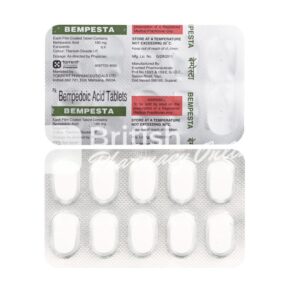
Besides statins, several other medications are available. Ezetimibe works by reducing cholesterol absorption in the intestines and is often combined with statins for enhanced results. PCSK9 inhibitors like evolocumab and alirocumab are newer treatments for people who cannot tolerate statins or need additional cholesterol reduction. Fibrates such as fenofibrate are particularly useful for lowering triglycerides. Bempedoic acid is a newer option for those with statin intolerance. Your GP will determine which medication is most suitable based on your cholesterol levels, health conditions, and personal circumstances.
Lifestyle Changes to Support Cholesterol Management
Diet and Nutrition
Making dietary changes can significantly impact your cholesterol levels without medication or alongside it. Reduce saturated fats by choosing lean meats, low-fat dairy products, and avoiding processed foods. Increase soluble fibre intake through oats, beans, lentils, and fruits, which can help lower LDL cholesterol naturally. Incorporate omega-3 fatty acids from fish such as salmon, mackerel, and sardines at least twice weekly. Replace butter with olive oil or other plant-based oils when cooking. Choose wholegrain bread and cereals over refined versions. A Mediterranean-style diet is particularly recommended by UK health professionals for maintaining healthy cholesterol levels.
Key dietary recommendations include:
- Limiting foods high in trans fats, including many shop-bought cakes, biscuits, and takeaway meals
- Eating more nuts, seeds, and plant sterols, which actively work to reduce cholesterol absorption
- Choosing lean meats and low-fat dairy products whenever possible
- Incorporating at least two portions of oily fish per week
- Using olive oil for cooking instead of butter or saturated fats
Physical Activity and Weight Management
Regular physical activity can raise HDL (good) cholesterol and lower triglycerides. The NHS recommends at least 150 minutes of moderate-intensity aerobic activity each week. Activities like brisk walking, cycling, swimming, and jogging are all beneficial. Losing weight if you’re overweight or obese significantly improves cholesterol profiles. Even a 5-10% weight reduction can positively affect your numbers. Combining regular exercise with a healthy diet provides the most effective results for cholesterol management.
When to Start Cholesterol Treatment
Risk Assessment and Medical Guidelines
Your GP will assess your individual cardiovascular risk before recommending treatment. The NHS uses risk assessment tools to determine if medication is necessary based on your age, cholesterol levels, blood pressure, smoking status, and family history. Generally, if your LDL cholesterol is consistently above 3.0 mmol/L and you have cardiovascular risk factors, medication may be recommended. People with existing heart disease, previous stroke, or diabetes are usually started on cholesterol-lowering medications regardless of their cholesterol levels. Your doctor may recommend a trial of lifestyle changes first if you’re at lower risk, though this depends on individual circumstances.
Blood Test Requirements
Before starting any cholesterol medication, you’ll need a blood test to measure your lipid profile. This includes total cholesterol, LDL, HDL, and triglycerides. The NHS typically recommends repeat tests 4-12 weeks after starting medication to ensure it’s working effectively. Annual monitoring is standard once you’re stable on treatment. Fasting blood samples were previously required but are no longer necessary for cholesterol testing in most UK practices.
Managing Side Effects and Medication Concerns
Common Side Effects and Solutions
Most cholesterol medications are well-tolerated, but some people experience muscle pain or weakness, particularly with statins. If this occurs, inform your GP, as changing the dose or switching medications often resolves the issue. Liver enzyme elevation is monitored through blood tests and rarely requires stopping treatment. Digestive issues and headaches are less common but usually temporary. Grapefruit juice can interact with certain statins, so check with your pharmacist about dietary interactions.
Statin Intolerance and Alternatives
Some people cannot tolerate statins due to muscle symptoms or other side effects. In these cases, alternative medications like ezetimibe, bempedoic acid, or PCSK9 inhibitors may be recommended. Your GP can work with you to find an effective treatment plan that minimises side effects whilst managing your cholesterol effectively.
Getting Your Cholesterol Medication from UK Pharmacies
Obtaining Your Prescriptions
Once your GP has prescribed cholesterol medication, you can collect it from any registered pharmacy across the UK. Your prescription is valid for ten days from the date issued by your doctor. Most cholesterol medications are available on the NHS, meaning you’ll pay the standard prescription charge (currently £9.90 per item in England) regardless of the actual medication cost. Many high street pharmacies can dispense your medication within hours. Some pharmacies offer repeat prescription services, automatically ordering your medication so you never run out.
Pharmacist Support and Advice
Your pharmacy team can provide valuable support in managing your cholesterol. They can explain how to take your medication correctly, discuss potential side effects, and answer questions about interactions with other medicines. Many UK pharmacies now offer cholesterol monitoring services and can review your medication regularly. Your pharmacist can also recommend over-the-counter products to support heart health, such as plant sterol drinks or supplements. Building a relationship with your local pharmacy ensures consistent, personalised care for your cholesterol management.