
Diabetes
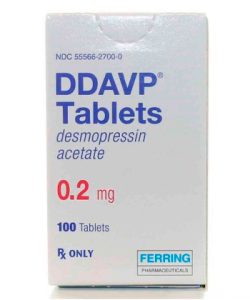
Ddavp
from
Glucobay
from
Glucophage Sr
from
Glucovance
from
Metformin
from
Novonorm
fromUnderstanding Diabetes
Diabetes is a long-term condition affecting how your body regulates blood sugar levels. When you have diabetes, your pancreas either doesn’t produce enough insulin or your body can’t use insulin effectively. This causes glucose to build up in your bloodstream rather than being used for energy.
There are three main types of diabetes. Type 1 diabetes occurs when the pancreas produces little or no insulin, usually developing in childhood or early adulthood. Type 2 diabetes is the most common form, where the body becomes resistant to insulin or doesn’t produce enough. Gestational diabetes develops during pregnancy and usually resolves after birth.
Recognising the symptoms early is crucial for effective management. Common signs include increased thirst, frequent urination, fatigue, blurred vision, and slow-healing cuts or sores. Some people experience tingling or numbness in their hands and feet. If you notice these symptoms, contact your GP for testing and diagnosis.
Type 2 Diabetes Medications
Type 2 diabetes medications work in various ways to help control blood sugar levels. Your doctor will recommend the most suitable option based on your individual needs and health profile.
Metformin
Metformin is typically the first medication prescribed for Type 2 diabetes. It works by reducing glucose production in the liver and improving insulin sensitivity. Metformin is available as immediate-release and extended-release tablets, with doses ranging from 500mg to 2000mg daily.
Sulfonylureas
Sulfonylureas like gliclazide and glipizide stimulate your pancreas to produce more insulin. These medications work quickly and are effective for many patients. Gliclazide is commonly prescribed, available in standard and modified-release formulations.
SGLT2 Inhibitors
SGLT2 inhibitors including dapagliflozin and empagliflozin help your kidneys remove excess glucose through urine. These medications also offer cardiovascular and kidney protection benefits. They’re increasingly recommended as second-line treatments.
GLP-1 Receptor Agonists
GLP-1 receptor agonists like dulaglutide and semaglutide improve insulin secretion and reduce appetite. Semaglutide, available as a weekly injection, has shown excellent results in weight management and cardiovascular protection. These are particularly beneficial for patients who are overweight.
DPP-4 Inhibitors
Dipeptidyl peptidase-4 inhibitors (DPP-4 inhibitors) such as sitagliptin increase insulin production when blood sugar is high. They’re taken once or twice daily and have a good safety profile with minimal side effects.
Type 1 Diabetes Management
Type 1 diabetes requires insulin therapy since the pancreas cannot produce adequate insulin. Insulin replacement is essential for survival and blood sugar control.
Insulin Types
Insulin types available in the UK include rapid-acting, short-acting, intermediate-acting, and long-acting formulations. Rapid-acting insulins like aspart and lispro work within 15 minutes, making them ideal for meals. Long-acting basal insulins such as glargine and detemir provide background insulin coverage throughout the day.
Insulin Delivery Methods
Insulin delivery methods include multiple daily injections using pens and pumps, or continuous subcutaneous insulin infusion pumps. Many patients use a combination approach with basal-bolus therapy, combining long-acting and rapid-acting insulins.
Blood Glucose Monitoring
Blood glucose monitoring is critical for Type 1 diabetes management. Patients typically check blood sugar multiple times daily using finger-prick testing. Continuous glucose monitors (CGMs) are increasingly available on the NHS, providing real-time glucose readings and trend information.
Carbohydrate Counting
Carbohydrate counting helps Type 1 patients match insulin doses to food intake. Understanding how different foods affect blood sugar enables better daily management and improved glycaemic control.
Lifestyle and Weight Management
Lifestyle modifications are fundamental to diabetes management alongside medications. Diet, exercise, and weight management significantly impact blood sugar control and overall health.
Healthy Eating
Healthy eating involves choosing low glycaemic index foods, controlling portion sizes, and reducing refined sugars. Whole grains, vegetables, lean proteins, and healthy fats should form the basis of your meals. Working with a dietitian helps create a personalised meal plan suited to your preferences and needs.
Regular Physical Activity
Regular physical activity improves insulin sensitivity and helps maintain healthy weight. The NHS recommends at least 150 minutes of moderate-intensity aerobic activity weekly, combined with resistance training twice weekly. Even small amounts of daily movement benefit blood sugar control.
Weight Management
Weight management is particularly important for Type 2 diabetes. Research shows that losing just 5-10% of body weight can significantly improve blood sugar control and reduce medication requirements. For eligible patients, weight management medications may be prescribed alongside lifestyle changes.
Stress Management and Sleep
Stress management and quality sleep are often overlooked but crucial factors. High stress and poor sleep elevate cortisol levels, making blood sugar control more difficult. Regular relaxation techniques, adequate rest, and addressing mental health support overall diabetes management.
Monitoring and Complications
Regular monitoring helps prevent diabetes complications and ensures your treatment plan is effective. Consistent check-ups with your healthcare team are essential.
HbA1c Testing
HbA1c testing measures average blood sugar over three months, indicating long-term control. The target for most people with diabetes is below 58 mmol/mol (7.5%), though individual targets may vary. Regular HbA1c measurements guide medication adjustments.
Blood Pressure and Cholesterol Management
Blood pressure monitoring is vital since diabetes increases cardiovascular disease risk. Target blood pressure is usually below 130/80 mmHg. Many diabetic patients benefit from blood pressure medications such as ACE inhibitors or ARBs. Cholesterol management through statin therapy reduces heart attack and stroke risk. Most people with diabetes benefit from taking statins regardless of cholesterol levels, as diabetes itself is a major cardiovascular risk factor.
Complications Prevention
Complications prevention includes regular eye screening for diabetic retinopathy, foot checks for neuropathy and ulcers, and kidney function testing. Annual health checks through your GP or diabetes clinic monitor these important areas.
Support and Additional Resources
Managing diabetes successfully involves utilising available support services and staying informed about your condition.
Your Healthcare Team
Your healthcare team includes your GP, diabetes specialist nurse, dietitian, and eye screener. Regular appointments ensure your treatment remains optimal and complications are detected early. Don’t hesitate to contact your team with questions or concerns.
Available Support Services
Several valuable resources can assist your diabetes management:
- Patient education programmes like Diabetes UK courses help you understand your condition better and develop self-management skills
- Diabetes UK is a valuable charity providing information, support groups, and advocacy with extensive resources and forums
- Many NHS areas offer structured education programmes specifically designed for newly diagnosed patients
- Technology and apps increasingly support diabetes management including blood glucose monitoring apps, medication reminders, and carbohydrate counters
- Local support groups connect you with others managing diabetes for shared experiences and practical advice
Discuss which tools and services might benefit your personal management approach with your healthcare provider.