
Hair Loss
Understanding Hair Loss: Causes and Types
Hair loss, medically known as alopecia, affects millions of people across the United Kingdom. Understanding the different types and causes is the first step towards finding an effective solution. Hair loss can occur gradually or suddenly, affecting small patches or the entire scalp.
Male Pattern Baldness is the most common form of hair loss, accounting for the majority of cases. It’s caused by genetics and the hormone DHT, leading to progressive hair thinning. Female Pattern Hair Loss presents differently, typically causing diffuse thinning across the scalp rather than complete baldness.
Telogen Effluvium is a temporary condition triggered by stress, illness, or hormonal changes, causing significant shedding. Alopecia Areata is an autoimmune condition resulting in patchy hair loss. Other causes include thyroid problems, nutritional deficiencies, certain medications, and scalp infections. Environmental factors like pollution, excessive heat styling, and harsh chemicals also contribute to hair loss. Lifestyle choices including poor diet, smoking, and inadequate sleep can accelerate hair thinning. Understanding your specific type of hair loss helps determine the most appropriate treatment option available in the UK market.
Topical Treatments and Solutions
Topical treatments are popular choices for managing hair loss in the United Kingdom. These products are applied directly to the scalp and are available both over-the-counter and by prescription.
Minoxidil is one of the most widely recognised topical treatments available in UK pharmacies. Marketed under various brand names, it’s applied twice daily to the scalp and helps stimulate hair growth and prevent further loss. This treatment is particularly effective for male and female pattern baldness when used consistently over several months.
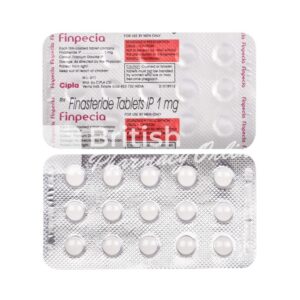
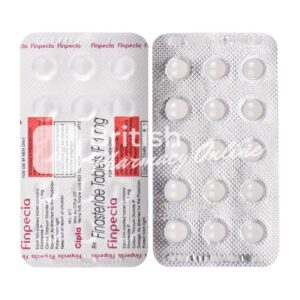
Finasteride is available as a prescription treatment and works by reducing DHT levels in the body. Many UK pharmacies stock this medication, and it’s often combined with topical treatments for enhanced results. It’s particularly effective for men experiencing early stages of hair loss.
Hair growth serums and scalp tonics are increasingly popular over-the-counter options. These typically contain botanical extracts, vitamins, and minerals designed to nourish the scalp and promote healthy hair growth. Brands like Regaine are commonly found in UK pharmacies and supermarkets. Caffeine-based shampoos and conditioners have gained popularity for their ability to stimulate the scalp and strengthen hair roots. These products offer a non-invasive option for those seeking daily hair care solutions. Regular use alongside other treatments can provide additional benefits for maintaining hair health.
Oral Medications and Supplements
Oral treatments for hair loss address the problem from within, targeting hormonal and nutritional factors contributing to hair loss.
Finasteride tablets are available on prescription in the United Kingdom through NHS services or private prescriptions. This medication blocks the conversion of testosterone to DHT, slowing hair loss and sometimes promoting regrowth. It requires consistent use and can take three to six months to show visible results.
Hair loss supplements containing biotin, zinc, iron, and B vitamins are widely available without prescription. These supplements address nutritional deficiencies that may contribute to hair loss. Products containing saw palmetto have shown promise in supporting hair health by naturally blocking DHT. Collagen supplements have become increasingly popular for promoting hair strength and elasticity. Many UK health shops and online pharmacies stock various collagen products specifically marketed for hair, skin, and nails. These work best when combined with a balanced diet and adequate hydration.
Multivitamins specifically formulated for hair health combine several beneficial ingredients in one convenient product. These often include ingredients like selenium, vitamin E, and plant extracts. They’re particularly helpful for those with poor dietary habits or restricted diets affecting nutrient intake. Oral treatments typically require three to six months of consistent use to achieve noticeable results. Consulting with a pharmacist or healthcare provider helps ensure supplements don’t interact with existing medications.
Professional Treatments Available in UK
Beyond over-the-counter and prescription options, UK pharmacies often provide information about professional treatments administered by specialists.
Low-level laser therapy is available through specialist clinics across the United Kingdom. This treatment uses specific wavelengths of light to stimulate hair follicles and increase blood circulation to the scalp. Whilst expensive, many users report positive results after consistent treatment over several months.
Hair transplant procedures represent a more permanent solution, though they require surgical intervention. UK specialists perform follicular unit extraction (FUE) and follicular unit transplantation (FUT) procedures. These are typically private treatments requiring significant investment but can provide lasting results.
Additional professional options include:
- Platelet-rich plasma (PRP) therapy, increasingly available in UK clinics and involving injected concentrated platelets into the scalp to stimulate hair follicle activity
- Scalp micropigmentation, which creates the appearance of fuller hair through specialised tattooing techniques
- Specialist consultation services offering comprehensive assessment and treatment planning
Your pharmacist can provide referrals to qualified specialists and explain what to expect from professional treatments. They can also advise on combining professional treatments with over-the-counter solutions for optimal results.
Lifestyle Changes and Prevention
Preventing hair loss requires attention to overall health, diet, and daily habits. Making positive lifestyle changes can significantly impact hair quality and reduce hair loss progression.
Nutritional improvements form the foundation of hair health. Increasing intake of protein, iron, zinc, and vitamins A, B, C, and E supports strong hair growth. Foods like salmon, eggs, nuts, seeds, and leafy greens naturally contain these essential nutrients. Staying properly hydrated also contributes to scalp and hair health.
Stress management is crucial, as stress-induced hair loss is increasingly common. Regular exercise, meditation, yoga, and adequate sleep help maintain hormonal balance. Reducing stress through relaxation techniques can slow telogen effluvium and support overall wellbeing.
Hair care practices significantly impact hair health. Using gentle shampoos, avoiding excessive heat styling, and limiting chemical treatments protects hair from damage. Letting hair air-dry when possible and using heat protectant products before styling preserves hair strength. Avoiding smoking and excessive alcohol consumption prevents additional stress on hair follicles. These habits can accelerate hair loss and reduce the effectiveness of treatments. Quitting smoking shows improvements in hair health within months.
Regular scalp care through gentle massage increases blood circulation to follicles. Massaging the scalp for a few minutes daily can be combined with topical treatments for enhanced effectiveness. This simple practice is completely free and easy to incorporate into daily routines.
When to Seek Pharmacist Advice
Understanding when to consult a pharmacist ensures you receive appropriate guidance for your specific situation. Your local pharmacy team possesses valuable expertise in managing hair loss effectively.
Early intervention is important when you first notice unusual hair loss. Visiting your pharmacist early allows assessment of whether treatment is needed and which options suit your circumstances best. They can distinguish between normal shedding and problematic hair loss. Pharmacists can recommend appropriate treatments based on your hair loss type, medical history, and current medications. They ensure recommended products won’t interact with existing prescriptions or health conditions. This personalised advice is invaluable for safe and effective treatment.
Underlying health conditions may require medical investigation. Your pharmacist can advise whether symptoms suggest something beyond typical hair loss requiring GP consultation. Conditions like thyroid disorders or nutritional deficiencies need professional medical assessment. Product combination advice helps maximise treatment effectiveness. Pharmacists understand which products work well together and which should be used separately. They provide guidance on application methods and realistic timelines for seeing results.
Regular follow-up consultations allow monitoring of treatment effectiveness. Returning to your pharmacist after several months shows whether your chosen approach is working. They can adjust recommendations or suggest alternative treatments if needed. Your UK pharmacist is an accessible healthcare professional offering confidential, professional advice without requiring GP appointments. Many pharmacies now offer extended consultation services specifically for hair loss concerns, ensuring you receive comprehensive support in managing this common condition.