
Mental Disorders
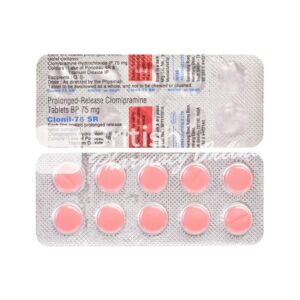
Anafranil
from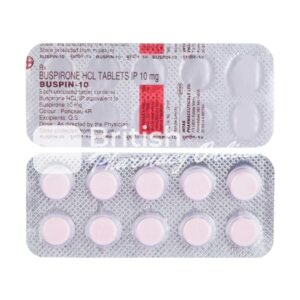
Buspar
from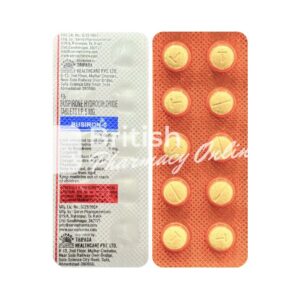
Buspirone
from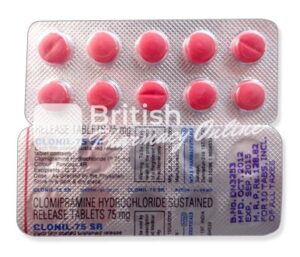
Clomipramine
from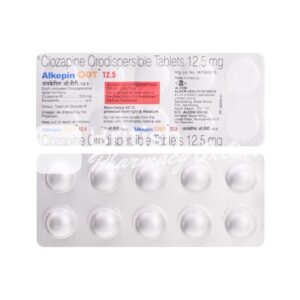
Clozaril
from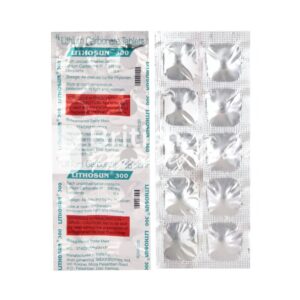
Lithium
from
Olanzapine
from
Stalevo
from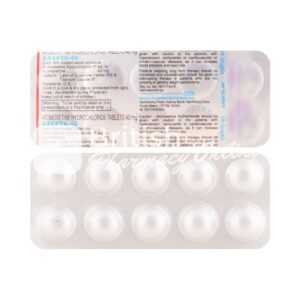
Strattera
from
Topiramate
fromDepression
Depression is one of the most common mental health conditions affecting millions of people across the United Kingdom. It goes beyond simple sadness and involves persistent feelings of hopelessness, low energy, and loss of interest in activities that once brought joy. Depression can significantly impact daily functioning, relationships, and overall quality of life.
What is Depression?
Clinical depression, or major depressive disorder, is characterised by a range of emotional, physical, and cognitive symptoms. These may include persistent low mood, difficulty concentrating, changes in appetite or sleep patterns, and feelings of worthlessness. It’s important to understand that depression is a medical condition requiring proper treatment and support.
Medications Available in the UK
Several antidepressants are commonly prescribed by NHS doctors and private practitioners. Selective serotonin reuptake inhibitors (SSRIs) such as sertraline, citalopram, and fluoxetine are often first-line treatments due to their generally favourable side effect profile. Serotonin-noradrenaline reuptake inhibitors (SNRIs) like venlafaxine and duloxetine are also widely available. Tricyclic antidepressants and newer medications such as mirtazapine offer alternative options for those who don’t respond to first-line treatments.
Treatment Approaches
Depression treatment typically combines medication with talking therapies such as cognitive behavioural therapy (CBT) or counselling. Lifestyle changes including regular exercise, improved sleep hygiene, and social support also play vital roles in recovery. Always consult with your GP before starting any medication.
Anxiety Disorders
Anxiety disorders represent a group of conditions characterised by excessive worry, fear, and physical tension. Unlike normal anxiety that everyone experiences occasionally, anxiety disorders persist over extended periods and interfere with daily activities. The United Kingdom sees significant numbers of people suffering from various forms of anxiety disorders requiring professional intervention.
Types of Anxiety Disorders
Several distinct anxiety disorders affect individuals across the UK in different ways:
- Generalised anxiety disorder (GAD) involves constant worry about multiple aspects of life
- Panic disorder causes sudden, intense episodes of fear accompanied by physical symptoms
- Social anxiety disorder creates intense fear in social situations
- Specific phobias involve disproportionate fear of particular objects or situations
Available Medications in the UK
SSRIs including paroxetine and escitalopram are commonly prescribed for anxiety disorders. Beta-blockers such as propranolol help manage physical anxiety symptoms, particularly in social anxiety situations. Benzodiazepines like diazepam are available but typically prescribed for short-term use due to dependency risks. Buspirone offers an alternative anxiolytic option for some patients.
Management Strategies
Cognitive behavioural therapy is particularly effective for anxiety disorders and is widely available through the NHS via the Improving Access to Psychological Therapies (IAPT) service. Relaxation techniques, breathing exercises, and gradual exposure therapy complement pharmaceutical treatments. Regular physical activity and mindfulness practices have demonstrated benefits in managing anxiety symptoms.
Bipolar Disorder
Bipolar disorder is a serious mental health condition characterised by extreme mood swings ranging from depressive lows to manic or hypomanic highs. These mood episodes can last days or weeks and significantly disrupt work, relationships, and daily functioning. Proper diagnosis and treatment are essential for managing this lifelong condition effectively.
Understanding Bipolar Disorder
Type I bipolar disorder involves manic episodes, whilst Type II includes hypomanic episodes along with depressive periods. Mixed episodes can occur where both manic and depressive symptoms are present simultaneously. The condition typically emerges in late adolescence or early adulthood and requires consistent management.
Medications Prescribed in the UK
Lithium remains a gold standard mood stabiliser used for decades in bipolar treatment. Anticonvulsants such as valproate and carbamazepine are effective alternatives. Atypical antipsychotics including quetiapine, olanzapine, and lurasidone are increasingly used for managing both manic and depressive episodes. Combinations of medications are often necessary for optimal symptom control.
Comprehensive Care
Beyond medication, psychological interventions including cognitive behavioural therapy and family-focused therapy improve outcomes. Regular monitoring of medication levels and physical health is crucial, particularly with lithium therapy. Lifestyle stability, including consistent sleep schedules and stress management, significantly impacts bipolar disorder management.
Schizophrenia and Psychotic Disorders
Schizophrenia and other psychotic disorders involve disruptions in thinking, perception, and emotional responses. These conditions can cause hallucinations, delusions, disorganised speech, and withdrawal from social activities. Early intervention and consistent treatment dramatically improve prognosis and quality of life for affected individuals.
Symptoms and Recognition
Positive symptoms include hallucinations and delusions, whilst negative symptoms involve reduced emotional expression and motivation. Cognitive difficulties may affect memory and concentration. Recognising these symptoms early enables prompt access to specialist mental health services available across the UK.
Antipsychotic Medications
First-generation antipsychotics like haloperidol effectively reduce positive symptoms but may cause movement disorders. Second-generation or atypical antipsychotics including aripiprazole, risperidone, and paliperidone offer improved tolerability profiles. Clozapine, reserved for treatment-resistant cases, requires regular blood monitoring but demonstrates superior efficacy for some patients.
Long-term Management
Early intervention in psychosis services across the UK provide coordinated care combining antipsychotic medication with psychological support and social interventions. Regular mental health reviews, medication adherence support, and family education enhance treatment outcomes. Many individuals with schizophrenia achieve significant symptom reduction and functional recovery with appropriate treatment.
Obsessive-Compulsive Disorder (OCD)
Obsessive-compulsive disorder involves unwanted intrusive thoughts (obsessions) that trigger anxiety, leading to repetitive behaviours (compulsions) performed to relieve distress. This condition significantly impacts daily functioning, relationships, and work performance. Effective treatments combining medication and therapy are available throughout the UK.
Understanding OCD
Obsessions might involve contamination fears, harm concerns, or need for symmetry, whilst compulsions include excessive cleaning, checking, or arranging. People with OCD recognise these thoughts as irrational but feel unable to stop them. OCD differs from personality traits and requires professional assessment and diagnosis.
Treatment Options
SSRIs such as fluoxetine, sertraline, and paroxetine are first-line pharmacological treatments, often requiring higher doses than for depression. Cognitive behavioural therapy, particularly exposure and response prevention (ERP), demonstrates excellent efficacy. Combining medication with psychological therapy provides optimal outcomes for most patients.
Support and Recovery
Specialist OCD services and support groups operate across the United Kingdom, providing community and understanding. NHS psychological services offer evidence-based talking therapies. Internet-based self-help programmes provide accessible additional support. Recovery is possible with appropriate treatment and consistent engagement.
Post-Traumatic Stress Disorder (PTSD)
Post-traumatic stress disorder develops following exposure to traumatic events such as accidents, assaults, or combat. Symptoms include intrusive memories, nightmares, avoidance behaviours, and heightened arousal. PTSD significantly impacts mental and physical health but responds well to specialised psychological and pharmacological treatments available in the UK.
PTSD Symptoms
Flashbacks and nightmares cause repeated re-experiencing of trauma. Avoidance of reminders and emotional numbing limit daily activities. Hyperarousal creates persistent tension and irritability. These symptoms typically develop within months of trauma exposure but can emerge years later.
Medications and Therapies
SSRIs including sertraline and paroxetine are approved treatments for PTSD. Eye movement desensitisation and reprocessing (EMDR) and trauma-focused cognitive behavioural therapy (TF-CBT) demonstrate superior efficacy and are recommended by NICE guidelines. These psychological therapies gradually process traumatic memories, reducing their emotional impact.
Recovery Resources
Specialist PTSD services operate throughout the UK via the NHS. Veterans services provide tailored support for military-related trauma. Charities and support organisations offer peer support and practical advice. With appropriate treatment, many individuals with PTSD achieve significant symptom reduction and improved quality of life.