
Motion Sickness
Understanding Motion Sickness
Motion sickness is a common condition that occurs when there is a disconnect between the motion your eyes see and the motion your inner ear senses. This sensory conflict causes the brain to receive mixed signals, resulting in symptoms such as nausea, dizziness, and vomiting. The condition can affect people of all ages, though children between the ages of 2 and 12 are particularly susceptible. Motion sickness typically develops during travel by car, boat, aeroplane, or train, though it can occur in other situations involving movement.
The severity of motion sickness varies from person to person. Some individuals experience mild queasiness, whilst others suffer from severe symptoms that significantly impact their quality of life during travel. Understanding the triggers and symptoms of motion sickness can help you take preventative measures and find appropriate treatment solutions available in the United Kingdom.
Symptoms and Causes
Common Symptoms
Motion sickness presents with a variety of symptoms that typically begin within minutes of experiencing motion. The most common symptoms include nausea, dizziness, and a general feeling of unease. Many people also experience headaches, fatigue, and loss of appetite. In more severe cases, vomiting may occur, particularly in children and young adults. Some individuals report feeling cold and clammy, with pale skin and excessive salivation.
Primary Causes
The main cause of motion sickness is the mismatch between visual and vestibular signals. When you read a book whilst travelling in a car, your eyes focus on a stationary object whilst your inner ear detects movement, creating confusion in the brain. Other contributing factors include inadequate ventilation in vehicles, strong odours, anxiety about travel, and dehydration. Certain individuals are genetically predisposed to motion sickness, meaning it tends to run in families.
Over-the-Counter Medications Available in the United Kingdom
Antihistamine Options
Several over-the-counter antihistamine medications are available throughout the United Kingdom for treating motion sickness. Promethazine is one of the most commonly recommended options, available as tablets or as a liquid formulation. This medication works by blocking histamine receptors in the brain that trigger nausea and vomiting responses. Cyclizine is another popular antihistamine option, marketed under brands such as Valoid, and is widely available in UK pharmacies without prescription.
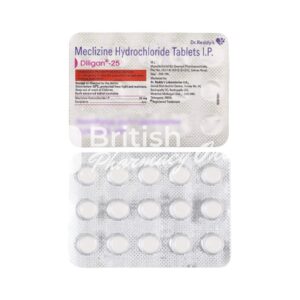
Meclozine, known as Dramamine in some markets, is also available and provides effective relief for many individuals. These antihistamines typically begin working within 30 to 60 minutes and can provide relief for up to 24 hours depending on the specific medication and individual response.
Natural and Herbal Remedies
Ginger supplements have gained popularity as a natural alternative for motion sickness prevention. These are available in various forms including capsules, tablets, and powders throughout UK pharmacies. Peppermint oil and ginger sweets are also commonly used remedies that many travellers find helpful. Whilst scientific evidence for ginger’s effectiveness is mixed, many people report significant symptom reduction when using these products.
Prescription Treatments and Professional Recommendations
When to Consider Prescription Options
For individuals experiencing severe motion sickness that significantly impacts their ability to travel, prescription medications may be necessary. Your GP can prescribe stronger antihistamines or other medications based on your specific circumstances and medical history. Hyoscine hydrobromide, available under the brand name Kwells or Joy-Rides, is particularly effective for motion sickness and can be obtained through prescription or as a lower-dose over-the-counter option.
Transdermal patches containing scopolamine represent another prescription option available in the United Kingdom. These patches are applied behind the ear and release medication gradually over several days, making them ideal for extended travel such as cruises or long coach journeys.
Consulting Healthcare Professionals
Speaking with your community pharmacist or GP can help identify the most suitable treatment option for your individual needs. They can consider your medical history, current medications, and the type of travel you will be undertaking. Professional guidance ensures you select a medication that will be both effective and safe for your circumstances.
Prevention Strategies and Complementary Approaches
Practical Prevention Methods
Beyond medication, several practical strategies can significantly reduce motion sickness symptoms:
- Focus on a fixed point on the horizon whilst travelling to stabilise visual input and reduce sensory conflict
- Sit in the front seat of a vehicle or amidships on a boat for a more stable position with less perceptible motion
- Ensure adequate ventilation and avoid strong odours to minimise symptoms
- Maintain proper hydration and eat light meals before travel
- Avoid reading or screens during travel to keep visual input consistent with body movement
- Get sufficient sleep before travelling and manage travel-related anxiety
Acupressure and Other Complementary Methods
Wristbands applying acupressure to specific points on the wrist are available in UK shops and online retailers. Whilst scientific evidence varies, many travellers report finding these helpful. Relaxation techniques, deep breathing exercises, and meditation can help manage the anxiety component of motion sickness. Some people find that gradual exposure to motion can help their bodies adapt over time, reducing sensitivity to motion sickness triggers.
When to Seek Further Help and Travel Tips
Warning Signs Requiring Medical Attention
Whilst motion sickness is generally not dangerous, certain situations warrant medical consultation. Persistent vomiting that leads to dehydration, motion sickness accompanied by severe headaches or visual disturbances, or symptoms that persist long after travel has ended should be discussed with your GP. Some individuals may have underlying conditions that increase motion sickness susceptibility and require specialist evaluation.
Optimising Your Travel Experience
Planning ahead for motion sickness management significantly improves your travel comfort. Purchase appropriate medications from UK pharmacies in advance of your journey, allowing time to assess their effectiveness. Consider alternative travel arrangements when possible—for example, taking a train rather than a car, or choosing a flight rather than a coach journey. If you must travel by car, arrange to drive yourself or sit in the front passenger seat rather than the back.
Communicating your motion sickness concerns to travel companions helps them understand your needs and support appropriate coping strategies. Booking seats that experience less motion, such as seats over the wings on aeroplanes or midships on ferries, can considerably reduce symptoms. Starting preventative medication before symptoms develop, rather than waiting until you feel unwell, provides much more effective relief for most individuals.