Atarax
In brief
- Atarax (hydroxyzine) is a prescription medicine in most countries and is usually available from pharmacies only with a prescription; however, availability may vary by market and some online pharmacies may state supply without a prescription.
- Atarax is used for allergies, itching (pruritus), anxiety and short-term sedation. It works as a first-generation antihistamine with sedative and anxiolytic effects by blocking histamine H1 receptors in the brain and body; it also has mild anticholinergic and calming properties.
- The usual dose depends on the condition: for itching, 25 mg 3–4 times daily; for anxiety, 50–100 mg daily in divided doses; for sedation, 50–100 mg as a single dose. Doses should be reduced in children, older people, and patients with kidney or liver problems.
- Atarax is taken by mouth as tablets or oral solution/syrup; in some markets, injectable forms may also be available. Tablet strengths commonly include 10 mg, 25 mg and 50 mg, and syrup is often 10 mg/5 ml.
- The effect usually begins within about 15–60 minutes after taking it, with sedative effects often felt quite quickly.
- The duration of action is typically around 4–6 hours, although sedative effects may last longer in some people.
- Avoid alcohol while taking Atarax, as alcohol can increase drowsiness, dizziness and impaired reaction time.
- The most common side effects are drowsiness, dry mouth, dizziness, headache, blurred vision, fatigue, and sometimes constipation or nausea.
- Would you like to try Atarax without a prescription?
Basic Atarax Information
- INN (International Nonproprietary Name): Hydroxyzine
- Brand Names Available in United Kingdom: Atarax (phased out), generic hydroxyzine hydrochloride tablets
- ATC Code: N05BB01; also R06AE03 for systemic antihistaminic use
- Forms & Dosages Sold In: Tablets 10 mg, 25 mg, 50 mg; oral solution/syrup 10 mg/5 ml; injectable solution 25 mg/ml in some markets
- Manufacturers in United Kingdom: Current generics from companies such as Zentiva, Teva, Sandoz, Mylan, Sun Pharma, and other regional suppliers
- Registration Status in United Kingdom: Prescription only (Rx); Atarax branding has been phased out in the UK
- OTC / Rx Classification: Prescription Only (Rx) in all major markets; not available OTC
Key Findings From Recent Trials
Major 2022–2025 Studies
What does the newer evidence actually say about hydroxyzine, and why do clinicians still reach for it?
Hydroxyzine remains in use because it combines antihistamine and anxiolytic effects, which makes it useful for pruritus, short-term anxiety, and pre-operative sedation.
Recent hydroxyzine trials are limited compared with older evidence, so much of the prescribing base still comes from long-established clinical experience rather than a large wave of modern studies.
In the UK, hydroxyzine is still prescribed as a sedating antihistamine, but there is growing caution around cardiac risk, especially QT prolongation.
Main Outcomes
The main clinical benefit is symptom relief for itching and for tension or anxiety that needs short-term calming.
Oral tablets are the usual UK form, while syrup is less common but matters when accurate paediatric dosing is needed.
Safety Observations
Safety reviews have focused on QT prolongation, which has pushed practice towards lower-dose and short-duration use.
Drowsiness, falls risk, and anticholinergic burden are the main concerns in older adults, particularly when hydroxyzine is used alongside other sedatives.
Clinical Mechanism Of Action
Layman’s Explanation
If itching, racing thoughts, or tension are making life uncomfortable, hydroxyzine can take the edge off by blocking histamine signals and causing mild sedation.
Many UK patients still know the brand name Atarax, although it has been phased out here and is now usually replaced by hydroxyzine hydrochloride tablets.
Scientific Breakdown
Hydroxyzine is the INN and is classified under ATC codes N05BB01 and R06AE03.
It is a first-generation antihistamine with central nervous system effects and anticholinergic activity.
Why It Feels Sedating
Because hydroxyzine crosses the blood–brain barrier, it reduces alertness as well as itch signalling.
That is exactly why it can help short-term anxiety and pre-op sedation, but it can also impair driving and concentration.
Scope Of Approved And Off-Label Use
United Kingdom Approvals
In the UK, hydroxyzine is prescription only and is generally dispensed as generic hydroxyzine hydrochloride tablets.
Common strengths include 10 mg, 25 mg, and 50 mg tablets in blister packs, and syrup is less common in routine UK practice.
Notable Off-Label Trends
Off-label use often includes anxiety, insomnia-related distress, and itch linked to dermatology conditions.
Clinicians may choose hydroxyzine when a non-benzodiazepine sedative option is preferred, especially where both itching and anxiety are present.
Clinical Contexts
- Allergic pruritus
- Short-term anxiety and tension
- Pre-operative sedation
- Adjunct use in dermatology and psychiatry
For some patients, the appeal is simple: one medicine can cover itching and anxiety without moving straight to a benzodiazepine.
In our online pharmacy, Atarax is available without a prescription, with discreet delivery to United Kingdom in 5–14 days.
Dosage Strategy
General Dosing
Adult dosing is usually tailored to the condition being treated.
For pruritus, adults often use 25 mg three to four times daily, while anxiety is commonly treated with 50–100 mg per day in divided doses.
Pre-operative sedation may be given as a single 50–100 mg dose.
The dose should always be individualised and kept low in older adults, because sedation and anticholinergic effects are more likely to cause problems.
Condition-Specific Dosing
In children, local guidance commonly uses 0.5–1 mg/kg per dose for itching and around 0.6 mg/kg for sedation.
Syrup can be preferable in paediatric use because it allows more accurate dose measurement.
Adjustment Principles
Older adults should usually start at 10–25 mg per dose, then be titrated cautiously if needed.
Renal or hepatic impairment calls for dose reduction and closer monitoring because the medicine may accumulate.
Duration And Missed Doses
Use should be short term where possible, especially for anxiety-related use.
If a dose is missed, it should be taken as soon as remembered unless the next dose is due soon, and double dosing should be avoided.
An overdose needs urgent medical review, particularly if there is extreme drowsiness, confusion, seizures, or palpitations.
Safety Protocols
Contraindications
Hydroxyzine should not be used in people with a known allergy to hydroxyzine or any excipient.
It is also contraindicated in early pregnancy, and it should be avoided in people with prolonged QT interval or other QT risk factors.
Severe hepatic or renal impairment is another major concern, although local guidance may vary on whether that is treated as absolute or relative.
Extra caution is needed in older adults, in people with a seizure history, in glaucoma or prostatic hypertrophy, and in cardiovascular disease, especially where other QT-prolonging medicines are present.
Adverse Effects
The common side effects are drowsiness, dry mouth, headache, dizziness, blurred vision, fatigue, constipation, and nausea.
These effects matter in everyday life because they can affect work, school, driving, balance, and overnight safety.
Cardiac Safety
Hydroxyzine has attracted regulatory scrutiny because of QT prolongation risk.
Where possible, it should not be combined with other QT-prolonging medicines or other sedating drugs that add to central nervous system depression.
Interaction Mapping
Food Interactions
There are no major food restrictions with hydroxyzine.
Alcohol should be avoided because it can intensify sedation, and that can turn a mild sleepy feeling into a proper safety issue.
Drug Combinations To Avoid
High-risk combinations include other sedatives, benzodiazepines, opioids, anticholinergics, and QT-prolonging drugs.
The additive effect with sleep medicines and some antidepressants can be especially important in real-world UK prescribing.
Practical UK Counselling Points
It is worth checking the full medicine list, including over-the-counter products and herbal remedies, before starting hydroxyzine.
Patients should avoid driving if they feel drowsy, even if the dose seemed modest at the time.
Patient Experience Analysis
Survey Data
Patients tend to describe hydroxyzine as helpful when itching and anxiety happen together, because one tablet can calm both symptoms.
Rapid itch relief and a predictable calming effect are the features most often valued in practice.
Forum Trends
Online comments often repeat the same themes: “works quickly”, “makes me sleepy”, “dry mouth”, and “helps me switch off”.
UK users also commonly ask about Atarax prescription UK status and whether generic hydroxyzine tablets are the same medicine.
Real-World Trade-Offs
The benefit is short-term symptom control, often with a clear effect the same day.
The downside is grogginess the next day, cognitive slowing, and poorer tolerability in older adults.
Distribution And Pricing Landscape
UK Supply Picture
Hydroxyzine is prescription-only in the UK and is usually supplied as generic hydroxyzine hydrochloride tablets.
The Atarax brand is phased out, which matters because many patients still search using the old brand name.
Packaging And Forms
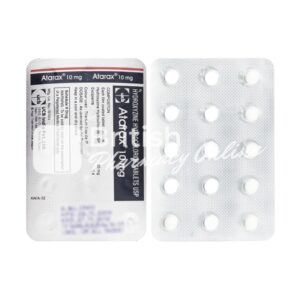
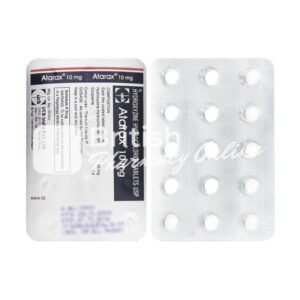
Tablets are commonly available in 10 mg, 25 mg, and 50 mg strengths, typically in blister packs.
Oral solution or syrup is more common in some EU and Asian markets than in the UK.
Pricing Context
Prices vary by pharmacy and by prescription route, and availability can be intermittent depending on the market.
Searches for Atarax 25 mg price Romania are common online, but that does not tell you the UK price or stock position.
Alternative Options
Comparison Table
| Medicine | Main Use | Sedation | Key Point |
|---|---|---|---|
| Hydroxyzine | Itch and anxiety | Yes | Dual niche for pruritus and short-term tension |
| Diphenhydramine | Allergy symptoms | Yes | Older sedating antihistamine |
| Promethazine | Allergy and nausea | Yes | Also sedating, but used differently |
| Cetirizine | Allergy control | Less | Often preferred when sedation is not wanted |
| Loratadine | Allergy control | Less | Second-generation, non-sedating option |
| Benzodiazepines | Anxiety | Yes | Used only when clinically justified |
| Buspirone | Anxiety | Less | Different anxiolytic profile |
Pros And Cons
Hydroxyzine is non-benzodiazepine, fast in onset, and useful for both pruritus and tension.
Its drawbacks are sedation, anticholinergic burden, and the QT caution that now shapes prescribing.
When Alternatives May Suit Better
Second-generation antihistamines such as cetirizine or loratadine may be better when non-sedating allergy control is the main goal.
Benzodiazepines should generally be reserved for situations where they are clearly justified and usually for short-term use only.
Regulatory Status
United Kingdom
Hydroxyzine is prescription only in the UK, and the Atarax brand has been phased out.
It is a regulated medicine with updated safety warnings, especially around QT prolongation and sedation.
EU And International Notes
In the EU and many other markets, Atarax exists as 25 mg and 50 mg tablets and as syrup.
In Romania it is registered by ANMDMR, and in the US the original Atarax brand has been discontinued even though generics remain approved.
Regulatory Meaning For Patients
This is why cardiology warnings and dose limits appear so prominently on labels and patient leaflets.
The goal is not to make the medicine difficult to use, but to keep its benefits while reducing avoidable harm.
Consolidated FAQ
Common Questions
Is Atarax available in the UK? It is best to think of Atarax as a phased-out brand in the UK, with hydroxyzine hydrochloride tablets used instead.
What is hydroxyzine used for? It is used for itching, short-term anxiety, tension, and sometimes pre-operative sedation.
Does hydroxyzine help with anxiety or itching? Yes, and that dual action is exactly why it remains popular in dermatology and psychiatry.
Is it safe for children? It can be used in children when prescribed carefully, with dose adjusted by weight and syrup sometimes preferred for accuracy.
High-Intent Patient Answers
Hydroxyzine is prescription only, and tablet strengths commonly seen are 10 mg, 25 mg, and 50 mg.
Syrup exists in some markets, but dosing must always be individualised rather than copied from an adult regimen.
Safety Reminders In FAQ Form
Avoid alcohol and do not drive if sleepy.
Seek medical help urgently for overdose symptoms, palpitations, severe confusion, or an allergic reaction.
Visual Guide
What Hydroxyzine Looks Like
In practice, hydroxyzine is usually seen as small tablets in blister packs, most often 10 mg, 25 mg, or 50 mg.
Some markets also supply syrup at 10 mg/5 ml, which is useful in paediatric dosing and for people who struggle with tablets.
Simple Visual Decision Tree
- Is the main problem itch, anxiety, or the need for short-term sedation?
- Check age, pregnancy, QT risk, and sedative co-medication.
- Then decide whether hydroxyzine is appropriate or whether a different treatment fits better.
Best-Use Summary
Hydroxyzine is good for short-term symptom control.
It is not ideal as a long-term daily sedative.
Storage And Transport
Storage Rules
Hydroxyzine should be kept at room temperature, usually 15–25°C.
It needs protection from moisture, and syrup should not be frozen.
As with any medicine, it should be kept out of reach of children.
Travel Advice
Carry it in the original packaging with the prescription label when travelling.
Tablets should stay dry, and liquid forms should not be left in extreme temperatures.
Practical Reminder
Expiry dates should always be checked before travel or repeated use.
Guidelines For Proper Use
Best-Practice Use
The safest approach is to use the lowest effective dose for the shortest necessary duration.
Response should be reviewed regularly, especially when hydroxyzine is being used for anxiety or chronic itch.
Who Needs Extra Caution
Older adults, people with renal or hepatic impairment, pregnant patients, and anyone with QT risk need extra care.
Patient Counselling Points
Take it exactly as prescribed, and do not mix it with alcohol or unprescribed sedatives.
Report palpitations, severe drowsiness, confusion, or any allergic reaction promptly.
If hydroxyzine is not the right fit, there are safer alternatives for many people, especially when non-sedating allergy control is the main aim.
Delivery Across United Kingdom
| City | Region | Delivery time |
|---|---|---|
| London | Greater London | 5-7 days |
| Birmingham | West Midlands | 5-7 days |
| Manchester | North West England | 5-7 days |
| Glasgow | Scotland | 5-7 days |
| Edinburgh | Scotland | 5-7 days |
| Leeds | West Yorkshire | 5-7 days |
| Liverpool | Merseyside | 5-7 days |
| Bristol | South West England | 5-7 days |
| Cardiff | Wales | 5-7 days |
| Belfast | Northern Ireland | 5-7 days |
| Newcastle upon Tyne | North East England | 5-9 days |
| Nottingham | East Midlands | 5-9 days |
| Sheffield | South Yorkshire | 5-9 days |
| Aberdeen | Scotland | 5-9 days |
| Plymouth | South West England | 5-9 days |