
Antiallergic
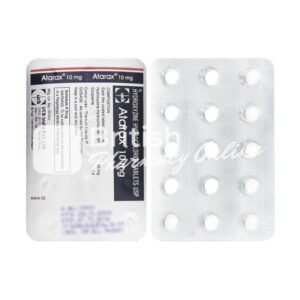
Atarax
from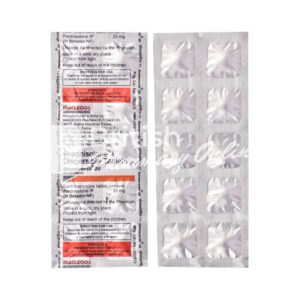
Deltacortril
from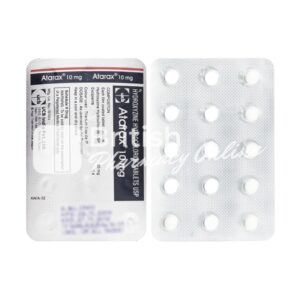
Hydroxyzine
from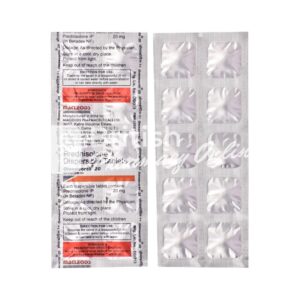
Prednisolone
fromUnderstanding Allergies and Antiallergic Medications
Allergies affect millions of people across the United Kingdom every year, causing uncomfortable symptoms that can significantly impact daily life. When your body comes into contact with a substance it perceives as harmful, even though it may be harmless to others, an allergic reaction occurs. This triggers the release of histamine, a chemical in your body that causes itching, swelling, redness, and other uncomfortable symptoms.
Antiallergic medications work by either preventing the release of histamine or blocking its effects on your body. These medicines come in various forms, including tablets, nasal sprays, eye drops, and creams, making it easy to find a treatment that suits your needs. Understanding how these medications work can help you choose the right option for your particular symptoms and lifestyle.
The severity of allergies varies greatly from person to person. Some people experience mild symptoms that occur seasonally, whilst others suffer from year-round allergies that require continuous management. Antiallergic medications provide relief by addressing the underlying cause of your discomfort rather than just masking symptoms.
Antihistamines: The Most Common Treatment Option
Antihistamines are the most widely used antiallergic medications available in the United Kingdom. These drugs work by blocking histamine receptors in your body, preventing allergic symptoms from developing or reducing their severity once they’ve started. There are two main types of antihistamines available:
- First-generation antihistamines, such as chlorphenamine and promethazine, which work quickly and effectively but can cause drowsiness
- Second-generation antihistamines, including cetirizine, loratadine, and fexofenadine, which are newer medications that cause less drowsiness and are suitable for daytime use
First-generation antihistamines are often useful for nighttime relief when you can rest whilst the medication takes effect. Chlorphenamine is available under various brand names and can be purchased over the counter at most pharmacies.
Second-generation antihistamines are increasingly popular for their reduced side effects. Cetirizine is widely available in the UK under brands like Piriteze, whilst loratadine can be found as Clarityn. Fexofenadine, sold as Telfast, is another popular choice for those needing all-day allergy relief without sedation.
These medications are available in tablet form and typically take effect within 30 minutes to two hours. Many people find that taking an antihistamine daily during allergy season provides consistent relief throughout the day. They’re suitable for adults and children, though dosages vary by age and the specific medication.
Nasal Sprays and Decongestants for Respiratory Symptoms
When allergies affect your nose and sinuses, causing congestion, sneezing, and a runny nose, nasal sprays offer targeted relief. Antiallergic nasal sprays contain either antihistamines or corticosteroids, delivering medication directly where you need it most. These sprays work faster than tablets and provide relief specifically in the nasal passages.
Corticosteroid nasal sprays, such as fluticasone and mometasone, are available in the UK under brand names like Flixonase and Asmanex. These are particularly effective for moderate to severe nasal allergy symptoms and can be used daily for extended periods. They reduce inflammation in the nasal passages, allowing you to breathe more easily.
Antihistamine nasal sprays like azelastine provide quick relief from sneezing and runny nose, working within minutes of application. Many people prefer nasal sprays because they avoid the systemic effects of tablets and work directly on affected tissues. These sprays are available in most UK pharmacies without prescription.
Decongestant sprays offer temporary relief from nasal congestion but shouldn’t be used for extended periods as they can cause dependency. Combining a decongestant spray with an antihistamine or corticosteroid spray often provides comprehensive relief from multiple nasal symptoms. Always follow the recommended usage instructions to avoid side effects.
Eye Drops and Topical Treatments for Allergic Reactions
Allergic reactions often affect the eyes, causing itching, redness, watering, and discomfort. Antiallergic eye drops provide targeted relief for these symptoms without affecting the rest of your body. These drops contain antihistamines or mast cell stabilisers that work to reduce inflammation and itching in the eyes.
Popular antiallergic eye drops available in the United Kingdom include olopatadine and ketotifen. These medications soothe irritated eyes and can be used multiple times daily as needed. Many people find that carrying a small bottle of antiallergic eye drops provides convenient relief during work or whilst outdoors during high pollen seasons.
Mast cell stabiliser eye drops work differently than antihistamines. Rather than blocking existing histamine, they prevent mast cells from releasing histamine in the first place. These drops are ideal for preventing symptoms if you know you’ll be exposed to allergens, making them useful for outdoor activities during pollen season.
For skin reactions related to allergies, such as itching, hives, or eczema flare-ups, topical antiallergic creams and ointments provide localised relief. Hydrocortisone cream is widely available and helps reduce inflammation and itching when applied to affected areas. Always clean and dry the affected area before application for best results.
Managing Severe Allergies and Anaphylaxis
Whilst most allergies respond well to standard antiallergic medications, some people experience severe reactions that require emergency treatment. Anaphylaxis is a serious allergic reaction that develops rapidly and can be life-threatening. People at risk of anaphylaxis are typically prescribed epinephrine auto-injectors, such as EpiPen, to carry with them at all times.
For severe allergic reactions that don’t require emergency intervention, stronger medications may be necessary. Systemic corticosteroids, such as prednisolone, can be prescribed for severe allergic reactions affecting multiple body systems. These powerful medications reduce inflammation throughout your body and provide relief when standard antihistamines aren’t sufficient.
Leukotriene receptor antagonists, including montelukast, are sometimes used alongside antihistamines for people with particularly difficult-to-manage allergies or concurrent asthma. These medications work through a different mechanism than antihistamines, targeting another inflammatory pathway in your body.
If you experience severe allergic reactions, it’s important to see your GP or visit an allergy clinic for proper diagnosis and treatment planning. Healthcare professionals can determine what’s causing your allergies and recommend the most effective treatment strategy. Keeping a diary of your symptoms can help identify patterns and triggers.
Choosing the Right Antiallergic Product for Your Needs
Selecting the appropriate antiallergic medication depends on several factors, including the type of symptoms you experience, how frequently they occur, and your personal preferences regarding side effects. If you suffer mainly from nasal symptoms, a nasal spray might be more effective than tablets. For eye symptoms, antiallergic eye drops are often the best choice.
Consider whether you need daytime or nighttime relief. If you require daytime treatment, second-generation antihistamines that don’t cause drowsiness are preferable. For nighttime relief or weekend use, first-generation antihistamines may be acceptable and often work more quickly.
Many people benefit from combining different types of antiallergic medications. For example, using a daily antihistamine tablet combined with a corticosteroid nasal spray and antiallergic eye drops provides comprehensive symptom coverage. Your pharmacist can advise you on safe combinations and appropriate usage.
Seasonal allergies may require different management strategies than year-round allergies. During high pollen season, you might need stronger or more frequent medication, whilst other times of year may require minimal treatment. Planning ahead and starting antiallergic medications before allergy season begins often provides better symptom control throughout the season. Visit your local pharmacy to discuss your symptoms and find the product that works best for you.