Euthyrox
In brief
- Euthyrox (levothyroxine) is a prescription-only medicine in most countries; it is supplied from community and hospital pharmacies and licensed online pharmacies with a valid prescription (brands and generics available, e.g. Merck KGaA, Synthroid/generics).
- Euthyrox is used to treat hypothyroidism and for TSH suppression in some thyroid cancers; it is synthetic thyroxine (T4) which is converted to active T3 in peripheral tissues to restore normal thyroid hormone action and metabolic rate.
- Usual adult starting doses are 25–50 mcg once daily with titration every 4–6 weeks; full replacement is typically around 1.6 mcg/kg/day once daily; doses for thyroid cancer are individualised and children/elderly require lower starting doses.
- Administered orally as tablets (multiple colour‑coded strengths from 25 to 300 mcg) and, in select markets, as an oral liquid; take on an empty stomach 30–60 minutes before breakfast for best absorption.
- Clinical effects may begin within days for some symptoms, but meaningful improvement and biochemical changes are usually seen over weeks — TSH and clinical response are typically rechecked 4–6 weeks after dose changes.
- Euthyrox has a long duration of action with once-daily dosing; levothyroxine has an elimination half-life of roughly 7 days in euthyroid adults and steady state is achieved over several weeks (commonly ~4–6 weeks).
- Avoid excessive alcohol; moderate alcohol intake does not have a specific contraindication but alcohol can worsen underlying conditions and may aggravate cardiac or liver issues—discuss alcohol use with your prescriber.
- The most common side effect is headache; other frequent effects (usually from over‑replacement) include nervousness, insomnia, tremor, palpitations, heat intolerance and weight loss.
- Would you like to try euthyrox without a prescription?
Basic Euthyrox Information
-
INN (International Nonproprietary Name): Levothyroxine sodium.
Brand Names And Global Availability: United States — Synthroid, Levoxyl, Euthyrox, Unithroid; Canada — Synthroid, Eltroxin; United Kingdom — Eltroxin, Euthyrox, Levothyroxine; European Union — Euthyrox, Letrox, L-Thyroxin; Romania — Euthyrox (ANMDMR approved); other markets use translated names such as Levotiroxina or L-Thyroxin.
ATC Code: H03AA01.
Forms And Dosages Sold: Oral tablets (strengths commonly include 25, 50, 75, 88, 100, 112, 125, 137, 150, 175, 200, 300 mcg) and oral liquid in selected markets (e.g. 25 mcg/mL, 50 mcg/mL).
Local Manufacturers And Suppliers: US suppliers include AbbVie (Synthroid) and major generics makers; EU/UK suppliers include Merck KGaA for Euthyrox and Eltroxin, plus local generics manufacturers.
Registration And Approval Status: EMA approved; FDA approved in the US; Euthyrox is authorised in Romania per ANMDMR public data.
Classification: Prescription only (Rx) in all countries.
-
Standard Dosages Per Condition: For adults with hypothyroidism start 25–50 mcg once daily and titrate every 4–6 weeks based on TSH.
Full Replacement Typical Dose: Approximately 1.6 mcg/kg/day once daily for full replacement in adults.
Thyroid Cancer Adjunct: Dosing is individualised and often higher, aimed at TSH suppression per oncology or endocrinology guidance.
Dosage Adjustments: Neonates with severe congenital hypothyroidism may start at 10–15 mcg/kg/day; elderly usually start at lower doses (12.5–25 mcg/day); liver or kidney impairment usually needs monitoring rather than routine adjustment.
Typical Treatment Duration: Chronic and commonly lifelong for primary hypothyroidism, with dose changes for pregnancy, weight change or interacting medicines.
Missed Dose: Take as soon as remembered unless close to the next dose; do not double doses.
Overdose: Can cause chest pain, rapid heartbeat, tremor or confusion and requires immediate medical attention.
-
Storage And Transport Guidelines: Store at 20–25°C, protected from light, moisture and heat, and transport in original packaging to preserve potency.
Absolute Contraindications: Untreated thyrotoxicosis, untreated adrenal insufficiency, recent acute myocardial infarction, and hypersensitivity to levothyroxine or tablet excipients.
Relative Contraindications/Precautions: Diabetes, cardiovascular disease, elderly frailty and osteoporosis risk warrant slower titration and closer monitoring.
Common Side Effects: Headache, nervousness, insomnia, mild tremors, increased appetite and weight loss; more notable signs usually reflect over-replacement such as palpitations and tachycardia.
Competitors And Synonyms: Common competitors include Levoxyl, Synthroid and Unithroid; common search terms include levothyroxine 100mcg tablets and Euthyrox 50 mcg blister.
Additional Notes: Tablets are colour-coded by strength in many markets to reduce dispensing errors and instructions generally advise taking on an empty stomach 30–60 minutes before breakfast.
Brand Names Available In United Kingdom: Eltroxin and Euthyrox are available in the United Kingdom alongside generic levothyroxine preparations.
Key Findings From Recent Trials
Which trial results matter for people taking levothyroxine?
Major 2022–2025 studies prioritise individualised levothyroxine therapy and careful TSH monitoring.
Large comparative randomised controlled trials and pooled observational cohorts show that staying on a single brand or generic product gives equivalent long‑term efficacy for most patients.
A minority of patients report short‑term symptom benefit from combination T4/T3, but long‑term advantages are inconsistent across trials.
Across studies, TSH‑guided dose titration remains the gold standard for achieving and maintaining a euthyroid state.
Safety analyses link most adverse events to over‑replacement and identify raised cardiovascular risk in older cohorts when TSH is suppressed.
UK practice follows EMA and NICE guidance recommending review every 4–6 weeks during titration to reduce risk of iatrogenic thyrotoxicosis.
Real‑world pharmacovigilance also flags formulation switches and colour‑coded tablet changes as a frequent source of destabilised TSH.
Main Outcomes
Brand stability and staying with one product helps keep TSH steady.
T4 monotherapy remains effective for biochemical and clinical control in the majority of patients.
Combination therapy may be considered for select patients who remain symptomatic despite normal TSH, but evidence is mixed.
Safety Observations
Over‑replacement is the primary safety concern and mimics hyperthyroidism symptoms.
Cardiovascular events and bone loss are the main risks when doses are excessive, particularly in older adults.
Clinical Mechanism Of Action
How does Euthyrox actually work in the body?
Layman’s explanation: Euthyrox supplies synthetic thyroxine (T4) to replace what the thyroid does not produce, helping to restore energy, metabolism and normal bodily functions.
Scientific breakdown: Levothyroxine (ATC H03AA01) is a T4 prohormone converted to active T3 by peripheral deiodinases D1 and D2.
Pharmacokinetics
Oral tablets are available in multiple strengths and are often colour‑coded by strength for dispensing safety.
Absorption is variable and best on an empty stomach, with approximately 70–80% bioavailability in the fasting state.
The elimination half‑life is around seven days, allowing once‑daily dosing for maintenance.
Pharmacodynamics
Levothyroxine restores euthyroid physiology by acting through nuclear thyroid hormone receptors to change gene transcription of metabolic and cardiovascular proteins.
Clinicians in the UK use serum TSH as the key biomarker to guide dosing adequacy and clinical response.
Scope Of Approved And Off-Label Use
What is Euthyrox licensed for, and when might clinicians use it off‑label?
Approved indications in the UK and EU include replacement therapy for primary and secondary hypothyroidism, TSH suppression in differentiated thyroid cancer and replacement after thyroidectomy.
Eltroxin, Euthyrox and generics are prescription‑only in the United Kingdom.
Off‑label trends include cautious treatment of symptomatic subclinical hypothyroidism in selected patients and short‑term use for TSH elevation during infertility assessments.
Liquid formulations are used in practice when absorption is a concern or accurate dose adjustment is needed.
Using levothyroxine for obesity or weight loss is contraindicated and not recommended.
Regulators advise against unsupervised switching between brands because excipient and potency differences can affect TSH stability.
Dosage Strategy
How will my dose be chosen and adjusted?
General dosing in UK practice follows a start‑low, titrate‑slow principle with TSH checks guiding changes.
General Dosing
Typical full replacement in adults is around 1.6 mcg/kg/day taken once daily.
Many adults are started on 25–50 mcg/day and titrated every 4–6 weeks based on TSH and symptoms.
Frailer or elderly patients often start at 12.5–25 mcg/day to reduce cardiovascular risk.
Condition-Specific Dosing
Hypothyroidism
Initiate at 25–50 mcg for many adults and increase in 12.5–25 mcg steps guided by TSH every 4–6 weeks.
Full Replacement
Use a weight‑based target of approximately 1.6 mcg/kg/day for most adults when full replacement is needed.
Thyroid Cancer
Doses are individualised and often higher to achieve TSH suppression as advised by oncology and endocrinology teams.
Special Populations
Neonates with severe congenital hypothyroidism typically start at 10–15 mcg/kg/day.
Pregnancy commonly requires an early dose increase and closer monitoring of TSH and free T4.
Safety Protocols
Who should not take levothyroxine and what side effects should be watched for?
Contraindications
Absolute contraindications include untreated thyrotoxicosis, untreated adrenal insufficiency and recent acute myocardial infarction.
Hypersensitivity to levothyroxine or tablet excipients is also a contraindication.
Relative precautions include diabetes, established cardiovascular disease, osteoporosis risk and frailty in the elderly.
Adverse Effects
Most side effects reflect over‑replacement and include palpitations, tachycardia, heat intolerance, insomnia and weight loss.
Milder effects can include headache, tremor, increased appetite and menstrual changes.
Signs of overdose such as chest pain, severe tremor or confusion require urgent medical assessment.
UK prescribers follow NICE and BNF monitoring recommendations and advise patients to report cardiac symptoms promptly.
Maintaining a consistent brand can reduce swings in TSH and perceived adverse effects.
Interaction Mapping
Which foods and medicines affect levothyroxine?
Food Interactions
Levothyroxine absorption is reduced by calcium and iron supplements, some high‑fibre diets and soy products.
Certain beverages and foodstuffs can interfere with uptake, so taking tablets on an empty stomach 30–60 minutes before breakfast is recommended.
Drug Combinations To Avoid
Antacids, sucralfate, calcium or iron supplements and bile acid sequestrants reduce levothyroxine absorption.
Enzyme inducers such as rifampicin and carbamazepine can increase levothyroxine clearance and may require dose adjustments.
Levothyroxine can enhance warfarin effect by increasing clotting factor turnover and may raise INR, so monitor anticoagulation closely after dose changes.
Proton pump inhibitors and oestrogen therapies can alter thyroid‑binding globulin and affect free thyroid hormone measurements.
Medication reconciliation and pharmacist counselling are standard in UK practice to avoid interaction‑related TSH drift.
Patient Experience Analysis
What do patients report about taking levothyroxine?
Survey Data
Primary care surveys show high satisfaction when patients remain on a consistent levothyroxine brand and when symptom review is aligned with TSH results.
Approximately 10–15% of patients report persistent symptoms despite biochemical euthyroidism.
Forum Trends
Online forums frequently highlight worries about symptom persistence, anxiety during dose changes and problems after brand switches.
Tablet colour‑coding and blister packs are often mentioned as helpful, but also as a source of confusion when pharmacy substitutions occur.
Clear education on how to take tablets and why brand consistency matters reduces complaints in routine practice.
Distribution And Pricing Landscape
How is Euthyrox supplied and what does it cost?
Levothyroxine is prescription‑only in the UK with common brands including Eltroxin and Euthyrox supplied by manufacturers such as Merck KGaA alongside generics.
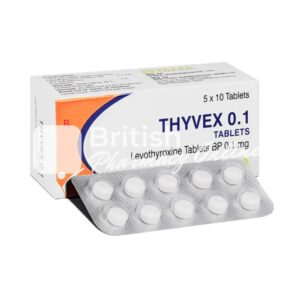
Tablets are packaged in blister packs, often colour‑coded by strength to reduce dispensing errors.
Pricing varies by brand and pack size, with generics typically lower cost and liquid formulations often carrying higher unit prices.
NHS tendering and procurement influence availability and occasional substitutions can occur at community pharmacies.
Patients’ continuity can be affected by stock and prescription charges, and prescribers should document brand preferences when clinically important.
Alternative Options
Which alternative thyroid products might clinicians consider?
Comparison Table
- Levothyroxine (T4): Stable pharmacokinetics, once‑daily dosing, strong regulatory approval.
- Liothyronine (T3): Rapid onset useful in acute settings but short half‑life and dosing complexity limit routine use.
- Combination T4/T3: May help a small subset of patients for short‑term symptom relief but has variable evidence and arrhythmia risk.
- Desiccated Thyroid: Inconsistent potency and not routinely endorsed in UK guidelines.
Pros And Cons
Levothyroxine is the first‑line treatment per NICE because it offers predictable dosing and long safety data.
Combination therapy is reserved for carefully selected patients and requires specialist review due to inconsistent benefit and safety concerns.
Regulatory Status
Who oversees levothyroxine and how is safety monitored?
UK And EU Oversight
Levothyroxine sodium is authorised across EU and UK markets, with brands such as Eltroxin and Euthyrox available in the United Kingdom.
Regulatory bodies include the European Medicines Agency and the MHRA for UK licensing.
Pharmacovigilance Notes
Post‑marketing surveillance focuses on batch quality, potency consistency and adverse events related to over‑replacement.
UK prescribers and pharmacists are encouraged to report suspected adverse drug reactions via the Yellow Card scheme, especially cardiac events or TSH destabilisation after formulation switches.
Consolidated FAQ
What are the practical questions patients and clinicians ask most?
Common Patient Questions
Q: When should I take it? A: Take levothyroxine on an empty stomach 30–60 minutes before breakfast.
Q: Can I switch brands? A: Avoid switches where possible and recheck TSH 6–8 weeks after any change.
Q: What if I miss a dose? A: Take as soon as remembered unless it is close to the next scheduled dose; do not double up.
Clinician FAQs
Monitor TSH every 4–6 weeks during titration and every 6–12 months once stable unless life changes occur.
Use lower starting doses in elderly patients (12.5–25 mcg/day) and increase doses promptly in pregnancy with early monitoring.
Report overdose or unexpected cardiac events urgently and counsel patients that most side effects indicate over‑replacement rather than allergy.
Visual Guide
What visual aids help patients and pharmacies avoid errors?
Tablet Strengths And Colour Coding
Provide a colour‑coded tablet chart for dispensing safety showing strengths typically from 25 to 300 mcg.
Blister pack images and strength labelling reduce confusion and inadvertent switches during dispensing.
Monitoring Timeline Infographic
Recommend a timeline graphic: start treatment → check TSH at 4–6 weeks → adjust dose as needed → once stable check every 6–12 months or sooner with pregnancy, weight change or interacting medicines.
Include an empty‑stomach pictogram and a red‑flag box listing palpitations, chest pain and tremor as symptoms needing urgent attention.
Storage And Transport
How should patients and pharmacies handle levothyroxine to keep it effective?
Home Storage
Store levothyroxine tablets at 20–25°C, protected from light, moisture and heat.
Keep medicines in their original packaging and avoid bathroom storage where humidity is high.
Pharmacy And Courier Guidance
Pharmacies should rotate stock and follow manufacturer instructions for liquid formulations where specific cold‑chain guidance applies.
When transporting keep blister packs in original containers and avoid leaving packets in hot cars or direct sunlight.
Guidelines For Proper Use
What should prescribers check and what should pharmacists tell patients?
Practical Prescribing Checklist
- Confirm indication and baseline TSH and free T4.
- Calculate starting dose using 1.6 mcg/kg/day for full replacement or lower for elderly and frail patients.
- Document brand preference where clinically important and schedule a TSH review in 4–6 weeks.
Counselling Script For Patients
Take levothyroxine on an empty stomach 30–60 minutes before breakfast and avoid taking calcium or iron within four hours of the dose.
Do not double doses if you miss one and report palpitations or chest pain immediately.
Inform your prescriber early in pregnancy as the dose commonly needs increasing.
Record any formulation switch and recheck TSH 6–8 weeks after the change.
Access And Ordering
How can patients obtain Euthyrox in the UK?
Levothyroxine is prescription‑only across countries according to regulatory summaries, so prescriptions are standard for supply.
In our online pharmacy, euthyrox is available without a prescription, with discreet delivery to United Kingdom in 5-14 days.
Delivery Across United Kingdom
| City | Region | Delivery Time |
|---|---|---|
| London | England | 5–7 days |
| Birmingham | England | 5–7 days |
| Manchester | England | 5–7 days |
| Glasgow | Scotland | 5–7 days |
| Leeds | England | 5–7 days |
| Sheffield | England | 5–9 days |
| Edinburgh | Scotland | 5–7 days |
| Bristol | England | 5–7 days |
| Cardiff | Wales | 5–9 days |
| Belfast | Northern Ireland | 5–9 days |
| Newcastle | England | 5–9 days |
| Liverpool | England | 5–7 days |
| Nottingham | England | 5–9 days |
| Brighton | England | 5–9 days |
| Aberdeen | Scotland | 5–9 days |
Final Notes For Patients
Keep a consistent brand where possible and bring all medicines to reviews so pharmacists can check for interactions.
Always follow the empty‑stomach advice to optimise absorption and prevent TSH instability.
If you notice palpitations, chest pain or sudden weight loss, seek urgent medical attention as these may be signs of over‑replacement.
Pharmacists can help with storage advice, blister pack explanations and ensuring patients understand when to retest TSH after dose or brand changes.