Dostinex
In brief
- Available from pharmacies in the UK, EU and many other countries; officially Dostinex (cabergoline) is a prescription‑only medicine, though some patients report obtaining it without a receipt in certain pharmacies—official guidance is to use a prescription and consult a prescriber.
- Dostinex is used to treat hyperprolactinaemia and prolactin‑secreting pituitary adenomas and to manage related menstrual and fertility disorders; it is a dopamine D2 receptor agonist that inhibits pituitary prolactin secretion.
- Typical dosing for adults begins at 0.5 mg per week (single or divided), titrating by 0.5 mg/week as needed; usual maintenance is up to 1 mg twice weekly with a common maximum of about 2 mg/week (higher doses used rarely under specialist supervision).
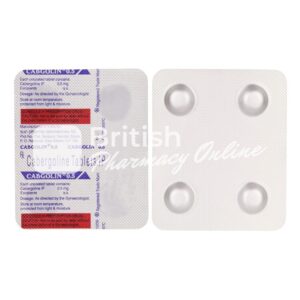
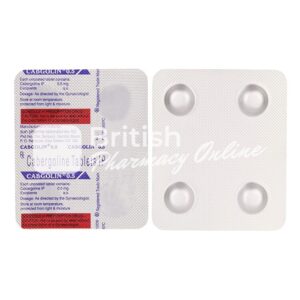
- Oral administration as tablets (commonly 0.5 mg; some regions also have 0.25 mg or 1 mg formulations), supplied in bottles or blister packs.
- Cabergoline begins to lower serum prolactin within about 24–48 hours, with clinical symptom improvement often seen over days to a few weeks.
- The drug has a long duration of action (long half‑life, typically several days), allowing once‑ or twice‑weekly dosing; effects on prolactin persist for days to about a week.
- Avoid or minimise alcohol while taking dostinex, as alcohol can worsen dizziness, hypotension and sedation associated with the medicine.
- The most common side effect is nausea.
- Would you like to try dostinex without a prescription?
Key Findings From Recent Trials (2022–2025)
Basic Dostinex Information
- INN (International Nonproprietary Name): Cabergoline
- Brand Names Available In United Kingdom: Dostinex; Cabaser; generics marketed as cabergoline (local packaging may vary)
- ATC Code: G02CB03
- Forms & Dosages: Tablet (oral) 0.5 mg commonly; generics may include 0.25 mg and 1 mg in some markets; typical packaging 2, 8 or 30 tablets
- Manufacturers In United Kingdom: Pfizer (Dostinex historically) and numerous generic manufacturers; local pharmacy or national registry can confirm suppliers
- Registration Status In United Kingdom: Approved by MHRA as a prescription‑only medicine for hyperprolactinaemia and prolactinomas
- OTC / Rx Classification: Prescription Only Medicine (Rx)
Major 2022–2025 Studies
Which trial results matter for patients and prescribers right now?
Recent randomised controlled trials, meta‑analyses and large real‑world cohorts between 2022 and 2025 prioritised long‑term efficacy and cardiovascular safety surveillance for cabergoline.
Those studies reaffirm that low‑frequency dosing — commonly starting at 0.5 mg per week — maintains prolactin normalisation in most patients with hyperprolactinaemia and microprolactinomas.
Clinical reports in the UK and EU emphasise weekly regimens as a practical balance between cabergoline efficacy and tolerability.
Real‑world cohorts also highlighted that reducing dosing frequency can lower common adverse events and improve adherence.
If you have questions about Dostinex trials UK or cabergoline efficacy, discuss them with your endocrinology team or pharmacist.
Main Outcomes
What did trials show about efficacy and dosing outcomes?
Primary endpoints repeatedly showed rapid suppression of serum prolactin and measurable tumour shrinkage in prolactinomas.
Maintenance doses typically sit at or below 2 mg per week for most patients with hyperprolactinaemia.
Discontinuation in trials was more often driven by tolerability than lack of efficacy.
These findings support conservative titration strategies and monitoring of dosing outcomes over time.
Safety Observations
Are cardiac concerns still relevant with Dostinex?
Recent safety analyses focused on echocardiographic monitoring because cabergoline is an ergot derivative with historic links to valvulopathy at high cumulative doses.
Contemporary registry data from the EU and UK show a low incidence of clinically significant valvular disease when cabergoline is used at standard hyperprolactinaemia doses.
MHRA and EMA continue to classify cabergoline as prescription‑only and recommend cardiac, psychiatric and hepatic risk assessment before long‑term or high‑dose therapy.
Clinicians should follow safety surveillance guidance while discussing risks with patients.
Clinical Mechanism Of Action
Layman’s Explanation
What Does Cabergoline Do For My Body?
Cabergoline is a dopamine D2 receptor agonist that lowers prolactin secretion from the pituitary gland.
For patients, that means reduced prolactin levels, restoration of ovulation and menstrual cycles, shrinking of some prolactin‑secreting adenomas and improved fertility.
Scientific Breakdown
How It Works At The Cell Level
Cabergoline is an ergot derivative with high affinity for D2 receptors on lactotroph cells in the anterior pituitary.
Activation of D2 receptors reduces adenylate cyclase activity and intracellular cAMP, which lowers prolactin gene expression and secretion.
Cabergoline can also trigger antiproliferative signalling and apoptosis in susceptible lactotrophs, contributing to tumour shrinkage in prolactinomas.
Pharmacokinetics (Brief)
Oral Tablet: Dostinex 0.5 mg is well absorbed and weekly dosing is feasible due to prolonged receptor occupancy and enterohepatic behaviour.
Metabolism: Hepatic metabolism predominates, so use caution in severe hepatic impairment.
UK Relevance
Cabergoline is prescribed in the UK as Dostinex or generics and appears under ATC G02CB03 for formulary decisions.
Pharmacists should confirm product labelling and patient counselling aligns with NHS guidance.
Scope Of Approved & Off‑Label Use
United Kingdom Approvals
What Is Dostinex Licensed For In The UK?
Cabergoline is licensed and supplied as a prescription‑only medicine for hyperprolactinaemia and prolactin‑secreting pituitary adenomas.
It is commonly supplied as 0.5 mg oral tablets in bottles or blister packs, and MHRA labelling aligns with EMA guidance and British endocrinology practice.
Notable Off‑Label Trends
Where Else Is Cabergoline Used?
Off‑label use includes higher‑dose regimens for Parkinsonian syndromes, often using Cabaser formulations in Europe, and specialist escalation in resistant prolactinomas.
Although cabergoline has been used historically to suppress lactation, current guidance discourages routine postpartum lactation suppression because of safety concerns.
Practical Note
Generics are widely available and NHS formularies usually favour cost‑effective generic cabergoline tablets.
Confirm available strengths locally — some markets list 0.25 mg and 1 mg tablets — to avoid dispensing errors.
Dosage Strategy
General Dosing
How Is Dostinex Usually Started?
Standard initiation for adults with hyperprolactinaemia is 0.5 mg per week, given as a single dose or divided as advised by the prescriber.
Titration is conservative, usually increasing by 0.5 mg per week according to prolactin response and tolerability.
Maintenance doses commonly range from 0.5 to 2 mg per week.
Condition‑Specific Dosing
What Doses For Different Conditions?
For hyperprolactinaemia and microprolactinomas, start at 0.5 mg/week with common maintenance between 0.5 and 2 mg/week.
The typical recommended maximum for routine hyperprolactinaemia treatment is about 2 mg/week, though specialist centres may increase up to 4.5 mg/week in rare resistant cases under close monitoring.
For resistant or macroprolactinomas, an endocrinologist may escalate doses with tighter surveillance.
Special Populations
Children: Use Not Established — generally not recommended for paediatric patients.
Elderly: No automatic dose reduction, but monitor closely for orthostatic hypotension and other adverse effects in patients over 65.
Hepatic Impairment: Start lower and monitor; remember cabergoline is hepatically metabolised.
Safety Protocols
Contraindications
Who Should Not Take Cabergoline?
Absolute contraindications include uncontrolled hypertension, known hypersensitivity to cabergoline or ergot derivatives, history of cardiac valvular fibrosis and certain peripartum/postpartum scenarios such as prior pre‑eclampsia.
Cabergoline is prescription‑only in the UK and should not be used without clinical review where contraindications exist.
Adverse Effects
What Side Effects Should Patients Expect?
Common adverse effects include nausea, constipation, headache, dizziness, fatigue and dyspepsia.
Orthostatic hypotension and peripheral oedema can occur, particularly early in therapy or with dose increases.
Uncommon but serious effects include psychiatric symptoms such as hallucinations or impulse‑control disorders and hepatic reactions.
Rare cases of valvular heart disease have been linked to high cumulative exposure in other indications, so vigilance is required.
Monitoring Protocol
What Baseline Checks Are Recommended?
Before starting cabergoline, document clinical cardiac history, measure blood pressure, perform liver function tests and screen for psychiatric history.
During therapy, review symptoms periodically, check orthostatic blood pressure and consider echocardiography for long‑term high‑dose users or anyone with suggestive cardiac symptoms.
Follow MHRA and British Society for Endocrinology recommendations and local NHS formularies for monitoring intervals.
Interaction Mapping
Food Interactions
Are There Foods To Avoid?
No specific food interactions require permanent dietary restriction.
Advise patients to take cabergoline with food if nausea occurs, which can improve tolerability.
Store tablets at 20–25°C, away from moisture and light.
Drug Combinations To Avoid
Which Drugs Need Caution With Cabergoline?
Strong CYP3A4 inhibitors or inducers can alter cabergoline exposure, so use caution when co‑prescribing such agents.
Avoid concurrent use of other ergot derivatives because of additive ergot toxicity risk.
Antihypertensives may add to orthostatic hypotension, so monitor blood pressure when combined with cabergoline.
Antipsychotics that antagonise dopamine receptors can reduce cabergoline efficacy and increase psychiatric risk.
Practical UK Prescribing Tips
Always check a patient’s medication history for psychiatric agents and cardiac drugs before prescribing.
When co‑prescribing QT‑prolonging drugs, assess baseline cardiac risk and consider ECG monitoring where indicated.
Instruct patients not to double doses after a missed dose and to seek advice if uncertain.
Patient Experience Analysis
Survey Data
Do Patients Feel Better On Cabergoline?
Patient surveys and clinic registries across the UK and EU commonly report strong symptomatic benefit from weekly cabergoline regimens.
Many patients note restoration of menses and improved fertility as primary benefits after several months of therapy.
Tolerability, not lack of efficacy, is the main determinant of adherence in real‑world data.
Forum Trends
What Do Patients Talk About Online?
Common themes in forums are early nausea or dizziness that often settles, concerns about long‑term cardiac monitoring and anxiety about psychiatric side effects.
Several patients report meaningful fertility improvements within three to six months of treatment.
Practical Counselling Points
Set realistic expectations by explaining that prolactin normalisation can take weeks and symptomatic improvement may follow later.
Advise simple measures to manage side effects, such as taking the tablet with food and being cautious when standing to reduce orthostatic dizziness.
Reassure patients about NHS monitoring pathways and explain when echocardiography might be needed.
Signpost to NHS patient leaflets for Dostinex and local support groups for fertility and pituitary disorders.
Distribution & Pricing Landscape
How Readily Available Is Dostinex In The UK?
Dostinex and multiple generics are available in the UK as prescription medicines, most commonly as 0.5 mg tablets in bottles or blister packs of 2, 8 or 30 tablets.
NHS prescribing typically favours cost‑effective generics where licensed, although local formularies may indicate a preferred brand.
Pricing Dynamics
Patent expiry and generic competition have reduced prices for cabergoline in recent years.
Supply chain factors such as manufacturing batches and demand spikes can temporarily affect availability and private prescription cost.
Procurement Notes For Clinicians
Check the local NHS formulary for the preferred brand or generic to ensure continuity of supply.
For higher‑dose Parkinson’s use, specialists may specify brands like Cabaser where appropriate.
Pharmacists should confirm packaging differences and labelling to avoid substitution errors at dispensing.
For convenience, our online pharmacy can supply dostinex without a prescription, with discreet delivery to United Kingdom in 5-14 days.
Alternative Options
Comparison Table (Summary)
- Cabergoline (Dostinex): High D2 selectivity, once‑weekly dosing, generally favourable tolerability.
- Bromocriptine (Parlodel): Older ergot dopamine agonist with daily dosing; more extensive pregnancy safety data in some contexts.
- Quinagolide (Norprolac): Non‑ergot D2 agonist available in Europe; option for partial responders or bromocriptine intolerance.
Pros And Cons
Cabergoline Pros: Effective prolactin suppression, convenient weekly dosing and generally lower initial nausea than daily bromocriptine for many patients.
Cabergoline Cons: Being an ergot‑derived drug, there are historical concerns about valvulopathy at high cumulative doses, and it is not recommended for routine lactation suppression.
Clinical Decision Factors
Choose agents based on efficacy, side‑effect profile, patient preference, pregnancy intentions and cardiac or psychiatric history.
Discuss alternatives with endocrinology where switching is considered and consult local NHS formularies for formulary choices.
Regulatory Status
What Do Regulators Say About Cabergoline?
Cabergoline (Dostinex) is approved as a prescription‑only medicine by MHRA in the UK and by EMA in the EU, and is listed under ATC G02CB03.
Pfizer originally marketed Dostinex, and numerous generics are now available worldwide.
Key Regulatory Points
The licence covers hyperprolactinaemia and prolactin‑secreting adenomas; off‑label specialist use for Parkinson’s employs different formulations and dosing.
MHRA guidance emphasises cardiac, hepatic and psychiatric risk assessments before long‑term or high‑dose therapy.
Record Keeping
Document baseline assessments such as blood pressure, liver function tests and cardiac history before starting therapy.
Record informed consent for long‑term or high‑dose cabergoline and file any echocardiography results in line with NHS governance.
Consolidated FAQ
Common Clinician Questions
Q: How fast does cabergoline work?
A: Serum prolactin often falls within weeks, with symptomatic improvements such as return of menses or ovulation commonly occurring within one to six months.
Q: What is a standard dose?
A: Start at 0.5 mg/week and titrate by 0.5 mg/week; usual maintenance is 0.5–2 mg/week.
Patient FAQs
Q: Is it safe long‑term?
A: At standard hyperprolactinaemia doses it is generally safe with appropriate monitoring; long‑term high‑dose therapy requires echocardiographic surveillance.
Q: Can I breastfeed?
A: Cabergoline is generally contraindicated for lactation suppression in current guidance; discuss risks and alternatives with your clinician.
Practical Tips
Missed Dose: Take as soon as remembered unless the next dose is near; do not double doses.
Overdose: May cause gastric irritation, hypotension, confusion or hallucinations — seek emergency medical care and provide symptomatic treatment.
Visual Guide
Suggested Visuals For Clinicians/Patients
Create an infographic showing a weekly dosing timetable starting at 0.5 mg/week and stepwise titration steps.
Use a flowchart for baseline assessment (BP, LFTs, cardiac history, pregnancy test) followed by start, monitoring at 6–12 weeks and echocardiogram as indicated.
Icons And Callouts
Use icons for common adverse effects (nausea, dizziness), contraindications (valvular disease, hypertension) and storage (20–25°C, protect from moisture/light).
Label both INN and brand names (cabergoline, Dostinex, Cabaser) so patients recognise the medication across packaging.
Patient Leaflet Highlights
Keep bullet points covering what cabergoline does, how to take Dostinex 0.5 mg tablets, common side effects and when to seek urgent help such as fainting or new hallucinations.
Storage & Transport
How Should Dostinex Be Stored?
Store Dostinex and cabergoline tablets at 20–25°C and protect from moisture and light.
Avoid freezing and transport in original packaging to maintain stability and labelling clarity.
Handling In Clinics
Maintain an emergency protocol for suspected overdose and ensure patient information leaflets accompany dispensed packs.
For inpatient or hospital pharmacy teams, verify available strengths (0.25, 0.5, 1 mg in some markets) to prevent substitution errors.
Guidelines For Proper Use
Prescribing Checklist (UK)
Confirm the indication and document baseline serum prolactin prior to starting therapy.
Review absolute contraindications including uncontrolled hypertension, valvular disease and known hypersensitivity to ergot derivatives.
Arrange baseline tests: blood pressure, liver function tests and cardiac history or ECG where indicated.
Patient Counselling Points
Explain weekly dosing using Dostinex 0.5 mg tablets, the importance of taking the dose as directed and side‑effect management such as taking with food for nausea.
Advise on missed‑dose instructions (do not double doses) and when to seek help for severe dizziness, syncope or psychiatric symptoms.
Follow‑Up And Stopping Rules
Check serum prolactin at 6–12 weeks after initiation and reassess tumour size if clinically indicated.
Consider a supervised trial withdrawal after at least six months of normal prolactin levels, with relapse monitoring in place.
Arrange periodic cardiac assessment for long‑term or higher‑dose therapy and follow MHRA and British Society for Endocrinology guidance.
Delivery Across United Kingdom
| City | Region | Delivery Time |
|---|---|---|
| London | England | 5-7 days |
| Birmingham | England | 5-7 days |
| Manchester | England | 5-7 days |
| Glasgow | Scotland | 5-7 days |
| Edinburgh | Scotland | 5-7 days |
| Liverpool | England | 5-7 days |
| Leeds | England | 5-7 days |
| Sheffield | England | 5-9 days |
| Bristol | England | 5-9 days |
| Cardiff | Wales | 5-9 days |
| Belfast | Northern Ireland | 5-9 days |
| Newcastle | England | 5-9 days |
| Nottingham | England | 5-9 days |
| Leicester | England | 5-9 days |
| Southampton | England | 5-9 days |