
Hormones
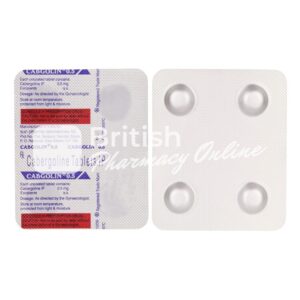
Cabergoline
from
Dostinex
from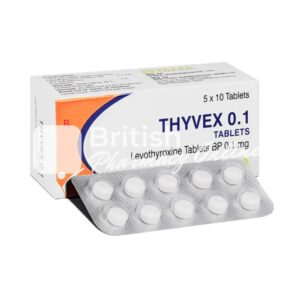
Euthyrox
from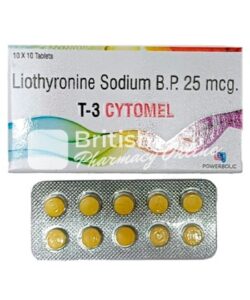
Liothyronine
from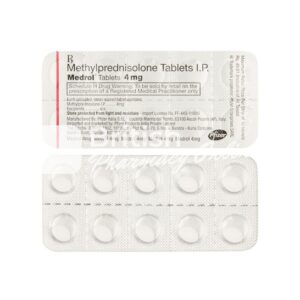
Medrol
fromWhat Are Hormones and How They Work
Hormones are chemical messengers produced by various glands in the body, including the pituitary, thyroid, adrenal, and reproductive glands. These powerful substances travel through the bloodstream to regulate essential bodily functions such as growth, metabolism, mood, and reproduction. When hormone levels become imbalanced, it can lead to various health conditions requiring medical treatment and intervention.
Hormone replacement therapy and hormonal medications have become increasingly important in modern healthcare. These medications help restore balance when the body cannot produce adequate amounts of specific hormones naturally. Understanding how hormones function is crucial for anyone considering hormonal treatment options.
The endocrine system, which produces hormones, works in harmony with other body systems to maintain homeostasis. When this delicate balance is disrupted, symptoms can range from mild to severe, affecting quality of life significantly. Pharmacological intervention often becomes necessary to restore proper hormonal function.
Thyroid Hormones and Thyroid Management
Thyroid hormones regulate metabolism, energy levels, and temperature control throughout the body. When the thyroid gland malfunctions, it can result in hypothyroidism or hyperthyroidism, both conditions requiring proper pharmaceutical management.
Common Thyroid Medications Available in the UK
- Levothyroxine sodium – the most widely prescribed thyroid hormone replacement for hypothyroidism, a synthetic form of thyroxine that helps restore normal metabolic function
- Liothyronine – an alternative medication containing synthetic T3 hormone for patients requiring additional support
- Propranolol – helps control excessive symptoms associated with hyperthyroidism
- Carbimazole – an antithyroid medication that works to reduce thyroid hormone production
Patients with thyroid conditions often require regular monitoring and dosage adjustments to achieve optimal thyroid function. Thyroid conditions affect millions across the United Kingdom, particularly women over 40. Symptoms include fatigue, weight changes, mood disturbances, and temperature sensitivity. Proper diagnosis through blood tests ensures accurate treatment, with most patients responding well to consistent medication use.
Hormone Replacement Therapy for Menopause and Women’s Health
Menopause represents a significant life stage where oestrogen and progesterone levels decline naturally. Many women experience uncomfortable symptoms including hot flushes, night sweats, mood changes, and sleep disruption. Hormone replacement therapy offers relief for these distressing symptoms.
Available HRT Options in the UK Market
Estradiol patches and tablets provide oestrogen replacement in various strengths. Norethisterone and medroxyprogesterone acetate offer progesterone supplementation for women with an intact uterus. Tibolone presents an alternative option combining oestrogenic and progestagenic activity.
HRT can be administered through patches, tablets, gels, or vaginal preparations depending on individual needs and preferences. Treatment duration varies, with some women requiring therapy for several years whilst others need shorter-term support.
The decision to use HRT involves careful consideration of benefits and potential risks. Healthcare professionals assess personal and family medical history, current symptoms severity, and individual health factors. Personalised treatment plans ensure optimal symptom management whilst minimising health risks. Many women report significant quality-of-life improvements with appropriate HRT, experiencing relief from debilitating symptoms and improved sleep, mood, and physical comfort during this important life transition.
Male Hormones and Testosterone Replacement
Testosterone plays crucial roles in male health, affecting muscle development, bone density, sexual function, and mood. Age-related testosterone decline, known as andropause, can impact many aspects of wellbeing and quality of life in men.
Testosterone Replacement Options Available in the UK
- Testosterone gels – provide convenient transdermal administration with products available in various strengths
- Intramuscular injections – offer longer-acting solutions with testosterone enanthate or testosterone undecanoate formulations
- Testosterone patches – deliver consistent hormone levels through skin absorption
Testosterone replacement therapy requires careful medical supervision with regular blood tests monitoring hormone levels. Treatment aims to restore testosterone to normal physiological ranges, improving energy, sexual function, muscle strength, and overall wellbeing.
Men experiencing symptoms of low testosterone such as fatigue, reduced libido, depression, or muscle weakness should seek proper medical evaluation. Blood tests confirm hormone deficiency before commencing treatment, ensuring appropriate candidacy for therapy. Side effects require careful monitoring, and healthcare providers work closely with patients to optimise dosage and delivery method. Properly managed testosterone replacement can significantly enhance quality of life for affected men.
Contraceptive Hormones and Birth Control
Hormonal contraceptives remain among the most effective and widely used birth control methods available. These medications prevent pregnancy through various mechanisms whilst offering additional health benefits including cycle regulation and acne improvement.
Popular Hormonal Contraceptives in the UK Market
Combined oral contraceptives contain both oestrogen and progestin, available in numerous formulations with different hormone strengths. Progestin-only pills offer alternatives for women unable to take oestrogen. Hormonal patches provide convenient weekly application with consistent hormone delivery.
Hormonal injections like medroxyprogesterone acetate (Depo-Provera) offer long-acting protection lasting twelve weeks. Hormonal implants such as etonogestrel (Nexplanon) provide three-year contraceptive protection through subdermal insertion.
Intrauterine devices with hormonal release combine mechanical and hormonal contraception for highly effective pregnancy prevention. Levonorgestrel IUDs prevent conception whilst minimising systemic hormone absorption.
Choosing appropriate hormonal contraception requires discussion with healthcare providers regarding lifestyle, medical history, and personal preferences. Most women tolerate hormonal contraceptives well, experiencing few side effects beyond initial adjustment periods.
Other Hormonal Medications and Specialist Applications
Beyond the main categories, various other hormonal medications address specific health conditions. Corticosteroids regulate immune response and inflammation, whilst DHEA and other hormones support specific health concerns. Diabetes management often requires hormonal regulation through insulin and related medications.
Additional Hormonal Treatments Include
- Growth hormone replacement – supports children with growth disorders and adults with genuine growth hormone deficiency
- Melatonin supplements – help regulate sleep-wake cycles for individuals experiencing circadian rhythm disruption
- Pituitary hormones – thyroid-stimulating hormone and ACTH address complex endocrine disorders requiring specialist management
- Parathyroid hormone medications – treat osteoporosis by stimulating bone formation
- Selective oestrogen receptor modulators – offer bone health benefits without full hormone replacement characteristics
- GnRH agonists and antagonists – treat endometriosis, fibroids, and hormone-sensitive cancers through specialised mechanisms
Proper pharmaceutical management of hormonal conditions significantly improves health outcomes and quality of life. Regular medical check-ups, blood tests, and dose adjustments ensure optimal therapeutic benefits. Always consult qualified healthcare professionals before commencing, changing, or discontinuing any hormonal medication to ensure safe, effective treatment tailored to individual needs.