Nortriptyline
In brief
- Nortriptyline can be purchased from pharmacies in the UK, Europe, the USA, Canada and other countries, but it is normally prescription only (Rx) and should be supplied under medical supervision. In a pharmacy setting, it may be possible to buy nortriptyline without a prescription, depending on local rules and availability.
- Nortriptyline is used to treat major depressive disorder and is also used off label for neuropathic pain, migraine prevention and fibromyalgia. It is a secondary amine tricyclic antidepressant that works mainly by inhibiting the reuptake of noradrenaline and serotonin, helping to improve mood and reduce pain signalling.
- The usual adult dose for depression is 25 mg three or four times daily, with a typical total daily dose of 75–150 mg. For pain-related uses, treatment often starts at 10–25 mg at bedtime and is increased gradually as tolerated, usually up to 75 mg/day.
- Nortriptyline is given by mouth as tablets or capsules, usually in 10 mg, 25 mg, 50 mg or 75 mg strengths; an oral solution may also be available in some regions.
- Nortriptyline does not work immediately. Some improvement may be noticed within 2–4 weeks, although the full antidepressant effect may take longer.
- The effects last about 24 hours, so it is usually taken once or several times daily depending on the prescribed regimen and indication.
- Alcohol should be avoided or kept to a minimum while taking nortriptyline, as it can increase drowsiness, dizziness and impaired concentration, and may worsen side effects or safety risks.
- The most common side effects are dry mouth, constipation, drowsiness, dizziness, blurred vision, urinary retention, weight gain, sweating, orthostatic hypotension and sexual dysfunction.
- Would you like to try nortriptyline without a prescription?
Key Findings From Recent Trials
Is nortriptyline still worth considering when there are newer antidepressants on the market?
The short answer is yes, for the right patient.
Recent nortriptyline research from 2022 to 2025 has not produced a flood of fresh head-to-head randomised trials, but newer systematic reviews, comparative studies and guideline updates still place it firmly in the conversation, especially for neuropathic pain studies and migraine prevention.
The pattern is familiar to many prescribers in the UK.
Nortriptyline tends to earn its place through long experience, predictable prescribing and flexible dosing rather than headline-grabbing trial breakthroughs.
In practice, that makes it a workhorse option when cost, familiarity and tolerability matter.
When compared with amitriptyline, duloxetine and venlafaxine, efficacy is often broadly similar in the patients who respond, particularly for pain-related use.
What often tips the balance is side-effect burden.
As a secondary amine TCA, nortriptyline is often considered a little easier to live with than more sedating tricyclic antidepressants, although the class still carries the usual cautions.
For patients who have struggled with grogginess on amitriptyline, nortriptyline can sometimes feel like a better fit.
That does not mean it is harmless.
Recent tricyclic antidepressant evidence continues to support careful monitoring for anticholinergic effects, falls risk and cardiac conduction issues, particularly in older adults.
Those risks matter most when doses climb, other medicines are involved, or the person already has heart disease or frailty.
In other words, the evidence base still supports nortriptyline, but it also supports sensible prescribing.
If a patient asks whether there is a “newer and better” option, the answer depends on the condition being treated, previous response and what has been tolerated before.
For some people, duloxetine or venlafaxine will make more sense.
For others, especially those who need dose flexibility and a well-known generic, nortriptyline remains an entirely reasonable choice.
Basic Nortriptyline Information
- INN (International Nonproprietary Name): Nortriptyline
- Brand Names Available In United Kingdom: Nortrilen, Sensoval
- ATC Code: N06AA10
- Forms & Dosages: Tablets and capsules, usually 10 mg and 25 mg in the UK; 50 mg and 75 mg are also sold in some markets
- Manufacturers In United Kingdom: Lundbeck for Nortrilen, plus several local generic manufacturers
- Registration Status In United Kingdom: MHRA-licensed, prescription only
- OTC / Rx Classification: Prescription only (Rx)
- Typical Adult Doses: 25 mg three to four times daily for depression; 10–25 mg at bedtime for off-label pain conditions
- Common Side Effects: Dry mouth, constipation, drowsiness, dizziness, blurred vision, orthostatic hypotension
- Main Safety Issues: Cardiac toxicity in overdose, anticholinergic effects, interactions with MAO inhibitors and CYP2D6 medicines
Clinical Mechanism Of Action
Wondering why a medicine used for mood can also help nerve pain?
Nortriptyline works by changing how certain chemical messengers are handled in the brain and nervous system.
It mainly helps rebalance noradrenaline and serotonin signalling, which is why it can improve depressive symptoms and also calm pain pathways.
That dual action is one reason nortriptyline hydrochloride remains useful across more than one clinical setting.
Pharmacologically, it is a secondary amine tricyclic antidepressant, which matters because that class tends to have a somewhat lighter sedative profile than amitriptyline.
That said, the word “lighter” does not mean “light”.
The tricyclic antidepressant still has a clear effect on receptors beyond mood pathways.
Its main scientific action is noradrenaline reuptake inhibition, which increases synaptic noradrenaline and can support both mood and pain modulation.
At the same time, its anticholinergic and antihistamine effects explain the dry mouth, constipation, blurred vision and drowsiness that patients often mention first.
Those same effects are why dose choice and tolerability are so closely linked.
A patient may do well on a low evening dose but struggle once the dose is pushed too quickly.
That is especially true in older adults, where the margin between benefit and side effects can be narrower.
For a pharmacist, the practical message is simple.
Nortriptyline mechanism of action is well understood, but its clinical usefulness still depends on balancing benefit against predictable class effects.
Scope Of Approved And Off-Label Use
Is nortriptyline actually used in the UK, or is it one of those older medicines that has quietly disappeared?
It is very much still in use.
In the UK, nortriptyline prescription UK supply is prescription only and MHRA-licensed, so it is used under medical supervision rather than bought over the counter.
That status is consistent across regulated markets.
UK brand names include Nortrilen and Sensoval, most commonly as 10 mg and 25 mg tablets or capsules.
Outside its main depression indication, off-label nortriptyline use continues in neuropathic pain, migraine prophylaxis and sometimes fibromyalgia, where a low bedtime dose can be attractive.
This is often the sort of prescription that starts with a clear clinical reason.
A patient with nerve pain who cannot tolerate first-line options may be offered nortriptyline for nerve pain at night, with review after a few weeks.
Some people also use it when sleep is poor and a sedating-at-night option may help, although the degree of sedation is usually less than with amitriptyline.
One practical point matters for online access.
In our online pharmacy, nortriptyline is available without a prescription, with discreet delivery to United Kingdom in 5-14 days.
Even so, the medicine itself remains prescription only in standard regulatory terms, and patients should only use it as directed by a prescriber.
The main takeaway is that nortriptyline has a broad clinical footprint, but its use is still guided by diagnosis, dose and supervision rather than by over-the-counter access.
Dosage Strategy
What dose should a patient start on, and why do clinicians often favour slower titration in the UK?
For depression, the typical adult starting dose is 25 mg three to four times daily, with adult maxima around 75 to 150 mg per day depending on response and tolerance.
In real UK practice, many clinicians prefer simpler schedules where possible, because adherence is easier when the regimen is straightforward.
That is one reason nortriptyline tablets are often adjusted carefully rather than aggressively.
For neuropathic pain, migraine and fibromyalgia, the common approach is very different.
Low bedtime dosing is usually preferred, often 10 to 25 mg at night, with gradual increases based on benefit and side effects.
A review after two to three weeks is sensible for pain conditions, because some patients feel benefit early while others need a stepwise increase.
This is where nortriptyline 10 mg tablets and nortriptyline 25 mg tablets are particularly useful, since small increments allow a more controlled dose journey.
Older adults need extra caution.
In elderly patients, the starting dose is usually lower, titration should be slower, and monitoring for anticholinergic or CNS effects becomes more important.
The same cautious approach applies in liver impairment, where hepatic metabolism is the main route of handling the drug.
Kidney impairment usually does not require a major adjustment, but severe dysfunction still deserves monitoring.
Children are not routinely treated with nortriptyline, and if used at all, that should be rare and specialist-led.
The practical aim is always the same.
Use the lowest effective dose, increase only when needed, and keep the schedule as simple as the indication allows.
Safety Protocols
What should be checked before a patient starts nortriptyline?
The first question is whether any contraindication is already present.
Nortriptyline should be avoided after a recent myocardial infarction, in arrhythmias, with known hypersensitivity to the medicine or other tricyclics, alongside MAO inhibitors or within 14 days of stopping an MAOI, and in severe liver impairment.
Those are not minor cautions.
They are the situations where tricyclic safety becomes a major concern.
There are also relative contraindications that need supervision rather than automatic exclusion.
Epilepsy, glaucoma, prostatic hypertrophy or urinary retention, thyroid disease and bipolar disorder all deserve a closer look before prescribing.
The reason is straightforward.
Class effects can worsen seizures, increase pressure-related eye symptoms, slow the bladder, complicate thyroid treatment or trigger a manic switch in bipolar disorder.
The common nortriptyline side effects are the ones patients often notice first.
Dry mouth, constipation, urinary retention, drowsiness, dizziness, blurred vision, sweating, weight gain, orthostatic hypotension, mild tremor and sexual dysfunction are all well recognised.
Most of these are manageable when they are mild.
Serious risks are different.
Nortriptyline overdose can cause severe cardiac toxicity and central nervous system effects, which is why urgent medical help is needed if an overdose is suspected.
In selected patients, an ECG review may be appropriate, especially where there is a cardiac history or another reason to suspect conduction problems.
That is the sort of detail that matters in pharmacy counselling.
Interaction Mapping
Does food matter much with nortriptyline?
Usually not in a major way.
There is no strict food restriction, but alcohol can worsen sedation and impair judgement, so that combination is best avoided or kept to an absolute minimum.
Caffeine is less dangerous but may aggravate anxiety or sleep problems in some people, which can make treatment feel less tolerable.
The bigger issue is drug interactions.
MAO inhibitors are contraindicated, including for 14 days after stopping an MAOI, because the interaction risk is high and potentially serious.
Beyond that, CYP2D6 nortriptyline interactions matter because nortriptyline is a CYP2D6 substrate.
Medicines that inhibit or induce this pathway can alter blood levels, which may increase side effects or reduce benefit.
That is why prescribers should always ask about antidepressants, antiarrhythmics and any long-standing medicines before starting a tricyclic antidepressant.
A simple rule helps here.
If a medicine affects the liver’s CYP2D6 system, it may affect nortriptyline too.
That does not mean every combination is forbidden, but it does mean interaction checks are essential rather than optional.
Patient Experience Analysis
What do patients tend to like about nortriptyline once they have actually started it?
Predictable evening dosing is one of the most common positives.
Many people also like that it is a familiar nortriptyline generic and usually less expensive than newer branded options.
That can matter a great deal for long-term treatment, especially when a medicine is used for months rather than days.
Survey-style feedback and prescriber experience both suggest that tolerability decides whether nortriptyline stays in place more than initial efficacy alone.
In real life, a medicine can work well on paper and still fail if morning grogginess or constipation becomes too much.
Forum discussions often describe a similar pattern.
Some patients report better function than with more sedating TCAs, and others like that it can help both pain and sleep in selected cases.
Common negatives are just as consistent.
Dry mouth, constipation, morning grogginess and palpitations are recurring themes in nortriptyline patient reviews and nortriptyline forum posts.
Those comments line up with the known pharmacology rather than being unusual complaints.
For a patient comparing options, that practical experience is often more useful than a theoretical discussion of receptor binding.
The question is not just whether nortriptyline works.
It is whether the person can live with the effects that come with it.
Distribution And Pricing Landscape
How easy is it to source nortriptyline in the UK?
Supply is generally straightforward through prescription channels, with nortriptyline tablets and capsules usually available in 10 mg and 25 mg strengths.
Some markets also carry 50 mg and 75 mg forms, and an oral solution may be available in certain regions.
Packaging is typically in blisters or bottles, often as film-coated tablets or capsules depending on the manufacturer.
Generic supply helps keep costs lower than many newer antidepressants.
That is one of the main reasons nortriptyline remains a practical choice in routine care.
Availability can still vary by brand and dose, though, because pharmacy supply chains are not identical across all manufacturers.
Global suppliers may include Mylan, Teva, Sun Pharmaceutical, Sandoz and Aurobindo.
In Europe, Lundbeck is associated with Nortrilen, alongside local generic manufacturers.
For many patients, the most important point is not the manufacturer’s name but whether the required strength is in stock.
When a medicine is used long term, small supply disruptions can become frustrating quickly, so having an agreed alternative brand can help.
That is particularly true when the prescription has been stabilised on a specific dose.
Alternative Options
Is nortriptyline the best tricyclic antidepressant for everyone?
No, and that is why comparison matters.
Amitriptyline is often more sedating and more anticholinergic, although it remains widely used for depression and pain.
Duloxetine and venlafaxine sit outside the TCA class and may be better tolerated for some patients, with fewer anticholinergic effects.
Desipramine is a close comparator within the same family, while imipramine and doxepin are older tricyclics with different sedation profiles.
For many patients, the decision comes down to balancing nortriptyline vs amitriptyline in terms of sedation, or considering a duloxetine comparison if anticholinergic burden is a concern.
| Medicine | Main Strength | Main Drawback |
|---|---|---|
| Amitriptyline | Well established for depression and pain | Often more sedating and anticholinergic |
| Duloxetine | Non-TCA option with fewer anticholinergic effects | Different side-effect profile and not a tricyclic |
| Venlafaxine | Useful SNRI option in some patients | May not suit everyone |
| Desipramine | Similar TCA profile | Same class-related safety issues |
Nortriptyline’s main advantages are experience, cost and a relatively balanced side-effect profile for a tricyclic antidepressant.
Its drawbacks are equally clear.
It still carries class toxicity, interaction risk and less modern trial momentum than some newer antidepressants.
Regulatory Status
Where does nortriptyline stand legally?
In the UK it is MHRA-licensed and prescription only, which means it must be used under clinical supervision.
That matches the position in other major markets.
It is FDA-approved in the USA, EMA-listed in Europe and PMDA-approved in Japan as Nortrilen.
Nortriptyline is also listed in the national registries for Romania and Moldova, though current status should always be checked directly in the relevant public database.
The ATC code is N06AA10, placing it within nervous system medicines and antidepressants.
That classification is useful for pharmacists because it tells you exactly where the drug sits in therapy and formulary systems.
Brand names vary by region.
In the UK and Europe, Nortrilen and Sensoval are the key names.
In the USA and Canada, Pamelor and Aventyl are better known.
That brand variation is worth remembering when patients search online after moving country or reading foreign advice.
Whatever the brand name, the active ingredient is still nortriptyline.
Consolidated Frequently Asked Questions
How long does nortriptyline take to work?
For depression, the usual initial effect is seen after two to four weeks.
For pain conditions, benefit may appear sooner at low doses, although gradual titration is still common.
Can nortriptyline be stopped suddenly?
That is not usually advised.
Tapering is commonly preferred to reduce withdrawal effects and to make the change easier to tolerate.
What should be done if a dose is missed?
Take it as soon as remembered if it is close to the scheduled time, but skip it if the next dose is near.
Do not double up.
What about overdose?
Seek emergency medical attention immediately, because nortriptyline overdose can cause cardiac toxicity and CNS effects.
Is it safe to drive?
Not until the individual response is known, especially because drowsiness, dizziness and blurred vision can occur.
Does every patient get the same dose?
No.
Dose depends on the indication, age, liver function, response and how much side effect burden appears early on.
Visual Guide
What does the medicine usually look like?
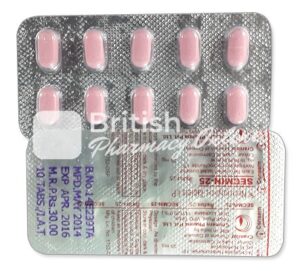
Nortriptyline tablets and capsules are commonly supplied in 10 mg, 25 mg, 50 mg and 75 mg strengths, although UK availability is often centred on 10 mg and 25 mg forms.
A patient collecting a prescription for the first time often wants to know whether the pack is normal.
With nortriptyline, the answer is usually yes if it is a standard blister or bottle pack from a recognised manufacturer.
The simple dose journey is easy to remember.
Start low.
Increase slowly.
Monitor response.
Maintain the lowest effective dose.
Some red flags should prompt medical review rather than waiting for the next routine appointment.
Drowsiness, palpitations, confusion, urinary retention and severe dizziness deserve attention, especially if they appear after a dose change.
That advice is particularly important for anyone who is also taking medicines that can affect the heart or the nervous system.
Storage And Transport
How should nortriptyline be stored at home?
Store it at room temperature, between 15 and 30°C, away from moisture and light.
Keep it in the original packaging and out of reach of children.
That advice is simple, but it prevents a lot of avoidable problems.
When travelling, the safest approach is to keep the medicine in the original closed pack.
That helps with prescription verification and makes dose checking easier if a question comes up at the border, airport or hotel.
It is also wise not to leave packs in hot cars or damp bags.
Heat and moisture are not kind to medicines, and there is no benefit in taking the risk.
For people who travel regularly, a small prescription list in the same bag can also be helpful.
Guidelines For Proper Use
What does proper use actually look like once the prescription has been dispensed?
Follow the prescriber’s schedule carefully, because dosing depends on indication, age and tolerance.
For depression, treatment is often continued for at least six months after improvement.
That matters because stopping too early can allow symptoms to return.
For neuropathic pain, review after two to three weeks is common, especially when a low bedtime dose has been started.
Who needs closer supervision?
Older adults, people with liver disease, epilepsy, glaucoma, urinary retention, thyroid disease or bipolar disorder need more careful review.
Those groups are more likely to experience adverse effects or complications, so follow-up should not be delayed.
When should help be sought?
Worsening mood, palpitations, severe constipation, urinary problems, confusion or suicidal thoughts all require prompt clinical advice.
Those are not issues to “wait and see” with, particularly if the dose was recently changed.
Used properly, nortriptyline can still be a useful and cost-effective medicine in the UK.
Used casually, it can cause exactly the sort of tricyclic problems pharmacists warn about.
Delivery Across United Kingdom
| City | Region | Delivery time |
|---|---|---|
| London | Greater London | 5-7 days |
| Birmingham | West Midlands | 5-7 days |
| Manchester | North West England | 5-7 days |
| Leeds | West Yorkshire | 5-7 days |
| Glasgow | Scotland | 5-7 days |
| Edinburgh | Scotland | 5-7 days |
| Liverpool | Merseyside | 5-7 days |
| Sheffield | South Yorkshire | 5-7 days |
| Bristol | South West England | 5-7 days |
| Cardiff | Wales | 5-7 days |
| Belfast | Northern Ireland | 5-7 days |
| Newcastle upon Tyne | North East England | 5-9 days |
| Nottingham | East Midlands | 5-9 days |
| Leicester | East Midlands | 5-9 days |
| Aberdeen | Scotland | 5-9 days |