Quetiapine
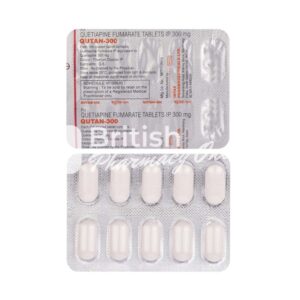
In brief
- Quetiapine is a prescription-only medicine in the UK and most countries, used for psychiatric conditions; however, where available, it may also be sold by some online pharmacies. It should only be taken under medical supervision.
- Quetiapine is used to treat schizophrenia and bipolar disorder, and sometimes as an adjunct in depression in some countries. It works as a second-generation antipsychotic by affecting dopamine and serotonin receptors in the brain.
- The usual dose depends on the condition and formulation: for schizophrenia in adults, 300–400 mg/day is common; for bipolar disorder, doses may range up to 400 mg/day for mania and 300 mg/day for depression. Doses are usually titrated gradually.
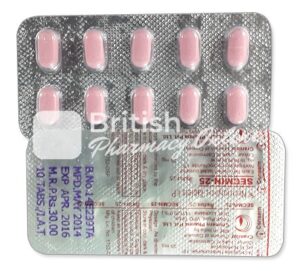
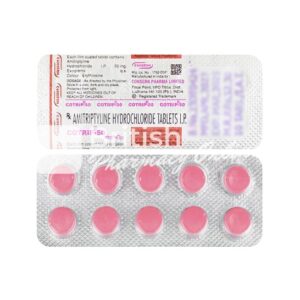
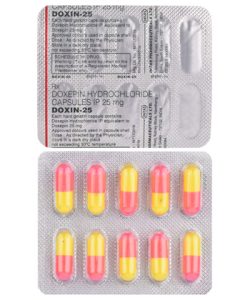
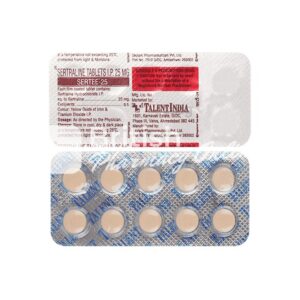
- Quetiapine is taken by mouth as immediate-release or extended-release tablets, usually in blister packs or bottles.
- It may start to cause drowsiness and calming effects within a few hours, although the full therapeutic effect may take several days to weeks.
- The duration of action depends on the formulation: immediate-release tablets usually last around 6 hours, while extended-release tablets provide steadier coverage over about 24 hours.
- Do not drink alcohol while taking quetiapine, as it can increase drowsiness, dizziness, and the risk of side effects.
- The most common side effects are drowsiness, dizziness, dry mouth, weight gain, increased appetite, constipation, headache, and low blood pressure on standing.
- Would you like to try quetiapine without a prescription?
Basic Quetiapine Information
- INN (International Nonproprietary Name): Quetiapine
- Brand names available in United Kingdom: Seroquel, Seroquel XR, and generic quetiapine products
- ATC Code: N05AH04
- Forms & dosages: Immediate-release tablets in 25 mg, 50 mg, 100 mg, 150 mg, 200 mg, 300 mg, and 400 mg; extended-release tablets in 50 mg, 150 mg, 200 mg, 300 mg, and 400 mg
- Manufacturers in United Kingdom: AstraZeneca, together with multiple generic manufacturers and suppliers
- Registration status in United Kingdom: Prescription only (Rx)
- OTC / Rx classification: Prescription only (Rx)
Recent Evidence And Trial Findings
Major 2022–2025 Studies
Is quetiapine still doing the job in everyday practice, or has newer evidence changed the picture?
Recent trials and real-world studies have kept quetiapine, including quetiapine XR, in the conversation for schizophrenia and bipolar disorder.
The strongest evidence still comes from randomised controlled trials, with meta-analyses next, and observational studies after that.
Across those layers, quetiapine fumarate continues to show useful effects on psychotic symptoms, mood stabilisation, and relapse prevention, especially when maintenance treatment matters.
As an atypical antipsychotic with ATC code N05AH04, it remains a familiar option in quetiapine UK prescribing, particularly when sedation at night is part of the clinical aim.
Where the drug tends to perform well is symptom control and helping people stay on treatment when quetiapine tablets are used in a sensible regimen.
Where the effect size is more modest is in patients who need a very activating medicine or a very low metabolic burden.
Main Outcomes
Study summaries point to reductions in hallucinations, suspiciousness, agitation, and mood swings, with better sleep reported in many patients.
That said, the sleep benefit can blur into plain sedation, so the reason for improvement needs to be judged carefully.
Quetiapine Seroquel and quetiapine XR often appear most helpful in maintenance settings, rather than as dramatic rescue treatment for severe acute episodes.
In practice, quetiapine evidence suggests a solid middle ground: better tolerability than some highly sedating agents for certain patients, but not the lightest drug on weight or daytime alertness.
Safety Observations
Sedation, weight gain, orthostatic hypotension, and metabolic monitoring signals continue to shape the safety profile.
For many patients, the safety burden affects adherence more than the level of symptom control does.
That is why quetiapine UK reviews usually focus on how sleepy the person feels in the daytime, whether weight is changing, and whether blood tests are staying reassuring.
How Quetiapine Works
Layman’s Explanation
Could it simply be described as a medicine that settles an overactive brain?
That is a fair plain-English way of putting it.
Quetiapine helps calm brain signalling linked with psychosis and mood episodes by reducing the effect of key chemical messengers, especially dopamine and serotonin.
When those signals are dialled down, thoughts can feel less scattered, mood swings may settle, and sleep often becomes easier.
Scientific Breakdown
Quetiapine fumarate tablets act mainly through receptor antagonism at 5-HT2A and D2 sites, with additional histamine H1 and alpha-1 adrenergic activity.
That receptor profile explains why quetiapine XL and quetiapine fumarate tablets can feel sedating, why dizziness can happen when standing up, and why postural drops in blood pressure are so common early on.
Quetiapine is sold as immediate-release and extended-release tablets, with strengths ranging from 25 mg to 400 mg depending on formulation.
Seroquel XL is the brand many patients recognise, but the mechanism is the same whether it is branded or generic.
Why XR Differs From IR
XR tablets absorb more slowly, which usually means once-daily convenience and a smoother blood level profile.
IR tablets are typically taken in divided doses, which can suit titration but may feel less convenient.
For some people, the slower release improves tolerability, while for others the main gain is simply remembering one evening dose rather than several tablets during the day.
Licensed And Off-Label Uses
United Kingdom Approvals
In the UK, quetiapine is prescription only and should be used under clinician supervision.
Licensed uses include schizophrenia, bipolar disorder, and bipolar depression, depending on the exact product licence.
That is why quetiapine UK searches often bring up both quetiapine Seroquel and generic quetiapine brands UK, because the medicine is familiar in both branded and generic form.
Notable Off-Label Trends
Off-label use is common in practice for insomnia, anxiety, and as augmentation in depression, but those uses need careful risk–benefit review.
NHS and local formulary guidance should guide the decision, especially when a lower dose is being considered mainly for sleep.
Low-dose use for sleep is not the same as a harmless hypnotic, even if it feels that way on the first few nights.
In our online pharmacy, quetiapine is available without a prescription, with discreet delivery to United Kingdom in 5-14 days.
Clinical Caution Points
Adults with schizophrenia are usually started on 50 mg twice daily with IR tablets, then titrated towards 300–400 mg/day.
In bipolar mania, doses may reach 800 mg/day at the maximum.
Those figures matter because quetiapine uses span a wide range, and a “sleeping tablet” approach can miss the broader clinical picture.
Dosing Strategy
General Dosing
How is quetiapine usually started without causing too many side effects?
By titrating over several days rather than jumping straight to the full dose.
That slower build helps reduce drowsiness, dizziness, and orthostatic symptoms.
Quetiapine fumarate 25mg, quetiapine fumarate 50mg, and quetiapine fumarate 100mg strengths are often used in early titration, especially with IR tablets.
Immediate-release tablets are usually taken in divided doses, while XR tablets are commonly taken once daily in the evening.
Available strengths include 25, 50, 100, 150, 200, 300, and 400 mg for IR, and 50, 150, 200, 300, and 400 mg for XR.
Condition-Specific Dosing
For schizophrenia, the usual target is 300–400 mg/day after gradual escalation.
For bipolar mania, 400 mg/day is typical, with a maximum of 800 mg/day.
For bipolar depression or adjunctive use, lower XR doses are common, often up to 300 mg/day.
Dose Adjustments
Older adults should start low and increase slowly because orthostatic hypotension and central nervous system effects are more likely.
In hepatic impairment, the initial dose should be lower and titration slower, commonly around 25 mg/day at the start.
Renal impairment usually does not require a major dose change, but clinical monitoring is still needed.
Children are not approved for use under 13 years for schizophrenia or under 10 years for bipolar mania, and specialist input is essential where paediatric use is considered.
Safety Protocols
Contraindications
Who should be extra careful before starting quetiapine tablets?
Anyone with a known hypersensitivity to quetiapine or excipients should avoid it.
Co-administration with potent CYP3A4 inhibitors needs major caution and dose review.
Cardiovascular risk screening before initiation is important, especially where arrhythmia or QT prolongation is a concern.
Adverse Effects
Common quetiapine side effects include drowsiness, dizziness, dry mouth, constipation, weight gain, increased appetite, and headache.
Mild tachycardia can also occur.
In UK practice, monitoring usually includes blood pressure, weight or BMI, glucose, lipids, and ECG when indicated.
High-Risk Groups
Older adults with dementia-related psychosis are a particularly high-risk group.
Patients with QT prolongation risk, seizure history, diabetes, or metabolic syndrome also need close follow-up.
That is one reason quetiapine safety matters so much in long-term treatment: the medicine can work well, but the monitoring has to be taken seriously.
Interaction Mapping
Food Interactions
Does food make quetiapine interactions worse?
Not usually in a major way from a clinical interaction standpoint.
What matters more is consistency with XR products, which should be taken exactly as directed.
Alcohol should be avoided because it adds to sedation and can make falls more likely.
Drug Combinations To Avoid
Strong CYP3A4 inhibitors such as ketoconazole can raise quetiapine exposure and need careful review.
Other sedatives, antihypertensives, and QT-prolonging medicines also deserve caution.
Practical UK Pharmacy Advice
Over-the-counter antihistamines, opioids, and benzodiazepines can all amplify sedation.
A full medication reconciliation at each review helps spot the combination risks that are easy to miss.
Quetiapine interactions are often about the day-to-day reality of tiredness, unsteadiness, and slower reactions rather than dramatic acute toxicity.
Patient Experience Analysis
Survey Data
What do patients most often say has improved?
Calmer thinking, sleepiness at night, and fewer mood swings are the most common reported benefits.
That matches the way quetiapine is often used in real-world care.
Reasons for stopping are just as familiar: daytime sedation, weight gain, dry mouth, and a feeling of brain fog.
Forum Trends
UK forum discussions often focus on when to take the dose, how to taper, and whether switching from IR to XR might reduce grogginess.
Concerns about metabolic effects and driving impairment come up repeatedly.
Some people also worry when quetiapine feels helpful for sleep but leaves them sluggish the next morning.
E-E-A-T Angle
Anecdotes matter, but they should sit beside evidence-based outcomes rather than replace them.
If side effects persist or adherence becomes patchy, a clinician review is the right next step.
That applies whether the medicine is being used for schizophrenia, bipolar disorder, or an off-label reason.
Distribution And Pricing Landscape
UK Availability
Quetiapine is widely available through the NHS and private pharmacies in both branded and generic forms.
Well-known brands include Seroquel and Seroquel XR, while international markets also use names such as Apo-Quetiapine, Quetex, Quet, and Quetapel.
Packaging is commonly in blister packs or bottles, and pack sizes often vary by manufacturer and country.
Pricing Factors
What changes the price most?
Strength, formulation, and whether the medicine is supplied as a generic or branded product.
XR products are often more expensive than standard-release tablets.
Quetiapine online pharmacy listings can also vary depending on stock, manufacturer, and dispensing rules.
Packaging Formats
Most packs are issued as 30 or 60 tablets, although that is not fixed across every supplier.
For some patients, the familiar Seroquel price is less important than whether the right strength is in stock and delivered on time.
Alternative Options
Comparison Table
| Medicine | Sedation | Metabolic Burden | Prolactin Effect | Activation Or Akathisia Risk |
|---|---|---|---|---|
| Quetiapine | High | Moderate to high | Low | Low |
| Olanzapine | High | High | Low | Low |
| Risperidone | Moderate | Moderate | Higher | Moderate |
| Aripiprazole | Low | Lower | Low | Higher |
| Ziprasidone | Low to moderate | Lower | Low | Moderate |
| Clozapine | High | High | Low | Low |
Pros And Cons
Quetiapine’s main strengths are broad mood and psychosis utility, useful sedation at night, and XR convenience.
Its main drawbacks are weight gain, sedation, postural hypotension, and the metabolic monitoring burden.
Quetiapine alternatives may suit people who prioritise lower metabolic risk, less sedation, or a simpler once-daily regimen.
Choice Of Agent
Quetiapine versus olanzapine often comes down to sedation and metabolic trade-offs.
Quetiapine versus aripiprazole can be a choice between more calming sedation and a more activating profile.
For a patient who needs to stay sharp at work, a different atypical antipsychotic may suit better than quetiapine tablets.
Regulatory Status
UK Regulatory Position
Quetiapine is prescription only in the UK and sits under MHRA oversight.
In NHS settings, use is guided by local formularies and specialist prescribing standards.
That is standard for quetiapine UK practice, whether the prescription is for Seroquel XR or a generic product.
Global Registration Context
Regulatory references include the FDA, EMA, TGA, MHRA, and other national agencies.
The ATC classification remains N05AH04.
Quetiapine is recognised as an atypical antipsychotic in major systems worldwide.
Product Status
The original developer was AstraZeneca, and multiple generic manufacturers now supply the medicine.
That is why quetiapine brands UK searches may show both branded and generic options, depending on stock and wholesaler supply.
Frequently Asked Questions
Core Patient Questions
What is quetiapine used for?
It is used for schizophrenia, bipolar disorder, and, depending on the product licence, bipolar depression.
Is quetiapine the same as Seroquel?
Yes, Seroquel is a brand name for quetiapine.
Does quetiapine help sleep?
It often makes people sleepy, but that does not make it a simple sleeping tablet.
How long does it take to work?
Some calming or sleepy effects can appear quickly, while mood and psychosis benefits may take longer.
Safety And Access Questions
Can it be stopped suddenly?
That should be avoided unless a clinician says otherwise, because withdrawal or symptom return can be an issue.
What if a dose is missed?
Take it when remembered unless the next dose is due soon; do not double up.
Is it safe to drive?
Driving should be avoided if the medicine causes drowsiness, blurred thinking, or slower reactions.
Evidence-Led Answers
These quetiapine FAQ points are practical, but any ongoing side effect or adherence problem needs a proper medication review.
Repeated missed doses, persistent sedation, or concerns about quetiapine missed dose management are all worth raising with a pharmacist or prescriber.
Visual Guide
Suggested Visuals
A dosing timeline chart can make titration easier to understand.
An IR versus XR comparison graphic would help patients see why quetiapine XL is often taken once daily.
A side effect frequency wheel could show sedation, weight gain, dry mouth, and dizziness at a glance.
A UK brand and pack-size map would also suit quetiapine tablets, quetiapine dose infographic content, and Seroquel XL visual guide material.
Data Visual Opportunities
A monitoring checklist works well for weight, glucose, lipids, blood pressure, and ECG.
A “when to seek help” flowchart could cover sedation, falls, and overdose symptoms.
Those visuals help turn quetiapine side effects from a long list into something patients can actually use.
Delivery Across United Kingdom
| City | Region | Delivery time |
|---|---|---|
| London | England | 5-7 days |
| Birmingham | England | 5-7 days |
| Manchester | England | 5-7 days |
| Leeds | England | 5-7 days |
| Liverpool | England | 5-7 days |
| Glasgow | Scotland | 5-7 days |
| Edinburgh | Scotland | 5-7 days |
| Cardiff | Wales | 5-7 days |
| Belfast | Northern Ireland | 5-7 days |
| Sheffield | England | 5-7 days |
| Bristol | England | 5-7 days |
| Leicester | England | 5-9 days |
| Coventry | England | 5-9 days |
| Nottingham | England | 5-9 days |
| Newcastle upon Tyne | England | 5-7 days |
Storage And Transport
Storage Rules
Keep quetiapine tablets at room temperature, ideally between 15 and 30°C.
Original packaging is best because it protects the medicine from moisture and light.
Transport Advice
When travelling, keep the medicine secure in hand luggage rather than checked baggage.
Do not leave it in a hot car or a damp bathroom, as both can affect storage conditions.
UK Practical Note
For travel, it helps to carry the labelled pharmacy box, especially if dispensing checks are needed.
That is a simple step, but it can save hassle at airports or when taking medicine across borders.
Guidance For Proper Use
How To Take It Correctly
Follow the prescribed schedule exactly and do not change the release form unless told to do so.
XR tablets should not be split unless a pharmacist or prescriber specifically instructs that this is acceptable.
Taking quetiapine at the same time each day helps make the effect more predictable.
Monitoring And Follow-Up
Regular checks should include weight, blood pressure, glucose, lipids, sedation, and symptom control.
Benefit versus harm should be reviewed after dose changes and during long-term treatment.
For schizophrenia and maintenance treatment, that reassessment often continues for years.
Overdose And Missed Doses
Overdose signs include drowsiness, tachycardia, hypotension, and coma.
Management is supportive, with airway protection and cardiac monitoring, and there is no specific antidote.
If a dose is missed, take it when remembered unless the next dose is due soon, and do not double up.
That missed dose rule is the one patients forget most often, especially when quetiapine is taken in the evening.