
Alcoholism
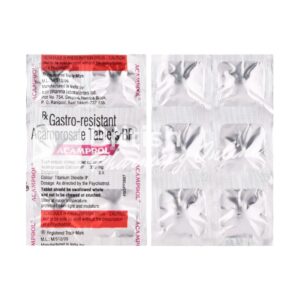
Acamprosate
from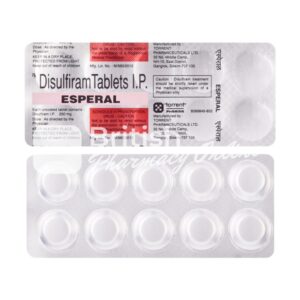
Antabuse
from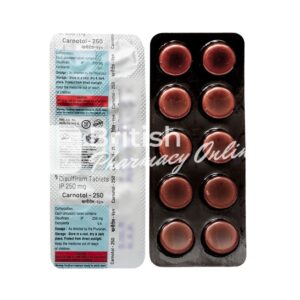
Disulfiram
from
Naltrexone
from
Revia
from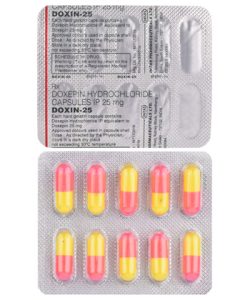
Sinequan
fromUnderstanding Alcohol Addiction and Dependency
Alcohol addiction, commonly referred to as alcoholism or alcohol use disorder, is a serious medical condition characterised by an inability to control drinking despite negative consequences. In the United Kingdom, alcohol dependency affects millions of individuals across all age groups and social backgrounds. This condition develops when regular alcohol consumption alters brain chemistry, creating both physical and psychological dependence.
The condition manifests through various symptoms including cravings, withdrawal effects, tolerance development, and continued drinking despite awareness of harm. Individuals struggling with alcoholism often experience relationship difficulties, employment issues, and significant health complications. Early recognition and intervention are crucial for successful recovery and preventing long-term damage to physical and mental health.
Medications Used in Alcohol Addiction Treatment
Acamprosate (Campral)
Acamprosate is one of the primary medications prescribed in the UK for maintaining abstinence from alcohol. This medication works by restoring the natural balance of neurotransmitters in the brain that alcohol has disrupted. Campral is particularly effective for individuals who have already stopped drinking and wish to prevent relapse. The medication is typically taken three times daily and has minimal side effects, making it a popular choice amongst patients.
Naltrexone
Naltrexone functions by blocking opioid receptors in the brain, reducing the pleasurable effects associated with alcohol consumption. Available in the UK under various brand names, naltrexone decreases cravings and helps individuals resist the urge to drink. This medication is suitable for those who have recently quit alcohol or are committed to sobriety. Naltrexone can be administered orally or as a monthly injection, offering flexibility in treatment options.
Disulfiram (Antabuse)
Disulfiram represents a different approach to alcohol treatment by creating an unpleasant reaction if alcohol is consumed. This medication causes flushing, nausea, vomiting, and chest pain when mixed with alcohol, providing a strong deterrent to drinking. Disulfiram requires high motivation from patients, as it functions primarily through behavioural reinforcement rather than directly reducing cravings.
Baclofen
Though not officially licensed for alcohol dependence in the UK, baclofen is sometimes prescribed off-label by specialists. This muscle relaxant and central nervous system depressant can help reduce alcohol cravings and anxiety associated with withdrawal. Some patients report significant benefits, though research continues into its efficacy for this indication.
Withdrawal Symptoms and Medical Management
Alcohol withdrawal occurs when heavy drinkers suddenly reduce or stop their alcohol consumption. Symptoms typically begin within 6-24 hours after the last drink and can range from mild to severe. Common withdrawal manifestations include tremors, anxiety, sweating, headaches, and nausea. In severe cases, individuals may experience seizures or delirium tremens, a life-threatening condition.
Medical professionals in the UK manage withdrawal through carefully monitored medication regimens. Benzodiazepines such as diazepam and chlordiazepoxide are frequently prescribed to reduce anxiety and prevent seizures during detoxification. These medications require careful dosing and gradual reduction to prevent dependence transfer. Thiamine supplements are often recommended to prevent Wernicke-Korsakoff syndrome, a serious neurological condition associated with alcohol abuse.
Psychological and Behavioural Treatment Approaches
Treating alcoholism requires a comprehensive approach combining medication with psychological support. Cognitive behavioural therapy (CBT) helps individuals identify triggers and develop coping strategies for managing cravings and stressful situations. Motivational interviewing encourages patients to recognise the discrepancy between their current behaviour and personal goals, fostering intrinsic motivation for change.
Support groups and community-based programmes play a vital role in recovery:
- Alcoholics Anonymous provides peer support and practical strategies from others with similar experiences
- Individual counselling sessions address underlying issues including depression, anxiety, trauma, and relationship problems
- Residential rehabilitation programmes offer intensive therapeutic support in structured environments for severe cases
- Family therapy helps address the impact of alcoholism on entire family systems
- Marital counselling facilitates healthier communication patterns and relationship repair
Family involvement in treatment can significantly improve outcomes and help rebuild damaged relationships. Many UK treatment centres recognise that alcoholism affects not just the individual but the entire family unit, and therefore integrate family support into comprehensive treatment plans.
Long-Term Recovery and Relapse Prevention
Successful recovery from alcoholism requires sustained commitment and ongoing support. After initial detoxification and stabilisation, individuals must develop robust relapse prevention strategies. These include identifying high-risk situations, building healthy coping mechanisms, establishing new routines and social networks that don’t revolve around alcohol.
Regular follow-up appointments with healthcare providers help monitor progress and adjust treatment plans as needed. Continuing medication use significantly increases abstinence rates, with studies showing improved outcomes when pharmacological treatment is maintained for at least twelve months. Lifestyle modifications including regular exercise, stress management techniques, improved nutrition, and adequate sleep support long-term recovery.
Many individuals benefit from ongoing participation in support groups or structured outpatient programmes. Building a strong social support network of family, friends, and healthcare professionals provides essential encouragement during challenging periods. Celebrating milestones and acknowledging progress reinforces commitment to sobriety and motivates continued abstinence.
When to Seek Help and Available NHS Services
Recognising the need for professional help represents a crucial step in addressing alcohol problems. Individuals who find themselves drinking more than recommended guidelines, experiencing relationship or work difficulties, or unable to control their drinking should seek medical advice. Warning signs include morning shakiness, blackouts, driving under the influence, or continued drinking despite negative consequences.
The UK National Health Service provides comprehensive alcohol treatment services through multiple pathways. General practitioners serve as a first contact point, offering screening, brief interventions, and medication prescriptions. Specialist alcohol services provide more intensive support including detoxification programmes, psychological therapies, and rehabilitation options. Many areas offer community-based services allowing treatment whilst maintaining employment and family responsibilities.
Private treatment facilities in the UK also provide alternatives, offering more intensive programmes and varied therapeutic approaches. Organisations such as Drinkaware provide evidence-based information, self-assessment tools, and guidance on accessing appropriate services. Emergency departments can manage acute alcohol-related crises and severe withdrawal symptoms.
Early intervention significantly improves treatment outcomes, reducing complications and supporting faster recovery. Regardless of addiction severity, professional support combined with personal motivation creates the strongest foundation for lasting sobriety and improved quality of life. Taking the first step to seek help is often the most difficult part of the recovery journey, but it is also the most important.