
Antibacterial
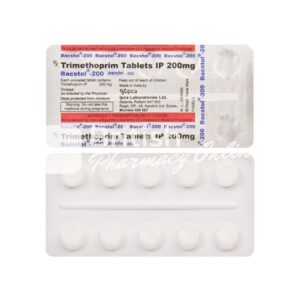
Bactrim
from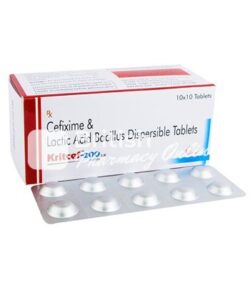
Cefixime
from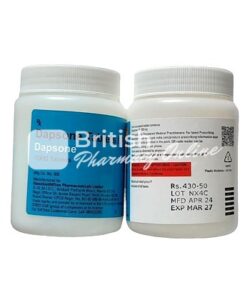
Dapsone
from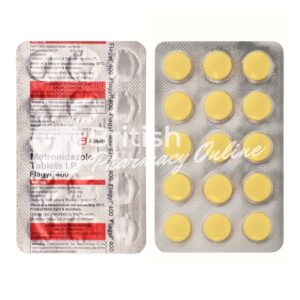
Flagyl
from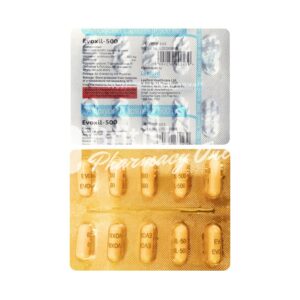
Levofloxacin
from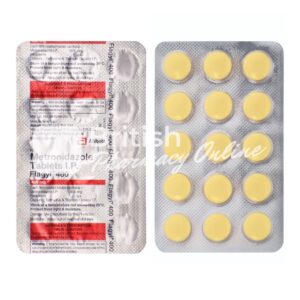
Metronidazole
from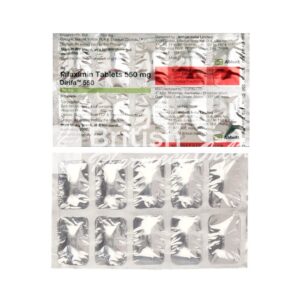
Rifaximin
from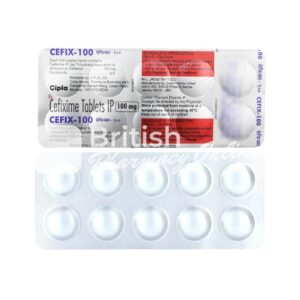
Suprax
from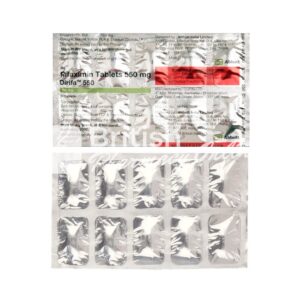
Xifaxanta
fromWhat Are Antibacterial Products?
Antibacterial products are medications and treatments designed to eliminate or inhibit the growth of bacteria. These products work by either killing bacteria directly or preventing them from multiplying. Antibacterial agents contain active ingredients that target bacterial cell walls or interfere with their metabolic processes. They come in various forms including tablets, creams, ointments, and oral solutions. Understanding how antibacterial products work helps patients use them safely and effectively.
Different antibacterial formulations serve different purposes, from treating minor skin infections to serious systemic infections. The active ingredients in these products vary widely, with some being natural and others synthetically derived. Antibacterial products are essential in modern healthcare for fighting bacterial infections that could otherwise become serious health complications.
Types of Antibacterial Medications Available in the UK
Oral Antibiotics
Oral antibiotics are tablets and capsules taken by mouth to treat bacterial infections throughout the body. Common oral antibiotics available in the UK include amoxicillin, penicillin V, and flucloxacillin. These medications are particularly effective for respiratory infections, urinary tract infections, and general bacterial infections. Azithromycin is another popular oral antibiotic used for various types of infections, whilst cephalexin is frequently prescribed for skin and soft tissue infections.
Trimethoprim is often used to treat urinary tract infections, and doxycycline serves well for respiratory infections and certain sexually transmitted infections. Oral antibiotics require a prescription from a GP in most cases and should be taken exactly as directed to ensure maximum effectiveness.
Topical Antibacterial Creams
Topical antibacterial treatments are applied directly to the skin to treat localised infections and wounds. Products like mupirocin cream are widely used for minor skin infections and impetigo. Neomycin-based creams help prevent infection in minor cuts and grazes, whilst bacitracin ointments provide antibacterial protection for small wounds. Fusidic acid cream is particularly effective against staphylococcal skin infections.
These products are generally available without prescription and can be purchased from pharmacies across the UK. Topical treatments work well for superficial infections and are less likely to cause systemic side effects compared to oral medications.
Antibacterial Soaps and Washes
Antibacterial soaps and body washes help prevent bacterial contamination and reduce infection risk. Modern antibacterial washes often use chlorhexidine or iodine-based formulations. These products are useful for personal hygiene and wound care. Antibacterial hand washes are particularly important in healthcare settings and for general infection prevention. Many antibacterial soaps are available over the counter at supermarkets and pharmacies throughout the UK.
Common Uses for Antibacterial Products
Treating Infections
Antibacterial products are primarily used to treat various bacterial infections affecting different parts of the body. Skin infections including cuts, abrasions, and minor wounds benefit from topical antibacterial treatments. Respiratory infections such as bronchitis and certain types of pneumonia may require oral antibiotics. Urinary tract infections are commonly treated with specific antibiotics like nitrofurantoin or trimethoprim. Ear infections, particularly otitis media, often respond well to appropriate antibiotic therapy, and throat infections caused by bacteria, such as strep throat, require oral antibiotics. Digestive system infections can also be treated with prescribed antibacterial medications.
Infection Prevention
Antibacterial products play a crucial role in preventing infections from developing. Using antibacterial creams on minor wounds prevents bacterial colonisation. Antibacterial washes help maintain skin hygiene and reduce bacterial populations on the body surface. In healthcare settings, antibacterial solutions are used to sterilise hands and equipment. Post-operative wound care often involves antibacterial treatments to prevent surgical site infections. Healthcare workers use antibacterial products regularly to prevent cross-contamination, and individuals with weakened immune systems benefit from preventive antibacterial care.
Chronic Condition Management
Some patients with chronic conditions require ongoing antibacterial treatment or prevention strategies. Recurrent urinary tract infections may be managed with prophylactic antibiotics. Cystic fibrosis patients often use antibacterial inhalations to manage chronic respiratory infections. Chronic wound management in conditions like diabetic ulcers involves regular antibacterial treatment, and long-term antibiotic therapy may be necessary for certain chronic infections.
Popular Antibacterial Products Currently Available in the UK Market
Leading Prescription Antibiotics
Amoxicillin remains one of the most commonly prescribed antibiotics in the UK for treating various bacterial infections. Penicillin V is prescribed for streptococcal infections and respiratory conditions, whilst flucloxacillin is particularly effective against staphylococcal infections and skin conditions. Cephalexin is widely used for urinary tract and skin infections. Erythromycin serves as an alternative for patients allergic to penicillin-based antibiotics. Ciprofloxacin is used for more serious infections including some urinary tract infections.
Over-the-Counter Topical Options
Several trusted over-the-counter antibacterial products are readily available across UK pharmacies and supermarkets:
- Savlon cream combines antibacterial and antibiotic properties for minor wounds and skin infections
- Germolene contains antibacterial agents suitable for minor cuts and grazes
- Sudocrem provides antibacterial protection along with other beneficial ingredients
- Boots Antibacterial Cream is readily available in pharmacies throughout the UK
- Hydrogen peroxide solutions offer antibacterial cleaning properties for wounds
- Iodine-based antiseptics provide broad-spectrum antibacterial protection
Antibacterial Personal Care Products
Dettol has been a trusted antibacterial brand in the UK for decades, offering comprehensive protection against bacteria. Lifebuoy offers antibacterial soap bars and liquid washes suitable for daily use. Dial antibacterial soap is widely available in UK supermarkets and pharmacies. Pears transparent soap provides gentle antibacterial cleansing for sensitive skin. Various pharmacy own-brand antibacterial hand washes are available at competitive prices throughout the UK, making antibacterial protection accessible to all consumers.
Important Safety Information and Precautions
Proper Usage Guidelines
Always follow the dosage instructions provided by your GP or displayed on the product packaging. Complete the full course of antibiotics even if symptoms improve, as stopping early can lead to antibiotic resistance. Take oral antibiotics at the recommended times to maintain consistent medication levels in your system. Store antibacterial products as instructed, typically at room temperature away from direct sunlight. Do not share antibiotics with other people, as they may not be appropriate for different infections. Topical products should only be applied to affected areas unless otherwise directed, and keep antibacterial products away from eyes unless specifically designed for that purpose.
Potential Side Effects and Allergies
Some patients experience allergic reactions to antibacterial products, particularly penicillin-based medications. Common side effects of oral antibiotics include nausea, diarrhoea, and stomach upset. Topical antibacterial products may cause skin irritation or rashes in sensitive individuals. If you experience severe reactions, discontinue use and contact your GP immediately. Always inform healthcare providers of any known allergies before starting antibiotic treatment. Certain antibiotics can interact with other medications you may be taking. Pregnant and breastfeeding women should consult their healthcare provider before using antibacterial products.
Antibiotic Resistance Awareness
Using antibiotics only when necessary helps prevent the development of antibiotic-resistant bacteria. Never use leftover antibiotics from previous prescriptions for new infections. Self-diagnosing and self-prescribing antibiotics contributes to resistance problems affecting public health. Always obtain antibiotics through proper medical channels with appropriate diagnosis. Supporting antibiotic stewardship initiatives protects these vital medicines for future generations.
When to Seek Professional Medical Advice
Contact your GP if symptoms persist despite using over-the-counter antibacterial products for several days. Severe infections, spreading redness, or increasing pain require professional assessment. Fever accompanying a possible infection should be evaluated by a healthcare professional. If you suspect a urinary tract infection or respiratory infection, consult your GP for proper diagnosis. Recurring infections may indicate an underlying condition requiring investigation.
Wounds showing signs of serious infection, such as pus or extreme warmth, need medical attention. Always seek advice before starting antibiotics if you are pregnant, breastfeeding, or taking other medications. Children with suspected bacterial infections should be seen by a healthcare provider before treatment begins.