
Antifungals
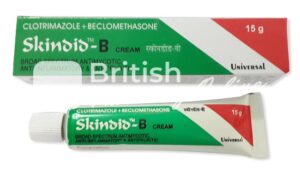
Betamethasone Clotrimazole
from
Fluconazole
from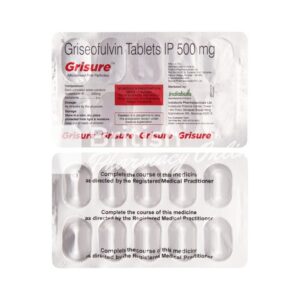
Griseofulvin
from
Lotriderm
fromUnderstanding Fungal Infections
Fungal infections are common conditions that affect millions of people across the United Kingdom each year. These infections occur when fungi penetrate the skin, nails, hair, or internal organs, causing discomfort and potential health complications. Fungal infections can range from mild surface conditions to more serious systemic infections that require medical attention. The most common types include athlete’s foot, thrush, ringworm, and nail fungus. Understanding the nature of these infections is essential for effective treatment.
Fungi thrive in warm, moist environments, which is why infections often develop in areas such as between the toes, skin folds, and the groin area. Some individuals are more susceptible to fungal infections due to weakened immune systems, diabetes, or prolonged antibiotic use. Early recognition of symptoms such as itching, redness, scaling, or unusual discharge can help ensure prompt treatment and prevent spreading to other areas of the body or to other people.
Topical Antifungal Treatments
Topical antifungals are creams, lotions, and ointments applied directly to affected areas of the skin. These treatments are highly effective for surface-level fungal infections and are often the first line of defence. Popular topical antifungal medications available in the United Kingdom include Canesten cream, which contains clotrimazole and is widely used for athlete’s foot and other skin infections. Lamisil cream, containing terbinafine, is another excellent option for fungal skin conditions and nail infections. Miconazole nitrate, available under various brand names, provides reliable relief from fungal infections affecting the skin and nails.
These topical treatments typically work by disrupting the fungal cell wall, preventing the infection from spreading and allowing the skin to heal naturally. Application is straightforward—simply clean the affected area, dry it thoroughly, and apply a thin layer of the medication as directed. Most topical antifungals require application twice daily for one to four weeks, depending on the severity of the infection. Patients should continue treatment for a few days after symptoms disappear to prevent recurrence. Side effects are minimal with topical treatments, though some individuals may experience mild irritation or allergic reactions to specific ingredients.
Oral Antifungal Medications
Oral antifungals are tablets or capsules taken by mouth to treat more serious or widespread fungal infections. These systemic treatments are particularly useful for nail infections, which are difficult to treat with topical applications alone. Terbinafine tablets are commonly prescribed in the UK for persistent fungal infections, especially onychomycosis affecting the toenails or fingernails. Fluconazole, available as Diflucan, is an effective oral antifungal used for various fungal infections including candidiasis and other systemic conditions. Itraconazole is another prescription option that provides excellent penetration into nails and is particularly effective for stubborn fungal infections.
These oral medications work systemically throughout the body, targeting fungal cells wherever they may be located. Treatment duration varies depending on the infection type—nail infections typically require six to twelve weeks of continuous therapy. Oral antifungals should be taken with food when possible to improve absorption and reduce stomach upset. Regular monitoring may be necessary during prolonged treatment, as some oral antifungals can affect liver function. It is essential to complete the full course of treatment even if symptoms resolve earlier, as stopping prematurely can allow the infection to return.
Specialised Antifungal Products
Beyond standard creams and tablets, the UK pharmacy market offers specialised antifungal products designed for specific conditions and situations. Antifungal shampoos containing ketoconazole or zinc pyrithione are effective for treating scalp infections and dandruff caused by fungal overgrowth. Antifungal powders provide an excellent option for prevention and treatment in areas prone to moisture, such as between toes or in skin folds. These powders absorb moisture and create an unfavourable environment for fungal growth.
Antifungal sprays offer convenient application for hard-to-reach areas and provide quick-drying formulations suitable for active individuals. Nail treatment solutions, such as Loceryl, penetrate the nail plate and treat infection from within. Some products combine antifungal agents with soothing ingredients like aloe vera or tea tree oil to enhance comfort during treatment. Athlete’s foot-specific products often include additional antiseptic properties to prevent secondary bacterial infections. For intimate areas, specially formulated antifungal pessaries and creams address thrush with gentle, targeted treatment. These specialised products recognise that different body areas and infection types require tailored approaches for optimal results.
Prevention and Management Strategies
Preventing fungal infections is often easier than treating them, and adopting preventative measures can significantly reduce infection risk. Keeping skin clean and dry is fundamental—fungi flourish in moist environments, so thorough drying after bathing is essential. Maintaining good hygiene practices and environmental control can make a substantial difference:
- Wear breathable footwear and change socks if they become damp or sweaty
- In communal areas such as swimming pools, gyms, and changing rooms, wear protective footwear like shower shoes to minimise direct contact with fungal spores
- Avoid sharing personal items including towels, nail clippers, and hairbrushes, as fungal infections spread easily through shared items
- Trim nails straight across and keep them short to prevent fungal entry
- Wear loose-fitting clothing made from breathable materials to reduce moisture accumulation
- Use antifungal powder or spray preventatively in high-risk areas during warmer months or after gym sessions
If you have diabetes or a weakened immune system, pay extra attention to foot care and skin inspection. For recurrent infections, consider discussing prophylactic treatment options with your healthcare provider. Managing underlying conditions like diabetes improves immune function and reduces infection susceptibility significantly.
When to Seek Professional Advice
Whilst many fungal infections respond well to over-the-counter treatments, certain situations require professional medical guidance. Consult your GP if the infection worsens after two weeks of treatment or shows no improvement after four weeks. Severe redness, swelling, oozing, or signs of secondary bacterial infection warrant professional assessment. Nail infections affecting multiple nails or causing nail loss require specialist evaluation and prescription-strength treatment.
Individuals with diabetes, HIV, or other immunocompromising conditions should seek professional advice before self-treating fungal infections. Pregnant or breastfeeding women should consult healthcare professionals before using any antifungal medication. If you experience allergic reactions such as rash, swelling, or difficulty breathing, discontinue treatment and seek immediate medical attention. Fungal infections in children may require age-appropriate formulations and professional guidance. Recurrent fungal infections may indicate an underlying health issue requiring investigation. Your pharmacist can provide valuable advice on selecting appropriate treatments and can recommend when professional medical consultation is necessary. Regular follow-up appointments ensure treatment effectiveness and prevent complications from developing.