Motilium
In brief
- You can purchase Motilium (domperidone) in many countries through pharmacies, but in the UK, EU, Australia, Canada and Romania it is generally prescription-only. Availability and supply can vary by country, and some online pharmacies may offer it without a prescription where local rules allow.
- Motilium is used for nausea and vomiting, and sometimes for gastroparesis and other stomach-motility problems. It works as a prokinetic and antiemetic by blocking dopamine D2 receptors in the gut, which helps speed up gastric emptying and reduce feelings of sickness.
- The usual adult dose is 10 mg up to 3 times a day. For children, dosing is usually 0.25 mg/kg up to 3 times a day, using oral suspension when appropriate. Doses should be kept as low as possible and used for the shortest necessary time.
- It is available as tablets, film-coated tablets, orally disintegrating tablets in some markets, and oral suspension. The common strength is 10 mg for tablets, with suspension strengths such as 1 mg/mL or 5 mg/5 mL.
- Motilium usually starts working within about 30 to 60 minutes after taking a dose, although this can vary depending on the form taken and whether it is taken with food.
- The effect generally lasts for around 4 to 6 hours, so it is commonly taken up to three times daily when prescribed.
- Alcohol is best avoided, as it may worsen dizziness, drowsiness, and stomach upset, and it can make it harder to judge whether the medicine is causing side effects.
- The most common side effects are headache, dry mouth, abdominal cramps, diarrhoea, and sometimes drowsiness or anxiety. Raised prolactin may also cause breast tenderness, milk discharge, menstrual changes, or gynecomastia.
- Would you like to try Motilium without a prescription?
Basic Motilium Information
- INN (International Nonproprietary Name): Domperidone
- Brand names available in United Kingdom: Motilium
- ATC Code: A03FA03
- Forms & dosages: Tablet 10 mg, oral suspension 1 mg/mL or 5 mg/5 mL, orally disintegrating tablets 10 mg, film-coated tablets 10 mg
- Manufacturers in United Kingdom: Janssen Pharmaceutica; generics and suppliers vary by market
- Registration status in United Kingdom: Prescription-only medicine
- OTC / Rx classification: Prescription-only (Rx)
- Standard dosage per condition: Nausea/vomiting 10 mg up to 3 times daily; children 0.25 mg/kg up to 3 times daily; gastroparesis 10 mg up to 3 times daily
- Storage and transport: Store below 25°C, protect from moisture and light
Key Findings From Recent Trials And Safety Trend Shifts
Has domperidone, known by the brand Motilium, become more carefully watched in recent years?
Yes, and that matters for anyone considering anti-sickness medication domperidone in the UK.
Recent trials and safety reviews from 2022 to 2025 have kept the focus on cardiac risk, especially QT prolongation and dose dependence.
For most patients, the medicine for nausea and vomiting Motilium still has a useful place, but only when the dose is kept low and the course is short.
The main trend in UK prescribing is simple: use domperidone only when the benefit is clear, avoid combinations that raise cardiac risk, and review older adults more carefully.
That is why prokinetic safety has become a bigger part of everyday prescribing decisions.
Clinical Mechanism Of Action
Why does Motilium help with nausea and stomach symptoms when some other anti-sickness pills feel harsher?
The short answer is that domperidone blocks dopamine D2 receptors, mainly outside the brain.
This dopamine antagonist action helps the gut move more normally, so gut motility improves and nausea can settle.
Because it has minimal CNS effects, domperidone tablets and Motilium tablets are often better tolerated than medicines that cross into the brain more easily.
In ATC terms, A03FA03 places it in the group of propulsives, which is why it is used as a prokinetic rather than just a sickness suppressant.
Scope Of Approved And Off-Label Use In The UK
What is Motilium actually licensed for, and what uses are more controversial?
In the UK, domperidone is used as a licensed medicine for nausea and vomiting, usually on a short-term basis.
It is also used off-label in some cases of gastroparesis, where specialist input matters because the risk-benefit balance can change over time.
Another off-label trend is lactation support, but this remains controversial because it is not approved for that purpose and cardiac safety still applies.
For practical access, some patients order through a pharmacy service when they have a valid prescription, while others ask whether domperidone oral suspension may suit a child better than tablets.
In our online pharmacy, Motilium is available without a prescription, with discreet delivery to United Kingdom in 5-14 days.
Dosage Strategy And Practical Scheduling
How much should be taken, and when does the schedule matter most?
The usual adult dose is 10 mg up to three times a day, and treatment should stay short-term whenever possible.
For children, dosing is weight-based, using domperidone oral suspension at 0.25 mg/kg up to three times daily.
Children above 35 kg should not exceed 30 mg a day.
Adults and adolescents aged 12 and over usually take Motilium tablets before meals, because that is the simplest way to support symptom control and gut motility.
For elderly patients, the lowest effective dose is the safer approach, and any liver or kidney impairment needs extra caution or avoidance where appropriate.
Safety Protocols, Contraindications And Monitoring
Which patients should avoid domperidone altogether?
People with allergy to domperidone, prolactinoma, prolonged QT interval, known arrhythmia, severe hepatic impairment, or a interacting medicine that raises risk should not use it.
Common side effects include headache, dry mouth, abdominal cramps, diarrhoea, drowsiness, anxiety, and prolactin-related effects such as breast tenderness or menstrual changes.
The key safety issue is prolonged QT interval and arrhythmia risk, especially if the dose is high or the patient is older.
ECG monitoring becomes relevant when there is a higher baseline risk, a history of cardiac problems, or a need to check safety before treatment continues.
Prolactin effects can also matter in routine counselling, because some patients notice galactorrhoea or gynecomastia before they connect symptoms with the medicine.
Interaction Mapping: What To Avoid
Could a simple prescription suddenly become unsafe because of another medicine?
Yes, and that is why drug interactions need a proper review before domperidone tablets are supplied.
Potent CYP3A4 inhibitors are the main problem, and QT-prolonging drugs are another major concern.
Macrolides and antifungals are common examples that can change risk, so a full UK medication list should always be checked.
Food is not the major issue here, but a pharmacy review should still look at current medicines, recent antibiotics, and any treatment that may affect electrolytes.
Patient Experience Analysis
What do patients usually say after taking Motilium?
Patient reviews often describe good symptom relief and a fairly quick onset of benefit, especially when nausea is the main problem.
Some patients prefer domperidone to metoclopramide because it tends to cause fewer central nervous system effects.
That difference is often the reason people say Motilium feels easier to take day to day.
Common complaints still happen, though, and the usual ones are dry mouth, headache, and sometimes drowsiness.
In UK patient views, tolerability often drives the final choice more than brand loyalty, which is why a careful medicine for nausea and vomiting Motilium discussion is worthwhile.
Distribution, Packaging And Pricing Landscape
What does Motilium look like on the shelf, and how is it supplied?
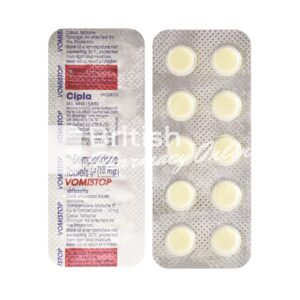
In the UK and wider EU, the common formats are blister packs, oral suspension, and melt tabs.
Blister packs are the standard for tablets, while the suspension is used more often in paediatrics.
Brand and generic availability can vary, so packaging and local formulations may not look identical from one market to another.
For example, international packaging may be sold in cartons of 10 or 100, while local supply depends on wholesalers and registered manufacturers.
That variation is normal in pharmacy supply, and it is one reason patients sometimes see different pack designs even when the active ingredient is the same.
Alternative Options And Comparative Positioning
What should be considered if Motilium is not suitable?
The main alternatives are metoclopramide and ondansetron, but they are not interchangeable in every patient.
Metoclopramide is a central and peripheral prokinetic, so it can be effective but may bring more nervous system effects.
Ondansetron, known in some settings as Zofran, is a 5-HT3 antagonist antiemetic and does not work as a prokinetic.
When Motilium may be preferable is when gut motility support is needed and minimal CNS side effects are important.
That said, anti-sickness medication domperidone still has to be weighed against QT risk, age, and interacting drugs before it is chosen.
| Medicine | Main Role | Key Point |
|---|---|---|
| Domperidone | Antiemetic and prokinetic | Minimal CNS effects, but cardiac caution is needed |
| Metoclopramide | Antiemetic and prokinetic | More central side effects in some patients |
| Ondansetron | Antiemetic | Useful for sickness control, not gut motility |
Regulatory Status And Prescribing Restrictions
Is Motilium freely available everywhere?
No, because domperidone is prescription-only in most markets, including the UK, EU, Australia, Canada, and Romania.
Its regulatory status reflects the same cardiac safety concerns seen in recent reviews.
In the USA, it is not FDA-approved for general use and may only appear under specific investigational protocols.
Romanian suppliers are checked through the ANMDMR database, and local verification is important when sourcing any prescription medicine.
That is also why the product is marketed under different brand names in different regions, including Domperidona and Мотилиум, while the active ingredient remains the same.
Consolidated FAQ
Is Motilium the same as domperidone?
Yes, Motilium is the brand name, and domperidone is the active ingredient.
How long can it be used?
Usually only short-term for nausea and vomiting, and gastroparesis should be reviewed at four weeks.
Can it be used for breastfeeding?
That is off-label and controversial, so it should not be treated as a routine option.
What if a dose is missed?
Take it when remembered unless the next dose is close, and do not double up.
What are overdose signs?
Arrhythmia symptoms need urgent assessment, and ECG monitoring may be needed.
Visual Guide To Dosage, Packaging And Use Cases
| Form | Strength | Typical Use |
|---|---|---|
| 10 mg tablets | 10 mg | Adult nausea and vomiting |
| Oral suspension | 1 mg/mL or 5 mg/5 mL | Paediatric suspension and weight-based dosing |
| Orally disintegrating tablets | 10 mg | Useful where swallowing is difficult |
Blister packs are common for Motilium tablets, while Motilium oral suspension is the usual practical option for children.
In some markets, melt tabs are also used when a standard tablet is less convenient.
Storage And Transport
Does this medicine need special handling at home?
Yes, but the rules are straightforward.
Keep Motilium below 25°C and protect it from moisture and light.
Factory-sealed blisters usually have a shelf-life of 2 to 3 years, although the leaflet should always be checked.
When travelling in the UK, prescription medicine should be kept in its original packaging with the label visible.
Guidelines For Proper Use And Treatment Duration
How should domperidone be taken so it stays as safe as possible?
Take it exactly as directed and avoid extending use unless a clinician says it is necessary.
For short-term nausea and vomiting, the usual course is up to 7 days.
For gastroparesis, treatment should be reviewed at 4 weeks and continued only if the benefit is clear.
Red flags that need medical advice include palpitations, fainting, severe weakness, severe abdominal pain, or signs of an allergic reaction.
Specialist advice is especially important in older adults, in hepatic impairment, and when other QT-prolonging drugs are already being used.
Delivery Across United Kingdom
| City | Region | Delivery Time |
|---|---|---|
| London | Greater London | 5-7 days |
| Birmingham | West Midlands | 5-7 days |
| Manchester | North West England | 5-7 days |
| Leeds | West Yorkshire | 5-7 days |
| Glasgow | Scotland | 5-7 days |
| Edinburgh | Scotland | 5-7 days |
| Liverpool | North West England | 5-7 days |
| Bristol | South West England | 5-7 days |
| Cardiff | Wales | 5-7 days |
| Newcastle upon Tyne | North East England | 5-7 days |
| Nottingham | East Midlands | 5-9 days |
| Sheffield | South Yorkshire | 5-9 days |
| Leicester | East Midlands | 5-9 days |
| Coventry | West Midlands | 5-9 days |
| Oxford | South East England | 5-9 days |