
Gastrointestinal Tract
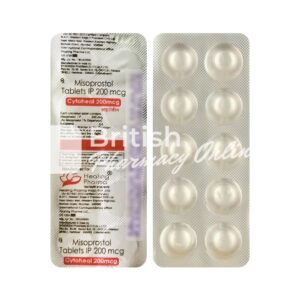
Cytotec
from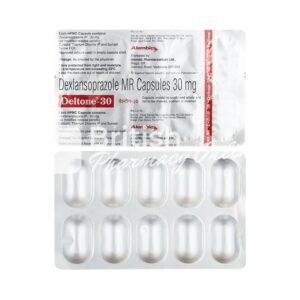
Dexilant
from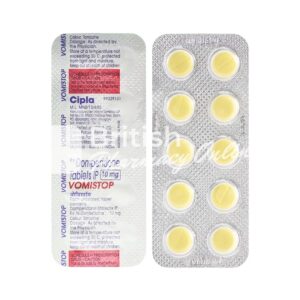
Domperidone
from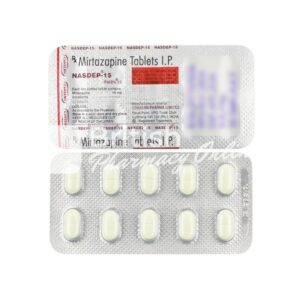
Mirtazapine
from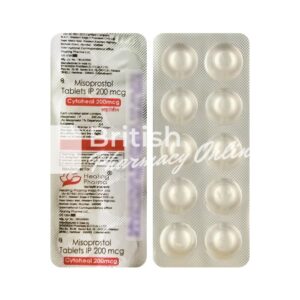
Misoprostol
from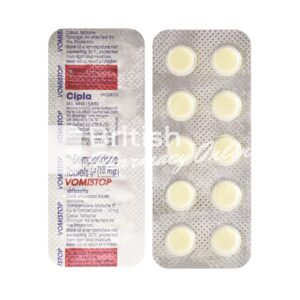
Motilium
from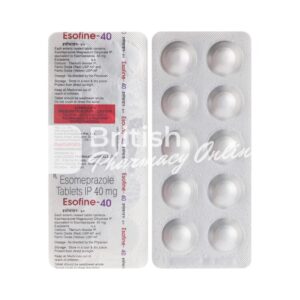
Nexium
fromAcid Reflux and Heartburn Relief
Acid reflux occurs when stomach acid flows back into the oesophagus, causing discomfort and burning sensations. This common condition affects millions of people in the UK and can range from occasional heartburn to chronic gastro-oesophageal reflux disease (GORD).
What it’s used for
Acid reflux medications work by reducing stomach acid production or neutralising existing acid. They provide relief from persistent heartburn, regurgitation, and throat irritation caused by acid exposure.
Available medications in the UK
Popular options include omeprazole, lansoprazole, and pantoprazole, which are proton pump inhibitors that reduce acid production. Over-the-counter antacids like calcium carbonate and magnesium hydroxide provide quick relief. H2 receptor antagonists such as ranitidine offer medium-term acid reduction.
Additional information
Lifestyle changes including dietary modifications, weight management, and elevating your head whilst sleeping can significantly improve symptoms. Most acid reflux medications are available without prescription, though severe cases may require prescription-strength treatments and medical supervision.
Constipation and Bowel Movement Support
Constipation affects a substantial portion of the UK population and can result from various factors including dietary choices, dehydration, medication side effects, and sedentary lifestyles. Proper treatment can restore normal bowel function and improve overall digestive health.
What it’s used for
Constipation treatments help promote regular bowel movements by increasing stool bulk, softening faeces, or stimulating intestinal contractions. These medications address both acute episodes and chronic constipation management.
Available medications in the UK
Various treatment options are available to address different types of constipation:
- Bulk-forming laxatives like psyllium husk increase stool volume naturally
- Stool softeners such as docusate sodium make bowel movements easier
- Osmotic laxatives including lactulose draw water into the bowel
- Stimulant laxatives like senna and bisacodyl encourage muscle contractions
- Newer treatments including linaclotide and lubiprostone offer targeted relief for chronic cases
Additional information
Increasing fibre intake, drinking adequate water, and regular exercise form the foundation of constipation prevention. Most laxatives are available over-the-counter, but persistent constipation warrants medical evaluation to rule out underlying conditions.
Diarrhoea and Digestive Upset Management
Diarrhoea can occur suddenly or develop gradually, caused by infections, dietary indiscretions, medication side effects, or underlying digestive disorders. Quick and effective treatment helps restore comfort and prevent dehydration.
What it’s used for
Anti-diarrhoeal medications reduce intestinal muscle contractions and fluid secretion, slowing bowel movements and allowing better water absorption. They provide rapid symptom relief during episodes of loose stools and urgency.
Available medications in the UK
Loperamide is a widely available over-the-counter option that effectively reduces diarrhoea symptoms. Bismuth subsalicylate helps reduce inflammation and bacterial activity in the intestines. Racecadotril reduces fluid secretion without affecting normal gut movement. Oral rehydration solutions containing glucose and electrolytes are essential for preventing dehydration during acute episodes.
Additional information
Most diarrhoea cases resolve naturally within a few days. Maintaining hydration with water, clear broths, and electrolyte solutions is crucial. If diarrhoea persists beyond a week or includes blood or severe pain, medical attention is necessary to identify potential infections or serious conditions.
Indigestion and Stomach Discomfort Relief
Indigestion encompasses uncomfortable sensations in the upper digestive tract, including bloating, belching, nausea, and stomach pain. This condition frequently occurs after eating and can significantly impact quality of life if left untreated.
What it’s used for
Indigestion remedies work through various mechanisms: some neutralise stomach acid, others reduce acid production, and some improve stomach muscle function to enhance food movement. These treatments alleviate post-meal discomfort and digestive distress.
Available medications in the UK
Antacids containing aluminium hydroxide, magnesium trisilicate, or sodium bicarbonate provide immediate relief by neutralising stomach acid. Prokinetic agents like metoclopramide improve stomach muscle contractions and food passage. Combination products offer multiple benefits in single formulations. Simethicone reduces gas and bloating associated with indigestion.
Additional information
Eating smaller, more frequent meals and avoiding trigger foods like fatty or spicy options can prevent indigestion episodes. Eating slowly and chewing thoroughly aid proper digestion. Elevating your upper body after meals helps prevent reflux. If indigestion occurs frequently despite medication, consulting a healthcare provider is advisable.
Inflammatory Bowel Conditions and Crohn’s Disease
Inflammatory bowel diseases including Crohn’s disease and ulcerative colitis cause chronic inflammation throughout the digestive tract. These conditions require specialised treatments and careful management to control symptoms and prevent complications.
What it’s used for
Anti-inflammatory medications reduce gut inflammation, relieve pain and diarrhoea, and promote intestinal healing. These treatments aim to induce remission during flare-ups and maintain long-term disease control.
Available medications in the UK
Mesalamine compounds reduce inflammation directly in affected bowel areas. Corticosteroids including prednisolone quickly reduce severe inflammation during flare-ups. Immunosuppressants such as azathioprine prevent the immune system from attacking intestinal tissues. Biologic therapies targeting specific immune pathways offer advanced treatment options for moderate to severe disease.
Additional information
Inflammatory bowel conditions typically require ongoing specialist medical care and regular monitoring. Dietary modifications, stress management, and avoiding smoking support medical treatment effectiveness. Many patients benefit from joining support groups to share experiences and coping strategies with others managing similar conditions.
Nausea, Vomiting, and Motion Sickness Prevention
Nausea and vomiting can result from various causes including infections, medications, pregnancy, migraines, and motion sickness. Effective anti-nausea treatments restore comfort and prevent complications like dehydration and nutritional deficiencies.
What it’s used for
Anti-emetic medications work on different brain centres controlling nausea and vomiting. Some block specific neurotransmitters, whilst others improve stomach function and food movement. These treatments provide rapid symptom relief across various triggering conditions.
Available medications in the UK
Promethazine works centrally to block nausea signals and is available in tablets and injections. Ondansetron blocks serotonin receptors and is particularly effective for chemotherapy-related nausea. Cyclizine prevents motion sickness and travel-related nausea effectively. Ginger supplements and peppermint oil offer natural alternatives for mild symptoms. Metoclopramide improves stomach emptying and reduces nausea associated with delayed gastric function.
Additional information
Ginger tea, small frequent sips of clear fluids, and avoiding strong odours can complement medication use. Acupressure wristbands provide drug-free nausea relief for some individuals. Persistent vomiting requires medical evaluation to identify underlying causes and prevent serious dehydration complications.