Misoprostol
In brief
- In some pharmacies and online vendors it may be possible to obtain misoprostol without a prescription; however, misoprostol is officially classified as prescription-only (Rx) in most countries and availability without a prescription varies by jurisdiction—check local law and pharmacy policy.
- Misoprostol is used to prevent NSAID-induced gastric ulcers, as part of medical abortion regimens (usually with mifepristone), for miscarriage management, labour induction and for treatment/prevention of postpartum haemorrhage; it is a prostaglandin E1 analogue that reduces gastric acid and increases mucus/bicarbonate secretion and stimulates uterine contractions via prostaglandin receptors.
- Usual dosages include: gastric ulcer prevention 200 mcg 2–4 times daily; medical abortion 800 mcg (4×200 mcg) buccal/vaginal or sublingual after mifepristone 200 mg (timing per protocol, commonly 24–48 hrs); miscarriage management 800 mcg vaginally (may repeat after 3–12 hrs); labour induction 25 mcg vaginally every 4–6 hrs (off‑label in many locations); postpartum haemorrhage 600–800 mcg orally as a single dose.
- Forms of administration: oral tablet (standard 200 mcg, occasionally 100 mcg), buccal, sublingual, vaginal and rectal routes are used depending on indication; combination tablets exist (e.g., with diclofenac for NSAID ulcer protection).
- Onset time: sublingual/buccal onset is usually within 15–30 minutes, oral and vaginal routes commonly 30–60 minutes for systemic/uterotonic effects (exact onset varies by route and indication).
- Duration of action: uterotonic effects generally persist for roughly 3–6 hours after a dose (dosing schedules are designed around this), while gastric protective benefits require regular dosing during treatment and may be considered continuous with repeated administration.
- Alcohol warning: avoid excessive alcohol while taking misoprostol as alcohol can aggravate gastrointestinal side effects (nausea, vomiting, diarrhoea), increase dehydration risk and may worsen bleeding or hypotension.
- The most common side effect is diarrhoea.
- Would you like to try misoprostol without a prescription?
Basic Misoprostol Information
- INN (International Nonproprietary Name): Misoprostol
- Brand Names Available In United Kingdom: not specified
- ATC Code: G02AD06
- ATC Classification Details: G — Genito-Urinary System And Sex Hormones; G02 — Other Gynecologicals; G02AD — Prostaglandins; G02AD06 — Misoprostol
- Forms & Dosages: Tablets 200 mcg (standard), 100 mcg (less common); Combo Tabs With Diclofenac (e.g., Oxaprost: 200 mcg Misoprostol / 50 mg Diclofenac)
- Manufacturers In United Kingdom: not specified
- Registration Status In United Kingdom: not specified
- OTC / Rx Classification: Prescription-only (Rx)
Key Findings From Recent Trials
Clinicians want to know when misoprostol works best and where caution is needed.
Between 2022 and 2025 the most robust trial evidence clusters around postpartum haemorrhage prevention and medical abortion protocols.
Large randomised trials and meta-analyses reaffirm that a single oral dose of 600–800 mcg misoprostol reduces severe PPH where injectable oxytocics are unavailable.
This aligns with WHO essential medicines guidance and reinforces misoprostol’s role in PPH prevention in low‑resource settings.
Trials of medical abortion using mifepristone 200 mg followed by 800 mcg misoprostol (buccal, vaginal or sublingual) reported complete abortion rates of at least 95% within 7–14 days for first‑trimester care when protocols were followed.
Low‑dose vaginal misoprostol (25 mcg) for induction showed variable efficacy, with more frequent need for repeat dosing compared with dinoprostone or oxytocin.
Overall, these data strengthen the case for specific dosing: misoprostol 600 mcg or 800 mcg for PPH prevention and the combined mifepristone‑misoprostol regimen for medical abortion.
Main Outcomes
The clearest outcomes relate to PPH prevention and medical abortion effectiveness.
Single oral doses of misoprostol 600–800 mcg lowered rates of severe postpartum bleeding when oxytocin could not be used.
Mifepristone 200 mg followed by misoprostol 800 mcg achieved high complete‑abortion rates in first‑trimester care.
For labour induction the 25 mcg vaginal regimen worked but often required additional doses, and success rates were less consistent than for dinoprostone or oxytocin.
Safety Observations
Side effects were mostly gastrointestinal or uterine in nature.
Common adverse events include diarrhoea, nausea and uterine cramping after doses such as misoprostol 800 mcg or 600 mcg.
Labour‑induction data highlighted risks of uterine hyperstimulation and rare uterine rupture, particularly in women with prior uterine surgery.
Regulatory bodies maintain prescription status and recommend protocolised use to reduce risks and ensure correct monitoring.
Clinical Mechanism Of Action
People often ask: how does one tablet cause both contractions and stomach protection?
Misoprostol is a synthetic prostaglandin E1 analogue that produces uterine contractions and protects the gastric mucosa.
In practical terms this dual action explains why misoprostol is used as a uterotonic for PPH prevention, labour induction and abortion, and historically for gastric ulcer protection in NSAID users.
Scientific Breakdown
After administration misoprostol is rapidly de‑esterified to the active misoprostol acid.
Peak plasma concentrations occur within 30–60 minutes after oral dosing, and the active acid has a short half‑life of approximately 20–40 minutes.
The uterotonic effect comes from binding to prostaglandin E (EP) receptors in the myometrium, which raises intracellular calcium and triggers rhythmic contractions.
Misoprostol also promotes cervical ripening by altering collagen within the cervix.
Gastroprotection stems from increased mucus and bicarbonate secretion, reduced acid secretion and improved mucosal blood flow.
Route matters: oral, buccal, sublingual and vaginal administration alter bioavailability and side‑effect profiles, with sublingual generally producing higher peaks and more systemic effects.
Scope Of Approved And Off-Label Use
Patients and prescribers need clarity on when misoprostol is licenced and where off‑label use requires extra safeguards.
In most jurisdictions misoprostol is prescription‑only and used across licensed and guideline‑driven indications.
Regulatory listings show Cytotec and generics registered for gastric ulcer use and recognised for abortion induction and PPH prevention in many regions.
In clinical practice misoprostol is widely used within NHS pathways for medical abortion (typically with mifepristone) and as an alternative uterotonic where oxytocin is contraindicated or unavailable.
United Kingdom Approvals
Specific UK product listings are not detailed in the provided product information.
The legal classification across sources is prescription‑only, and use in NHS abortion and PPH pathways is guided by clinical protocols and national guidance.
Where local trust policies exist, misoprostol may be embedded into standard operating procedures for medical abortion and secondary uterotonic use.
Notable Off-Label Trends
Off‑label trends in the UK reflect practical needs and risk considerations.
Low‑dose vaginal misoprostol (25 mcg) for induction remains off‑label in many trusts and requires local protocol approval and informed consent because of uterine rupture concerns for women with prior uterine surgery.
Misoprostol for miscarriage management and simplified community abortion services, including telemedicine pathways, expanded during the early 2020s under controlled prescribing and follow‑up arrangements.
Combination products such as diclofenac plus misoprostol are available in some markets for gastric protection but are less common in routine UK practice.
Dosage Strategy
People commonly ask what strength to use and by which route.
Dosage varies by indication and route, with tablet strengths of 200 mcg commonly used and 100 mcg available less often.
Because the active metabolite is short‑lived, regimens range from single high doses to repeated low doses depending on the clinical goal.
General Dosing
Standard adult tablet strengths are 200 mcg as the primary unit, and 100 mcg where finer titration is required.
For gastric mucosal protection typical dosing is 200 mcg two to four times a day with food and at bedtime.
For acute obstetric uses dosing is indication‑specific and usually a single high dose or repeated low doses depending on the protocol.
Condition-Specific Dosing
- Gastric Ulcer Prevention: 200 mcg two to four times daily with food and at bedtime.
- Medical Abortion: Mifepristone 200 mg then 800 mcg misoprostol (4×200 mcg) buccal, vaginal or sublingual 24–48 hours later.
- Miscarriage Management: 800 mcg vaginally, may repeat after 3–12 hours if needed.
- Labour Induction (Off‑Label): 25 mcg vaginally every 4–6 hours per local protocol.
- Postpartum Haemorrhage Prevention/Treatment: 600–800 mcg orally as a single dose.
Adjustments for renal or hepatic impairment are not standardised; use caution in severe disease and in elderly patients who tolerate GI effects less well.
Safety Protocols
Safety is the leading concern for patients and prescribers, so clear contraindications and monitoring steps are critical.
Absolute contraindications include known hypersensitivity to misoprostol or prostaglandins and pregnancy when the drug is given for gastric protection (except when used within abortion protocols).
For abortion and miscarriage care clinicians must exclude suspected ectopic pregnancy before administering misoprostol.
Contraindications
Do not use misoprostol in those with a prostaglandin allergy or inappropriately in established intra‑uterine pregnancies when treating gastric ulcers.
Relative contraindications that require careful monitoring include inflammatory bowel disease, severe cardiovascular disease and prior uterine surgery.
Adverse Effects
Common side effects are gastrointestinal: diarrhoea, nausea, abdominal pain and flatulence.
Moderate effects include vomiting, dyspepsia, uterine cramps and heavy vaginal bleeding when used for abortion or labour.
Rare but serious risks include severe hypersensitivity and uterine rupture in labour induction, especially after previous caesarean sections.
Overdose presents with severe diarrhoea, hypotension and excessive uterine activity and is managed supportively with hospital admission if severe.
Interaction Mapping
Most misoprostol interactions are pharmacodynamic rather than metabolic, so co‑prescribed uterotonics require special attention.
Food interactions matter for gastric protection dosing; take with food to reduce gastric irritation and moderate peak concentrations.
Food Interactions
When used for ulcer prophylaxis misoprostol 200 mcg should be taken with food and at bedtime to reduce GI irritation.
For abortion protocols route choices such as buccal, sublingual or vaginal reduce direct gastrointestinal exposure, so food timing is less critical but patients should be advised about nausea and diarrhoea.
Drug Combinations To Avoid
- Concomitant uterotonics (oxytocin, dinoprostone) — additive uterine contractility and higher hyperstimulation risk.
- Ergot alkaloids or potent vasoconstrictors — monitor haemodynamic status.
- Combined NSAID + misoprostol products (diclofenac plus misoprostol) — used therapeutically but require prescription oversight.
CYP interactions are minimal because misoprostol is rapidly converted to misoprostol acid and is not heavily CYP‑metabolised.
Patient Experience Analysis
Patients commonly want to know how painful or disruptive treatment will be and what to expect at home.
Clinical surveys and service audits report high satisfaction with medical abortion regimens combining mifepristone and misoprostol, where non‑surgical options and privacy matter.
Frontline maternity teams value misoprostol for PPH kits when oxytocin refrigeration or injectable administration is impractical.
Survey Data
Surveys report that most patients find the side effects of diarrhoea, cramping and nausea acceptable relative to the effectiveness of the treatment.
Post‑abortion follow‑up emphasises the need for clear counselling on bleeding duration and rapid access to care if complications arise.
Forum Trends
Online forums show frequent searches for brand and procurement information such as Cytotec 200 mcg and MisoKit, and anxiety about legality and correct dosing.
Telemedicine abortion services have normalised structured remote care where misoprostol is dispensed with instructions and follow‑up testing, and patients highlight clear instructions and rapid clinician access as key factors.
Distribution And Pricing Landscape
Supply, packaging and cost are common practical questions for pharmacies and patients alike.
Global manufacturing includes Pfizer (Cytotec) and multiple generics such as Waymade, Cipla, Sun Pharma, Exeltis and Searle.
Distribution networks span Europe, India, Latin America, the Middle East and Africa.
Packaging, Storage And Pricing
Standard packaging is 200 mcg tablets, with 100 mcg less common, supplied in blister packs of 10–60 tablets depending on brand and market.
Generics are typically cheaper than the originator Cytotec, and NHS procurement follows tendering and formulary processes that influence price stability.
Tablets are hygroscopic, so storage below 25°C in a dry place inside the original blister is recommended to protect product integrity.
Market Trends
Demand has grown via telemedicine abortion pathways and inclusion in PPH emergency kits, prompting regulatory attention to supply chain integrity.
Counterfeit and diverted supplies are concerns that have led to tighter procurement controls in some regions.
In our online pharmacy, misoprostol is available without a prescription, with discreet delivery to United Kingdom in 5-14 days.
Alternative Options
Clinicians choose alternatives based on clinical setting, storage capacity and safety profile.
Primary competitors for uterotonic use include oxytocin and dinoprostone, with carboprost reserved for refractory PPH.
For gastric protection other prophylactic strategies exist and diclofenac+misoprostol combinations are used where appropriate.
Comparison Summary
Oxytocin is the gold standard uterotonic: fast onset, titratable, with fewer systemic GI effects but requires injectable administration and sometimes cold‑chain storage.
Misoprostol offers oral, vaginal, buccal and sublingual flexibility and ambient stability, making it valuable where refrigeration is impractical.
Dinoprostone is effective for induction with more predictable dosing in some formulations, but storage needs vary.
Mifepristone plus misoprostol is superior to misoprostol alone for medical abortion completeness rates.
Pros And Cons
- Pros Of Misoprostol: affordable, orally deliverable, WHO‑listed for PPH and abortion care, stable at room temperature.
- Cons Of Misoprostol: more GI side effects, variable uterine response by route, off‑label induction risks in some patients.
Regulatory Status
Regulatory classification and guidance frame how misoprostol is prescribed and used.
ATC classification is G02AD06 and misoprostol/Cytotec products are prescription‑only in the jurisdictions covered by the product information.
The WHO Model List of Essential Medicines includes misoprostol for PPH and abortion care, reflecting public health prioritisation.
United Kingdom Considerations
Specific registration details for United Kingdom products are not provided in the product information supplied.
Across the sources the legal classification is prescription‑only, and use within NHS pathways for abortion and PPH is governed by local and national guidance.
Off‑label labour induction requires local protocol approval, clinician competency and informed consent.
Consolidated FAQ
Q: Is misoprostol legal in the United Kingdom?
A: Yes — it is classified as prescription‑only and is used in NHS pathways for abortion, PPH and gastric protection according to regulatory approvals and clinical guidance.
Q: What is the standard medical abortion regimen?
A: Mifepristone 200 mg followed 24–48 hours later by 800 mcg misoprostol (4×200 mcg) by buccal, vaginal or sublingual route is the standard regimen referenced in product information.
Q: Can misoprostol be used for labour induction?
A: Labour induction with low‑dose vaginal misoprostol (25 mcg) is often off‑label in the UK and should be used only under local protocol with caution in women with prior uterine surgery.
Q: How should misoprostol be stored?
A: Store below 25°C in a dry place, protect from moisture and heat, and keep tablets in their original blister until use.
Q: What are emergency signs after taking misoprostol?
A: Seek immediate care for heavy bleeding, fever, severe abdominal pain or signs of hypotension such as fainting or dizziness.
Each answer should be supported by local patient leaflets and trust guidelines, and clinicians must document informed consent for off‑label uses.
Visual Guide
Clinics and patients benefit from simple, clear visuals when using misoprostol.
Suggested flowchart: screening → eligibility check (exclude ectopic) → mifepristone administration → 24–48 hours → 800 mcg misoprostol (route options) → follow‑up timeline with pregnancy test at two weeks.
Suggested dose table: indication, dose, route and repeat interval — for example Gastric Ulcer: 200 mcg PO 2–4×/day; PPH: 600–800 mcg PO single dose; Induction: 25 mcg vaginal Q4–6h.
Risk map: visual split between gastrointestinal effects (diarrhoea, nausea) and uterine effects (cramps, bleeding) with red flags for heavy bleeding and fever.
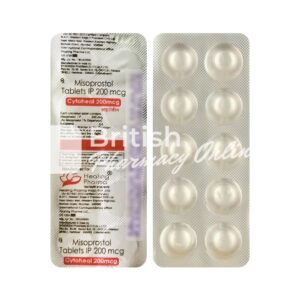
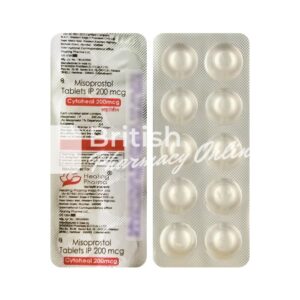
Packaging image: show a 200 mcg tablet blister, clearly marked, with storage icons and a note to keep blister sealed until use.
Ensure visuals follow NHS style: clear fonts, high contrast and translated patient leaflets as required for diverse communities.
Storage And Transport
Proper handling preserves potency and reduces the risk of degraded tablets being used.
Store misoprostol below 25°C in a dry place and protect from moisture and heat.
Tablets are hygroscopic and may degrade in humid conditions, so retain original blister packs until use.
Avoid refrigeration unless the manufacturer label explicitly states otherwise.
For transport use climate‑stable packaging if shipping to humid or hot areas; for telemedicine dispensing include moisture‑absorbing packs and clear patient instructions.
Track batch numbers and expiry dates, maintain secure prescription‑only storage and follow NHS pharmacy waste procedures for disposal of expired stock.
Guidelines For Proper Use
Clinicians should follow a checklist to align practice with evidence and regulation.
Confirm the indication and eligibility, including exclusion of ectopic pregnancy for abortion or miscarriage care.
Obtain informed consent that explains common adverse effects, expected bleeding patterns and emergency contact details.
Select route and dose per indication and local trust protocols, document batch and brand where relevant, and ensure follow‑up arrangements are in place.
For PPH have a uterotonic escalation plan documented (for example oxytocin then misoprostol then carboprost or other interventions) and record times of administration.
Ensure clinician competency, pharmacy oversight for procurement and storage, and that protocols are reviewed with emerging evidence or supply alerts.
Delivery Across United Kingdom
| City | Region | Delivery Time |
|---|---|---|
| London | Greater London | 5-7 days |
| Birmingham | West Midlands | 5-7 days |
| Manchester | Greater Manchester | 5-7 days |
| Glasgow | Scotland | 5-7 days |
| Leeds | West Yorkshire | 5-7 days |
| Liverpool | Merseyside | 5-7 days |
| Bristol | South West England | 5-9 days |
| Edinburgh | Scotland | 5-9 days |
| Sheffield | South Yorkshire | 5-9 days |
| Newcastle | Tyne and Wear | 5-9 days |
| Coventry | West Midlands | 5-9 days |
| Leicester | Leicestershire | 5-9 days |
| Nottingham | Nottinghamshire | 5-9 days |
| Southampton | South East England | 5-9 days |
| Brighton | East Sussex | 5-9 days |
Final Notes For Safe Use
Keep prescriptions and administration records up to date, noting brand and batch where possible.
Advise patients about expected side effects including diarrhoea and cramping, and when to seek urgent review.
For off‑label uses such as labour induction ensure written local protocol approval and documented informed consent.
Where supply is constrained, follow trust procurement guidance and avoid sourcing from unverified suppliers to reduce counterfeit risk.
When in doubt, consult local obstetric or reproductive health specialists and refer patients promptly for emergency care if red‑flag symptoms appear.