Nexium
In brief
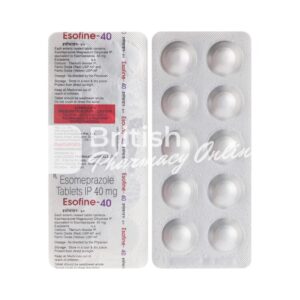
- In many pharmacies you can buy Nexium; in several countries (including the UK and parts of the EU and Australia) 20 mg esomeprazole is available over the counter as “Nexium Control” without a prescription, while most higher strengths and formulations (40 mg tablets, IV, combo products) generally require a prescription; it is also widely available from online pharmacies (some supply without a prescription depending on local rules).
- Nexium (esomeprazole) is used to treat acid-related conditions such as gastro‑oesophageal reflux disease (GERD), erosive oesophagitis, gastric and duodenal ulcers (including as part of H. pylori eradication), Zollinger–Ellison syndrome and to reduce the risk of NSAID‑associated ulcers; it is a proton pump inhibitor that irreversibly inhibits the H+/K+ ATPase in gastric parietal cells, reducing gastric acid secretion.
- Usual doses: GERD/erosive oesophagitis 20–40 mg once daily (4–8 weeks), maintenance 20 mg once daily, H. pylori eradication 20 mg twice daily with antibiotics for 7–14 days, NSAID ulcer prevention 20–40 mg once daily, Zollinger–Ellison often starts at 40 mg twice daily and is titrated; paediatric dosing commonly 10–20 mg once daily depending on age/weight.
- Forms of administration: oral film‑coated tablets (10, 20, 40 mg), gastro‑resistant granules/sachets for paediatric or feeding‑tube use (10 mg), intravenous powder for infusion (40 mg vial) and fixed‑dose combination tablets with naproxen (Vimovo: 20/375 mg, 20/500 mg).
- Onset time: acid secretion begins to be reduced within about 1 hour after a dose, with meaningful acid suppression within 1–4 hours; however symptomatic relief for heartburn may take 1–3 days and full effect can take several days of treatment.
- Duration of action: the antisecretory effect lasts at least 24 hours after a single dose (due to irreversible pump inhibition), which is why once‑daily dosing is effective for most indications; maximal steady‑state effect is reached after several days.
- Alcohol warning: moderate alcohol consumption does not have a direct pharmacological interaction with esomeprazole, but alcohol can worsen reflux and gastric irritation so it is advisable to avoid excessive alcohol while treating acid‑related conditions; use caution if you have severe liver disease.
- The most common side effect is headache (other frequent effects include diarrhoea, nausea, abdominal pain and flatulence; long‑term use can be associated with low magnesium, increased fracture risk and higher risk of certain infections such as C. difficile).
- Would you like to try nexium without a prescription?
Basic Nexium Information
- INN (International Nonproprietary Name): Esomeprazole.
- Brand Names Available In United Kingdom: Nexium, Nexium Control, Vimovo, Nexium IV, and multiple generics supplied by AstraZeneca, Sandoz, Mylan and Pfizer.
- ATC Code: A02BC05.
- Forms & Dosages: Film‑coated tablets 10 mg, 20 mg and 40 mg; gastro‑resistant granules 10 mg for paediatric use and feeding tubes; IV powder for infusion 40 mg vials; combo tablet (Vimovo) 20 mg esomeprazole with naproxen 375 mg or 500 mg.
- Manufacturers In United Kingdom: AstraZeneca, Sandoz, Mylan and Pfizer (available as originator and generic suppliers).
- Registration Status In United Kingdom: Not specified.
- OTC / Rx Classification: Most strengths and indications are Prescription Only; selected 20 mg packs (Nexium Control‑type) are available OTC in some regions for short‑term heartburn relief.
Key Findings From Recent Trials
Major 2022–2025 Studies
Are the latest trials still backing Nexium for reflux and healing oesophagitis?
Recent randomised and large observational studies from 2022 to 2025 continued to confirm esomeprazole’s role in acid‑related disease.
Trials tested standard adult doses of 20–40 mg once daily and 20 mg twice daily when combined with antibiotics for H. pylori eradication.
Head‑to‑head comparisons with other proton pump inhibitors generally showed non‑inferiority for symptom control and mucosal healing.
Several meta‑analyses reported modest advantages for esomeprazole 40 mg in healing rates for severe erosive oesophagitis.
Paediatric granule studies supported a 10 mg formulation for infants and young children when dose‑adjusted by weight.
Real‑world adherence analyses found better symptom control with consistent once‑daily dosing versus irregular use.
Key trial terms included Nexium trials, esomeprazole efficacy and erosive oesophagitis healing in outcome reporting.
Main Outcomes
What improvements did patients actually see in the studies?
Most patients reported rapid symptomatic relief of heartburn and regurgitation within days of starting treatment at standard doses.
Mucosal healing in erosive oesophagitis was typically achieved within 4–8 weeks using 20–40 mg daily regimens.
When used as part of H. pylori regimens at 20 mg twice daily, esomeprazole improved antibiotic efficacy by raising intragastric pH.
Maintenance dosing at 20 mg daily reduced relapse for many patients with chronic reflux after initial healing.
Safety Observations
Are there safety signals clinicians should watch for?
Large observational safety studies reinforced class effects linked to prolonged PPI use rather than esomeprazole uniquely.
These included modestly increased associations with Clostridium difficile infection, hypomagnesaemia and small absolute increases in fracture risk with long‑term treatment.
Pooled trial data also highlighted attention to drug interactions mediated by CYP2C19 and CYP3A4 variability.
Paediatric safety data for granules were reassuring when weight‑adjusted dosing was followed under medical supervision.
Clinical Mechanism Of Action
Layman’s Explanation
What does nexium actually do in plain language?
Esomeprazole is a proton pump inhibitor that turns down stomach acid production to relieve heartburn, help heal ulcers and lower the risk of acid‑related damage.
Being the S‑isomer of omeprazole, it was developed to give more consistent acid suppression in many patients.
Scientific Breakdown
How does esomeprazole work at the cellular level?
Esomeprazole (INN: esomeprazole; ATC A02BC05) is administered as a gastro‑resistant prodrug that survives the stomach and is absorbed in the small intestine.
The drug concentrates in acidic canaliculi within parietal cells where it is converted to an active sulfenamide and covalently binds the H+/K+ ATPase proton pump.
This covalent binding produces prolonged suppression of gastric acid secretion until new pumps are synthesised, which supports once‑daily dosing for most indications.
Pharmacokinetics
How is the drug absorbed and cleared?
Esomeprazole is rapidly absorbed, with peak plasma concentrations typically reached at about one to two hours after oral dosing.
Hepatic metabolism is primarily via CYP2C19 and CYP3A4 and shows variability by genotype, which can affect exposure in some patients.
Renal impairment does not usually require dose adjustment, but severe hepatic impairment should prompt caution and a lower maximum dose.
Pharmacodynamics
Why does elevation of gastric pH matter clinically?
Sustained intragastric pH elevation promotes mucosal healing and reduces acid‑mediated symptoms.
Higher pH also improves the activity of antibiotics used in H. pylori eradication regimens when esomeprazole is dosed at 20 mg twice daily alongside antibiotics.
In the UK context, consistent once‑daily dosing of 20–40 mg controls daytime and nocturnal acid for most patients; IV 40 mg formulations are available for hospital use in severe cases.
Scope Of Approved And Off‑Label Use
United Kingdom Approvals
Can Nexium be used for common reflux and ulcer conditions?
Product information lists key indications including gastro‑oesophageal reflux disease, erosive oesophagitis, gastric and duodenal ulcers, H. pylori eradication regimens, Zollinger–Ellison syndrome and reduction of NSAID‑associated ulcer risk.
In the UK, Nexium and generic esomeprazole are widely used across primary and secondary care, with selected 20 mg packs available OTC for short‑term heartburn relief.
Notable Off‑Label Trends
Are doctors using it for things beyond the licence?
Off‑label use includes empirical trials for chronic cough, laryngopharyngeal reflux and non‑cardiac chest pain, although evidence in these areas is mixed.
Paediatric use of gastro‑resistant granules (10 mg) is licensed for younger children with weight‑adjusted dosing, while clinicians sometimes use IV 40 mg vials in hospital for acute upper GI bleeding or hypersecretory states.
UK prescribers emphasise using the lowest effective dose and shortest necessary duration in line with local guidance.
Dosage Strategy
General Dosing
What dose should most adults start on?
Adults commonly take 20–40 mg once daily depending on severity and indication.
Paediatric options include 10 mg gastro‑resistant granules adjusted by weight for infants and young children.
Tablets are available as 10, 20 and 40 mg strengths to allow stepped dosing and maintenance therapy.
Condition‑Specific Dosing
How does the dose change by condition?
For erosive oesophagitis and symptomatic GERD, 20–40 mg daily for 4–8 weeks is standard with maintenance often at 20 mg daily if needed.
For H. pylori, esomeprazole 20 mg twice daily with appropriate antibiotics for 7–14 days is the usual regimen to optimise eradication.
NSAID ulcer prevention typically uses 20–40 mg once daily for the period of NSAID exposure.
Zollinger–Ellison syndrome frequently requires higher starting doses such as 40 mg twice daily with titration to effect.
Special Populations
What about older adults and people with liver disease?
Severe hepatic impairment (Child‑Pugh C) should limit dosing to a maximum of 20 mg per day.
No routine dose adjustment is necessary for renal impairment, but monitor comorbidities and polypharmacy in frail older adults.
Switching And Step‑Down
How do clinicians move patients off daily therapy?
UK practice commonly steps down to the lowest effective maintenance dose or to intermittent/on‑demand 20 mg OTC where appropriate.
Consistency of once‑daily dosing improves symptom control and reduces the likelihood of retreatment compared with irregular dosing.
Safety Protocols
Contraindications
Who should not take nexium?
Absolute contraindications include known hypersensitivity to esomeprazole, omeprazole or other proton pump inhibitors, including history of anaphylaxis or angioedema.
Relative cautions include severe hepatic impairment and histories of Clostridium difficile infection or strong fracture risk factors.
Adverse Effects
What side effects are common and which require action?
Common adverse effects listed in product data are headache, diarrhoea, nausea, abdominal pain and flatulence.
Important risks with prolonged therapy include hypomagnesaemia, potential vitamin B12 malabsorption, increased risk of enteric infections and a small absolute rise in fracture risk.
Rare but serious events include interstitial nephritis, severe cutaneous reactions and severe allergic responses.
UK practice suggests monitoring magnesium and B12 when PPI therapy is planned for longer than 12 months and repeating the indication regularly on repeat prescriptions.
Report suspected serious reactions to the MHRA Yellow Card scheme as appropriate.
Interaction Mapping
Food Interactions
Should I take nexium with food?
Esomeprazole tablets are gastro‑resistant and are best taken 30–60 minutes before a meal to optimise activation in parietal cells.
Food can delay absorption, but the clinical effect remains adequate if dosing advice is followed.
Drug Combinations To Avoid
Which medicines need careful monitoring with esomeprazole?
Esomeprazole is metabolised by CYP2C19 and CYP3A4 so drug interactions can be clinically relevant.
Monitor clopidogrel because CYP2C19 inhibition may reduce activation of the antiplatelet agent; weigh risks and benefits in each patient.
Other interactions to review include certain antifungals and HIV protease inhibitors, high‑dose methotrexate, and medications such as warfarin where INR can rarely change.
Concomitant use with NSAIDs is common and can be protective for ulcer risk, while combination products such as Vimovo pair esomeprazole with naproxen for patients needing both drugs.
Always check the BNF or MHRA alerts for updated interaction guidance in the UK.
Patient Experience Analysis
Survey Data
How quickly do patients feel better on Nexium?
Survey data show high rates of symptom relief for heartburn and regurgitation with standard esomeprazole dosing, with many patients noting better sleep and quality of life within days to weeks.
Adherence in the real world varies; many stop once symptoms improve while some continue long‑term without reassessment.
Forum Trends
What do people say online about stopping the drug?
UK online forums frequently mention concerns about dependence and rebound acid hypersecretion on discontinuation, together with common reports of headaches or diarrhoea.
Patients appreciate having an OTC 20 mg option such as Nexium Control for intermittent symptoms but often seek GP advice for chronic or severe reflux.
Clear clinician guidance on expected timelines, tapering strategies and monitoring improves adherence and reduces unnecessary long‑term use.
Distribution And Pricing Landscape
Market Presence
Where can patients obtain esomeprazole in the UK?
Esomeprazole, both Nexium and many generics, is widely available through community pharmacies, GP prescriptions and hospital formularies across the United Kingdom.
Major suppliers include AstraZeneca (originator), Sandoz and Mylan among other generic manufacturers.
Pricing And Procurement Trends
Is there a price difference between brand and generic?
Generic competition has substantially reduced the per‑tablet cost compared with the originator brand, which influences NHS and trust procurement choices.
Hospitals typically stock IV 40 mg vials for acute care while community pharmacies dispense tablets and paediatric granules.
Branded combos such as Vimovo remain a niche for patients who require combined PPI and NSAID therapy.
In our online pharmacy, nexium is available without a prescription, with discreet delivery to United Kingdom in 5-14 days.
Alternative Options
Comparison Table
Should patients consider other PPIs or alternatives?
Main PPI alternatives include omeprazole, pantoprazole, lansoprazole, rabeprazole and dexlansoprazole.
Overall clinical efficacy is similar across the class, although some meta‑analyses show marginally faster or more consistent acid suppression with esomeprazole in particular groups.
Pros And Cons
How does esomeprazole stack up?
Pros include consistent once‑daily control, multiple formulations (10/20/40 mg tablets, granules and IV) and an available combination product for NSAID users.
Cons reflect class risks such as potential long‑term hypomagnesaemia and fracture risk, plus CYP2C19 metabolism which can create variability in response.
Non‑PPI alternatives for mild intermittent symptoms include H2‑receptor antagonists and alginate/antacid preparations for immediate relief.
Regulatory Status
Global Approvals
Is esomeprazole widely licensed internationally?
Esomeprazole (ATC A02BC05) is approved in more than 90 countries with originator Nexium and many generics available worldwide.
Regulatory agencies such as the FDA and EMA have approved prescription and limited OTC formats (for example Nexium Control in some regions).
UK Specifics
What should UK patients know about licensing and pharmacovigilance?
Post‑Brexit, MHRA regulates UK licences and community availability includes prescription and limited OTC 20 mg packs for short‑term heartburn relief.
Most strengths and clinical indications remain prescription‑only, and hospital use keeps authorised IV preparations for acute care.
Healthcare professionals should report adverse reactions to the MHRA Yellow Card scheme and follow NICE or local formulary guidance for long‑term PPI use.
Consolidated FAQ
Common Patient Questions
Can I buy Nexium without a prescription?
Some 20 mg OTC packs such as Nexium Control are available for short‑term heartburn relief; higher strengths and clinical indications require a prescription.
How long before I notice an effect?
Symptom relief can start within days, but mucosal healing for erosive disease typically requires 4–8 weeks at standard doses.
Is long‑term use safe?
Short‑term use is generally low risk; long‑term therapy warrants periodic review because of risks like hypomagnesaemia, B12 deficiency, infections and fractures.
How should I stop treatment?
Gradual step‑down to lower doses or on‑demand 20 mg is recommended to reduce rebound acid hypersecretion.
Clinician Quick Answers
What immediate tips should prescribers follow?
Use 20–40 mg dosing guided by indication, reduce dose in severe hepatic impairment (max 20 mg/day), and monitor magnesium and B12 if therapy exceeds 12 months.
Document the treatment indication on repeat prescriptions and attempt deprescribing where appropriate in line with NHS and NICE guidance.
Visual Guide
Key Images To Include
What visuals help patients and clinicians most?
Recommended images include a dosing infographic displaying 10/20/40 mg tablets, 10 mg paediatric granules and IV 40 mg vial with common indications and durations.
Also include a mechanism schematic showing prodrug activation and proton pump inhibition, a step‑down algorithm for stopping PPIs and a safety checklist for long‑term monitoring.
Infographic Breakdown
How should the infographic be organised?
Design a three‑column infographic: left column for indications and standard doses, middle for timing and administration tips, right for monitoring and red flags.
Label brand forms (Nexium tablets, granules and IV) and note major manufacturers to assist procurement teams.
Storage And Transport
Pharmacy Handling
How should pharmacies store and check stock?
Film‑coated tablets should be stored at room temperature in a dry place below 25°C.
IV powder vials and granules must follow manufacturer‑specified storage instructions and should not be frozen.
At dispensing, verify batch and expiry and confirm integrity of gastro‑resistant formulations.
Patient Storage Advice
How should patients keep their medicine at home?
Patients should store tablets in the original packaging in a cool, dry cupboard away from bathroom humidity.
Granules should be kept sealed until use and not refrigerated unless the manufacturer states otherwise.
Unused medicines should be returned to a pharmacy for safe disposal.
Guidelines For Proper Use
Prescribing Checklist
What should prescribers confirm before issuing a prescription?
Confirm the indication, select the appropriate formulation and strength, check hepatic function, review concurrent medicines such as clopidogrel or warfarin, and counsel on timing (30–60 minutes before food).
Use the lowest effective dose and document the planned duration to aid later review.
Deprescribing And Monitoring
When and how should prescribers withdraw therapy?
Reassess ongoing need at regular intervals and attempt step‑down to 20 mg daily or on‑demand use for intermittent symptoms.
Plan gradual withdrawal to reduce rebound symptoms and monitor magnesium, B12 and bone health in long‑term users.
Follow local NHS and NICE guidance and report significant adverse events to the MHRA Yellow Card scheme.
Delivery Across United Kingdom
| City | Region | Delivery Time |
|---|---|---|
| London | Greater London | 5–7 days |
| Birmingham | West Midlands | 5–7 days |
| Manchester | Greater Manchester | 5–7 days |
| Glasgow | Scotland | 5–7 days |
| Leeds | West Yorkshire | 5–7 days |
| Liverpool | Merseyside | 5–7 days |
| Bristol | South West England | 5–7 days |
| Sheffield | South Yorkshire | 5–7 days |
| Newcastle Upon Tyne | North East England | 5–9 days |
| Nottingham | Nottinghamshire | 5–9 days |
| Leicester | Leicestershire | 5–9 days |
| Coventry | West Midlands | 5–9 days |
| Cardiff | Wales | 5–9 days |
| Belfast | Northern Ireland | 5–9 days |