Duricef
Duricef
- In our pharmacy, you can buy duricef without a prescription, with delivery in 5–14 days throughout the United Kingdom. Discreet and anonymous packaging.
- Duricef (cefadroxil) is a first‑generation cephalosporin antibiotic used to treat bacterial infections such as uncomplicated urinary tract infections, skin and soft tissue infections and streptococcal pharyngitis; it is bactericidal, inhibiting bacterial cell‑wall synthesis by binding to penicillin‑binding proteins.
- The usual dose for adults is 1 g once daily or 500 mg twice daily (some skin/soft tissue regimens use 1 g/day); for children the typical dose is around 30 mg/kg/day given once or in two divided doses; adjust dose in renal impairment.
- Form of administration: oral — tablets (500 mg, 1 g), capsules (500 mg) or reconstituted oral suspension (125 mg/5 ml, 250 mg/5 ml).
- Onset time: absorbed rapidly with clinical effect beginning within about 1–2 hours after oral dosing (peak plasma concentrations ~1–2 hours).
- Duration of action: plasma half‑life is approximately 1.5–2 hours in normal renal function, with therapeutic levels maintained over the dosing interval permitting once‑ or twice‑daily dosing; typical course length is 7–14 days (pharyngitis usually a minimum of 10 days).
- Alcohol warning: avoid alcohol while taking duricef and until fully recovered, as alcohol can worsen side effects and delay recovery (cefadroxil is not commonly associated with a disulfiram‑like reaction).
- The most common side effects are gastrointestinal — nausea, vomiting and diarrhoea; also possible are rash and pruritus; serious allergic reactions are rare but possible.
- Would you like to try duricef without a prescription?
Duricef
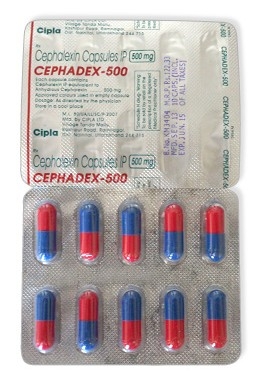
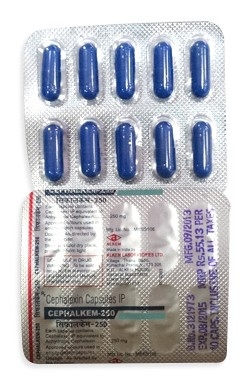
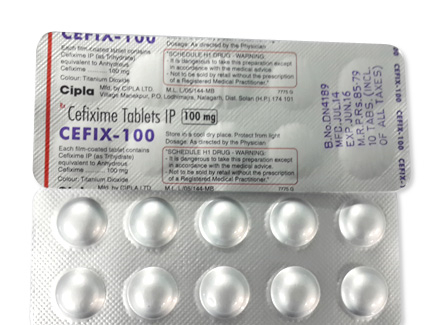
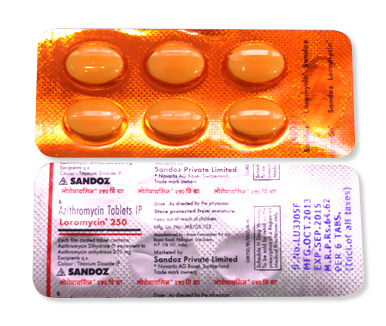
Basic Duricef Information
- INN (International Nonproprietary Name): Cefadroxil.
- Brand Names Available In United Kingdom: Duricef; other local brand names not specified.
- ATC Code: J01DB05.
- Forms & Dosages: Tablets 500 mg and 1 g; capsules 500 mg; oral suspension powder 125 mg/5 ml and 250 mg/5 ml (dry powder for reconstitution).
- Manufacturers In United Kingdom: Not specified; Bristol-Myers Squibb is the original developer and multiple generic manufacturers supply cefadroxil globally.
- Registration Status In United Kingdom: Not specified; cefadroxil is prescription-only in major markets and is registered with multiple health authorities internationally.
- OTC / Rx Classification: Prescription-only (Rx) in major markets.
Key Findings From Recent Trials
Major 2022–2025 Studies
What Have Recent Trials Shown About Cefadroxil?
Most recent work from 2022 to 2025 comprises comparative observational cohorts and small randomised studies rather than large superiority trials.
These studies typically compared cefadroxil with cephalexin or amoxicillin for uncomplicated skin and soft tissue infections and community urinary tract infections.
Pharmacokinetic and pharmacodynamic studies reinforced cefadroxil’s longer half-life and the practicality of once‑ or twice‑daily oral dosing for outpatient care.
Overall, evidence positions cefadroxil as a stewardship‑friendly, oral step‑down option rather than a novel breakthrough antibiotic.
Main Outcomes
Clinical cure rates were broadly comparable between cefadroxil and cephalexin or amoxicillin when standard regimens were used.
Regimens reported used adult doses consistent with product data—commonly 500 mg twice daily or 1 g once daily depending on indication.
Studies emphasised outpatient adherence benefits when once‑daily dosing was possible because of cefadroxil’s pharmacokinetics.
Where pathogens were susceptible, cefadroxil performed reliably for streptococcal pharyngitis and uncomplicated skin infections.
Safety Observations
Safety surveillance across studies continued to show low rates of serious adverse events for cefadroxil.
Most commonly reported side effects were gastrointestinal upset and mild dermatologic reactions such as rash or pruritus.
There were rare reports of severe allergic reactions and antibiotic‑associated colitis in line with known class effects.
Antimicrobial‑resistance trend analyses from UK primary care datasets show persistent susceptibility among common Gram‑positive pathogens but rising resistance in some Enterobacteriaceae relevant to urinary infections.
Clinical Mechanism Of Action
Layman’s Explanation
How Does Cefadroxil Work In Plain Terms?
Cefadroxil weakens the protective wall that surrounds bacteria so they cannot hold themselves together during growth and division.
When the wall is disrupted, bacteria become unstable and die, which helps clear bacterial infections like sore throats and uncomplicated skin infections.
The medicine works only against bacteria, so it is not effective for viral infections such as colds or the flu.
Scientific Breakdown
What Is The Precise Pharmacology Behind Cefadroxil?
Cefadroxil is a first‑generation cephalosporin classified under ATC J01DB05.
It binds to penicillin‑binding proteins and inhibits the transpeptidation step of peptidoglycan cross‑linking during cell wall synthesis.
This action is bactericidal against many Gram‑positive cocci and selected Gram‑negative rods that remain susceptible.
Pharmacokinetics
Oral absorption of cefadroxil is good and plasma concentrations permit once‑ or twice‑daily dosing depending on indication.
The drug is excreted primarily by the kidneys, so dosing must be adjusted in renal impairment.
Elderly patients require monitoring because renal function commonly declines with age and affects elimination.
Spectrum Limitations
Cefadroxil is not effective against methicillin‑resistant Staphylococcus aureus, most Pseudomonas species, or many resistant Enterobacteriaceae.
It has no activity against atypical bacteria, viruses or fungi, so clinical selection must match likely pathogens and local susceptibility.
In practice, cefadroxil is chosen for streptococcal pharyngitis and susceptible skin infections or as an oral step‑down from IV first‑generation cephalosporins.
Scope Of Approved & Off-Label Use
United Kingdom Approvals
What Is Cefadroxil Used For In Practice?
Globally cefadroxil is approved for upper respiratory infections like streptococcal pharyngitis, uncomplicated skin and soft tissue infections, and uncomplicated urinary tract infections.
Prescribing in the United Kingdom follows MHRA guidance and local NHS formularies where available.
Clinicians use cefadroxil where a first‑generation oral cephalosporin is appropriate and where local susceptibility data support its use.
Notable Off-Label Trends
How Do UK Clinicians Commonly Use Cefadroxil Off-Label?
There is increasing use as an oral step‑down after IV cephalosporins for cellulitis or bone and soft tissue infections when pathogens are known to be susceptible.
Paediatric use of reconstituted suspension is common with weight‑based dosing at approximately 30 mg/kg/day.
Other off‑label uses include occasional prophylaxis in certain allergy scenarios, but these require careful assessment of beta‑lactam cross‑reactivity.
Dosage Strategy
General Dosing
What Doses Are Standard For Adults And Children?
Standard adult dosing is 500 mg twice daily or 1 g once daily, chosen according to infection type and prescriber preference.
Children are dosed at around 30 mg/kg/day given as a single daily dose or divided into two doses using reconstituted oral suspension.
Choose 1 g once daily for uncomplicated urinary tract infections where culture supports this approach.
Condition-Specific Dosing
How Long And What Dose For Specific Infections?
For streptococcal pharyngitis aim for a minimum of 10 days, using 1 g once daily or an equivalent divided regimen.
For uncomplicated urinary tract infection consider 1 g once daily or 500 mg twice daily for 7–14 days depending on severity and culture results.
For skin and soft tissue infections use about 1 g per day, either as a single dose or divided doses, with duration 7–14 days guided by clinical response.
Renal Impairment
Dosing must be reduced or the dosing interval extended proportionally to the degree of renal impairment.
Prescribers should consult the product prescribing information or BNFs for renal adjustment tables before prescribing long courses.
Children & Elderly
Paediatric dosing is weight based and commonly uses the 125 mg/5 ml or 250 mg/5 ml suspension for accuracy.
Elderly patients require renal monitoring and dose adjustment if renal function is reduced.
Safety Protocols
Contraindications
Who Should Not Take Cefadroxil?
Absolute contraindication is hypersensitivity to cephalosporins.
Exercise caution with a history of immediate severe penicillin allergy because of potential cross‑reactivity.
Avoid giving cefadroxil to patients with prior severe beta‑lactam anaphylaxis.
Adverse Effects
What Side Effects Should Patients Expect?
Common adverse effects include nausea, vomiting, diarrhoea and abdominal pain.
Skin reactions such as rash and pruritus are also fairly common and usually mild.
Severe reactions such as anaphylaxis, severe cutaneous adverse reactions and Clostridioides difficile colitis are rare but require immediate attention.
Monitoring Recommendations
Check renal function before prolonged therapy in elderly or renally impaired patients.
Advise patients to stop the drug and seek immediate care for signs of anaphylaxis or a severe rash.
Report suspected serious adverse drug reactions to the MHRA Yellow Card scheme.
Interaction Mapping
Food Interactions
Does Food Affect Cefadroxil Absorption?
Food may modestly reduce peak concentrations but does not usually require a dosing change.
Patients can take cefadroxil with or without food, which helps adherence for tablets or reconstituted suspension.
Drug Combinations To Avoid
What Drugs Require Caution With Cefadroxil?
Concomitant use with nephrotoxic agents such as aminoglycosides or high‑dose loop diuretics increases renal risk and calls for monitoring.
Probenecid inhibits renal tubular secretion and can raise cefadroxil plasma levels, so dose adjustments or monitoring are advisable when combined.
Watch INR closely when initiating or stopping cefadroxil in patients on vitamin K antagonists like warfarin.
Other Interaction Notes
No strong evidence shows reduced oral contraceptive efficacy with cefadroxil, but counsel patients on general antibiotic precautions.
Live vaccines are not directly contraindicated, but avoid in severe immunosuppression as per standard practice.
Patient Experience Analysis
Survey Data
What Do Patients Say About Taking Cefadroxil?
Primary care surveys report high satisfaction when symptoms resolve within expected timeframes and regimens are simple.
Once‑daily dosing improves adherence in patients who prefer fewer doses each day.
Reported problems are mostly gastrointestinal upset and mild rashes, with low discontinuation rates.
Forum Trends
What Do Online Forums Say?
Parents favour the suspension formulations for children and frequently ask about availability and pricing for cefadroxil oral suspension.
Common online concerns include access to prescriptions and clear guidance on renal dosing and allergy advice.
Patients appreciate clear instructions on missed doses and red‑flag symptoms.
Practical Takeaways
Give simple missed‑dose guidance such as not doubling up after a missed dose.
Explain likely side effects and stress not to use antibiotics for viral illnesses.
Distribution & Pricing Landscape
What Formulations Are Supplied In The Market?
Duricef is available in tablets (500 mg, 1 g), capsules (500 mg) and oral suspension powders (125 mg/5 ml, 250 mg/5 ml).
Distribution in the United Kingdom commonly includes branded and generic products supplied via wholesalers and NHS formularies.
Availability may vary regionally and be influenced by the number of generics and supply chain status.
Supply Risk And Stewardship
Occasional shortages of specific formulations have been reported in European markets, so check NHS supply notifications.
Antimicrobial stewardship policies influence prescribing and procurement, favouring narrow‑spectrum and cost‑effective generics.
In our online pharmacy, duricef is available without a prescription, with discreet delivery to United Kingdom in 5-14 days.
Alternative Options
Comparison Table
What Are The Main Alternatives To Cefadroxil?
Principal alternatives include cephalexin, cefazolin (parenteral) and amoxicillin.
Cephalexin has a similar spectrum and is widely used in UK primary care.
Cefazolin is used intravenously in hospital settings, while amoxicillin covers streptococci and some Gram‑negatives with different resistance patterns.
Pros And Cons
How To Choose Between These Options?
Cefadroxil pros include dosing convenience and good Gram‑positive coverage when pathogens are susceptible.
Cefadroxil cons include limited activity against MRSA and many resistant Enterobacteriaceae.
Cephalexin is well established but often requires more frequent dosing.
Amoxicillin may offer broader Gram‑negative coverage but differs in staphylococcal activity and resistance concerns.
Selection should be driven by local susceptibility, stewardship, and patient factors such as renal function and adherence needs.
Regulatory Status
Is Cefadroxil Regulated In The UK?
Cefadroxil is a prescription‑only medicine across major markets and is assigned ATC code J01DB05 as a first‑generation cephalosporin.
In the UK, the MHRA regulates medicines and local NHS formularies guide prescribing and procurement.
Suspected adverse reactions should be reported to the MHRA Yellow Card scheme as part of pharmacovigilance.
Prescribing Restrictions
Local antimicrobial stewardship programmes may restrict cefadroxil use to specific indications and recommend review for multiple courses.
Suppliers and prescribers should comply with Good Distribution Practice and track supply notices from MHRA or NHS sources.
Consolidated FAQ
Common Questions From Clinicians And Patients.
Is Duricef Prescription‑Only In The UK?
Yes, cefadroxil is prescription‑only in major markets; local registration status in the UK is not specified in the dataset.
What Is The Adult Dosing?
Typical adult dosing is 1 g once daily or 500 mg twice daily depending on indication.
What Is The Paediatric Dosing?
Children are generally dosed at 30 mg/kg/day as a single dose or divided doses using 125 mg/5 ml or 250 mg/5 ml suspension.
How Long Should Treatment Last?
Treatment is usually 7–10 days depending on infection; streptococcal pharyngitis is typically a minimum of 10 days.
What About Renal Impairment?
Dose or dosing interval should be reduced according to renal function; consult prescribing information for exact tables.
Can It Be Used For Viral Sore Throat?
No; cefadroxil is an antibiotic and should only be used for confirmed or strongly suspected bacterial infections.
Practical Patient FAQ: What If I Miss A Dose?
Take the missed dose as soon as remembered but do not double the next dose.
How Should I Store It?
Tablets at room temperature; reconstituted suspension refrigerated and used within 14 days.
Visual Guide
What Visual Aids Help Patients And Clinicians?
Create dosing schedule pictograms that show once‑daily versus twice‑daily options for adults.
Include a weight‑based paediatric dosing table for 30 mg/kg/day and a renal‑adjustment flowchart for prescribers.
Patient‑facing visuals should show reconstitution steps, a 14‑day expiry icon for refrigerated suspensions and a red‑flag checklist for allergic reactions.
Ensure visuals follow NHS design standards and are available in accessible formats for low‑literacy patients.
Storage & Transport
How Should Duricef Be Stored And Transported?
Store oral solid forms at room temperature between 15–30°C and protect from light and moisture.
Reconstituted suspension should be refrigerated and used within 14 days, with the bottle shaken well before each dose.
Avoid freezing suspensions and maintain dry conditions during pharmacy handling and transport.
Cold‑Chain And Pharmacy Practice
Solid oral forms tolerate ambient distribution but maintain secure pallet storage and monitor supply during shortages.
Advise patients to discard unused reconstituted suspension after 14 days and return expired medicines via pharmacy take‑back when possible.
Guidelines For Proper Use
How Should Clinicians Prescribe Cefadroxil Responsibly?
Confirm bacterial aetiology where possible and use the narrowest effective agent for the shortest effective duration.
Align prescribing with local antimicrobial guidelines, susceptibility data and MHRA/NHS recommendations.
Prescriber Checklist
Confirm the indication such as streptococcal pharyngitis, uncomplicated UTI or skin infection.
Check allergy history with attention to penicillin and cephalosporin reactions.
Determine renal function and adjust dosing if required, document the rationale and arrange review for non‑response.
Patient Counselling Points
Explain common side effects and red flags such as severe rash or persistent diarrhoea.
Give clear storage and reconstitution instructions for suspensions and advise on missed‑dose rules.
Report adverse events to the MHRA Yellow Card scheme as appropriate.
Delivery Across United Kingdom
| City | Region | Delivery Time |
|---|---|---|
| London | Greater London | 5-7 days |
| Birmingham | West Midlands | 5-7 days |
| Manchester | Greater Manchester | 5-7 days |
| Glasgow | Scotland | 5-7 days |
| Leeds | West Yorkshire | 5-7 days |
| Sheffield | South Yorkshire | 5-9 days |
| Bristol | South West England | 5-7 days |
| Liverpool | Merseyside | 5-9 days |
| Newcastle Upon Tyne | North East England | 5-9 days |
| Edinburgh | Scotland | 5-7 days |
| Cardiff | Wales | 5-9 days |
| Belfast | Northern Ireland | 5-9 days |
| Norwich | East of England | 5-9 days |