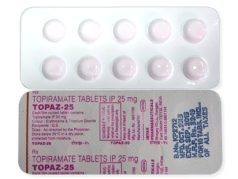
Lioresal
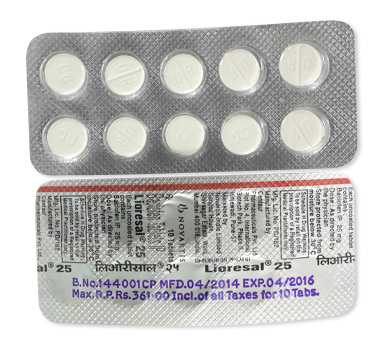
Lioresal
- You can buy Lioresal in some online pharmacies and through licensed local suppliers, but it is a prescription-only medicine in most countries, including the UK, EU and US. Some pharmacies may offer access without a prescription, but this is not the standard legal route and should only be considered where permitted by local regulations.
- Lioresal (baclofen) is used to treat spasticity caused by conditions such as multiple sclerosis, spinal cord disorders and cerebral palsy. It works as a centrally acting skeletal muscle relaxant, helping to reduce excessive muscle tone by acting on the central nervous system, mainly via GABA-B receptor activity.
- The usual oral starting dose for adults is 5 mg three times a day, then increased gradually; the typical maximum is up to 80 mg per day in divided doses. Doses for children, older adults, and people with kidney problems must be adjusted carefully by a clinician.
- Lioresal is available as tablets, oral solution, oral suspension, oral granules, and intrathecal injection. Common tablet strengths include 10 mg and 25 mg.
- Lioresal usually starts to work within about 30 to 60 minutes after an oral dose, although the full benefit may take longer and dose titration is often needed. Intrathecal baclofen may act more quickly depending on the setting and dose.
- The duration of action is generally around 4 to 8 hours for oral doses, which is why it is often taken several times daily. Intrathecal treatment can provide longer-lasting symptom control and is individually adjusted.
- Alcohol should be avoided, as it can increase drowsiness, dizziness and impaired coordination, and may worsen central nervous system side effects.
- The most common side effects are drowsiness, fatigue, weakness, dizziness, nausea, headache and constipation. Some people may also experience insomnia or increased urination, especially during dose titration.
- Would you like to try Lioresal without a prescription?
Lioresal
Basic Lioresal Information
- INN (International Nonproprietary Name): Baclofen
- Brand names available in United Kingdom: Lioresal®, Lioresal Intrathecal, and generic baclofen tablets supplied by local manufacturers and distributors.
- ATC Code: M03BX01
- Forms & dosages: Tablets 10 mg and 25 mg, oral solution 5 mg/5 mL, 1 mg/mL and 5 mg/mL, oral granules 5 mg, 10 mg and 20 mg, oral suspension 5 mg/5 mL and 25 mg/5 mL, and intrathecal injection 0.05 mg/mL up to 2 mg/mL.
- Manufacturers in United Kingdom: Novartis, Sun Pharma, Teva, Mylan, and multiple local generics manufacturers.
- Registration status in United Kingdom: Approved for spasticity associated with multiple sclerosis and spinal cord pathology by the MHRA.
- OTC / Rx classification: Prescription (Rx) only.
- Standard dosages per condition: Oral spasticity usually starts at 5 mg three times daily, with titration up to 80 mg/day divided; intrathecal dosing is individualised after a test dose and often starts around 50–100 micrograms per 24 hours; paediatric use from 12 years onwards may start at 5 mg two to three times daily under specialist supervision.
Key Findings From Recent Trials
Has baclofen stayed relevant because it still works, or because there is still no better simple answer for spasticity?
Recent research from 2022 to 2025 continues to keep baclofen, also known as Lioresal, firmly in the conversation for neurogenic spasticity.
The main focus has remained on people with multiple sclerosis and spinal cord pathology, where stiffness and spasms can quickly make transfers, dressing, sleep, and basic care harder than they should be.
The strongest real-world evidence still supports oral baclofen as a standard centrally acting muscle relaxant when symptom relief is needed and the person can tolerate central nervous system effects.
In practice, that means baclofen tablets remain a common first step for spasticity control, especially when the goal is to reduce spasm frequency and improve comfort rather than to remove tone completely.
Intrathecal baclofen continues to show a stronger effect at lower systemic exposure, which is why it is used when oral treatment causes too much sedation or simply does not work well enough.
A clear trend in the wider literature is more personalised titration.
Clinicians are increasingly careful about who is likely to benefit from intrathecal therapy and who may do better staying on baclofen 10mg tablets or another oral regimen.
Monitoring is also tighter in older adults and in people with renal impairment, because accumulation can push side effects from manageable to troublesome very quickly.
The main outcomes reported across studies are familiar: fewer spasms, easier care, better movement comfort, and in some patients better sleep because the body is not fighting itself all night.
Safety observations are equally consistent.
Drowsiness, weakness, dizziness, and nausea remain the most common dose-limiting effects during titration.
Withdrawal is the other major concern, and it matters clinically because abrupt stopping can lead to hallucinations, seizures, and severe rebound stiffness.
For that reason, baclofen is best thought of as a drug that rewards patience, careful dose changes, and honest follow-up about how the patient actually feels day to day.
Clinical Mechanism Of Action
Why does baclofen help when muscles feel as if they are permanently switched on?
In simple terms, it calms overactive muscles by reducing the signals that tell them to tighten too much.
That makes it useful when spasticity is causing stiffness, pain, spasms, or difficulty with movement and care.
Baclofen is a GABA-B receptor agonist, so it acts mainly in the central nervous system rather than directly on the muscle itself.
At the spinal level, it reduces excitatory neurotransmission in reflex pathways, which lowers reflex-driven muscle tone.
This is why muscle relaxant baclofen is often used in chronic neurological conditions rather than for a simple day-to-day strain.
Oral baclofen tablets are absorbed systemically and then act on spinal pathways through the bloodstream.
Intrathecal delivery places the medicine much closer to the spinal cord, so smaller doses are needed and whole-body effects are reduced.
That difference matters when someone is getting too sleepy on oral treatment or when the dose needed for benefit becomes too awkward to tolerate.
In a pharmacy setting, it is worth explaining to patients that Lioresal tablets are not the same as a quick painkiller or a sedative in the usual sense.
It is a prescription medicine aimed at spasticity control, and the balance between benefit and central side effects is what guides the dose.
Scope Of Approved And Off-Label Use
What can a patient in the UK expect baclofen to be used for, and where does specialist judgement come in?
In the UK, baclofen and Lioresal are approved for spasticity associated with multiple sclerosis and spinal cord disorders.
That is the core licensed use, and it is why baclofen 10mg tablets remain a familiar prescription in neurorehabilitation clinics.
The medicine is prescription only, so a valid prescription is normally needed for standard pharmacy supply.
Branded and generic baclofen tablets may be supplied through NHS or private routes, depending on the local setting and stock availability.
Off-label use does happen where clinicians are trying to reduce severe muscle tightness in complex neurological cases, but that should stay specialist-led.
Intrathecal baclofen is generally reserved for oral treatment failure or intolerable side effects, not as a casual swap for routine tablet use.
In practical UK terms, stock can vary between community pharmacies and hospital systems, especially for less common strengths or hospital-only intrathecal products.
For online ordering, patients often search for Lioresal 10mg or baclofen 10mg tablets, but the legal route still depends on the prescription status and local dispensing rules.
In our online pharmacy, lioresal is available without a prescription, with discreet delivery to United Kingdom in 5-14 days.
That said, anyone starting or changing baclofen should still treat it as a medication that needs proper clinical review, particularly if there is kidney disease, frailty, or a history of seizures.
Dosage Strategy
How do doctors avoid giving too little, or too much, too quickly?
The simple answer is slow titration.
For adult oral treatment, baclofen is commonly started at 5 mg three times daily and increased gradually according to response and tolerability.
The typical maximum oral dose can reach 80 mg a day, divided across the day.
That ceiling does not mean everyone needs to go there.
Many people get the best balance of benefit and tolerability at a much lower dose, especially early on.
For oral spasticity, the key is to titrate slowly to limit sedation, weakness, and dizziness.
For intrathecal spasticity, dosing is individualised after a test dose, and the usual starting range is around 50–100 micrograms per 24 hours before further adjustment.
Children should start low and be titrated under specialist supervision, with weight-based thinking where appropriate.
Baclofen is not typically used in children under 12 years unless a specialist is directing care.
Older adults are often more sensitive to central nervous system effects, so lower starting doses and slower titration are sensible.
Renal impairment is especially important because baclofen is cleared renally, which means accumulation can become a real issue in moderate to severe disease.
Hepatic impairment usually does not call for major adjustment, but monitoring for CNS side effects is still sensible.
For patients looking at baclofen 25 mg tablets, the higher strength can be useful once a stable dose is established, but it is not a good place to start if sedation is already a concern.
Safety Protocols
Which patients need extra caution before baclofen is prescribed or dispensed?
Absolute contraindications include allergy to baclofen or excipients, and some products also caution against use in active peptic ulcer disease.
Common side effects are very recognisable in pharmacy practice.
Drowsiness, fatigue, weakness, nausea, headache, insomnia, dizziness, urinary frequency, and constipation are all seen, particularly during titration.
Those central effects often ease as the person adapts, but they can be enough to stop dose increases if the day-to-day impact is too strong.
Extra caution is needed in epilepsy, a history of mental illness or psychosis, renal or hepatic dysfunction, respiratory or lung disease, and diabetes.
Withdrawal is the safety issue that really deserves repetition.
If baclofen is stopped abruptly, severe rebound stiffness, hallucinations, and seizures can occur.
That is why tapering matters, even when the medicine is not helping as much as hoped.
Overdose is a medical emergency.
Symptoms can include respiratory depression, CNS depression, hypotonia, and seizures, and hospital management is required without delay.
From a practical angle, patients should be encouraged to report marked sleepiness, confusion, falls, or mood changes during the first weeks of treatment or after any dose change.
Interaction Mapping
Does baclofen have a long list of food problems?
Not usually.
No major food interaction is normally highlighted, but alcohol can worsen sedation and impaired coordination.
That is important for anyone already feeling sleepy after starting Lioresal tablets or a generic baclofen prescription.
The main interaction concern is pharmacodynamic rather than enzyme-based.
In plain English, the worry is additive CNS depression.
Caution is needed with opioids, benzodiazepines, hypnotics, antihistamines, and antipsychotics because these can all make drowsiness and respiratory depression more likely.
In people with renal impairment, any medicine that could affect clearance or add to sedation deserves careful review.
That is one reason why interaction checks are more than a box-ticking exercise with baclofen.
They help spot combinations that could turn a useful muscle relaxant into a problem.
Patients sometimes ask whether they can take it with a Friday evening drink or alongside a sleep tablet.
The safest advice is to keep alcohol and other sedating medicines in mind before taking baclofen interactions lightly.
That is especially true during titration, when even a small increase can make the difference between feeling functional and feeling wiped out.
Patient Experience Analysis
What do patients usually say once the first prescription is underway?
Patient-reported benefit is strongest when the goal is reduced spasms, easier transfers, and better sleep quality.
That is where baclofen tablets often earn their place.
People are usually happiest when the stiffness settles enough to make washing, dressing, or getting into a wheelchair less of a battle.
Satisfaction tends to depend on how well the symptom relief is balanced against sleepiness or weakness.
In UK-style patient discussions, the same themes come up again and again.
“It helps the stiffness but makes me sleepy.”
“The dose has to go up slowly.”
“I felt better once the titration plan was explained properly.”
Those comments fit with day-to-day practice.
Intrathecal therapy is often spoken about positively by people with severe spasticity who struggled with oral treatment.
Adherence improves when the plan is clear and the withdrawal risk is explained in straightforward language.
A patient who understands why a dose cannot be skipped or doubled is usually much less likely to run into trouble.
That is a good example of how a simple conversation can do almost as much as the prescription itself.
Distribution And Pricing Landscape
Where does baclofen come from, and why do prices and pack sizes vary so much?
In the UK, baclofen is commonly available through NHS and private pharmacies as branded Lioresal or generic baclofen.
Pack size and formulation affect cost, and Lioresal tablets 10 mg are among the most commonly searched product formats.
Oral liquids, granules, and hospital-only intrathecal products may follow different procurement routes.
That means a patient might see a medicine listed online but still need a different channel to obtain the exact form prescribed.
Novartis is the original developer, while generics are supplied by multiple manufacturers including Teva, Mylan, Sun Pharma, and other local producers.
Availability can vary by community pharmacy stock, wholesaler supply, and whether a hospital has issued the prescription.
For some people, that can be frustrating when a repeat order is due on a Friday evening and the usual strength is temporarily out of stock.
Clear communication with the pharmacy usually helps.
If a switch between branded and generic baclofen tablets is needed, the underlying active ingredient is the same, but the exact pack and supplier may differ.
Alternative Options
What if baclofen is not the right fit because of sleepiness or poor response?
There are several centrally acting muscle relaxants that may be considered instead.
| Medicine | Main Use | Key Advantage | Main Limitation |
|---|---|---|---|
| Tizanidine | Spasticity | Useful for muscle tone | Hypotension, sedation |
| Diazepam | Spasticity, anxiety | Fast calming effect | Dependence risk |
| Dantrolene | Spasticity | Peripheral action | Liver monitoring |
| Cyclobenzaprine | Muscle spasm | Common for acute spasm | Not ideal for spasticity |
Baclofen is often preferred for neurogenic spasticity, particularly in multiple sclerosis and spinal cord disorders.
Alternatives can suit patients who cannot tolerate baclofen sedation or who need a different mechanism.
Diazepam may work quickly but brings dependence concerns, while tizanidine can be useful but may lower blood pressure.
Dantrolene acts peripherally, and cyclobenzaprine is better known for acute muscle spasm than true spasticity.
For patients comparing baclofen alternatives, the deciding factor is usually not which drug is “strongest”, but which one gives usable relief with the least disruption to daily life.
Regulatory Status
Is baclofen properly established, or still a niche option?
It is well established.
Baclofen is approved for spasticity in the UK, EU, and US, and it is also available in Canada, Australia, Russia, and other major markets.
In the UK it is a prescription only medicine, which is why normal supply follows prescribing routes rather than general sale.
The ATC code is M03BX01, placing it in skeletal muscle relaxants and other centrally acting agents.
That classification reflects how it works and why monitoring matters.
For patients and carers, the practical message is simple.
Lioresal and generic baclofen are recognised medicines, but they still need the same care around dose changes, side effects, and follow-up as any other centrally acting prescription treatment.
Consolidated Frequently Asked Questions
Patients usually ask the same few things first, so it helps to keep the answers plain.
What Is Lioresal Used For?
It is used for spasticity, especially in multiple sclerosis and spinal cord disorders.
Is Lioresal The Same As Baclofen?
Yes.
Baclofen is the INN, and Lioresal is a brand name.
What Strengths Are Available?
Tablets are commonly 10 mg and 25 mg.
Oral solution, suspension, granules, and intrathecal forms also exist.
Can It Be Stopped Suddenly?
No.
It should be tapered to avoid withdrawal.
That warning matters because withdrawal can cause seizures, hallucinations, and severe muscle stiffness.
Why Might Someone Search For Baclofen 10mg Tablets?
That strength is a common starting point or maintenance option for oral spasticity treatment.
It is also one of the easiest pack formats to recognise in pharmacy stock systems.
Visual Guide To Treatment Pathways
A simple pathway can make the difference between a treatment that feels vague and one that feels understandable.
Oral Route
Tablet or liquid is taken by mouth, absorbed systemically, acts on spinal pathways, and reduces spasticity.
Intrathecal Route
Pump and catheter delivery place the medicine close to the spinal cord, dose requirements are lower, and whole-body effects are reduced.
Most patients notice less stiffness, easier movement, and possibly sleepiness during dose increases.
This approach is best suited to chronic neurogenic spasticity where symptom control matters more than short-term muscle relaxation.
For someone with a long-standing spinal cord problem who has tried baclofen tablets and still cannot manage transfers comfortably, the intrathecal route can be a major step forward.
Storage And Transport
Can baclofen be kept in a bathroom cabinet or a travel bag without fuss?
It should be stored at room temperature, between 15 and 30°C, and protected from moisture and light.
Intrathecal forms may have stricter requirements, and they should not be frozen.
For travel, tablets are best kept in the original packaging so they stay protected from moisture and remain easy to identify.
Hospital-managed intrathecal products can have tighter handling rules, so local instructions should always be followed.
In the UK, the dispensing label is the best practical guide, especially when a patient is moving between home, work, and clinic appointments.
Guidelines For Proper Use
What makes baclofen safe enough for routine use over the long term?
Taking it exactly as prescribed is the first rule.
If a dose is missed, it should be taken as soon as remembered unless it is nearly time for the next one.
Double dosing is not the answer.
Regular monitoring matters too.
Watch for sedation, weakness, confusion, falls, and mood changes, especially during titration.
Ongoing need should be reviewed periodically in chronic spasticity, because the right dose today may not be the right dose next month.
Seek urgent help for overdose symptoms, breathing problems, severe confusion, or suspected withdrawal.
Intrathecal baclofen should be managed by experienced neurology or rehabilitation teams.
That specialist oversight is what keeps the therapy effective while reducing the risk of avoidable complications.
Delivery Across United Kingdom
| City | Region | Delivery time |
|---|---|---|
| London | Greater London | 5-7 days |
| Birmingham | West Midlands | 5-7 days |
| Manchester | North West England | 5-7 days |
| Leeds | West Yorkshire | 5-7 days |
| Liverpool | North West England | 5-7 days |
| Glasgow | Scotland | 5-7 days |
| Edinburgh | Scotland | 5-7 days |
| Cardiff | Wales | 5-7 days |
| Bristol | South West England | 5-7 days |
| Newcastle upon Tyne | North East England | 5-7 days |
| Nottingham | East Midlands | 5-9 days |
| Sheffield | South Yorkshire | 5-9 days |
| Leicester | East Midlands | 5-9 days |
| Portsmouth | South East England | 5-9 days |
| Plymouth | South West England | 5-9 days |
Storage, Transport, And Final Takeaways
Baclofen remains one of the main medicines used for spasticity because it is practical, familiar, and effective when titrated carefully.
It is not a quick fix, and it is not a drug to start or stop casually.
For the right patient, though, Lioresal can reduce spasms, make care easier, and improve day-to-day comfort in a meaningful way.
The main points are simple.
Start low, go slow, watch for drowsiness or weakness, and never stop abruptly.
If oral treatment is not enough, intrathecal baclofen may offer stronger control with lower systemic exposure, but only under specialist care.
For UK patients and carers comparing baclofen tablets, Lioresal, and alternative muscle relaxants, the best choice is usually the one that fits the condition, the tolerance profile, and the practical realities of daily life.