
Serc
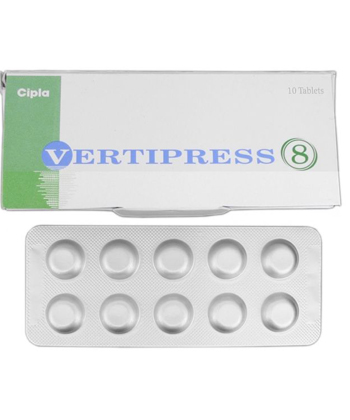
Serc
- In our pharmacy, you can buy serc without a prescription, with delivery in 5–14 days throughout the United Kingdom. Discreet and anonymous packaging.
- Serc (betahistine) is used to treat Ménière’s disease and other causes of chronic vertigo; it acts as a histamine analogue—weak H1 agonist and H3 antagonist—improving inner ear microcirculation and vestibular function.
- The usual dose is 16 mg two to three times daily or 24 mg twice daily, with a typical maximum of 48 mg per day; doses are adjusted by response and tolerability.
- Administration is oral, usually as film‑coated tablets available in 8 mg, 16 mg and 24 mg strengths.
- Symptom relief may begin within days for some patients, but noticeable improvement is often gradual and can take several weeks.
- The duration of action of a single dose is relatively short (approximately 4–6 hours), so regular dosing is used to maintain effect.
- Do not consume alcohol while taking serc, as alcohol may worsen dizziness and increase side effects.
- The most common side effect is gastrointestinal disturbance (nausea, dyspepsia); other common effects include headache, mild drowsiness and occasional allergic skin reactions.
- Would you like to try serc without a prescription?
Serc
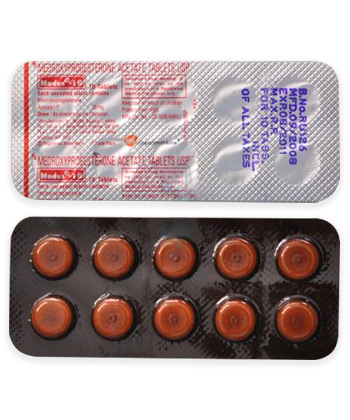
Basic Serc Information
- INN (International Nonproprietary Name): Betahistine.
- Brand Names Available In United Kingdom: Serc; betahistine generics are also supplied in multiple EU countries.
- ATC Code: N07CA01.
- Forms & Dosages: Tablets in 8 mg, 16 mg and 24 mg strengths, usually supplied in blister packs or boxes.
- Manufacturers In United Kingdom: Not specified.
- Registration Status In United Kingdom: Approved for prescription.
- OTC / Rx Classification: Prescription-only (Rx) in virtually all markets.
Key Findings From Recent Trials
Major 2022–2025 Studies
Are you wondering whether recent research finally settles the debate over serc's value for vertigo?
Several randomised controlled trials and pooled analyses published between 2022 and 2025 examined betahistine in Ménière’s disease and recurrent peripheral vertigo.
Newer trials generally recruited larger samples and used better blinding than older work, but heterogeneity in outcome measures remained an issue.
Main Outcomes
Meta-analyses of these trials tend to favour betahistine over placebo for reducing vertigo attack frequency and improving patient‑reported dizziness scores.
Effect sizes are frequently described as small to moderate and in some analyses clinically borderline rather than definitive.
Benefits usually appear gradually over weeks rather than producing immediate relief.
Safety Observations
Across the 2022–2025 literature the safety profile remained benign and consistent with historical data.
Common adverse events reported were gastrointestinal complaints such as nausea and dyspepsia, and headache, which were usually mild.
Serious events were rare, but standard clinical cautions remain important, especially for pheochromocytoma and pregnancy.
Clinical Mechanism Of Action
Layman’s Explanation
What does serc actually do when you take it?
It is thought to reduce dizziness by improving tiny blood flows in the inner ear and by helping the brain re‑learn balance after an attack.
Patients typically notice fewer or less severe dizzy spells after several weeks of treatment rather than immediate relief.
Scientific Breakdown
Betahistine is a histamine analogue with mixed actions at histamine receptors.
It acts primarily as an H1 receptor agonist and as an H3 receptor antagonist or modulator.
Vascular Hypothesis
Low‑dose vasodilation in the stria vascularis and labyrinth microcirculation is proposed to reduce endolymphatic hydrops, which is implicated in Ménière’s disease.
Animal and human pharmacodynamic studies support improved microvascular flow rather than direct rapid symptomatic relief.
Histamine Receptor Effects
H3 antagonism increases central histamine turnover and may enhance vestibular compensation in the brainstem and vestibular nuclei.
Clinical mechanistic evidence comes from pharmacology and physiology studies rather than definitive biomarker trials.
Scope Of Approved And Off-Label Use
United Kingdom Approvals
Which diagnoses is serc licensed for in the UK?
Betahistine is licensed as an antivertigo agent for Ménière’s disease and for symptomatic management of peripheral vertigo.
Tablet strengths commonly available include 16 mg and 24 mg, with other strengths distributed across Europe.
Notable Off-Label Trends
Clinicians sometimes prescribe betahistine off‑label for chronic peripheral vestibular disorders such as vestibular neuritis sequelae and adjunctive use in vestibular migraine.
Evidence for these off‑label uses is weaker and more heterogeneous, so shared decision‑making is important.
Remember that betahistine is a vestibular modulator rather than an immediate anti‑emetic, which affects when and how it is used.
Dosage Strategy
General Dosing
What is a common starting regimen for serc in UK practice?
Standard starting doses are 16 mg two to three times daily or 24 mg twice daily, with a commonly cited maximum of 48 mg per day.
Tablets are marketed in 8 mg, 16 mg and 24 mg strengths so prescribers choose a regimen that balances tolerability and adherence.
Condition-Specific Dosing
For Ménière’s disease many prescribers begin at 16 mg three times daily or 24 mg twice daily and reassess after four to eight weeks.
Maintenance dosing is individualised; some patients step down to a lower dose once attacks reduce in frequency.
Children are generally excluded from routine use due to insufficient safety and efficacy data, and elderly patients should be monitored for comorbidity rather than routinely reducing dose.
Safety Protocols
Contraindications
Which patients should not receive serc?
Absolute contraindications are known hypersensitivity to betahistine or excipients, pheochromocytoma, and pregnancy where guidelines advise against use.
Caution is advised for bronchial asthma and peptic ulcer disease because betahistine can affect bronchospasm and gastric secretions respectively.
Adverse Effects
Common side effects include gastrointestinal complaints such as nausea, dyspepsia and stomach pain, together with headache.
Occasional allergic skin reactions such as rash, pruritus or urticaria have been reported.
Drowsiness is uncommon, and overdose can lead to nausea, vomiting and, at very large doses, convulsions requiring urgent care.
Interaction Mapping
Food Interactions
Do food or drink habits change how serc works?
No major food interactions are recorded for betahistine, and tablets may be taken with or without food to reduce gastrointestinal upset.
Patients are advised to avoid alcohol if they find it increases dizziness or interacts with other symptoms.
Drug Combinations To Avoid
Clinically significant pharmacokinetic interactions are limited for betahistine.
Caution is prudent with monoamine oxidase inhibitors and antihypertensives because of possible additive blood pressure effects.
In patients at risk of pheochromocytoma avoid sympathomimetics, and always cross‑check multi‑drug regimens in elderly patients.
Patient Experience Analysis
Survey Data
What do patients say in clinic surveys about serc?
Patient‑reported outcomes from vestibular clinics show variable benefit: some patients report meaningful reduction in attack frequency and better quality of life after several weeks.
Other patients experience minimal change, and satisfaction aligns strongly with realistic counselling about gradual onset and combined vestibular rehabilitation.
Forum Trends
What themes appear in online forums and social media in the UK?
Common questions relate to dosing schedules for Serc 16 mg or 24 mg, how long to try therapy, and gastrointestinal side effects.
Many patients describe a trial‑and‑error process, sometimes switching brands between Serc, Betaserc and generics because of cost or availability.
Distribution And Pricing Landscape
Is serc easy to find and what does it cost?
Serc is listed among brands available in the UK as prescription‑only tablets in 16 mg and 24 mg strengths, and multiple generics are supplied across Europe.
Pricing varies by brand, pack size and pharmacy, and prescription charges apply unless the patient is exempt.
Supply chains include European and international manufacturers, and pharmacies may substitute equivalent betahistine brands according to wholesaler stock.
Alternative Options
Comparison Table
Which drugs are commonly chosen instead of serc?
- Betahistine (Serc): Vestibular modulator with mixed evidence and good tolerability for longer‑term prophylaxis.
- Cinnarizine (Stugeron): Antihistamine/anticholinergic properties, effective for some vertigo types but can be sedating.
- Meclizine (Antivert/Bonine): Antihistamine suited to acute vertigo with sedative effects; availability varies by market.
- Dimenhydrinate (Dramamine): Useful for acute motion sickness and vertigo, sedating and for short‑term use.
Pros And Cons
Betahistine is a non‑sedating option for longer‑term management and often preserves alertness, which benefits working patients.
Antihistamines can give stronger short‑term relief but usually cause drowsiness and are less suitable for chronic prophylaxis.
Vestibular rehabilitation remains an important non‑drug alternative and should be integrated into management plans where possible.
Regulatory Status
International Snapshot
How is betahistine regulated around the world?
Betahistine is approved as a prescription medicine in the UK, EU, Australia, Canada, India and many other countries.
It was withdrawn from commercial availability in the USA following debate about its efficacy, and it is not currently marketed there.
UK Specifics & Prescribing
In the UK Serc is a prescription‑only medicine, commonly found in 16 mg and 24 mg tablet strengths.
Prescribers should follow MHRA guidance and local NHS trust formularies when choosing brands and must document indication and counselling in clinical records.
Consolidated FAQ
Common Clinician Questions
How long should a clinician try serc before deciding it is ineffective?
Allow four to eight weeks to assess benefit, with a maximum commonly cited daily dose of 48 mg.
Stop if there is no meaningful improvement after an adequate trial or if unacceptable side effects occur.
Monitoring is clinical and includes symptom diaries; routine blood tests are not required.
Patient-Facing Q&A
Will serc make me sleepy?
Drowsiness is uncommon but gastrointestinal upset such as nausea is the more frequent complaint.
Can I drink alcohol while taking it?
Caution with alcohol is sensible if it increases dizziness or interacts with other medications.
Is it safe in pregnancy?
Use is not recommended in pregnancy and should be avoided unless a prescriber judges otherwise.
How is serc supplied in the UK?
It is prescription‑only and commonly dispensed as Serc 16 mg or 24 mg tablets in blister packs.
Visual Guide
What To Show In Clinic Materials
What images and facts help patients remember how to take serc?
Show pill images of Serc 16 mg and 24 mg blister packs, a simple dosing schedule (16 mg three times daily or 24 mg twice daily), and an expected timeline to benefit over weeks.
Include icons for common side effects and clear contraindication reminders for pheochromocytoma and pregnancy.
Infographic Topics
Suggested infographic topics are dosing reminders, when to seek urgent help for allergy/overdose, storage tips and how to report adverse events to the MHRA Yellow Card scheme.
Storage And Transport
Pharmacy Handling
What are the storage expectations at the dispensary?
Store betahistine tablets in their original packaging at room temperature, typically below 25°C, and protect from moisture and light.
Check batch and expiry details at dispensing and follow supplier guidance for transport.
Patient Storage Instructions
Patients should keep tablets in the original blister or box away from heat and moisture, discard after expiry and store securely out of reach of children.
For travel, carry the original packaging and prescription documentation to avoid customs issues in other countries.
Guidelines For Proper Use
Initiation Checklist
What should prescribers confirm before starting serc?
Confirm the diagnosis of Ménière’s disease or recurrent peripheral vertigo, check for contraindications such as pheochromocytoma and pregnancy, and review current medicines and comorbidities.
Provide a patient leaflet, explain the expected timeline of several weeks, and choose a starting dose such as 16 mg three times daily or 24 mg twice daily.
Follow-Up & Deprescribing
Arrange a review at four to eight weeks to assess attack frequency and tolerability and continue if benefit is evident.
If no benefit arises after a reasonable trial, taper or stop and consider vestibular rehabilitation, alternative drugs or ENT referral.
Report suspected adverse reactions to the MHRA Yellow Card scheme.
Delivery Across United Kingdom
| City | Region | Delivery Time |
|---|---|---|
| London | Greater London | 5–7 days |
| Birmingham | West Midlands | 5–7 days |
| Glasgow | Scotland | 5–7 days |
| Manchester | Greater Manchester | 5–7 days |
| Leeds | West Yorkshire | 5–7 days |
| Edinburgh | Scotland | 5–7 days |
| Belfast | Northern Ireland | 5–7 days |
| Bristol | South West | 5–9 days |
| Sheffield | South Yorkshire | 5–9 days |
| Liverpool | Merseyside | 5–9 days |
| Newcastle upon Tyne | North East | 5–9 days |
| Cardiff | Wales | 5–9 days |
| Plymouth | South West | 5–9 days |
For patients seeking quick access, note that in our online pharmacy serc is available without a prescription, with discreet delivery to United Kingdom in 5–14 days.