
Tamsulosin
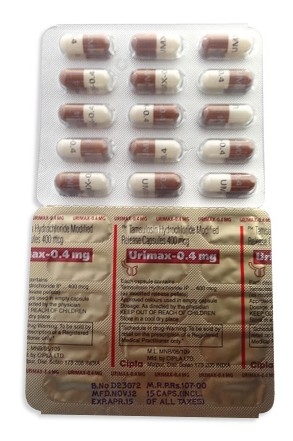
Tamsulosin
- In our pharmacy, you can buy tamsulosin without a prescription, with delivery in 5–14 days throughout the United Kingdom. Discreet and anonymous packaging.
- Tamsulosin is used to relieve lower urinary tract symptoms (LUTS) associated with benign prostatic hyperplasia (BPH); it is a selective alpha‑1A adrenergic antagonist that relaxes smooth muscle in the prostate and bladder neck.
- The usual dose is 0.4 mg once daily, taken after the same meal each day; a 0.2 mg dose is available in some regions.
- The form of administration is oral capsules/tablets, typically modified‑release; combination products with dutasteride are also available.
- The effect begins within a few hours (often 4–6 hours), with symptomatic improvement commonly noticed over days to weeks.
- The duration of action is approximately 24 hours, so tamsulosin is given once daily.
- Do not consume excessive alcohol — alcohol can worsen dizziness and increase the risk of orthostatic hypotension and fainting when taking tamsulosin.
- The most common side effect is dizziness (especially on standing); other frequent effects include ejaculation disorders, headache, nasal congestion and fatigue.
- Would you like to try tamsulosin without a prescription?
Tamsulosin
Basic Tamsulosin Information
- INN (International Nonproprietary Name): Tamsulosin (also listed locally as Tamsulosina in Italian/Spanish and Tamsulosine in French).
- Brand Names Available In United Kingdom: Flomax, Omnic, Contiflo and multiple generics of tamsulosin 0.4 mg MR capsules.
- ATC Code: G04CA02.
- Forms & Dosages: Oral capsules/tablets — 0.4 mg modified‑release is the standard global dose; 0.2 mg formulations are used in some countries; combination products with dutasteride are available.
- Manufacturers In United Kingdom: Widely supplied by generic manufacturers such as Teva, Sandoz and Mylan, with branded originators including Astellas (Omnic) and historic brand presence from Boehringer Ingelheim (Flomax) via international supply chains.
- Registration Status In United Kingdom: Licensed for treatment of lower urinary tract symptoms associated with benign prostatic hyperplasia and classified as prescription‑only in most major jurisdictions.
- OTC / Rx Classification: Prescription Only (Rx) in nearly all major regions.
Key Findings From Recent Trials
Worried whether tamsulosin really works quickly and safely?
Recent pooled analyses and randomised comparisons published between 2020 and 2024 consistently show that tamsulosin provides rapid symptomatic relief in men with lower urinary tract symptoms (LUTS) due to benign prostatic hyperplasia.
Improvements in International Prostate Symptom Score (IPSS) and peak urinary flow (Qmax) are measurable within days to weeks of starting 0.4 mg once daily therapy.
These studies do not demonstrate any meaningful reduction in prostate volume compared with 5‑alpha‑reductase inhibitors, so tamsulosin is symptomatic rather than disease‑modifying in that respect.
Head‑to‑head and network meta‑analyses show tamsulosin, a selective alpha‑1A antagonist, offers comparable symptom control to other alpha‑blockers while producing less systemic hypotension than older non‑selective agents.
Across trials, safety observations are consistent: ejaculatory dysfunction (reduced ejaculate volume or retrograde ejaculation), dizziness or orthostatic symptoms, and rare reports of intraoperative floppy iris syndrome (IFIS) are noted.
Pharmacoepidemiology from UK and EEA datasets indicates hospitalisation for severe hypotension is uncommon but the risk rises when tamsulosin is combined with other vasodilators or with strong CYP3A4/CYP2D6 inhibitors.
Recent prescribing trends show a rapid switch to generics for Flomax/Omnic formulations and growing interest in combination regimens with dutasteride for men with larger prostates.
Main Outcomes
How much symptom relief can you expect and how fast?
Many men report improved urinary stream and reduced urgency within days, with maximal symptomatic changes typically within one to four weeks after starting the 0.4 mg modified‑release capsule.
Objective measures in trials demonstrate modest increases in Qmax and clinically meaningful reductions in IPSS versus placebo.
Safety Observations
What side effects are most likely and which are rare?
Common adverse effects include dizziness on standing and ejaculatory disorders, while severe hypotension and IFIS are uncommon but recognised and documented across safety data.
Concomitant use of potent CYP inhibitors or multiple antihypertensives increases exposure and the risk of symptomatic hypotension.
Clinical Mechanism Of Action
Curious why tamsulosin eases urinary symptoms but does not shrink the prostate?
In simple terms, tamsulosin relaxes smooth muscle in the prostate and bladder neck so urine flows more easily and bothersome LUTS are reduced.
Scientifically, tamsulosin is a selective alpha‑1A adrenergic antagonist (ATC G04CA02) that preferentially blocks alpha‑1A receptors concentrated in prostatic stroma and the urethra.
Receptor selectivity and tissue effects explain why it reduces urethral resistance without major systemic vascular alpha‑1B blockade, leading to lower rates of orthostatic hypotension than non‑selective alpha blockers.
Pharmacodynamics
How does receptor blockade translate to symptom improvement?
Alpha‑1A blockade decreases smooth muscle tone at the prostate and bladder neck, lowering urethral resistance and improving peak urinary flow (Qmax).
Onset of symptomatic relief is usually within days because the mechanism affects muscle tone rather than gland size.
Pharmacokinetics (Brief)
How is tamsulosin handled by the body and what matters for interactions?
Tamsulosin is typically supplied as a 0.4 mg modified‑release oral capsule, although 0.2 mg doses exist in some regions.
It is metabolised in the liver largely via CYP3A4 and to a lesser extent CYP2D6, so inhibitors of these enzymes can raise plasma levels and exposure.
Clinical implication: metabolism and selectivity explain the lower orthostatic hypotension risk versus older alpha‑blockers and the relatively higher incidence of ejaculatory disturbance seen with selective alpha‑1A antagonists.
Scope Of Approved & Off‑Label Use
What is tamsulosin licensed for in the UK and what else do clinicians sometimes use it for?
In the United Kingdom tamsulosin (INN: Tamsulosin) is authorised as a prescription‑only medicine for lower urinary tract symptoms due to benign prostatic hyperplasia, with 0.4 mg modified‑release capsules being the standard presentation.
NICE guidance supports alpha‑blockers as a first‑line pharmacotherapy for men with bothersome LUTS when appropriate.
Notable Off‑Label Trends
Are there legitimate off‑label uses clinicians try?
Ureteric stone passage facilitation with tamsulosin has been trialled, but evidence is mixed and practice varies.
Some clinicians use short courses perioperatively to manage catheter‑related discomfort or to reduce acute urinary retention risk, but robust evidence is variable.
It is not indicated for women or paediatric use, and it is contraindicated in severe hepatic impairment or known hypersensitivity.
In UK practice, combined therapy with a 5‑alpha‑reductase inhibitor such as dutasteride is used in selected patients with larger prostates to pair rapid symptom relief with long‑term prostate‑size reduction.
Dosage Strategy
How should I take the tablets and what dose is usual?
General dosing for adult men with BPH is 0.4 mg once daily, taken after the same meal each day to reduce the risk of orthostatic symptoms.
Condition‑Specific Dosing
Are there regional differences or combination regimens to know about?
Some regions, notably Japan, commonly start with 0.2 mg capsules; most UK practice uses 0.4 mg MR capsules.
Combination therapy with dutasteride or finasteride is used when prostate volume or clinical factors indicate dual management, and fixed‑dose combos are available in some markets.
Special Populations & Adjustments
Do older men or people with kidney or liver disease need dose changes?
Tamsulosin is not indicated for those under 18.
Elderly patients generally do not require routine dose adjustment but should be monitored for hypotension and falls.
Renal impairment: no change for mild‑moderate impairment; caution advised in severe renal failure (CrCl < 10 mL/min).
Hepatic impairment: avoid in severe hepatic impairment.
If a dose is missed, take it when remembered unless it is close to the next scheduled dose and do not double up.
Safety Protocols
What are the must‑know safety points before starting tamsulosin?
Absolute contraindications include known hypersensitivity to tamsulosin or excipients, history of orthostatic hypotension and severe hepatic impairment.
Use with caution in those with severe cardiovascular disease, severe renal impairment and when strong CYP3A4/CYP2D6 inhibitors are co‑prescribed.
Adverse Effects
Which side effects should patients expect and which are serious?
Common adverse effects include dizziness and orthostatic hypotension, ejaculatory disorders (such as reduced ejaculate volume or retrograde ejaculation), headache, nasal congestion, fatigue and gastrointestinal upset.
Less commonly reported events include skin rash and hypersensitivity reactions.
Monitoring And Mitigation
How to reduce risk and what to monitor?
Baseline blood pressure assessment and medication review for antihypertensives or vasodilators is recommended to reduce syncope risk.
Counsel patients to rise slowly from sitting or lying positions and to report fainting, severe dizziness or collapse immediately.
Advise patients to inform ophthalmic teams before cataract surgery due to the risk of intraoperative floppy iris syndrome; any temporary cessation should only be advised by a specialist.
Interaction Mapping
Will tamsulosin interact with common medicines or food?
Take tamsulosin after the same meal each day because food reduces early peak exposure and helps to minimise orthostatic adverse effects.
Drug Combinations To Avoid
Which combinations increase risk of problems?
Avoid or monitor co‑prescription with strong CYP3A4 or CYP2D6 inhibitors since these can increase tamsulosin levels and adverse effects.
Exercise caution combining tamsulosin with other alpha‑blockers, PDE5 inhibitors or multiple antihypertensives due to additive blood‑pressure lowering effects and increased syncope risk.
CYP Pathways & Clinical Consequences
Why do enzyme inhibitors matter in practice?
Tamsulosin is metabolised primarily via CYP3A4 and CYP2D6; inhibitors such as some azole antifungals, macrolide antibiotics and certain antidepressants can raise plasma concentrations and increase risk of orthostatic hypotension or other dose‑related effects.
UK pharmacy practice should include checking electronic prescribing alerts and advising patients about over‑the‑counter cold remedies and herbal supplements that may interact.
Patient Experience Analysis
Do men actually feel better and do they keep taking the drug?
Survey data and patient‑reported outcomes from trials and UK registries show high early satisfaction with symptom relief and improved quality of life, particularly during the first one to three months.
Adherence is generally good in the first six to twelve months but tends to fall if bothersome side effects, especially ejaculatory changes, occur.
Forum Trends
What are men saying online about tamsulosin?
Common forum themes include reports of rapid improvement in urinary stream and urgency within days, questions about reduced ejaculate volume or retrograde ejaculation, and concerns about dizziness when standing.
Men also ask about the difference between modified‑release and immediate‑release products and the importance of consistent meal timing.
Expectation setting and shared decision‑making are important for persistence and safety reporting.
Distribution & Pricing Landscape
Where does tamsulosin come from and how much should patients expect to pay?
The market is dominated by generics from manufacturers such as Teva, Sandoz, Mylan, Sun Pharma, Dr. Reddy’s, Aurobindo and Zentiva, with brand holders including Astellas and historic Boehringer Ingelheim supply chains.
Typical UK/EU packaging is 0.4 mg MR capsules in 30‑count blisters.
UK Distribution Channels
How is tamsulosin supplied to UK patients?
Tamsulosin is supplied through community pharmacies, hospital formularies and via NHS prescribing routes.
Online pharmacies must normally require a valid prescription, and many patients favour generics for cost savings.
In our online pharmacy, tamsulosin is available without a prescription, with discreet delivery to United Kingdom in 5-14 days.
Storage And Supply Notes
How should pharmacies and patients handle the product?
Store below 25°C in the original packaging to protect the modified‑release formulation and avoid moisture or excessive heat.
Label packs and counsel patients on meal timing, interactions and the nature of MR formulations during dispensing.
Alternative Options
What other medicines might be considered instead of tamsulosin?
Alfuzosin, silodosin and doxazosin are alternative alpha‑blockers, while finasteride and dutasteride are 5‑alpha‑reductase inhibitors addressing prostate size rather than immediate symptoms.
Pros And Cons
How do these alternatives compare in practice?
Alfuzosin is less selective and may produce less ejaculatory dysfunction but carries greater hypotension risk in some patients.
Silodosin is highly alpha‑1A selective with strong symptom relief but higher rates of ejaculatory disturbance.
Doxazosin also lowers blood pressure and may be chosen where concurrent hypertension exists, but orthostatic risk is greater.
Finasteride and dutasteride reduce prostate volume and long‑term progression but take months to provide benefit and are used for men with larger glands.
Choice should be individualised according to symptom severity, prostate volume, comorbidities and priorities around sexual function.
Regulatory Status
What do regulators and guidance bodies say?
Tamsulosin (ATC G04CA02) is approved across EU/EEA jurisdictions and by the FDA for BPH; it is classified as prescription‑only in the UK.
Product information highlights 0.4 mg MR formulations as standard and flags warnings including severe hepatic impairment contraindication and IFIS as an ophthalmic alert prior to cataract surgery.
NICE positions alpha‑blockers as a common pharmacological choice for bothersome LUTS and advises clinicians to balance benefits against sexual side‑effect profiles.
Prescribing Classification & Warnings
Are there special prescribing notes clinicians must follow?
SPCs list interactions with CYP inhibitors and advise monitoring for hypotension; pharmacovigilance continues to track rare severe events.
Consolidated FAQ
What do patients ask most often when starting tamsulosin?
How long until I feel better?
Many men notice improved flow and reduced urgency within days, with maximal effect often seen within one to four weeks.
Will it shrink my prostate?
No — tamsulosin eases symptoms by relaxing smooth muscle but does not reduce prostate size like finasteride or dutasteride.
Can women take it?
Not indicated — licensed for men with BPH.
What about sexual side effects?
Ejaculatory changes such as reduced volume or retrograde ejaculation can occur and should be discussed before starting therapy.
Any surgical implications?
Inform any ophthalmic surgical team prior to cataract surgery because of the documented risk of intraoperative floppy iris syndrome.
Clinician Quick Answers
What should prescribers remind patients about?
Advise consistent meal timing, review interacting medicines (especially CYP3A4/CYP2D6 inhibitors), and monitor blood pressure in elderly patients or those on antihypertensives.
Visual Guide
Which visuals help patients understand treatment quickly?
Suggested infographic elements include a mechanism visual of alpha‑1A blockade at the prostate and bladder neck, a dosing card showing the 0.4 mg MR capsule and meal timing, a timeline of expected relief and side‑effect windows, an interaction map of common CYP inhibitors and antihypertensives, and a red‑flag panel for severe dizziness, syncope, allergic reactions and ophthalmic alerts.
A clinical flowchart can guide assessment: initial evaluation with IPSS and prostate sizing, consider tamsulosin for moderate‑to‑severe LUTS, counsel on IFIS and side effects, review at four to twelve weeks and consider adding dutasteride for large prostate volume or persistent symptoms.
Storage & Transport
How should pharmacies and patients store and dispose of tamsulosin?
Pharmacies should store in original packaging below 25°C and avoid exposing modified‑release capsules to moisture and heat during handling and transport.
Patients should keep packs in a cool, dry place out of reach of children and retain packaging for expiry information and formulation details.
Unused medicine should be returned to a pharmacy or disposed of via NHS return schemes.
In overdose, hypotension and dizziness can occur and emergency care with supportive management is required.
Guidelines For Proper Use
What should prescribers tick off before writing the first prescription?
Confirm a diagnosis of BPH and exclude prostate cancer where clinically indicated.
Assess blood pressure and fall risk, review renal and hepatic function, and check for potent CYP3A4/CYP2D6 inhibitors among current medications.
Discuss sexual side effects and the cataract surgery risk with the patient and document the informed consent conversation in clinical notes.
Prescribe 0.4 mg MR capsule once daily after the same meal and arrange a review at four to twelve weeks to assess efficacy and tolerability.
Patient Counselling Points
What practical advice should patients hear at the pharmacy?
Take tamsulosin after the same meal each day to reduce dizziness risk and avoid driving or heavy machinery until you know how it affects you.
Report fainting, severe dizziness or allergic reactions immediately and notify any eye surgeon ahead of cataract operations.
If a dose is missed, take it when remembered but do not double the next dose.
Delivery Across United Kingdom
| City | Region | Delivery Time |
|---|---|---|
| London | Greater London | 5-7 days |
| Birmingham | West Midlands | 5-7 days |
| Manchester | Greater Manchester | 5-7 days |
| Glasgow | Scotland | 5-7 days |
| Leeds | West Yorkshire | 5-7 days |
| Sheffield | South Yorkshire | 5-7 days |
| Newcastle Upon Tyne | Tyne and Wear | 5-7 days |
| Liverpool | Merseyside | 5-7 days |
| Bristol | South West England | 5-7 days |
| Edinburgh | Scotland | 5-7 days |
| Nottingham | Nottinghamshire | 5-9 days |
| Leicester | Leicestershire | 5-9 days |
| Coventry | West Midlands | 5-9 days |
| Bradford | West Yorkshire | 5-9 days |
| Cardiff | Wales | 5-9 days |
Final Practical Points
Will tamsulosin suit my needs and how do I start?
Tamsulosin is a suitable first pharmacological option for many men with bothersome LUTS who prioritise rapid symptom relief and once‑daily dosing.
It should be avoided in severe hepatic impairment and used with caution alongside potent CYP3A4/CYP2D6 inhibitors or multiple antihypertensive agents.
Discuss sexual side effects and surgical alerts such as IFIS with patients before starting, and schedule a review to confirm symptomatic benefit and tolerability.
For men with larger prostate volumes or concerns about disease progression, consider dual therapy with a 5‑alpha‑reductase inhibitor after urological assessment.
If you have questions about brands such as Flomax or Omnic, formulation differences or generic alternatives from suppliers like Teva or Sandoz, ask your pharmacist for a clear comparison and cost options.
Pharmacies should label MR formulations clearly and counsel on meal timing and interaction checks to ensure safe and effective use of tamsulosin.