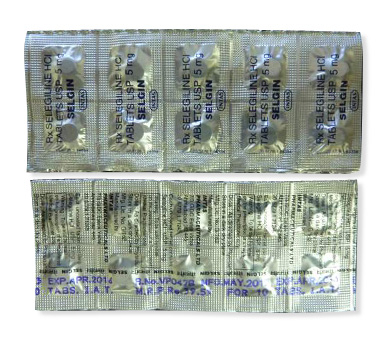
Ampicillin
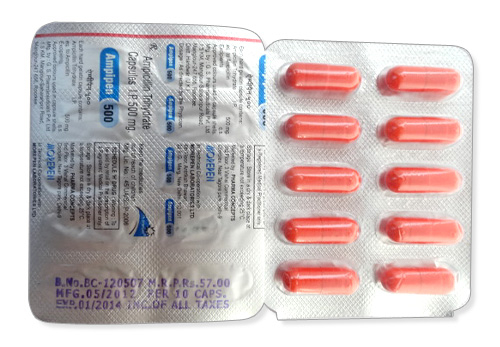
Ampicillin
- Ampicillin is a prescription-only antibiotic in regulated markets such as the UK, EU and USA, and is available through pharmacies and hospital suppliers under brand names such as Penbritin and as generic ampicillin. In some pharmacies, it may be possible to obtain ampicillin without a prescription, depending on local rules and supply practices.
- Ampicillin is used to treat susceptible bacterial infections, including respiratory, urinary, gastrointestinal and some serious systemic infections. It is a beta-lactam penicillin antibiotic that works by inhibiting bacterial cell wall synthesis.
- The usual adult dose is 250–500 mg every 6 hours by mouth for mild to moderate infections, or 1–2 g intravenously every 4–6 hours for severe infections. Doses must be adjusted for children and for renal impairment.
- The form of administration is capsules or tablets, oral suspension, and dry powder for injection for intravenous or intramuscular use.
- The effect of ampicillin begins after absorption, usually within about 30–60 minutes when taken orally; injected doses act more quickly, often within minutes.
- The duration of action is generally around 4–6 hours, which is why dosing is commonly repeated every 6 hours.
- Alcohol should be avoided or limited during treatment, as it may worsen stomach upset and make it harder to recover from infection.
- The most common side effects are nausea, diarrhoea, vomiting, mild skin rash, and oral or vaginal thrush.
- Would you like to try ampicillin without a prescription?
Ampicillin
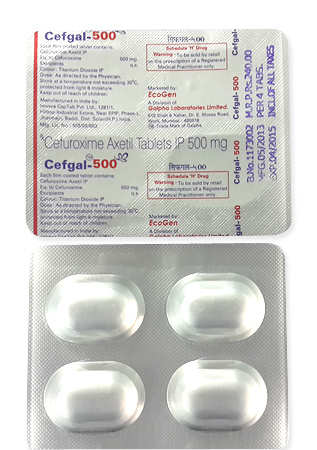
Basic Ampicillin Information
- INN (International Nonproprietary Name): Ampicillin
- Brand names available in United Kingdom: Penbritin; generic ampicillin
- ATC Code: J01CA01; J01CR01; J01CR50
- Forms & dosages: Capsules/Tablets 250mg, 500mg; Oral Suspension 125mg/5mL, 250mg/5mL; Dry powder for injection 250mg, 500mg, 1g, 2g
- Manufacturers in United Kingdom: not specified
- Registration status in United Kingdom: prescription only (Rx)
- OTC / Rx classification: prescription only (Rx)
Recent Trial Findings And What They Mean For Practice
Looking at ampicillin in 2022 to 2025, the picture is steady rather than dramatic.
Recent evidence continues to place ampicillin as a useful hospital antibiotic for susceptible Enterococcus, Streptococcus and selected Gram-negative infections when susceptibility supports narrow, targeted therapy.
That matters in UK practice because stewardship teams are trying to avoid broader agents when a classic beta-lactam will do the job.
For many clinicians, the key question is not whether ampicillin antibiotic still works, but whether it is the best fit for the organism, the site of infection and the patient’s renal function.
Inward hospital prescribing often favours IV use for severe infection, sepsis pathways and selected meningitis regimens, usually alongside other agents.
In the community, oral prescribing is more constrained because resistance is common and amoxicillin often offers better oral absorption and easier dosing.
One common pattern is the move towards combination therapy, especially where beta-lactamase inhibition broadens coverage.
That is why ampicillin for infection is still discussed alongside sulbactam-containing regimens and other hospital protocols.
Safety findings remain reassuringly predictable.
The main ampicillin side effects are rash, gastrointestinal upset and candidiasis, with rare but serious risks including anaphylaxis and C. difficile-associated colitis.
For patients, that usually translates into a straightforward message: the medicine is well understood, but allergy history and bowel symptoms need proper respect.
How Ampicillin Works In The Body
Ever wondered why a penicillin can make bacteria stop growing so quickly?
Ampicillin kills bacteria by stopping them from building a strong cell wall, so the bacteria burst and die.
It is a beta-lactam antibiotic and, more specifically, an extended-spectrum penicillin.
In practical terms, that means it can be very useful against the right organism, but it is still vulnerable to many beta-lactamases.
The ampicillin mechanism is based on binding to penicillin-binding proteins.
Once that happens, peptidoglycan cross-linking is inhibited, so the bacterial wall cannot be assembled properly.
Without a stable wall, the organism cannot maintain its structure during growth.
That is why ampicillin tablets, Penbritin capsules and IV preparations can have a real role when the microbiology is favourable.
The spectrum includes many streptococci, some enterococci and susceptible Enterobacteriaceae.
That spectrum is helpful, but it is not a free pass for resistant infections.
Clinically, that is the reason susceptibility testing matters so much with ampicillin capsules and injectable forms alike.
Approved Use And Off-Label Patterns In The United Kingdom
Is ampicillin the sort of medicine you can just pick up for a chest infection?
The short answer is no.
In the UK, use is prescription only and usually follows hospital or specialist guidance.
Penbritin UK has historically been recognised in practice, with formulations including capsules, oral suspension and injection vials.
Common authorised-type use centres on susceptible bacterial infections where the organism and site make ampicillin a sensible choice.
Off-label or protocol-driven use may occur in severe systemic infection, endocarditis support regimens and neonatal care, depending on local microbiology.
Community prescribing is much less common now because oral absorption is less convenient than amoxicillin and resistance patterns often favour other options.
That said, there are still situations where ampicillin for infection remains clinically relevant, particularly where local guidance and cultures point towards it.
For patients ordering through an online pharmacy, the access point is often about information first and treatment second.
In our online pharmacy, ampicillin is available without a prescription, with discreet delivery to United Kingdom in 5-14 days.
Even so, it remains important to treat it as a genuine antibiotic, not a casual self-care product.
Dose Selection And Practical Regimens
The most common question is simple: how much should be taken, and how often?
For adults with mild or moderate respiratory or urinary infection, the typical oral dose is 250-500 mg every 6 hours.
Oral ampicillin is usually taken 30 to 60 minutes before meals for better absorption.
That timing matters more than many people expect, especially if the aim is predictable blood levels across the day.
In severe infection, hospitalised patients may receive 1-2 g IV every 4 to 6 hours.
For meningitis, the usual specialist regimen is 1.5-2 g IV every 4 to 6 hours with other therapy.
Historically, uncomplicated gonorrhoea was treated with 3.5 g orally as a single dose plus probenecid, but this is now largely a historical protocol rather than routine community care.
Children are dosed by weight, typically 50-200 mg/kg/day depending on age and severity.
Older children may receive 50-100 mg/kg/day divided every 6 hours, with higher doses in meningitis or severe infection.
Renal impairment usually means extending the dosing interval and watching for accumulation.
For the elderly, there is no automatic dose reduction unless kidney or liver function is impaired.
When parents ask about Ampicillin 500mg capsules or Ampicillin 1g vial use, the answer always comes back to indication, age, infection severity and renal function.
Who Should Not Take It And What Side Effects Matter
Could a simple rash mean a serious allergy?
Yes, it can.
Do not use ampicillin in patients with known penicillin hypersensitivity or a previous severe beta-lactam allergy.
Extra caution is sensible in people with mononucleosis, eczema or atopic disease, and renal impairment.
The common ampicillin side effects are nausea, diarrhoea, vomiting, rash and candidiasis.
Some people also get a transient rise in liver enzymes.
Rare but urgent reactions include anaphylaxis, Stevens-Johnson syndrome, convulsions in overdose and pseudomembranous colitis.
Ampicillin allergy can present quickly, so breathing difficulty, swelling of the lips or face and a widespread rash need immediate attention.
If a patient says they had a penicillin reaction years ago, that history should be taken seriously rather than brushed aside.
For the person who gets ampicillin rash after a dose or two, the safer move is to stop and seek clinical advice rather than trying to “push through”.
Pregnancy and lactation are generally considered acceptable from a risk-benefit perspective, but the decision should still be individualised.
Interactions That Need A Closer Look
What can upset the effect of oral ampicillin more than people realise?
Food can.
Oral ampicillin is absorbed better before meals, so consistent timing helps exposure stay predictable.
That is why Ampicillin capsules are usually advised before food rather than after a late breakfast.
One important combination is probenecid and ampicillin.
Probenecid raises ampicillin levels, which can be useful in specific regimens, but it needs clinical oversight.
With high-dose IV use, it is sensible to monitor alongside other nephrotoxic drugs or medicines that lower the seizure threshold.
There is also practical counselling around oral contraceptives, where best practice and local guidance should be followed even though the evidence for a major effect is limited.
Patients who are juggling several prescriptions often find it easiest to keep ampicillin dosing fixed, with a reminder on the phone for every 6 hours.
That approach is especially helpful for Ampicillin tablets or capsules when the day is busy and meals are irregular.
What Patients Tend To Report In Real Life
Have you ever tried to take a medicine every six hours and found the schedule slipping by the second day?
That is one of the biggest patient experience issues with ampicillin.
UK feedback usually centres on GI upset, taste issues with liquid formulations and the inconvenience of frequent dosing.
Oral suspension is often preferred in children because swallowing capsules is difficult, but adults may find the flavour and timing less pleasant.
In conversation, people tend to compare ampicillin vs amoxicillin because amoxicillin is better known in primary care and easier to dose.
That is one reason ampicillin is discussed less often in public forums than in hospitals.
Common query themes include ampicillin side effects, ampicillin vs amoxicillin and ampicillin for UTI.
Those are sensible questions, because urinary infections are one of the common situations where susceptibility and oral practicality must line up before the choice makes sense.
For families dealing with a child’s ampicillin suspension, the main challenge is usually sticking with the schedule and keeping the bottle refrigerated once reconstituted.
Pack Sizes, Availability And Supply Context
What does this antibiotic usually look like when it turns up from a pharmacy or hospital store?
Common forms include capsules 250 mg and 500 mg, oral suspension 125 mg/5 mL or 250 mg/5 mL, and injection vials of 500 mg, 1 g or 2 g.
Penbritin is a familiar UK brand name, while generics are also used depending on supply.
Capsules and tablets are commonly seen in blister packs, strips or boxes of 10, 14 or 20.
Suspensions are generally supplied in amber or opaque bottles after reconstitution.
Injection powder comes as sealed dry vials for reconstitution, often in coloured glass or vacuum-sealed packaging.
Because ampicillin sale is prescription-led in normal regulated settings, most supply goes through pharmacies, hospitals and wholesalers rather than consumer retail.
Hospital procurement is often shaped by formulary contracts, tender pricing and stock availability.
That is also why Ampicillin 1g vial supply can vary from one site to another, especially during pressure on injectable stock.
How Ampicillin Compares With Common Alternatives
Why do many outpatient clinicians choose amoxicillin instead?
Because amoxicillin has better oral absorption and is usually more convenient.
Amoxicillin/clavulanate gives broader beta-lactamase coverage.
Piperacillin/tazobactam is used for severe hospital infections.
Penicillin V and penicillin G are narrower and situation-specific.
Ampicillin’s strength is familiarity, a well-established safety profile and usefulness for certain susceptible organisms in inpatient IV therapy.
Its limitation is the fit with resistant organisms and the less convenient oral dosing schedule.
For some patients, the real question is not ampicillin vs amoxicillin as a brand contest, but which aminopenicillin best matches the microbiology and route of treatment.
Where a penicillin allergy exists, beta-lactam alternatives may be needed, but that should always be guided by clinical assessment.
Regulatory Position And Stewardship In Practice
Is ampicillin still tightly controlled in the UK?
Yes.
Ampicillin is prescription only in regulated markets and used under professional supervision.
Its ATC classification is J01CA01 for single-substance ampicillin, with J01CR01 for combinations with enzyme inhibitors and J01CR50 for combinations of two or more penicillins.
That classification reflects its place among systemic antibacterials and extended-spectrum penicillins.
UK use is influenced by antimicrobial stewardship, local antibiograms and NHS formulary restrictions.
Product availability can vary by supplier and setting, especially for injectable stock.
That means even when a product exists on paper, the practical question may still be whether it is stocked locally and whether the organism is susceptible.
In everyday terms, regulation and stewardship push prescribers towards the narrowest sensible option, not the broadest one.
Common Questions About Ampicillin
What is ampicillin used for?
It is used for susceptible bacterial infections, especially in hospital settings.
Is it the same as amoxicillin?
No, they are related, but amoxicillin usually has better oral absorption.
Can it cause allergy?
Yes, and penicillin allergy can be severe and needs immediate attention.
Should oral doses be taken with meals?
Oral ampicillin is usually taken before meals.
What happens if a dose is missed?
Take it as soon as remembered unless it is nearly time for the next one, and do not double up.
Can it be used for UTI?
Sometimes, but only when the organism is susceptible and the prescribing clinician considers it appropriate.
These ampicillin FAQ points sound basic, yet they are the ones that prevent most avoidable problems.
For a patient who has just collected Penbritin capsules, the safest approach is still to read the label carefully and follow the exact schedule given.
How The Medicine Looks And How The Forms Differ
Can you tell the difference between the forms at a glance?
Usually, yes.
Capsules and tablets are often in blister packs, strips or boxes of 10, 14 or 20.
Ampicillin 500mg capsules are the familiar oral form many people recognise.
Oral suspension is supplied as powder for reconstitution in amber or opaque bottles.
Injection powder comes in sealed dry vials, commonly 500 mg or 1 g.
The suspension is usually mixed to 125 mg/5 mL or 250 mg/5 mL once prepared.
That is useful for children, where swallowing a capsule may be impractical.
Adults with strict schedules often prefer capsules because the dose is easier to carry, but the timing still needs discipline.
When a customer asks about Penbritin capsules, the packaging often matters as much as the dose because it influences adherence.
Storage, Transport And Stability
What happens if the bottle sits in a warm kitchen for a day?
That depends on the form, but storage instructions should be followed carefully.
Store ampicillin at 15-25°C, protected from light and moisture.
Reconstituted suspensions should be refrigerated at 2-8°C and used within 7-14 days.
Dry vials can usually stay at room temperature, but excessive heat and humidity should be avoided.
Freezing should be avoided, and cold-chain transport is not usually required except for prepared liquids.
For families and carers, this is especially relevant when Ampicillin suspension is used for a child and the bottle is moved between home, nursery and holiday travel.
Ampicillin vials are more stable in dry form, but once a liquid is prepared, the fridge becomes important.
That practical point is often what keeps a course effective rather than wasted.
Delivery Across United Kingdom
| City | Region | Delivery Time |
|---|---|---|
| London | Greater London | 5-7 days |
| Birmingham | West Midlands | 5-7 days |
| Manchester | North West England | 5-7 days |
| Glasgow | Scotland | 5-7 days |
| Leeds | West Yorkshire | 5-7 days |
| Liverpool | North West England | 5-7 days |
| Edinburgh | Scotland | 5-7 days |
| Bristol | South West England | 5-7 days |
| Cardiff | Wales | 5-7 days |
| Newcastle upon Tyne | North East England | 5-7 days |
| Nottingham | East Midlands | 5-9 days |
| Sheffield | South Yorkshire | 5-9 days |
| Coventry | West Midlands | 5-9 days |
| Belfast | Northern Ireland | 5-9 days |
How To Use It Safely And Correctly
The main rule is simple: follow the prescribed dose and timing exactly.
Ampicillin works best when blood levels are kept steady, which is why frequent schedules matter.
Finish the full course unless a clinician tells you otherwise.
If a dose is missed, take it as soon as remembered unless it is nearly time for the next one.
Do not take two doses together to make up for the miss.
Overdose may cause neuromuscular hyperexcitability, convulsions or kidney effects, so urgent medical help is needed if too much has been taken.
Seek immediate care for breathing difficulty, swelling, widespread rash or severe diarrhoea.
Those red-flag symptoms can signal allergy or a serious bowel reaction and should never be managed casually at home.
For the person balancing work, family and a q6h schedule, a phone alarm or medication app can make a real difference.
That small habit often determines whether Ampicillin tablets or capsules are taken correctly throughout the course.