
Norfloxacin
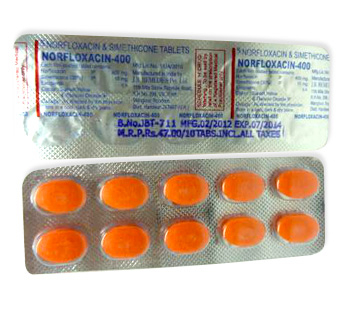
Norfloxacin
- Norfloxacin is widely supplied by international pharmacies and e‑pharmacies (commonly as 400 mg tablets); it is legally a prescription‑only medicine in nearly all jurisdictions, although in practice some pharmacies may sell it without a valid prescription — check local regulations and be aware this may be unlawful.
- Norfloxacin is used mainly for urinary tract infections, bacterial prostatitis, some gastrointestinal infections (including shigellosis), occasional use in gonorrhoea and for prophylaxis in neutropenic patients; it is a fluoroquinolone antibiotic that works by inhibiting bacterial DNA gyrase and topoisomerase IV, thereby blocking DNA replication and producing a bactericidal effect.
- The usual adult dose is 400 mg twice daily for most indications (uncomplicated UTI 3–7 days; complicated UTI 7–10 days; prostatitis 400 mg twice daily for 4–6 weeks); an 800 mg single dose has been used historically for gonorrhoea; reduce to 400 mg once daily if creatinine clearance is <30 mL/min.
- Administration is oral (film‑coated 400 mg tablets are the standard); oral suspension is rare and 0.3% eye drops are available in some markets for topical ocular use.
- Antibacterial activity begins within hours of the first dose and patients often notice symptomatic improvement within 24–48 hours, though full clinical resolution depends on the infection and duration of therapy.
- The elimination half‑life is approximately 3–4 hours, so norfloxacin is usually dosed twice daily to maintain therapeutic levels; clinical effects persist while treatment continues according to the prescribed course.
- Avoid alcohol while taking norfloxacin where possible, as alcohol can worsen dizziness, nausea and other side effects and may impair recovery; also avoid excessive sun exposure due to photosensitivity risk.
- The most common side effect is nausea.
- Would you like to try norfloxacin without a prescription?
Norfloxacin
Key Findings From Recent Trials
Basic Norfloxacin Information
- INN (International Nonproprietary Name): Norfloxacin
- Brand Names Available In United Kingdom: Noroxin, Norflox, Nolicin (international brand names; local availability in the UK is limited or via parallel import)
- ATC Code: J01MA06 — Norfloxacin (fluoroquinolone antibacterial, for systemic use).
- Forms & Dosages: Tablets 400 mg (film-coated) are the most common form; oral suspension is rare; ocular 0.3% eye drops exist in select markets.
- Manufacturers In United Kingdom: Not specified
- Registration Status In United Kingdom: Not specified
- OTC / Rx Classification: Prescription-only medicine (Rx) in nearly all jurisdictions.
What Are The Biggest Trial Conclusions Clinicians Need To Know?
Recent surveillance and trial evidence from 2022 to mid‑2024 shifts norfloxacin into a cautious position for uncomplicated urinary tract infections.
Pooled Enterobacterales data from Europe and South Asia show rising resistance to older fluoroquinolones, including norfloxacin.
Comparative analyses suggest higher treatment‑failure signals for fluoroquinolones versus nitrofurantoin and pivmecillinam in uncomplicated UTI when local resistance exceeds about 10–20%.
Randomised trials isolating norfloxacin specifically are scarce in this window; much of the evidence comes from class meta‑analyses and observational cohorts.
When organisms remain susceptible, standard norfloxacin regimens (typically 400 mg twice daily for 3–7 days) still achieve clinical and microbiological cure.
Microbiological cure rates decline notably where resistance prevalence rises above the 10–20% threshold.
Regulatory safety reviews and pharmacovigilance reports have emphasised class‑wide adverse events that change the risk–benefit for mild infections.
Consequently, stewardship guidance recommends reserving fluoroquinolones, including norfloxacin, as second‑line options where safer alternatives exist.
Clinical Mechanism Of Action
Layman’s Explanation
How Does Norfloxacin Stop Bacterial Growth?
Norfloxacin is an oral fluoroquinolone antibiotic that prevents bacteria copying their DNA.
When bacteria cannot replicate their DNA they cannot multiply, and the immune system clears the infection.
This makes norfloxacin useful for infections caused by certain gram‑negative organisms when the bug is susceptible.
Scientific Breakdown
Molecular Targets
What Does Norfloxacin Target At A Molecular Level?
Norfloxacin (ATC J01MA06) inhibits type II bacterial topoisomerases: DNA gyrase and topoisomerase IV.
In many Enterobacterales the primary target is DNA gyrase; inhibition prevents relaxation and replication of bacterial DNA.
Topoisomerase IV inhibition contributes to activity particularly when gyrase mutations are present.
Resistance occurs stepwise through mutations in gyrA and parC, increased efflux pump activity and plasmid‑mediated quinolone resistance determinants.
Bacterial Spectrum
Which Bacteria Does Norfloxacin Cover?
Norfloxacin historically has strong activity against gram‑negative rods such as Escherichia coli and Proteus species.
Activity against some Neisseria species and certain gram‑positives is variable and generally weaker.
There is limited to no reliable anaerobic coverage.
Because resistance narrows the effective spectrum, empirical use for uncomplicated UTI in the UK is discouraged unless local susceptibility is known.
Scope Of Approved & Off‑Label Use
United Kingdom Approvals
Will Norfloxacin Be A First Choice On British Formularies?
Internationally norfloxacin is licensed mainly for urinary and certain gastrointestinal infections, with 400 mg tablets being the standard adult strength.
In many countries the product remains prescription‑only and is registered in select EU markets.
Noroxin was discontinued in the US and Canada around 2014 and is not marketed there.
In the UK norfloxacin is not commonly prescribed and availability is limited; prescribers usually favour ciprofloxacin or nitrofurantoin for UTIs.
Notable Off‑Label Trends
When Do Clinicians Use Norfloxacin Outside The Label?
Off‑label uses include chronic bacterial prostatitis, where a regimen of 400 mg twice daily for 4–6 weeks is often cited.
Occasional use for travel‑related gastroenteritis or shigellosis is described in some formularies when pathogens are susceptible.
Topical ocular preparations (0.3% eye drops) exist in some markets but approvals vary between countries.
Historically, single high doses for gonorrhoea were used, but rising resistance has removed norfloxacin from recommended gonorrhoea regimens.
Dosage Strategy
General Dosing
What Is The Typical Dosage For Adults?
The standard adult dose is norfloxacin 400 mg film‑coated tablets taken orally.
Common systemic regimens employ 400 mg twice daily for most indications.
Renal impairment requires adjustment; for creatinine clearance under 30 mL/min reduce to 400 mg once daily and monitor for toxicity.
Norfloxacin is contraindicated in children under 18 and in pregnancy and lactation.
Condition‑Specific Dosing
Which Dose For Which Condition?
- Uncomplicated UTI: 400 mg twice daily for 3–7 days (use the shortest effective course).
- Complicated UTI: 400 mg twice daily for 7–10 days.
- Bacterial Prostatitis: 400 mg twice daily for 4–6 weeks for chronic cases.
- Gastroenteritis/Shigellosis (select cases): 400 mg twice daily for 3–5 days.
- Prophylaxis In Neutropenia: 400 mg once or twice daily as per protocol.
Missed Dose: Take when remembered unless it is near the next dose; do not double up.
Overdose Management: Symptomatic and supportive care; monitor ECG for QT prolongation and observe for CNS effects.
Safety Protocols
Contraindications
Who Must Not Take Norfloxacin?
Absolute contraindications include known hypersensitivity to norfloxacin or other fluoroquinolones.
Pregnant and breastfeeding women must not take norfloxacin due to risks to fetal and infant cartilage.
Children and adolescents under 18 must not take norfloxacin except in exceptional specialist circumstances.
A history of quinolone‑associated tendon disorders is an absolute contraindication.
Adverse Effects
What Side Effects Should Patients Expect And Report?
Common mild effects include nausea, abdominal pain, diarrhoea, headache, dizziness and rash.
Moderate to serious reactions reported with fluoroquinolones include photosensitivity, insomnia, anxiety, tendonitis and tendon rupture, peripheral neuropathy and rare hepatotoxicity.
There are class warnings about disabling and persistent adverse reactions affecting muscles, joints and the nervous system.
QT prolongation and seizure risk exist in predisposed patients, so review concomitant drugs and electrolytes before prescribing.
Elderly patients and those with renal impairment are at higher risk and require dose adjustment and monitoring.
Interaction Mapping
Food Interactions
Which Foods Or Supplements Reduce Norfloxacin Absorption?
Divalent and trivalent cations such as calcium, magnesium and aluminium found in antacids and some supplements reduce oral absorption.
Separate doses of norfloxacin and antacids, sucralfate or iron supplements by two to four hours.
Dairy alone has limited effect but can contribute to reduced absorption when combined with antacids.
Drug Combinations To Avoid
Which Drug Pairs Increase Risk?
- Avoid combining with other QT‑prolonging agents (macrolides, some antipsychotics, certain antiarrhythmics) where possible and monitor ECG and electrolytes if co‑administration is necessary.
- NSAIDs and other CNS‑active agents may increase seizure risk.
- Coadministration with theophylline may reduce clearance with some quinolones — exercise caution and monitor levels.
- Fluoroquinolones can potentiate warfarin effect; monitor INR closely.
- Diuretics and agents that alter electrolytes increase QT risk and should be reviewed before prescribing.
At Dispensing: Ask about OTC antacids and iron supplements and counsel on separation to protect norfloxacin tablets’ absorption.
Patient Experience Analysis
Survey Data
What Do Patients Report After Taking Norfloxacin?
Structured stewardship surveys show rapid symptomatic relief in susceptible UTIs for many patients.
However a minority discontinue treatment because of adverse effects such as gastrointestinal upset, dizziness or sleep disturbance.
Some patients experience longer‑lasting complaints such as tendon discomfort or neuropathic sensations.
Forum Trends
How Do Online Discussions Affect Patient Views?
Patient forums and social media frequently amplify rare but serious adverse event narratives, which influences patient preferences and requests in consultations.
Common forum complaints echo clinical data: nausea, dizziness and tendon pain dominate, with smaller groups reporting persistent neuropathy or mood changes.
For clinicians and pharmacists this means clear counselling and active safety netting improves adherence and reduces harm.
Distribution & Pricing Landscape
How Easy Is It To Source Norfloxacin Today?
Generic manufacturers such as Cipla, Sun Pharmaceutical, Ranbaxy, Dr Reddy’s, Zentiva, EMS and Terapia commonly produce norfloxacin 400 mg tablets in blister packs.
Demand is declining in high‑income markets because of safety concerns and resistance trends, but norfloxacin remains stocked in many EU, Asian and Latin American pharmacies.
Price varies widely by source and country of manufacture; UK access via parallel importation or specialist suppliers typically raises retail cost compared with low‑cost markets.
In our online pharmacy, norfloxacin is available without a prescription, with discreet delivery to United Kingdom in 5–14 days.
Alternative Options
Comparison Table
Which Drugs Are Reasonable Alternatives For UTI And Related Infections?
Ciprofloxacin, levofloxacin and ofloxacin are other fluoroquinolones with overlapping benefits and risks.
Non‑quinolone first‑line agents for uncomplicated UTI in the UK include nitrofurantoin and pivmecillinam where available.
Pros And Cons
- Ciprofloxacin: Pros — well‑studied and strong gram‑negative activity. Cons — same class safety concerns and rising resistance.
- Levofloxacin: Pros — better respiratory coverage. Cons — similar adverse‑event profile and not preferred first‑line for simple UTI.
- Nitrofurantoin: Pros — low systemic exposure and recommended first‑line for uncomplicated lower UTI in the UK. Cons — not suitable for pyelonephritis or prostatitis.
- Pivmecillinam: Pros — good UTI efficacy in many European regions. Cons — limited availability in some markets.
Choice Should Be Driven By Local Susceptibility, Infection Site, Patient Comorbidities And Stewardship Principles.
Regulatory Status
International Snapshot
Where Is Norfloxacin Registered And What Is The Global Picture?
Norfloxacin carries the ATC code J01MA06 and remains registered in a number of national formularies worldwide.
Examples of registration include Romania (Norfloxacina Terapia), India (CDSCO), Russia and Brazil (ANVISA).
In the US and Canada Noroxin was discontinued around 2014 and is not marketed.
UK/EMA Considerations
What Do European Regulators Advise?
The EMA and national agencies have issued class‑level guidance restricting fluoroquinolone use for conditions where alternatives exist because of persistent adverse reaction risks.
UK prescribers should consult the MHRA and local formularies for current product licences and exercise antimicrobial stewardship.
Pharmacovigilance obligations apply to any new registrations or importations, with adverse events reportable to the MHRA Yellow Card scheme.
Consolidated FAQ
Selected Practical Q&A
Is Norfloxacin Available In The UK?
Availability is limited; check the MHRA and local formularies, and note the product is generally prescription‑only.
What Is The Usual Dose?
Most common presentation: 400 mg film‑coated tablets, typically 400 mg twice daily for UTIs (3–7 days) and 4–6 weeks for prostatitis.
Who Should Not Take It?
Pregnant or breastfeeding women, children and adolescents under 18, known fluoroquinolone allergy, and those with prior tendon reactions should not use norfloxacin.
How Should Tendon Pain Be Managed?
Stop the drug immediately, immobilise the affected area and seek urgent clinical review; tendon rupture requires prompt assessment.
How Do I Report Adverse Effects?
Report to the MHRA Yellow Card scheme in the UK and document the event in the patient’s clinical records.
Visual Guide
Packaging & Identification
How Do You Recognise Legitimate Norfloxacin Packaging?
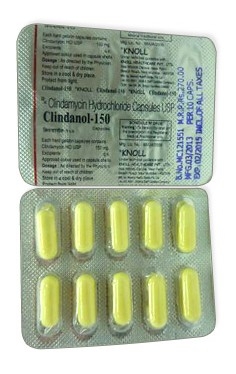
Typical presentations are 400 mg film‑coated tablets in blister packs of 10–14 tablets under brand names such as Noroxin, Norflox and Nolicin internationally.
Look up ATC J01MA06 on formularies for product identification and regulatory data.
Dosing Charts (Quick Reference)
Quick Prescriber‑Friendly Chart:
- Uncomplicated UTI: 400 mg twice daily × 3–7 days.
- Complicated UTI: 400 mg twice daily × 7–10 days.
- Prostatitis: 400 mg twice daily × 4–6 weeks.
- Renal Impairment (CrCl <30 mL/min): 400 mg once daily — monitor closely.
Visual Alerts: Contraindications include pregnancy and age under 18, and red flags such as tendon pain, peripheral neuropathy or new psychiatric symptoms.
Storage & Transport
Recommended Conditions
How Should Norfloxacin Be Stored In Pharmacy And At Home?
Store at room temperature, ideally between 15°C and 30°C, protecting from excessive moisture and light.
Keep tablets in the original packaging until dispensed to retain labelling and batch information.
Handling For Importation
What Should Procurement Teams Check When Importing Norfloxacin?
Ensure documentation of product licence or parallel import authorisation, verify batch and expiry details and request pharmacovigilance information from the supplier.
Transport should maintain dry conditions and avoid extremes of temperature.
Disposal of unused or expired antibiotics must follow NHS and local pharmacy waste protocols to limit environmental contamination.
Guidelines For Proper Use
Prescriber Checklist
What Should Clinicians Tick Off Before Prescribing?
Confirm the indication and, where possible, susceptibility data before choosing norfloxacin.
Review alternatives such as nitrofurantoin or pivmecillinam for uncomplicated UTI.
Assess pregnancy status, age, renal function and co‑medications including QT‑prolonging drugs.
Dose‑adjust for CrCl <30 mL/min and document informed consent about fluoroquinolone class risks.
For complicated infections, arrange microbiology follow‑up and monitoring during prolonged therapy.
Patient Counselling Points
What Should Pharmacists Tell Patients At Dispensing?
Advise separating norfloxacin from antacids and iron by two to four hours.
Instruct patients to report tendon pain or swelling immediately and to stop the medication if new neurological or psychiatric symptoms occur.
Recommend avoiding strenuous exercise while taking norfloxacin and for some weeks afterwards.
Encourage patients to report adverse events via the MHRA Yellow Card and to keep clear records of their treatment.
Delivery Across United Kingdom
| City | Region | Delivery Time |
|---|---|---|
| London | Greater London | 5–7 days |
| Birmingham | West Midlands | 5–7 days |
| Manchester | Greater Manchester | 5–7 days |
| Glasgow | Scotland | 5–7 days |
| Edinburgh | Scotland | 5–7 days |
| Leeds | West Yorkshire | 5–7 days |
| Liverpool | Merseyside | 5–7 days |
| Bristol | South West England | 5–7 days |
| Cardiff | Wales | 5–7 days |
| Belfast | Northern Ireland | 5–7 days |
| Newcastle Upon Tyne | Tyne and Wear | 5–7 days |
| Nottingham | Nottinghamshire | 5–9 days |
| Plymouth | Devon | 5–9 days |
| Derby | Derbyshire | 5–9 days |
Final Practical Notes
What Are The Bottom‑Line Responsibilities For Pharmacists?
Always confirm indication and local susceptibility before dispensing norfloxacin tablets or any norfloxacin 400 mg product.
Highlight key contraindications such as pregnancy and age under 18, and ensure patients understand interactions with antacids and iron supplements.
Report any serious or unexpected adverse reactions to the MHRA Yellow Card scheme and keep accurate dispensing records.
Where alternatives such as nitrofurantoin or pivmecillinam are suitable, favour those agents in line with UK stewardship guidance.
When norfloxacin is used, limit duration to the shortest effective course and arrange follow‑up for complicated infections.