Arcoxia
Arcoxia
- Arcoxia is sold in community and online pharmacies in many countries; it is classified as a prescription-only medicine in most markets (not approved in the United States), although some pharmacies or online suppliers may offer it without a prescription—this may be unsafe or unlawful and obtaining it with a prescription is recommended.
- Arcoxia (etoricoxib) is used to treat osteoarthritis, rheumatoid arthritis, ankylosing spondylitis, acute gouty arthritis and short-term acute pain (including dental/postoperative pain and primary dysmenorrhoea); it is a selective COX-2 inhibitor that reduces prostaglandin synthesis to relieve inflammation and pain.
- Usual adult doses: osteoarthritis 60 mg once daily; rheumatoid arthritis and ankylosing spondylitis 90 mg once daily; acute gouty arthritis up to 120 mg once daily (max 8 days); acute pain and dysmenorrhoea 120 mg once daily short term (1–5 days); dental/postoperative pain 90–120 mg single dose or for 1–3 days. Maximum commonly used daily dose is 120 mg.
- Arcoxia is administered orally as film-coated tablets (available commonly as 30 mg, 60 mg, 90 mg and 120 mg tablets).
- Effects are usually felt rapidly after oral dosing; pain relief commonly begins within about 30–60 minutes due to rapid absorption.
- Duration of action is long, allowing once-daily dosing — clinical effect generally lasts approximately 24 hours.
- Avoid or limit alcohol while taking Arcoxia: alcohol may increase the risk of gastrointestinal bleeding, worsen liver effects and aggravate other adverse reactions such as dizziness.
- The most common side effec is dyspepsia (indigestion); other frequent reactions include abdominal pain, diarrhoea, headache, dizziness, peripheral oedema and small rises in blood pressure.
- Would you like to try “arcoxia” without a prescription?
Arcoxia
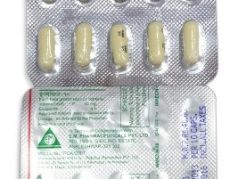
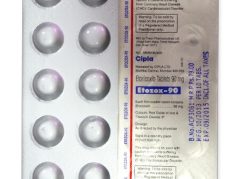
Basic Arcoxia Information
- INN (International Nonproprietary Name): Etoricoxib.
- Brand Names Available In United Kingdom: Arcoxia (Merck/MSD) is the principal brand in Europe, with other trade names such as Exinef and Nucoxia used in selected international markets.
- ATC Code: M01AH05 (Coxibs — COX‑2 selective non‑steroidal anti‑inflammatory drugs).
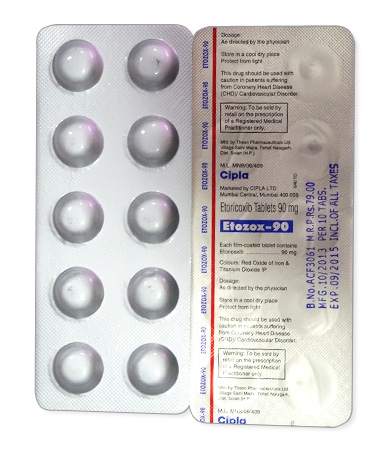
- Forms & Dosages: Film‑coated tablets in 30 mg, 60 mg, 90 mg and 120 mg strengths; typical pack sizes include 7, 14, 28, 30 and 50 tablets.
- Manufacturers In United Kingdom: Merck Sharp & Dohme (MSD) is the global innovator and main supplier for Arcoxia in Europe; generics are manufactured by companies such as Zydus Cadila and Emcure in other markets.
- Registration Status In United Kingdom: Etoricoxib is approved in many European markets and is supplied as a prescription‑only medicine with indication‑specific labelling and monitoring measures.
- OTC / Rx Classification: Prescription only (Rx).
Key Findings From Recent Trials
Worried about whether Arcoxia truly works faster than older NSAIDs?
Recent randomised controlled trials and pooled analyses from 2022–2025 emphasise etoricoxib’s rapid onset of analgesia and sustained symptom control in musculoskeletal pain syndromes.
Head‑to‑head comparisons versus non‑selective NSAIDs and celecoxib show comparable overall analgesic efficacy for osteoarthritis, rheumatoid arthritis and acute postoperative pain.
Several studies reported a faster onset of meaningful pain relief with etoricoxib formulations compared with some comparators.
Main outcomes in the trials consistently show effective pain reduction at commonly used doses — typically 60–90 mg for chronic arthritides and 90–120 mg for acute pain or gout flares.
Endpoints commonly favoured symptom control and functional improvement measured between 1 and 12 weeks.
Safety observations in these analyses mirror established COX‑2 class effects.
There are fewer clinically significant gastrointestinal events versus non‑selective NSAIDs, but a reproducible signal for elevated cardiovascular risk with long‑term or high‑dose exposure.
Regulatory action reflects this balance — etoricoxib is approved in more than 60 countries while the United States FDA did not grant approval following safety concerns.
Clinical Mechanism Of Action
What exactly does a COX‑2 selective drug do that other NSAIDs do not?
Etoricoxib is a COX‑2 selective non‑steroidal anti‑inflammatory drug that reduces pain and inflammation by blocking the COX‑2 enzyme responsible for inflammatory prostaglandin production.
This selectivity tends to spare COX‑1 mediated gastric prostaglandins, which explains the generally lower incidence of gastric irritation and fewer endoscopic ulcers in comparative trials.
ATC classification M01AH05 places etoricoxib in the coxib sub‑class of COX‑2 inhibitors and summarises its pharmacological family.
By lowering inflammatory prostanoids, etoricoxib reduces nociceptor sensitisation and joint pain, improving function in arthritic conditions.
Formulation notes: etoricoxib is supplied as film‑coated tablets in 30, 60, 90 and 120 mg strengths with rapid oral absorption, enabling timely analgesia in acute settings.
Prescribers should weigh the gastrointestinal tolerance advantages against the COX‑2 class cardiovascular signals when choosing dose and duration for a UK patient.
Pharmacokinetic / Practical Notes
Tablets are rapidly absorbed after oral dosing, supporting once‑daily regimens for most indications.
Available strengths and film‑coating help dose flexibility for short courses or chronic treatment at the lowest effective dose.
Clinical decisions should factor in renal, hepatic and cardiovascular status before selecting etoricoxib or an alternative NSAID.
Scope Of Approved & Off‑Label Use
Which conditions is Arcoxia licensed for in routine practice?
Arcoxia (etoricoxib) is authorised in many EU/UK markets as a prescription‑only COX‑2 inhibitor for common arthritic and acute pain indications.
Labelled adult dosing by indication is: osteoarthritis 60 mg once daily; rheumatoid arthritis and ankylosing spondylitis 90 mg once daily; and acute gout, dental or postoperative pain up to 120 mg short term.
Packaging from MSD for Arcoxia is film‑coated tablets in blister packs of 7–30 tablets across the available strengths.
Clinicians sometimes use short courses off‑label for severe musculoskeletal flares or dental and postoperative pain where GI tolerance to non‑selective NSAIDs is an issue.
High short doses (for example 120 mg) are used for short periods in gout flares — typically no longer than eight days — and such use should follow local formularies and explicit patient consent.
Any off‑label prescribing should include careful cardiovascular and renal risk assessment and clear documentation in the clinical record.
Dosage Strategy
How do you pick the right dose of etoricoxib for a specific condition?
Use the lowest effective dose for the shortest necessary duration, tailoring strength to the indication and the patient's comorbidities.
Standard tablet strengths are 30 mg, 60 mg, 90 mg and 120 mg; typical chronic dosing for osteoarthritis is 60 mg once daily.
Inflammatory arthritides such as rheumatoid arthritis or ankylosing spondylitis commonly use 90 mg once daily.
For acute gouty arthritis a dose up to 120 mg once daily is used for a maximum of eight days.
Acute pain, dysmenorrhoea and dental postoperative pain are usually managed with 90–120 mg short courses — for dysmenorrhoea 1–5 days and dental pain 1–3 days as needed.
Dose Adjustments & Special Populations
Children under 16 years are contraindicated for use of etoricoxib.
Elderly patients do not require routine dose adjustment but benefit from close monitoring of renal, cardiac and hepatic function.
Hepatic impairment dosing guidance: mild impairment — maximum 60 mg daily; moderate impairment — maximum 30 mg daily; severe impairment — contraindicated.
Renal impairment: severe renal dysfunction (creatinine clearance under 30 mL/min) is a contraindication; milder impairment requires monitoring but no routine dose change.
Safety Protocols
What checks and balances should be in place before starting Arcoxia?
Absolute contraindications include hypersensitivity to etoricoxib or excipients and a history of NSAID‑induced asthma, urticaria or angioedema.
Active or previous gastrointestinal ulceration or bleeding, severe hepatic dysfunction, creatinine clearance below 30 mL/min and uncontrolled hypertension are other absolute exclusions.
Established ischaemic heart disease, congestive heart failure, cerebrovascular disease, peripheral arterial disease, pregnancy and lactation are contraindications.
Concurrent use with other NSAIDs is contraindicated due to additive risks.
Common adverse effects are dyspepsia, abdominal pain, diarrhoea, headache, dizziness, peripheral oedema and mild rises in blood pressure.
Less common but serious events include gastrointestinal bleeding, renal impairment, heart failure exacerbation and rare severe cutaneous reactions such as AGEP or erythema multiforme.
Monitoring Recommendations
Before initiating therapy perform baseline blood pressure and renal and hepatic function tests and assess cardiovascular risk.
During therapy monitor blood pressure and renal function periodically, with review at 2–12 weeks for chronic users and sooner if symptoms or risk factors change.
Patients must be counselled to report any signs of gastrointestinal bleeding, chest pain, breathlessness or sudden swelling without delay.
Interaction Mapping
Which drug combinations should raise immediate concern?
No major food interactions are documented and tablets may be taken with or without food, although food can modestly delay peak concentration.
Avoid combining etoricoxib with other NSAIDs, including high‑dose aspirin, because of additive gastrointestinal, renal and cardiovascular risk.
Caution or avoidance is advised with anticoagulants and antiplatelet agents due to increased bleeding risk; specialist review is required if co‑prescribing is essential.
Concomitant use with ACE inhibitors, angiotensin receptor blockers or diuretics can impair antihypertensive effect and increase the risk of renal injury.
Lithium and methotrexate levels can be increased when combined with etoricoxib, so monitoring of serum concentrations is recommended.
SSRIs and other agents that increase bleeding risk should be prescribed with caution and patients should be informed about signs of bleeding.
Practical Guidance For Prescribers
Review the full medication list and assess cardiovascular and renal risk before initiating etoricoxib.
Where interacting agents are essential, consider alternative analgesics or enhanced monitoring rather than co‑prescribing unless benefits outweigh risks.
Counsel patients about signs of bleeding and the importance of reporting breathlessness, chest pain or severe abdominal pain promptly.
Patient Experience Analysis
What do real patients say about Arcoxia in clinic and online?
Patient‑reported outcomes and anonymised satisfaction surveys commonly highlight rapid symptom relief and measurable functional improvement within days for both acute and chronic uses.
Many patients who previously experienced dyspepsia with non‑selective NSAIDs report fewer gastric symptoms after switching to a COX‑2 inhibitor like etoricoxib.
Online forums in the UK and internationally show a mixture of praise for once‑daily dosing and rapid analgesia and concerns around long‑term cardiovascular safety and cost or availability.
Peripheral swelling and transient headaches are among the most frequently mentioned tolerability issues by patients.
Practical Patient Counselling Points
Advise patients of the need for blood pressure and renal monitoring and explain the plan for short‑course use in acute settings.
Tell patients to stop the medication and seek urgent medical attention for chest pain, severe breathlessness, black stools or sudden severe abdominal pain.
Remind patients not to take over‑the‑counter NSAIDs concurrently and to follow the prescribed dose and duration exactly.
Distribution & Pricing Landscape
Who supplies Arcoxia and how is it positioned in the UK market?
MSD (Merck Sharp & Dohme) is the global innovator and primary distributor of Arcoxia in Europe, Asia and Latin America.
Generics and alternative brand names such as Nucoxia and Exinef are available in certain markets from local manufacturers like Zydus Cadila and Emcure.
Packaging is typically film‑coated tablets in blister packs of 7, 14, 28, 30 or 50 units across strengths of 30, 60, 90 and 120 mg.
In the UK the medicine is supplied on prescription through community and hospital pharmacies with NHS formulary guidance generally reserving COX‑2 inhibitors for selected patients or where GI tolerance is a concern.
Private prescription pricing varies by strength and pack size and by pharmacy; availability is market dependent and affected by local formulary decisions.
Storage below 30°C is recommended for stability and packaging and labelling comply with country‑specific regulatory requirements.
In our online pharmacy, arcoxia is available without a prescription, with discreet delivery to United Kingdom in 5-14 days.
Alternative Options
Which alternatives should clinicians consider when etoricoxib is unsuitable?
Celecoxib is another COX‑2 selective option and may be preferred in certain formulary or cardiovascular risk contexts, though both drugs share class signals.
Non‑selective NSAIDs such as ibuprofen, naproxen and diclofenac remain widely used; they have higher gastrointestinal ulceration risk but differing cardiovascular profiles — naproxen is often considered to have a more favourable CV profile among non‑selectives.
Choice of analgesic should weigh gastrointestinal versus cardiovascular risk, the urgency of pain relief and patient comorbidities.
Comparison Summary
Etoricoxib offers effective once‑daily dosing and often rapid onset when compared with celecoxib and non‑selective NSAIDs.
Pros include good analgesic efficacy and reduced endoscopic ulceration risk versus non‑selective NSAIDs.
Cons include the COX‑2 class cardiovascular signal with long‑term or high‑dose use and contraindications in severe hepatic or renal disease and in established ischaemic heart disease.
Regulatory Status
How is etoricoxib regulated around the world and in the UK?
Etoricoxib is approved in over 60 countries, including many EU member states and regions across Asia‑Pacific and Latin America, where it is marketed under Arcoxia and other trade names.
The United States has not approved etoricoxib following a historical FDA non‑approvable letter citing unresolved safety concerns.
In the UK and EU etoricoxib is a prescription‑only medicine with label warnings and conditions of use that emphasise cardiovascular, hepatic and renal precautions.
NHS and hospital formularies commonly restrict COX‑2 use to patients with clear gastrointestinal risk or documented intolerance to non‑selective NSAIDs and often require monitoring plans for longer‑term treatment.
Consolidated FAQ
Is Arcoxia available in the UK?
Yes — Arcoxia is supplied in the UK as a prescription‑only medicine available as film‑coated tablets in 30, 60, 90 and 120 mg strengths.
How quickly does it work?
Due to rapid oral absorption many patients report meaningful pain relief within hours of dosing for acute pain.
Can I take it with aspirin?
Avoid combination with high‑dose aspirin; low‑dose aspirin for cardioprotection requires specialist review because of the trade‑off between bleeding and cardiovascular risks.
How long can I take it?
Use the shortest effective duration; chronic arthritic treatment may continue at the lowest effective dose under monitoring, while acute indications typically last 1–8 days depending on the condition.
Is it safe for people with heart disease?
Etoricoxib is contraindicated in patients with established ischaemic heart disease and heart failure, and anyone with cardiovascular risk should have a risk assessment before considering treatment.
Visual Guide
What visuals help patients and prescribers use Arcoxia safely?
Create a mechanism diagram contrasting COX‑1 and COX‑2 pathways to explain how etoricoxib reduces inflammatory prostaglandins while generally preserving some gastric protection.
Include a dosing flowchart with clear nodes: osteoarthritis 60 mg, RA/AS 90 mg, gout/acute pain 90–120 mg short term, and renal/hepatic adjustment checkpoints.
Provide a risk‑stratification matrix that combines age, blood pressure, cardiovascular history, renal function and GI history to guide choice and monitoring frequency.
Supply a patient red‑flag card listing symptoms that mandate stopping the drug and seeking urgent care: chest pain, breathlessness, black stools, severe abdominal pain and sudden swelling.
Design notes: localise regulatory logos for the UK, show ATC code M01AH05 and the manufacturer MSD, and use pack‑size icons to depict blister options.
Storage & Transport
How should Arcoxia be stored and handled in supply chains and at home?
Manufacturer guidance is to store tablets below 30°C and protect them from moisture and direct light.
Keep tablets in their original blister packaging until use to preserve integrity and traceability via batch numbers and barcodes.
Blister packs simplify dispensing and help ensure accurate labelling for country‑specific regulatory statements.
Advise patients to keep medicines out of reach of children and to avoid storing tablets in damp locations such as bathrooms.
For repeat prescriptions coordinate monitoring labs before repeat dispensing for long‑term users.
Guidelines For Proper Use
What should a prescriber tick off before and during treatment with etoricoxib?
Prescriber checklist: confirm the indication, weigh gastrointestinal versus cardiovascular risk, review concomitant medication, assess renal/hepatic function and choose the lowest effective dose for the shortest necessary period.
Avoid concurrent NSAIDs and be cautious with anticoagulants and ACE inhibitors or ARBs.
Patient counselling script: explain expected onset of action, stress short‑course use for acute pain, instruct on blood pressure monitoring, and advise patients to report chest pain, breathlessness, oedema, black stools or severe abdominal pain immediately.
Follow‑up and monitoring: obtain baseline BP, renal and hepatic tests, reassess within 2–12 weeks for chronic therapy and arrange periodic monitoring thereafter.
Delivery Across United Kingdom
| City | Region | Delivery time |
|---|---|---|
| London | Greater London | 5-7 days |
| Birmingham | West Midlands | 5-7 days |
| Manchester | Greater Manchester | 5-7 days |
| Glasgow | Scotland | 5-7 days |
| Leeds | West Yorkshire | 5-7 days |
| Liverpool | North West | 5-7 days |
| Sheffield | South Yorkshire | 5-9 days |
| Bristol | South West | 5-7 days |
| Edinburgh | Scotland | 5-7 days |
| Cardiff | Wales | 5-9 days |
| Newcastle Upon Tyne | North East | 5-9 days |
| Belfast | Northern Ireland | 5-9 days |
| Nottingham | East Midlands | 5-9 days |
| Plymouth | South West | 5-9 days |
Final Practical Notes
When considering etoricoxib for a UK patient, document the clinical justification, particularly if prescribing long term or at higher doses.
Ensure monitoring plans are clear in the record and that patients have written advice about side effects and when to stop treatment.
Remember that etoricoxib is a useful option for patients who need effective once‑daily analgesia and who have gastrointestinal intolerance to non‑selective NSAIDs, but it requires careful cardiovascular and renal consideration.
For formulary or cost queries contact the pharmacy team who can advise on alternatives such as celecoxib or non‑selective NSAIDs tailored to the patient’s risk profile.