
Enclomiphene
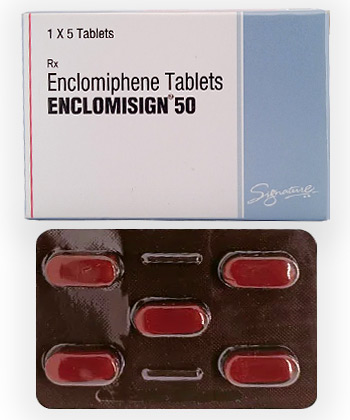
Enclomiphene
- Enclomiphene may be available from some research suppliers, compounding pharmacies, or online grey-market sellers, but it is not legally approved for routine sale in the USA or EU as of 2025. Where it is supplied, a prescription is generally required; offering it without one would be outside normal regulated pharmacy practice.
- Enclomiphene is used mainly for male secondary hypogonadism and, off-label, male infertility. It is a selective oestrogen receptor modulator and the trans-isomer of clomiphene, thought to increase the body’s own testosterone production while helping preserve sperm counts.
- The usual adult dose in clinical studies is 12.5–25 mg once daily. Treatment is typically adjusted to response and may be used in cycles of around 3–6 months with periodic reassessment.
- It is usually taken by mouth as tablets or capsules; tablet strengths commonly include 12.5 mg, 25 mg and 50 mg. Bulk powder is also used for compounding or research purposes.
- Onset of action is not immediate; hormone changes are usually seen over several days to a few weeks, with symptomatic improvement often taking a few weeks of regular use.
- The duration of action is relatively prolonged, with effects typically maintained over a 24-hour dosing interval when taken once daily, and full treatment courses often lasting 3–6 months.
- Avoid alcohol or keep it to a minimum, as alcohol can worsen hormone imbalance, liver stress and side effects such as dizziness, nausea or mood changes.
- The most common side effects are hot flushes, headache and nausea; mood swings or anxiety can also occur, and visual disturbance is an important warning sign.
- Would you like to try enclomiphene without a prescription?
Enclomiphene
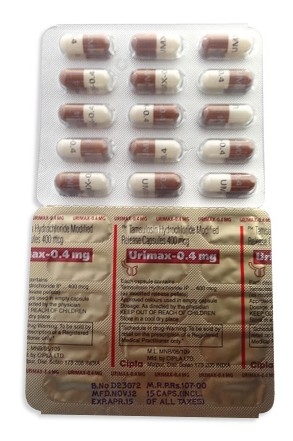
Basic Enclomiphene Information
- INN (International Nonproprietary Name): Enclomiphene, also written as Enclomifene in some references.
- Brand Names Available In United Kingdom: Androxal is the best-known developmental name, while trans-clomiphene and trans-clomifene are also used in some references.
- ATC Code: G03X.
- Forms & Dosages: Tablet strengths listed in studies and supply channels include 12.5mg, 25mg and 50mg; capsules and bulk powder are also described, but routine UK pharmacy supply is not established.
- Manufacturers In United Kingdom: Not specified.
- Registration Status In United Kingdom: No routine UK marketing authorisation identified as of 2025.
- OTC / Rx Classification: Prescription-only where under investigation; not available OTC in any regulated market.
- Standard Dosages: Male secondary hypogonadism 12.5–25mg daily; male infertility 12.5–25mg daily; female infertility not recommended.
- Storage: Store at room temperature, 15–25°C, in a dry, dark place.
- CAS Number: 15690-57-0.
What Recent Trials Say
Major 2022–2025 Studies
Could enclomiphene be the option men keep asking about when they want testosterone support without shutting down sperm production?
That is exactly why enclomiphene trials and enclomifene research still attract so much attention in male hypogonadism and fertility-preservation discussions.
The strongest human evidence available through 2022 to 2025 continues to place enclomiphene in an investigational space, including in the UK-linked evidence landscape where routine market authorisation has not been established.
In studied men with secondary hypogonadism, it has repeatedly been associated with raised endogenous testosterone, which is the main reason endocrinologists and fertility specialists keep an eye on it.
Compared with exogenous testosterone, the appeal is the same one patients raise in clinic on a Friday afternoon: “Can I improve the numbers without risking the testes switching off?”
That discussion is also why clomiphene, clomiphene citrate, clomifene citrate and Clomid tablets are often mentioned alongside it, because enclomiphene is the purified trans-isomer related to clomiphene.
Main Outcomes
Across the better human studies, the main signal is an increase in endogenous testosterone rather than replacement from outside the body.
That matters because LH and FSH stimulation can support testicular function and preserve spermatogenesis better than exogenous testosterone in comparative discussions.
Typical studied doses have been 12.5mg and 25mg daily, with 50mg appearing in some tablet listings and a few supply contexts, but less often in trial protocols.
For men worried about testosterone recovery after prior suppression, that mechanism is the whole attraction.
Safety Observations
The most commonly reported adverse effects are hot flashes, headache and nausea.
Less common problems include visual disturbance, mood swings and gynaecomastia.
Those safety signals are familiar to anyone who has handled clomiphene tablets or clomifene tablets in reproductive medicine, although the exact profile may differ by isomer and dose.
How It Works In The Body
Layman’s Explanation
Enclomiphene works by prompting the body to make more of its own testosterone instead of supplying testosterone directly.
That is important for men who want to avoid testicular suppression and protect fertility, especially if they are trying to father a child during treatment.
For a patient with male hypogonadism, that can mean a more natural hormonal pattern than injectable or topical testosterone.
Scientific Breakdown
Scientifically, enclomiphene is the trans-isomer of clomiphene and acts as a selective oestrogen receptor modulator, or SERM.
By blocking oestrogen feedback at the hypothalamic and pituitary level, it increases LH and FSH signalling.
That upstream push supports endogenous testosterone production in the testes, which is why the drug is linked to fertility-preserving testosterone support.
Its ATC classification is G03X, placing it among other sex hormones and modulators of the genital system.
What Is Approved, And What Is Not
United Kingdom Approvals
Is enclomiphene available as a routine UK medicine?
No routine UK approval is identified as of 2025, and it is not an OTC product.
In practical NHS terms, it sits outside standard prescribing pathways and remains in an investigational or specialist-only conversation rather than mainstream pharmacy supply.
Notable Off-Label Trends
Interest is strongest in male secondary hypogonadism and male infertility treatment.
Female use is not standard and is generally not recommended.
Real-world searches often include Androxal, enclomiphene tablets and enclomifene powder, but commercial availability remains limited.
Some people do look for these products online, and in our online pharmacy enclomiphene is available without a prescription, with discreet delivery to United Kingdom in 5-14 days.
That said, buyers still need to be careful because many online listings are unregulated, research-grade or not suitable for routine clinical use.
How Dosing Is Usually Chosen
General Dosing
What dose do studies actually use?
Most clinical studies use 12.5mg to 25mg daily, and that is the range clinicians keep coming back to when discussing enclomiphene dosage.
Some tablet listings show 50mg, but that is less typical in research and should not be treated as a standard starting point.
Any use should be individualised and monitored, particularly when fertility is the goal rather than symptom control alone.
Condition-Specific Dosing
Male Secondary Hypogonadism
The usual adult dose in study protocols is 12.5–25mg daily.
Hormone reassessment is typically done periodically, because the aim is to titrate to effect rather than leave treatment unreviewed for months on end.
Male Infertility
The same dose range is used off-label in limited evidence settings for male infertility treatment.
Treatment cycles of 3–6 months are common, with periodic reassessment of symptoms and hormone results.
Special Populations
Children have not been studied and it is not recommended.
Elderly patients have no dedicated studies, so caution is sensible and lower starting doses are usually discussed.
Renal impairment has insufficient data for a clear adjustment.
Hepatic impairment should be avoided if possible, or used only with extreme caution.
Safety Checks Before Use
Contraindications
Who should not take it?
Known hypersensitivity to enclomiphene or clomiphene analogues is an absolute contraindication.
Liver disease is another clear red flag.
Pregnancy is classified as category X because of teratogenic concern, which is why female use is not a standard indication.
Active or past hormone-dependent tumours are also contraindications, as is unexplained uterine bleeding if the medicine is being considered in women.
Adverse Effects
Common side effects include hot flashes, headache and nausea.
Occasional effects include mood swings and anxiety.
Uncommon problems include visual disturbances such as blurred vision or spots.
Rare gynaecomastia can occur, and acne or sweating is reported less often.
Extra caution is warranted in people with pre-existing visual symptoms, hypertriglyceridaemia, severe depression or psychiatric illness, or a history of thrombosis or thromboembolic events.
Interactions And Practical Use
Food Interactions
There is no robust food-interaction dataset established for enclomiphene.
In UK practice, the sensible advice is to keep dosing consistent and avoid self-directed stacking with supplements sold as testosterone boosters.
That includes over-the-counter products that promise hormone support but have no proper evidence base.
Drug Combinations To Avoid
Combining it with other hormone-active agents should be done only with specialist oversight.
Extra caution is sensible with medicines that affect liver function, mood or clotting risk.
If visual symptoms appear, the medicine should be stopped and urgent medical review sought.
That advice fits the same cautious approach used with clomiphene citrate, Clomid and related fertility medicines.
What Patients Tend To Report
Survey Data
Patient interest is usually driven by fertility preservation and by wanting to avoid testosterone suppression.
People often hope for better energy, improved libido and a more favourable hormone panel.
Those expectations are understandable, but they need to be matched with the reality that enclomiphene remains investigational and long-term outcome data are limited.
Forum Trends
Online discussions often mention Androxal, grey-market sellers and “testosterone-stimulating” claims.
The main UK concern is that products sold online may be unregulated, supply-grade or not legally appropriate for routine use.
Reported negatives usually include headaches, mood changes and uncertainty about long-term outcomes.
That is why it is worth treating clomiphene, clomifene and enclomiphene as medicines that need proper scrutiny rather than social media hype.
Where It Sits In The Market
Market Availability
As of July 2025, there is no FDA-approved manufacturer in the US and no authorised routine UK market.
Commercial packaging in the EU and Asia is very limited because of the regulatory position.
Some research suppliers and a few compounding pharmacies list it for research use only, not for standard clinical supply.
Pricing Signals
Pricing is not standardised because supply is fragmented and often not pharmacy-grade.
Searches for enclomiphene tablets, Androxal capsules and enclomifene powder commonly lead to research distributors rather than licensed medicines.
That makes it difficult to compare like with like, and it also explains why patients ask about clomiphene tablets or clomifene tablets as more familiar alternatives.
How It Compares With Other Options
Comparison Table
| Drug | Main Use | Difference Or Notes |
|---|---|---|
| Clomiphene | Female and male infertility | Mixture of isomers; enclomiphene is the trans isomer thought more targeted in men. |
| Tamoxifen | Oestrogen modulator | Primarily used in breast cancer, with some off-label overlap in reproductive medicine. |
| Letrozole | Aromatase inhibitor | Used in male and female infertility, but with a different mechanism. |
Pros And Cons
The main advantages are endogenous testosterone stimulation and possible fertility preservation.
The main drawbacks are limited approval, limited long-term evidence and access problems in the UK.
For some men, clomiphene vs enclomiphene becomes a practical conversation about mechanism, tolerability and whether sperm counts need to be protected.
Regulatory Position In 2025
United Kingdom Position
No routine UK marketing authorisation has been identified.
It is not an OTC product and remains outside mainstream regulated prescribing.
From an MHRA context, that means the medicine is not part of ordinary community pharmacy stock in the way Clomid tablets or clomiphene citrate products might be in approved settings elsewhere.
International Position
In the USA, it remains investigational only and is not FDA-approved.
In the EU, it is not approved.
Romania, Moldova and EEU public records show no approval as of July 2025, with no market authorisation identified.
Regulatory interest is still high, but commercial availability remains very limited.
Your Questions Answered
Is Enclomiphene The Same As Clomiphene?
No.
It is the trans-isomer of clomiphene, not the same mixture of isomers found in clomiphene citrate.
Is It Approved In The UK?
No routine UK approval is identified as of 2025.
That is the key point for anyone comparing it with established Clomid tablets or clomifene tablets.
What Doses Are Studied?
Most often, 12.5mg to 25mg daily has been studied.
Those doses appear again and again in enclomiphene trials and comparative discussions.
Does It Affect Fertility?
It is discussed because it may support endogenous testosterone without suppressing sperm counts in the way exogenous testosterone can.
That fertility-preserving angle is the main reason many men look at enclomifene research in the first place.
Is It Safe To Buy Online?
Caution is needed because many online products are unregulated or research-grade.
A patient order placed late on a Sunday night may look simple, but the quality and legality of the product still matter.
How The Pathway Works
Simple Pathway Diagram
Oestrogen feedback is blocked at the hypothalamus and pituitary.
LH and FSH rise.
The testes increase endogenous testosterone production.
That chain of events is the essence of the SERM mechanism of action and the reason the drug is discussed in male hypogonadism.
Packaging And Form Cues
Tablet strengths commonly listed are 12.5mg, 25mg and 50mg.
Capsules and bulk powder may appear in research channels, not in routine UK pharmacy supply.
The CAS reference is 15690-57-0, which helps distinguish the compound from lookalikes in supplier listings.
Storage And Transport Advice
Storage Conditions
Store at 15–25°C in a dry, dark place.
Protect from heat, cold, moisture and light.
That is standard advice for clomiphene tablets, clomifene tablets and related hormone modulators too.
Transport Advice
Keep it in sealed packaging.
Avoid humidity and temperature extremes during delivery or storage.
This matters especially for bulk powder or compounded material.
Delivery Across United Kingdom
| City | Region | Delivery Time |
|---|---|---|
| London | Greater London | 5-7 days |
| Birmingham | West Midlands | 5-7 days |
| Manchester | North West England | 5-7 days |
| Leeds | West Yorkshire | 5-7 days |
| Glasgow | Scotland | 5-7 days |
| Edinburgh | Scotland | 5-7 days |
| Liverpool | North West England | 5-7 days |
| Newcastle upon Tyne | North East England | 5-7 days |
| Bristol | South West England | 5-7 days |
| Cardiff | Wales | 5-7 days |
| Belfast | Northern Ireland | 5-7 days |
| Sheffield | South Yorkshire | 5-9 days |
| Nottingham | East Midlands | 5-9 days |
| Leicester | East Midlands | 5-9 days |
| Aberdeen | Scotland | 5-9 days |
How To Use It Safely
Practical Use Principles
Use only under specialist oversight where lawful and clinically justified.
Hormone levels, symptoms and fertility goals should be reassessed regularly.
If a dose is missed, take it when remembered unless it is close to the next dose, and do not double up.
That same rule is common sense for most clomiphene citrate and related fertility treatments.
Monitoring And Escalation
Visual symptoms, severe mood change, thrombotic symptoms or liver concerns need urgent review.
In overdose, there is no specific antidote, so supportive care is used and clinicians monitor for nausea, vomiting and vision changes.
For men with male secondary hypogonadism, the safest plan is a monitored treatment cycle rather than unmanaged long-term use.
For male infertility, a 3–6 month cycle with periodic review is the usual clinical pattern discussed in the literature.