
Female Viagra
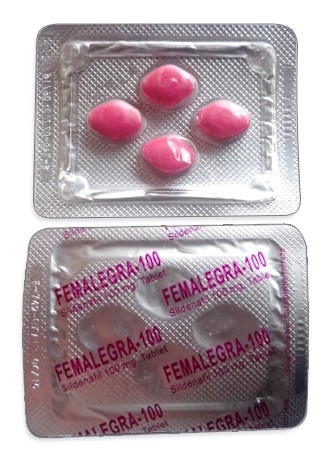
Female Viagra
- Where it can be purchased and whether a prescription is required: In regulated markets (e.g. USA, EU) the approved products called “female Viagra” — flibanserin (Addyi) and bremelanotide (Vyleesi) — are prescription-only and supplied via pharmacies or clinics; however, in some countries (notably parts of Asia, e.g. India) sildenafil-based products marketed as “female Viagra” are often sold over the counter in pharmacies without a prescription and can also be found from online vendors (exercise caution with unregulated sources).
- What the drug is used for and its mechanism of action: Flibanserin and bremelanotide are approved for hypoactive sexual desire disorder (HSDD) in premenopausal women — flibanserin acts centrally as a serotonin 5‑HT1A agonist/5‑HT2A antagonist increasing central dopamine and noradrenaline, while bremelanotide is a melanocortin receptor (MC) agonist that activates central pathways to enhance sexual desire; sildenafil (commonly sold as “female Viagra” in some markets) is a PDE5 inhibitor that increases nitric-oxide mediated vasodilation but is not approved for HSDD in women.
- Usual dosage: Flibanserin — 100 mg once daily at bedtime; bremelanotide — 1.75 mg subcutaneous injection at least 45 minutes before sexual activity (maximum 1 dose per 24 hours, up to 8 doses per month); sildenafil formulations marketed for women are typically 50–100 mg oral when used off-label (commonly 100 mg in some products), but this is not an approved regimen for HSDD.
- Form of administration: Flibanserin — oral tablet; bremelanotide — single‑use subcutaneous autoinjector; sildenafil-based “female Viagra” — oral tablet.
- Onset time (how fast it starts working): Flibanserin does not act immediately and requires daily dosing with benefits assessed after several weeks (clinical evaluation at about 4–8 weeks); bremelanotide typically begins to act within about 30–60 minutes (label recommends ≥45 minutes before sex); sildenafil onset is generally 30–60 minutes.
- Duration of action: Flibanserin provides benefit with continued nightly dosing (effects are sustained while therapy continues; clinical effect assessed over weeks); a single bremelanotide dose produces effects lasting several hours after injection; sildenafil’s physiological effects usually last around 3–5 hours.
- Alcohol warning: Do not consume alcohol with flibanserin — concurrent alcohol use is contraindicated because of an increased risk of severe hypotension and syncope; patients should also avoid strong CYP3A4 inhibitors with flibanserin. Alcohol should be used cautiously with other agents and with any unregulated “female Viagra” products.
- Most common side effec: The most common adverse effect reported across approved female-targeted agents includes nausea (flibanserin also commonly causes dizziness, somnolence and fatigue; bremelanotide commonly causes nausea, flushing and injection-site reactions; sildenafil commonly causes headache and flushing).
- Would you like to try “female viagra” without a prescription?
Female Viagra
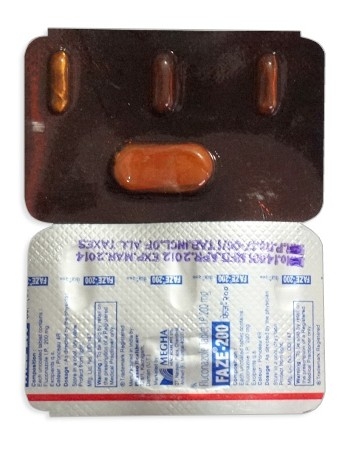
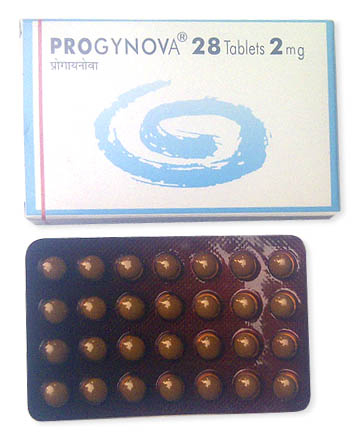
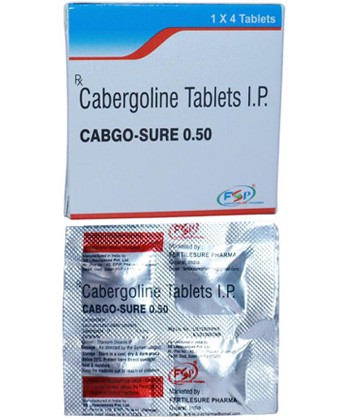
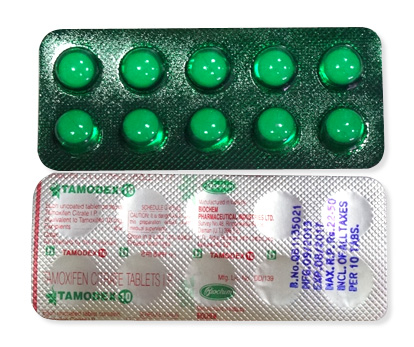
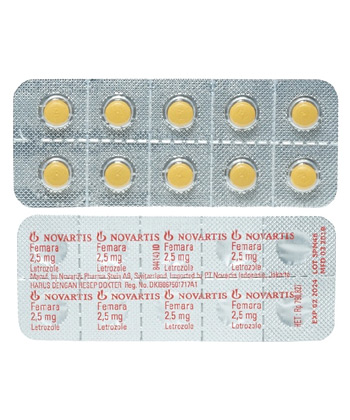
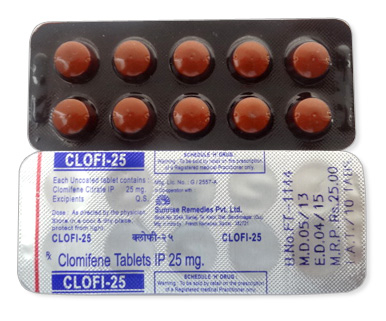
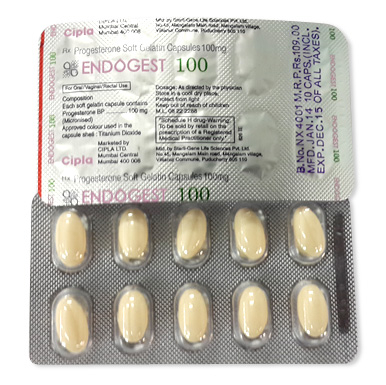
Basic Female Viagra Information
- INN (International Nonproprietary Name): flibanserin and bremelanotide are the substances most commonly referred to as "female viagra". Flibanserin (Addyi) and bremelanotide (Vyleesi) are approved for treating hypoactive sexual desire disorder (HSDD) in premenopausal women in the United States.[3][4][5]
- Brand Names Available In United Kingdom: not specified. Available brand packaging noted in source markets includes Addyi (flibanserin) as 100 mg film-coated tablets and Vyleesi (bremelanotide) as a 1.75 mg pre-filled single-use autoinjector; some sildenafil products are marketed as female enhancers in other countries.[1][3][4]
- ATC Code: Flibanserin — G02CX01. Bremelanotide — G02CX06.
- Forms & Dosages: Flibanserin is supplied as 100 mg oral tablets for once-daily bedtime dosing. Bremelanotide is supplied as a 1.75 mg subcutaneous single-use autoinjector for on-demand use up to 8 times per month. Sildenafil-containing products marketed as "female viagra" in some markets are typically 100 mg tablets but are not approved for HSDD by major regulators.[1][3][4]
- Manufacturers In United Kingdom: not specified. Source manufacturers listed include Sprout Pharmaceuticals (Addyi) and AMAG Pharmaceuticals (Vyleesi) in the United States; some sildenafil generics are manufactured in India and other markets.[1][3][4]
- Registration Status In United Kingdom: check the MHRA for current authorisations. The products are FDA-approved in the United States for premenopausal acquired, generalized HSDD; flibanserin was not approved in the EU as of early 2021 and no UK registration is specified in the supplied data.[3][4][5]
- OTC / Rx Classification: Addyi and Vyleesi are prescription-only medicines in regulated markets. Some sildenafil generics are sold OTC in certain countries (for example India) but are not approved by major regulators for female HSDD.[1][2][3][4][5]
Key Findings From Recent Trials
Major 2022–2025 Studies
Worried that a single headline overstates benefit for women with low desire?
The most robust evidence for "female viagra" comes from randomised controlled trials and post-marketing studies of flibanserin (Addyi) and bremelanotide (Vyleesi).
Regulatory trials supporting FDA approvals reported modest but statistically significant improvements in validated desire measures and patient-reported outcomes versus placebo.
Recent pooled analyses from 2022–2025 and safety surveillance reiterate these modest efficacy signals and show clearer benefits in prespecified subgroups, notably premenopausal women with acquired, generalized HSDD.
These analyses stress the importance of careful patient selection and realistic expectations regarding outcomes.
Main Outcomes
What can patients actually expect to change?
Primary clinical endpoints in trials focused on validated desire scales and distress related to low desire rather than frequency of sexual encounters alone.
Improvements were statistically significant but modest in magnitude and responder rates varied between studies.
Results were generally smaller than consumer expectations generated by the "female viagra" label and require discussion during counselling.
Safety Observations
Should safety concerns change a prescribing decision?
Safety signals differ by drug: flibanserin commonly causes dizziness and somnolence and carries a specific interaction risk with alcohol that increases hypotension and syncope risk.
Bremelanotide is associated with nausea, transient blood pressure changes and injection-site reactions; blood-pressure monitoring was part of trial safety assessments.
Real-world data highlight adherence difficulties with nightly flibanserin and tolerability issues with on-demand bremelanotide for some patients.
Clinical Mechanism Of Action
Layman’s Explanation
Wondering how these drugs compare with male Viagra?
Flibanserin and bremelanotide do not work like sildenafil (Viagra), which acts on blood vessels.
Flibanserin is a daily oral medicine that acts on brain chemistry to modify pathways thought to influence sexual desire.
Bremelanotide is an on-demand subcutaneous injection that stimulates central receptors to enhance sexual response signals relatively quickly.
Scientific Breakdown
Want the pharmacology without jargon?
Flibanserin acts as a 5-HT1A agonist and 5-HT2A antagonist, which is believed to reduce inhibitory serotonergic tone while enhancing dopaminergic and noradrenergic signalling in the brain.
That mechanism makes flibanserin a central neuromodulator rather than a vascular agent.
Bremelanotide is a melanocortin 4 receptor (MC4R) partial agonist and produces acute neuromodulation that can increase sexual arousal pathways when given before sexual activity.
Pharmacokinetics (Brief)
How should timing influence use?
Flibanserin is given orally once daily at bedtime; it undergoes hepatic metabolism where CYP3A4 interactions are clinically important.
Bremelanotide is administered by subcutaneous injection and should be given at least 45 minutes before sexual activity; it is systemically cleared and requires blood-pressure monitoring due to transient cardiovascular effects.
Scope Of Approved & Off-Label Use
United Kingdom Approvals
Can UK clinicians prescribe these drugs freely?
Based on the supplied product information, flibanserin (Addyi) and bremelanotide (Vyleesi) are FDA-approved for premenopausal women with acquired, generalized HSDD in the United States.[3][4][5]
Flibanserin was not approved in the EU as of early 2021, and no UK-specific registration details are provided in the supplied data.
Clinicians in the United Kingdom should verify current MHRA authorisations before prescribing.
Notable Off-Label Trends
Is sildenafil a valid alternative for women with low desire?
Sildenafil generics are marketed in some countries as "female Viagra" despite lacking regulatory approval for female HSDD.
Off-label use in women is usually aimed at vascular arousal problems rather than the complex psychological/neurological presentation of HSDD, and evidence for sildenafil in HSDD is weak.
In the UK, off-label prescribing should be clinician-led with informed consent and clear documentation in the patient record.
Dosage Strategy
General Dosing
How are these treatments actually taken?
Flibanserin standard dosing is 100 mg orally at bedtime once daily with reassessment after around eight weeks to judge benefit and tolerability.[3]
Bremelanotide standard dosing is 1.75 mg subcutaneously at least 45 minutes before anticipated sexual activity, with a maximum of one dose per 24 hours and up to eight doses per month.[4]
Condition-Specific Dosing
Are these medicines suitable for menopausal libido issues?
Trials and approvals target premenopausal HSDD; these regimens apply to that population and presentation.
They are not indicated for menopausal sexual dysfunction driven by hormonal or physiological changes, where topical or systemic oestrogen or local therapies may be more appropriate options.
Special Populations & Adjustments
Who should avoid these medicines?
Neither drug is indicated for children or patients under 18 years of age.
There are limited data in the elderly (>65 years), so routine use in that group is not recommended based on supplied information.
Flibanserin is contraindicated in severe hepatic impairment and requires caution in moderate impairment; bremelanotide requires caution in hepatic and renal impairment and may need avoidance in some patients.[3][4]
Safety Protocols
Contraindications
What are the absolute no-go situations?
Absolute contraindications include hypersensitivity to the active ingredients and pregnancy or breastfeeding.
Flibanserin specifically is contraindicated in severe liver impairment, with concurrent alcohol use, and with strong CYP3A4 inhibitors because of increased hypotension and syncope risk.[3]
Bremelanotide should be used cautiously in patients with cardiovascular instability or uncontrolled hypertension.[4]
Adverse Effects
How likely are side effects and which should patients report?
Flibanserin commonly causes dizziness, somnolence, nausea, fatigue, insomnia and dry mouth; monitor daytime somnolence and fall risk especially in older adults.[3]
Bremelanotide commonly causes nausea, flushing, headache and injection-site reactions; transient increases in blood pressure were observed in trials.[4]
Monitoring Recommendations
What baseline checks are required?
Baseline liver function testing is advisable prior to starting flibanserin and during follow-up as clinically indicated.[3]
Blood-pressure monitoring is recommended around initiation or use of bremelanotide and if cardiovascular concerns exist.[4]
Document counselling on alcohol avoidance with flibanserin, reconcile concomitant medications, and record informed consent in the UK patient record.
Interaction Mapping
Food Interactions
Can patients have a drink with these medications?
Flibanserin has a high-risk interaction with alcohol; concurrent alcohol substantially increases the risk of hypotension and syncope, and patients should be advised to avoid alcohol completely while taking flibanserin.[3]
There are no specific food restrictions beyond taking flibanserin at bedtime as recommended, but general advice to avoid large alcohol intake stands.
Drug Combinations To Avoid
Which medicines make these unsafe?
Strong CYP3A4 inhibitors such as certain macrolide antibiotics, azole antifungals and some antiretrovirals can increase flibanserin levels and are contraindicated with flibanserin.[3]
Concomitant CNS depressants can worsen somnolence with flibanserin and should be used cautiously.
Bremelanotide should be used with caution alongside sympathomimetics or other drugs that affect blood pressure and is contraindicated in uncontrolled hypertension or significant cardiovascular disease.[4]
Practical Checklist For Prescribers
How should a prescriber safely start treatment?
Reconcile all medications including prescription, OTC and herbal products (for example St John’s Wort may affect CYP pathways), counsel on absolute alcohol avoidance with flibanserin and document shared decision-making.
Patient Experience Analysis
Survey Data
Do patients feel better on these medicines?
Patient-reported outcomes in clinical trials generally show modest improvements in desire and reduced distress, but satisfaction is variable.
Adherence is commonly affected by side effects such as somnolence for flibanserin and nausea for bremelanotide, and by dosing practicality—nightly versus on-demand regimens influence patient preference.
Forum Trends
What are people saying online?
Patient communities and forums in the UK and elsewhere report mixed experiences: some people describe meaningful improvement in desire and relationship satisfaction, while others report limited benefit, troublesome side effects or disappointment when expectations are shaped by the "Viagra for women" idea.
Counselling Points
How should clinicians set expectations?
Normalise varied responses and set realistic goals: emphasise modest effect sizes seen in trials and the importance of safety advice such as the alcohol restriction with flibanserin.
Recommend combining pharmacotherapy with psychosocial interventions—cognitive behavioural therapy, couples therapy or sex therapy—to improve outcomes.
Distribution & Pricing Landscape
How easy and costly is access in the UK?
Addyi and Vyleesi are prescription medicines in regulated markets and availability in the United Kingdom depends on MHRA authorisations and private clinic access; they are not universally available on NHS formularies according to the supplied data.[3][4][5]
Branded medicines such as Addyi and Vyleesi carry higher per-treatment costs than generic sildenafil, and private prescriptions or clinic fees add to the patient cost in the UK.
Reimbursement is patchy because HSDD is not universally commissioned on NHS formularies, making private access common.
Online purchase of "female viagra" (sildenafil) risks counterfeit or mislabelled products; advise patients to use authorised pharmacies and verify prescription status to reduce supply chain risk.[1][2]
In our online pharmacy, female viagra is available without a prescription, with discreet delivery to United Kingdom in 5-14 days.
Alternative Options
Comparison Table (Narrative)
Which option suits which patient?
Flibanserin is a daily CNS-acting oral medicine that was approved in the United States for premenopausal HSDD and is suitable when a daily neuromodulator is appropriate.
Bremelanotide is an on-demand injectable that may suit patients preferring episodic treatment prior to sexual activity.
Sildenafil is a vascular PDE5 inhibitor sometimes marketed as "female viagra" in unregulated markets but has limited evidence for HSDD and is not approved by major regulators for this indication.
Pros And Cons
How do the options compare in real terms?
Flibanserin: pro — oral route and FDA approval for the indicated population; con — nightly dosing, strict alcohol restriction and only modest efficacy.
Bremelanotide: pro — on-demand use and rapid effect; con — injection route, nausea and blood-pressure concerns for some patients.
Sildenafil: pro — widely available and inexpensive in some markets; con — not approved for female HSDD and evidence for benefit is limited.
Non-pharmacological alternatives include psychological therapies (CBT, mindfulness), couples therapy, hormonal treatments for menopausal-related libido change (local or systemic oestrogen), and lifestyle interventions such as improving sleep, exercise and reducing alcohol.
Regulatory Status
Are these marketed the same everywhere?
Globally, the regulatory picture differs: the FDA has approved Addyi and Vyleesi for premenopausal acquired, generalized HSDD, while flibanserin lacked EU approval as of early 2021 and no ANMDMR registration was publicised for Romania as of mid-2025.[3][4][5]
UK clinicians should check MHRA updates post-Brexit for current authorisations; historically limited EU approval translated into constrained availability across member states prior to 2021.
Marketing these medicines as "female Viagra" is misleading because sildenafil-based products bearing that label are not approved for HSDD by major regulators.
Consolidated FAQ
Who Is Eligible?
Premenopausal women with acquired, generalized HSDD who have had a full assessment to exclude reversible medical or psychological causes are the population described in approval documents.[3][4]
Is "Female Viagra" The Same As Male Viagra?
No. Flibanserin and bremelanotide act on central pathways and differ pharmacologically from sildenafil, which treats erectile dysfunction in men; sildenafil is not approved for HSDD by major regulators.
Can I Drink Alcohol?
Flibanserin: avoid alcohol entirely because of a serious interaction risk with hypotension and syncope.[3]
Bremelanotide: there is no specific alcohol ban in product information, but counsel patients on nausea and blood-pressure effects if alcohol is consumed.
Where To Get Treatment In The UK?
Seek assessment and prescription from an authorised clinician and use licensed pharmacies or specialist sexual-health clinics; verify current MHRA status and note that off-label sildenafil use should be discussed with the prescriber with documentation of informed consent and safety considerations.
Visual Guide
Which visuals help patients most?
Suggested clinician visuals to produce include a flowchart from assessment to diagnosis and treatment choice that places psychosocial interventions first-line, then pharmacotherapy selection where appropriate.
A dosing timeline graphic contrasting nightly flibanserin with on-demand bremelanotide is useful, together with a risk matrix summarising contraindications and interactions such as alcohol, CYP3A4 inhibitors and blood-pressure issues.
An expectation infographic should emphasise modest benefits and common side effects and recommend a follow-up review at about eight weeks for flibanserin.
Use clear icons (pill vs injector), UK-centric regulatory badges (check MHRA), plain-language outcome metrics and ensure accessibility with large type and high contrast.
Storage & Transport
How should these products be stored and handled?
Flibanserin (Addyi) should be stored at room temperature, generally 20–25°C, and protected from moisture; keep in original packaging.[3]
Bremelanotide (Vyleesi) should be stored at room temperature, 15–30°C, protected from light and heat; follow manufacturer instructions for disposal of single-use autoinjectors and sharps.[4]
Pharmacies and clinics should note that neither product requires a cold chain but both must be protected from extremes of heat and humidity and labelled with clear expiry and disposal advice.
Advise patients to keep medicines in their original packaging, avoid bathroom humidity, not to use beyond expiry and to return unused or expired medicines to a pharmacy.
Warn about online purchases and encourage verification of licensed suppliers to reduce the risk of counterfeit products.[1][2]
Guidelines For Proper Use
What should prescribers do before writing a prescription?
Confirm a DSM/ICD-aligned HSDD diagnosis and exclude reversible causes such as thyroid disease, depression or relationship factors before initiating pharmacotherapy.
Obtain baseline liver-function tests for flibanserin and assess blood pressure for bremelanotide where clinically indicated.
Reconcile other medications, especially strong CYP3A4 inhibitors, and document informed consent including counselling on alcohol and potential side effects.
Set measurable goals with shared decision-making, for example desired improvements in validated desire scores or distress reduction, and plan review at around eight weeks for flibanserin or after several on-demand uses for bremelanotide.
Provide clear safety-netting: advise patients to stop treatment and seek urgent advice for severe adverse effects, pregnancy or signs of syncope or marked hypotension, and record monitoring and follow-up in the patient record aligned with MHRA guidance.
Delivery Across United Kingdom
| City | Region | Delivery Time |
|---|---|---|
| London | Greater London | 5-7 days |
| Birmingham | West Midlands | 5-7 days |
| Manchester | Greater Manchester | 5-7 days |
| Glasgow | Scotland | 5-7 days |
| Leeds | West Yorkshire | 5-7 days |
| Edinburgh | Scotland | 5-7 days |
| Sheffield | South Yorkshire | 5-9 days |
| Liverpool | Merseyside | 5-9 days |
| Bristol | South West England | 5-9 days |
| Cardiff | Wales | 5-9 days |
| Belfast | Northern Ireland | 5-9 days |
| Newcastle upon Tyne | North East England | 5-9 days |
| Nottingham | Nottinghamshire | 5-9 days |
| Southampton | South East England | 5-9 days |