Imiquimod
Imiquimod
- Imiquimod can be purchased from pharmacies and online medical suppliers in some regions, and it is commonly sold as prescription-only medicine in the UK, EU, US and Canada; however, availability without a prescription may depend on the seller and local rules.
- Imiquimod is used for actinic keratosis, superficial basal cell carcinoma, and external genital or perianal warts. It is an immune response modifier that stimulates local production of interferons and cytokines, helping the body attack abnormal or virus-infected cells.
- The usual dose depends on the condition: for actinic keratosis, apply a thin layer 2 times a week; for superficial basal cell carcinoma, apply 5 times a week; for external genital or perianal warts, apply 3 times a week on alternate days.
- The form of administration is topical cream, usually 5% or 3.75%, supplied in single-use sachets, tubes, or multi-pack sachets.
- It does not work immediately; local skin changes may begin within days, but the therapeutic effect is usually seen gradually over several weeks of treatment.
- The duration of action is prolonged at the treated skin site, with each application typically left on for about 6 to 10 hours before washing off, and treatment courses lasting from 6 to 16 weeks depending on the indication.
- Avoid alcohol if it makes you feel more unwell, as it may worsen flushing, headache, or flu-like symptoms in some people.
- The most common side effects are redness, swelling, itching, burning, pain, flaking, scabbing, and erosion at the application site; headache, fatigue, myalgia, and flu-like symptoms can also occur.
- Would you like to try imiquimod without a prescription?
Imiquimod
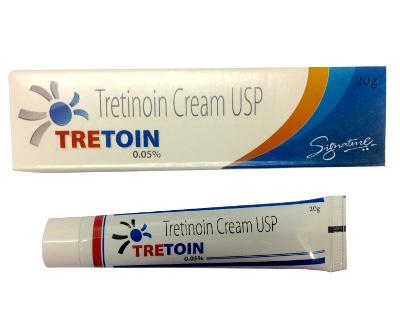
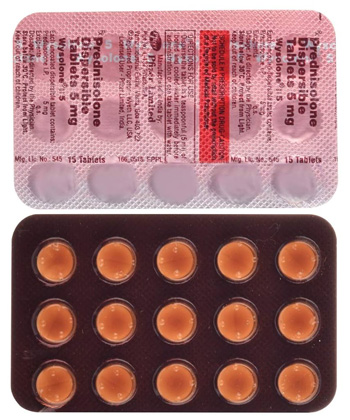
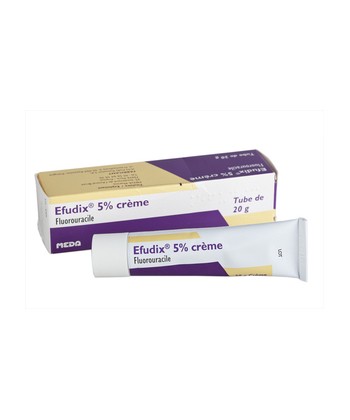
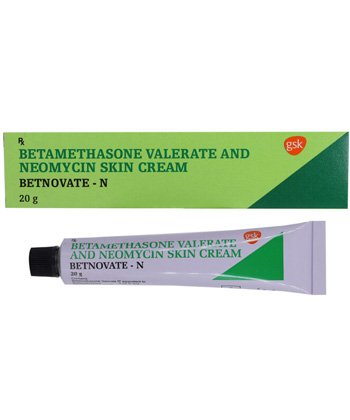
Basic Imiquimod Information
- INN (International Nonproprietary Name): Imiquimod.
- Brand names available in United Kingdom: Aldara is the best-known UK brand; Zyclara is also used internationally.
- ATC Code: D06BB10.
- Forms & dosages: Cream, 5% (50 mg/g, 12.5 mg/250 mg) in sachets; cream, 3.75% in tubes or sachets.
- Manufacturers in United Kingdom: Meda AB, Viatris, and Bausch are listed among key market holders for Aldara; other global suppliers include Glenmark Pharmaceuticals, Apotex Inc, Cosette, Encube, Fougera Pharms, Taro, and Padagis Israel.
- Registration status in United Kingdom: Prescription-only medicine.
- OTC / Rx classification: Prescription-only (Rx) in all major territories.
Key Findings From Recent Trials
Major 2022–2025 Studies
Wondering whether imiquimod still has a place when there are quicker clinic treatments available?
The short answer is yes, especially where local immune activation is the point of treatment rather than immediate destruction of the lesion.
Across recent evidence from 2022 to 2025, the clearest signal remains in sustained real-world use for actinic keratosis, superficial basal cell carcinoma, and external genital or perianal warts.
In UK dermatology and sexual health pathways, that matters because a topical immunomodulator can often be used at home, which may cut down repeat clinic visits and suit patients who prefer self-application.
For actinic keratosis treatment, the standard imiquimod 5% cream regimen remains twice weekly for 16 weeks, while superficial basal cell carcinoma is treated five times weekly for 6 weeks, and genital or perianal warts are treated three times weekly for up to 16 weeks.
Those schedules are slow compared with cryotherapy, but they are clinically useful when a field-directed or immune-based approach is preferred.
What has stayed consistent in the evidence is that efficacy depends heavily on adherence and on using the cream exactly as prescribed.
Main Outcomes
Trial and product data continue to show lesion clearance, recurrence control, and a practical adherence trade-off that suits some patients better than others.
With Aldara cream and Zyclara cream, the outcomes are often strongest when patients can tolerate the local inflammatory response long enough to complete the full course.
That response can be a good sign that the medicine is working, but it can also be the reason someone stops early.
In everyday practice, patients who are motivated by at-home treatment often manage imiquimod cream buy decisions well, but they still need clear counselling on the dosing schedule and on what is expected during treatment.
In simple terms, the evidence supports use where a local immune response is needed to clear visible lesions, rather than where immediate tissue destruction is the main goal.
Safety Observations
Have you noticed how often people stop because the skin gets sore before they see the full benefit?
That is the common pattern with imiquimod side effects.
The frequent local reactions are redness, erosion, flaking, itching, burning, swelling, scabbing, pain, and general irritation.
Less commonly, patients report headache, flu-like symptoms, myalgia, and fatigue.
Those systemic effects are uncommon, but they are important because they can make a straightforward topical treatment feel much bigger than expected.
From a UK dermatology viewpoint, tolerability is often the deciding factor, not just efficacy.
That is why regular review is sensible during longer courses, particularly where treatment is being used for actinic keratosis or superficial basal cell carcinoma treatment.
Clinical Mechanism Of Action
Layman’s Explanation
What exactly is imiquimod doing if it is not an antibiotic or a standard antiviral?
It is an immune response modifier.
Rather than directly killing bacteria or viruses, it helps the body notice abnormal or virus-infected skin cells and attack them more effectively.
That is why it is used for external genital warts and for certain sun-damaged or superficial skin lesions.
Patients often understand it best as a cream that “switches on” local defences in the skin.
Scientific Breakdown
At a tissue level, imiquimod induces local cytokine and interferon production.
This interferon induction helps drive a local inflammatory immune response against abnormal cells and virus-infected cells.
Its ATC classification, D06BB10, places it within topical dermatological therapy.
The pharmacology is the reason imiquimod is considered a topical antiviral in classification terms, while clinically it behaves as a topical immune activator.
Why This Matters Clinically
That mechanism matters because it supports use in conditions where immune activation can clear visible lesions without needing surgery or freezing.
It also explains why the skin often gets red and sore before it improves.
For the right patient, that trade-off is acceptable and sometimes preferred, especially when clinic attendance is difficult or when lesions are in a sensitive area.
In practice, knowing the imiquimod mechanism helps patients stick with treatment and helps clinicians set realistic expectations from the outset.
Scope Of Approved And Off-Label Use
United Kingdom Approvals
In the UK, Aldara 5% cream is the best-known brand and imiquimod is prescription only.
Approved adult indications include actinic keratosis, superficial basal cell carcinoma, and external genital or perianal warts.
That approved range is quite specific, which is helpful when deciding whether the medicine is a good fit for a patient’s lesion type.
Notable Off-Label Trends
Specialists sometimes use imiquimod off label in selected cases, but this should be cautious and guided by dermatology or sexual health expertise.
Paediatric use is limited, and it is not generally recommended for children under 12 years except in special circumstances.
There is also extra caution around autoimmune disease, severe inflammatory skin disease, and organ transplant recipients because the immunostimulatory effect can be more problematic in those groups.
If a patient asks whether they can use it for something outside the approved indications, the safest answer is that it should only happen under specialist oversight.
Patient Selection
Choosing the right patient is as important as choosing the right cream.
Imiquimod UK prescribing tends to work best when the lesion is superficial, the patient can follow instructions, and the expected local reaction has been discussed clearly.
It is less attractive if the skin is already fragile, inflamed, or broken, or if the patient is unlikely to complete the schedule.
Where access is an issue, self-application can be a real advantage, and in some cases our online pharmacy can offer imiquimod without a prescription with discreet delivery to United Kingdom in 5-14 days.
Dosage Strategy
General Dosing
How much should be applied?
Only a thin layer to the affected skin.
That sounds simple, but overuse is a common mistake.
The cream should go only on the prescribed area, not on healthy surrounding skin, and it should not be massaged into mucous membranes, broken skin, or ulcerated areas.
Application is meant to be topical and targeted, not generous.
Condition-Specific Dosing
For actinic keratosis, apply a thin layer twice weekly, leave it on for about 8 hours, and continue for 16 weeks.
For superficial basal cell carcinoma, apply five times weekly, leave on for about 8 hours, and continue for 6 weeks.
For external genital or perianal warts, apply three times weekly on alternate days, leave on for 6 to 10 hours, and continue for up to 16 weeks.
These are the standard regimens for imiquimod 5% cream, and they are the schedules most patients need to build around work, sleep, and washing routines.
Practical Administration
If a dose is missed, it should be applied when remembered unless it is nearly time for the next dose.
In topical use, overdose is not usually described in the usual tablet sense, but the area should be washed thoroughly and medical advice sought if symptoms develop.
Sachet application is the usual practical issue, so patients should keep the packet sealed until use and avoid using more cream than needed.
For people comparing imiquimod 5% cream with Zyclara 3.75% cream, the key point is that the schedule and product strength differ, so the label and prescriber instructions should always be followed rather than guessed.
Safety Protocols
Contraindications
What makes imiquimod a poor choice?
Known hypersensitivity to imiquimod or any excipient is an absolute contraindication.
It should also be avoided on broken or ulcerated skin and on mucous membranes.
Those areas absorb and react differently, and the risk of irritation rises quickly.
Adverse Effects
The common imiquimod side effects are local and inflammatory.
They include erythema, swelling, erosion, scabbing, flaking, itching, burning, pain, and general skin irritation.
Uncommon systemic effects include headache, flu-like symptoms, myalgia, and fatigue.
Patients often worry when redness appears, but with this medicine that reaction is often expected rather than alarming.
Monitoring
Skin reactions should be reviewed regularly, especially during longer courses.
Escalate if there is marked inflammation, secondary infection, ulceration, or if the patient simply cannot tolerate the treatment.
Caution is especially sensible in autoimmune disorders, severe inflammatory dermatological disease, and organ transplant recipients.
In those settings, topical safety is not just about the cream itself, but about the patient’s immune status and the likely intensity of the local response.
Interaction Mapping
Food Interactions
Is there anything to avoid with meals?
Not usually.
No meaningful food interaction is expected with topical imiquimod.
The important timing issue is the skin contact duration, not food intake.
Drug Combinations To Avoid
Caution is needed with other irritant topical agents on the same area.
Using more than one product that strips or inflames the skin can quickly increase skin irritation risk.
Specialist oversight is sensible if imiquimod is being used alongside treatments that already cause skin breakdown.
That includes combination plans involving 5-fluorouracil cream, keratolytics, or procedural options such as cryotherapy, depending on the lesion and site.
Clinical Caution Points
For interaction checks, comorbidity and immunological status matter more than classic systemic drug interactions.
The main concern is additive irritation rather than a tablet-style interaction.
That is why topical combination therapy should be planned carefully rather than layered together casually.
For basal cell carcinoma treatment, the balance between treatment intensity and tolerability is especially important.
Patient Experience Analysis
Survey Data
What do patients struggle with most?
Usually the length of treatment and the local reactions.
Adherence drops when redness, scabbing, or burning becomes hard to manage, even when patients understand that the reaction can be expected.
On the other hand, people who want at-home treatment often prefer self-application because it gives them more control and avoids repeat appointments.
Forum Trends
Common concerns are burning, redness, scabbing, and how the skin looks during treatment.
Common positives are fewer clinic visits and the sense that treatment is being handled on the patient’s own schedule.
That lived experience is very familiar in pharmacy counselling, because patients often decide whether to continue based on the first one or two weeks rather than on the full course plan.
United Kingdom Patient Perspective
In NHS settings, counselling needs are very practical.
Patients need to know when to wash off the cream, what reactions are expected, and when to contact a clinician.
That advice can make the difference between a course that is completed and one that is abandoned after a few applications.
Questions such as Aldara price, imiquimod cream buy, and treatment adherence often come up together, because patients want both clinical clarity and an accessible route to treatment.
Distribution And Pricing Landscape
UK Supply Context
Availability can vary between branded and generic supply, and pharmacy formularies may not all list the same products at the same time.
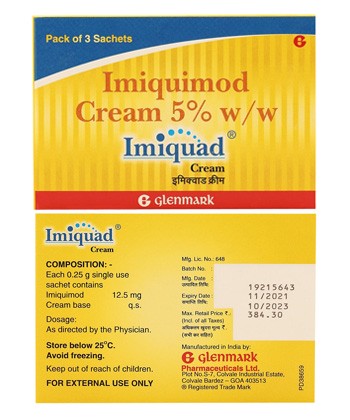
Aldara, Zyclara, Imiquad, Beselna, Labimiq, Nilwart, and Imimore are all brand names seen internationally, even though the UK market is mainly associated with Aldara.
That variation matters when patients search for imiquimod packaging or compare imiquimod 5% cream with imiquimod 3.75% cream.
Packaging And Market Signals
The 5% cream is commonly supplied in single-use sachets containing 12.5 mg imiquimod in 250 mg of cream.
The 3.75% cream is available in tubes or sachets in some markets.
Globally there are more than eight finished product suppliers and more than 100 API vendors, so the supply chain is broad even when local brand choice is narrower.
Patients often notice the sachet format first, because it helps with single-use dosing and reduces confusion about how much to apply.
Alternative Options
Comparison Table
| Treatment | Main Use | Key Point |
|---|---|---|
| Podophyllotoxin topical | Genital warts | Topical alternative for wart treatment. |
| 5-Fluorouracil cream | Actinic keratosis and superficial skin cancers | Another topical option, often used for field treatment. |
| Cryotherapy | Actinic keratosis and warts | Procedural option that is often faster, but clinic dependent. |
Pros And Cons
Imiquimod’s main strengths are home use and its immune-based action.
Its main weakness is that it is slower and often more inflammatory than alternatives.
Alternatives may be faster or cheaper, but they can be more destructive or require clinic attendance.
That is why imiquimod versus cryotherapy is not a simple better-or-worse question.
For one patient, fewer appointments matter most; for another, quicker lesion removal matters more.
Clinical Selection
Choice should be based on lesion type, patient preference, how much inflammation the patient can tolerate, and whether follow-up is realistic.
Where a patient is sensitive to clinic procedures, topical imiquimod can be a practical fit.
Where the skin is very fragile or the lesion needs immediate destruction, another option may be better.
That is the normal judgement call behind substitute treatments in dermatology.
Regulatory Status
United Kingdom And Europe
Aldara was authorised in the EU in 1998, with renewals in 2003 and 2008.
In the UK, imiquimod remains prescription only.
That status is consistent with its use as a clinician-directed topical medicine rather than a general shop-bought cream.
Global Registration Context
For international reference, imiquimod is prescription only in the US and Canada as well.
Product names differ by region, but the INN stays the same.
There are over 11 US NDAs and more than 59 patent families across more than 32 countries, which shows how widely the medicine has been registered and marketed.
Regulatory listings such as DailyMed and ANMDMR are useful when local product names or pack sizes need checking.
Practical Implications
For patients, the main point is simple: the label may change, but the medicine remains imiquimod.
That matters when travelling, comparing brands, or trying to understand whether Aldara cream and another branded product are the same active ingredient.
Prescription-only access also reinforces the need for correct diagnosis before treatment begins.
Consolidated Faq
Common Questions
What is imiquimod used for?
It is used in adults for actinic keratosis, superficial basal cell carcinoma, and external genital or perianal warts.
How long does it take to work?
That depends on the condition and the regimen.
Actinic keratosis treatment is typically 16 weeks, superficial basal cell carcinoma 6 weeks, and genital or perianal warts up to 16 weeks.
Why does it cause redness or scabbing?
Because it is designed to trigger a local immune response, so inflammation is common and often expected.
Practical Answers
If a dose is missed, apply it when remembered unless the next dose is close.
Store the cream at room temperature between 15 and 25°C, do not freeze it, and protect it from excess heat.
If the cream gets into the eyes, mouth, or onto broken skin, wash it off promptly and seek advice if symptoms continue.
Those are the day-to-day questions that matter most in an imiquimod FAQ.
Visual Guide
Application Map
Imagine the prescribed lesion as the only area that should receive the cream.
The layer should be thin and limited to the affected skin only.
Safe areas include the targeted lesion and the skin specifically marked by the clinician.
Areas to avoid include mucous membranes, broken skin, ulcerated skin, eyes, and the mouth.
Treatment Timeline
For actinic keratosis, the weekly pattern is twice weekly for 16 weeks.
For superficial basal cell carcinoma, the weekly pattern is five times weekly for 6 weeks.
For external genital or perianal warts, the weekly pattern is three times weekly on alternate days for up to 16 weeks.
Hand washing before and after application is essential.
If the cream contacts the eyes, mouth, or broken skin, it should be washed off straight away.
Storage And Transport
Storage Rules
How should the cream be kept at home?
Store imiquimod at room temperature, between 15 and 25°C.
Do not freeze it, and protect it from excessive heat.
Bathroom humidity and direct sunlight are both poor storage choices in a UK household.
Travel Handling
Keep sachets sealed until use.
When travelling, carry the medicine in its original packaging so the strength and instructions remain clear.
That also helps if airport security or a hotel stay means the pack needs to be checked quickly.
Storage and transport are straightforward, but they do matter for stability and practical use.
Guidelines For Proper Use
Step-By-Step Application
First, wash and dry the area.
Next, apply a thin layer only to the prescribed skin.
Then leave it on for the stated time and wash it off afterwards.
For a sachet product, use only as much as needed and discard any remaining cream as directed.
Monitoring And Follow-Up
Watch for excessive irritation, ulceration, or systemic symptoms such as flu-like features.
Continue only as prescribed by a clinician.
If the reaction becomes too intense, treatment may need to be reviewed or paused.
That level of monitoring is particularly useful with imiquimod proper use, because correct timing and tolerability are what keep the course on track.
Special Populations
Children under 12 years are generally not recommended for treatment.
No routine dose adjustment is needed for elderly patients unless contraindications exist.
In renal or hepatic impairment, no established adjustment is required, but careful monitoring is sensible because increased systemic absorption or immune changes may be more likely.
Used correctly, this prescription guidance helps the skin treatment stay targeted, manageable, and clinically appropriate.
Delivery Across United Kingdom
| City | Region | Delivery time |
|---|---|---|
| London | England | 5-7 days |
| Birmingham | England | 5-7 days |
| Manchester | England | 5-7 days |
| Leeds | England | 5-7 days |
| Liverpool | England | 5-7 days |
| Sheffield | England | 5-7 days |
| Bristol | England | 5-7 days |
| Glasgow | Scotland | 5-7 days |
| Edinburgh | Scotland | 5-7 days |
| Cardiff | Wales | 5-7 days |
| Belfast | Northern Ireland | 5-7 days |
| Newcastle upon Tyne | England | 5-9 days |
| Nottingham | England | 5-9 days |
| Leicester | England | 5-9 days |
| Aberdeen | Scotland | 5-9 days |